 Intellect Plus
Early modern
399 cards. Each one is a 40-second story with a five-minute read behind it. Page 6 of 7.
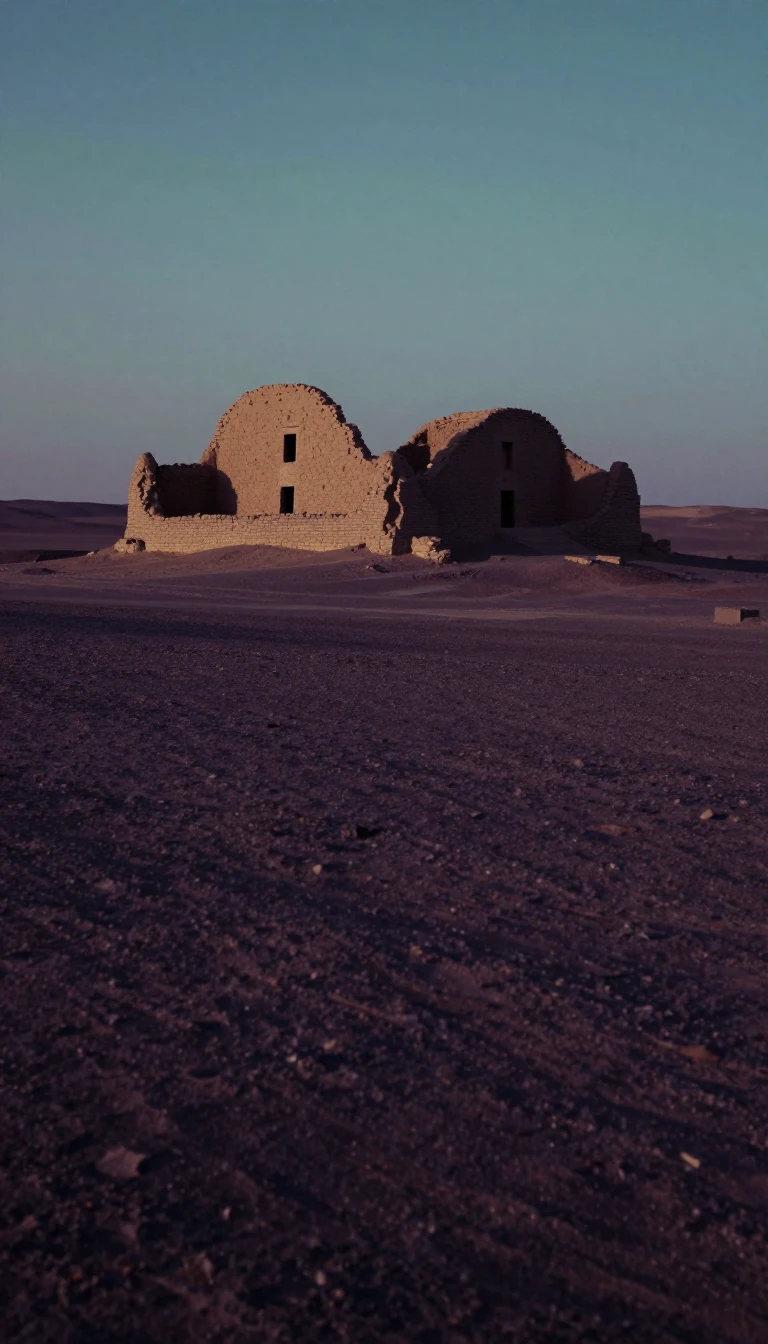 The dead language that Uzbek and Uyghur both call their ancestorFor centuries poets and rulers across Central Asia wrote in Chagatai, a Turkic literary language. Babur, founder of the Mughal Empire, wrote his memoirs in it. By the early 20th c…
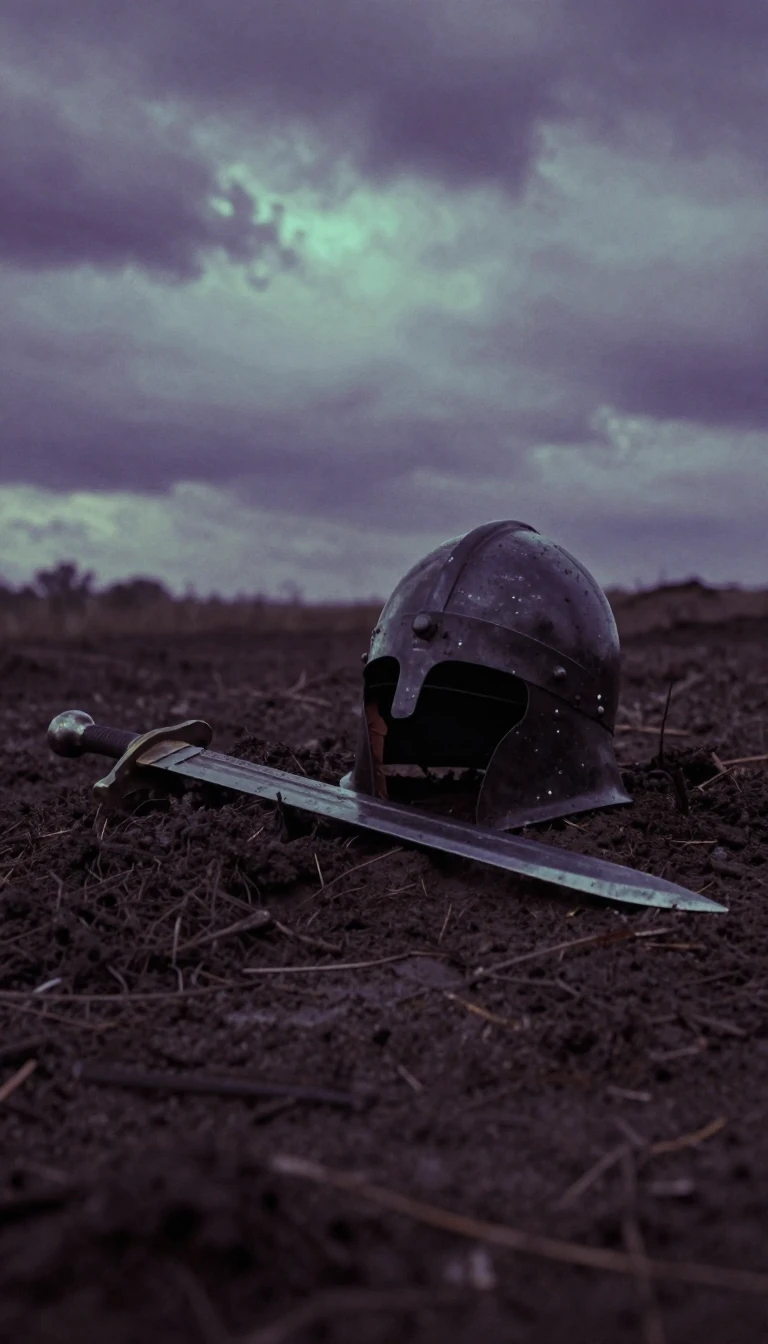 Charles the Bold wanted to be Alexander and died at NancyAs a boy Charles of Burgundy read chronicles and dreamed of conquest like Alexander the Great, pleased that both of them had fathers named Philip. As duke he tried to forge an ind…
 Belgium's independence began with an opera audience spilling into a Brussels riotOn 25 August 1830, people leaving a performance of La muette de Portici, an opera stirring with national feeling, joined crowds looting shops in Brussels. Within weeks Dutch troop…
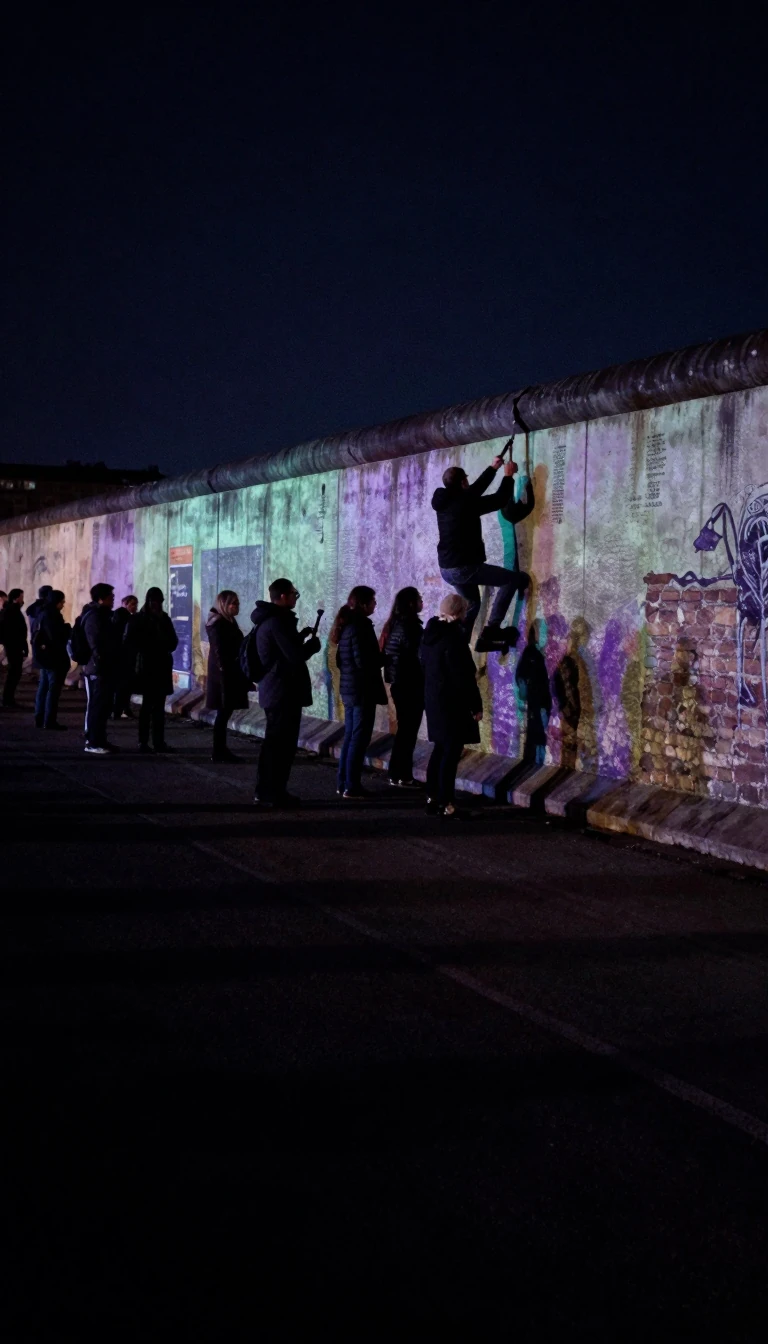 Brandenburg wraps around Berlin and gave birth to the Kingdom of PrussiaThe German state that completely encircles Berlin began as a frontier march carved from Slavic lands in the 900s. Under the Hohenzollerns it merged with Prussia, rose to a kingdom…
 Aryan once meant people who performed the right rituals, not a raceIn the Rigveda and the Avesta, being Arya was about language and worship: sacrifice to the proper gods with the proper hymns and you belonged. The notion of an Aryan race was a ni…
 Ashanti was the first woman to hold the top two Hot 100 spots at onceBefore her own album came out, Ashanti was singing the hooks on other people's rap hits. In 2002 her voice was on the number one song in America and she held the number two slot t…
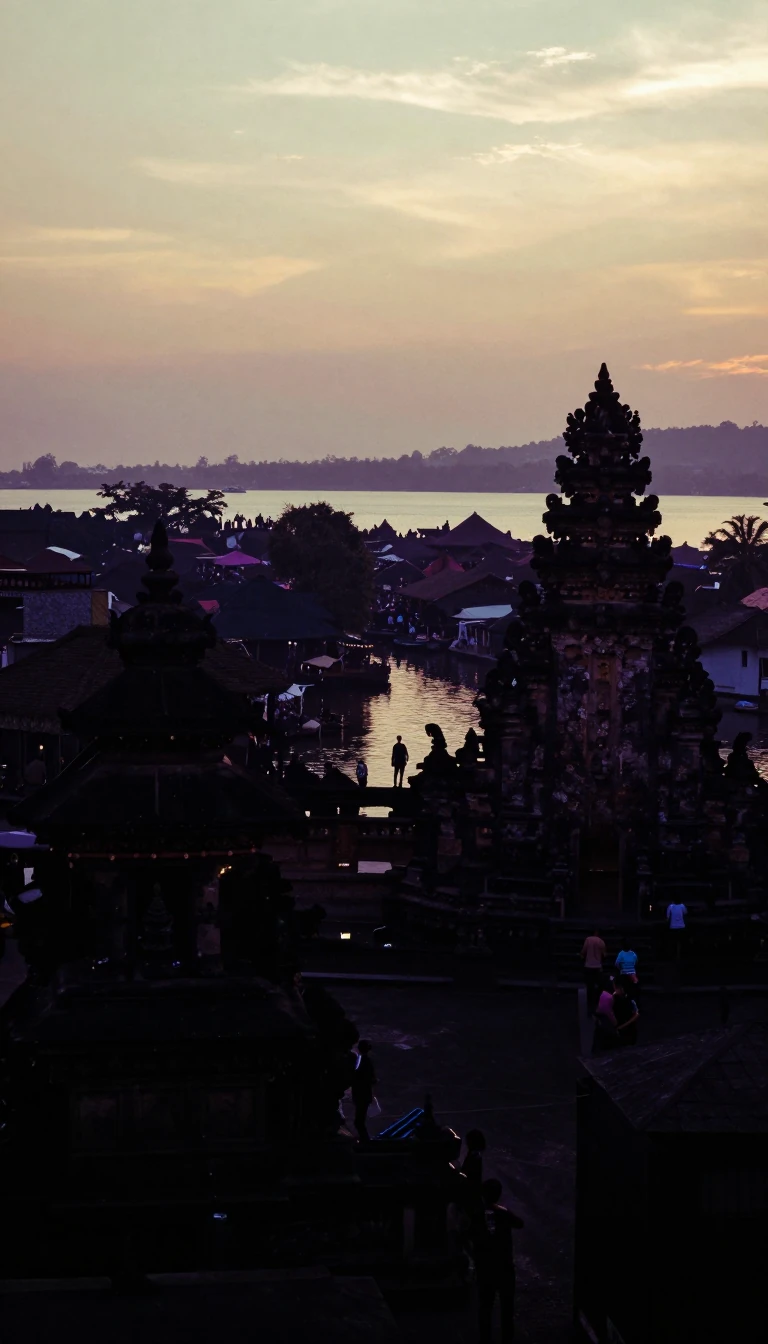 In Aztec myth, the sun only moved because the humblest god leapt into fireThe gods gathered at Teotihuacan to set the sun in motion, and the handsome favourite lost his nerve at the edge of the flames. A small god covered in boils jumped first, and time…
 Bengal's Tiger Jatin earned his nickname by killing a tiger with a small bladeIn 1906 Jatindranath Mukherjee went looking for a tiger troubling his home village, fought it at close quarters and killed it with a short dagger to the neck. Bengal's colonial go…
 Jakarta spent more than three centuries named after an ancient Germanic tribeIn 1619 a Dutch governor burned the Javanese port of Jayakarta to the ground and built a fortress on its ruins. He wanted to call it after his hometown; the company board chose Ba…
 Pinkie 1547: England tried to force a royal marriage and Scotland remembered Black SaturdayHenry VIII wanted the infant Mary, Queen of Scots to marry his son. When Scotland refused, England invaded, a campaign later dubbed the Rough Wooing. At Pinkie near Musselburgh in…
 Less than thirty seconds of shaking made Haiti's 2010 quake the century's deadliestAt 16:53 on 12 January 2010, a magnitude 7.0 earthquake struck just 13 kilometres beneath Haiti, about 25 kilometres from the capital. It lasted under half a minute. Because it wa…
 Which shoulder carries an aide-de-camp's gold cord tells you whom they serveAn aide-de-camp, French for helper in the military camp, is the personal assistant to a general, governor or monarch. Their badge is a braided cord called an aiguillette. In Canad…
 Alta California once spanned Nevada, Utah and slices of Wyoming and ColoradoBefore California was a state, it was the far northern edge of Spain's and then Mexico's empire, a province that also took in all of Nevada and Utah. Its traces survive in city na…
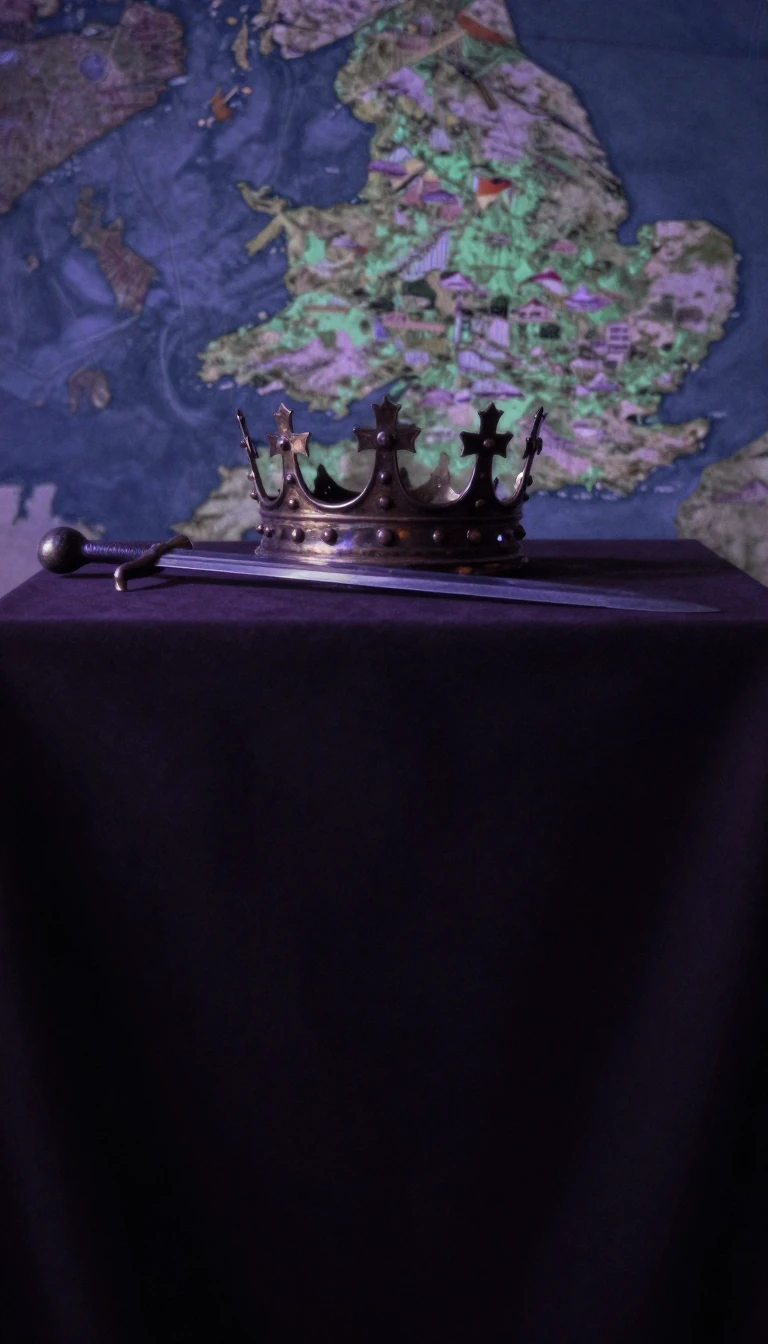 The Angevin Empire never called itself an empire; a Victorian historian named itIn the 12th century one family controlled England, roughly half of modern France and pieces of Wales and Ireland, yet held court mainly in Anjou, not London. Nobody at the time ca…
 Anne of Denmark married James VI at fourteen, with 300 tailors on her dressBefore she ever met him, fourteen-year-old Anne of Denmark embroidered shirts for her Scottish fiancé while hundreds of tailors stitched her wedding gown. At their proxy wedding i…
 Spain's Inquisition answered to monarchs, not only RomePope Sixtus IV authorized Spain's Holy Office in 1478; Ferdinand and Isabella named the first inquisitors in 1480. Estimates suggest about 150,000 prosecutions and 3,000 to 5,000 …
 A Bohemian window toss ignited thirty years of warBetween 1618 and 1648, Central Europe bled through battle, famine, and disease; estimates put deaths at 4.5 to 8 million, with some German regions losing more than half their peop…
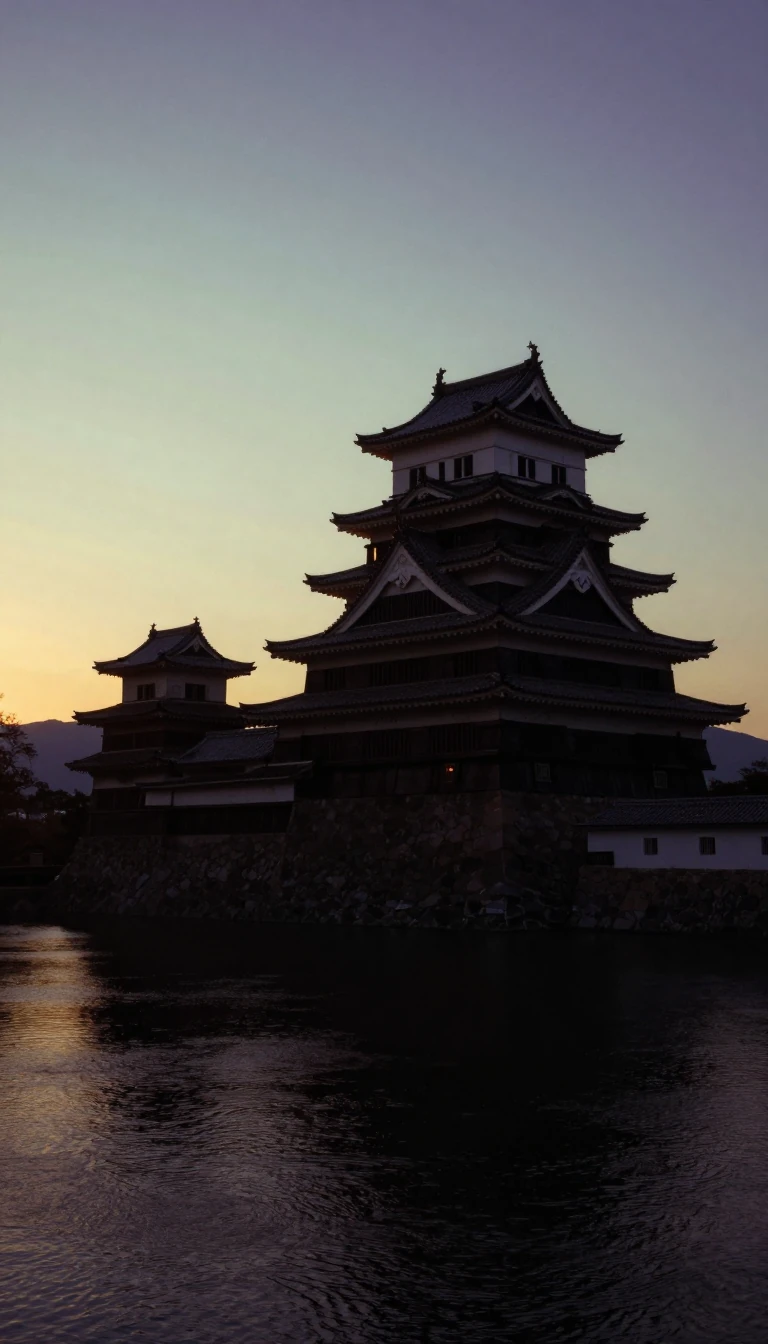 Edo's hostage system kept Japan quiet for centuriesAfter Sekigahara, Tokugawa Ieyasu became shogun in 1603 and ruled from Edo until 1868. Strict class ranks, sakoku isolation, and alternate-attendance hostages stabilized a realm t…
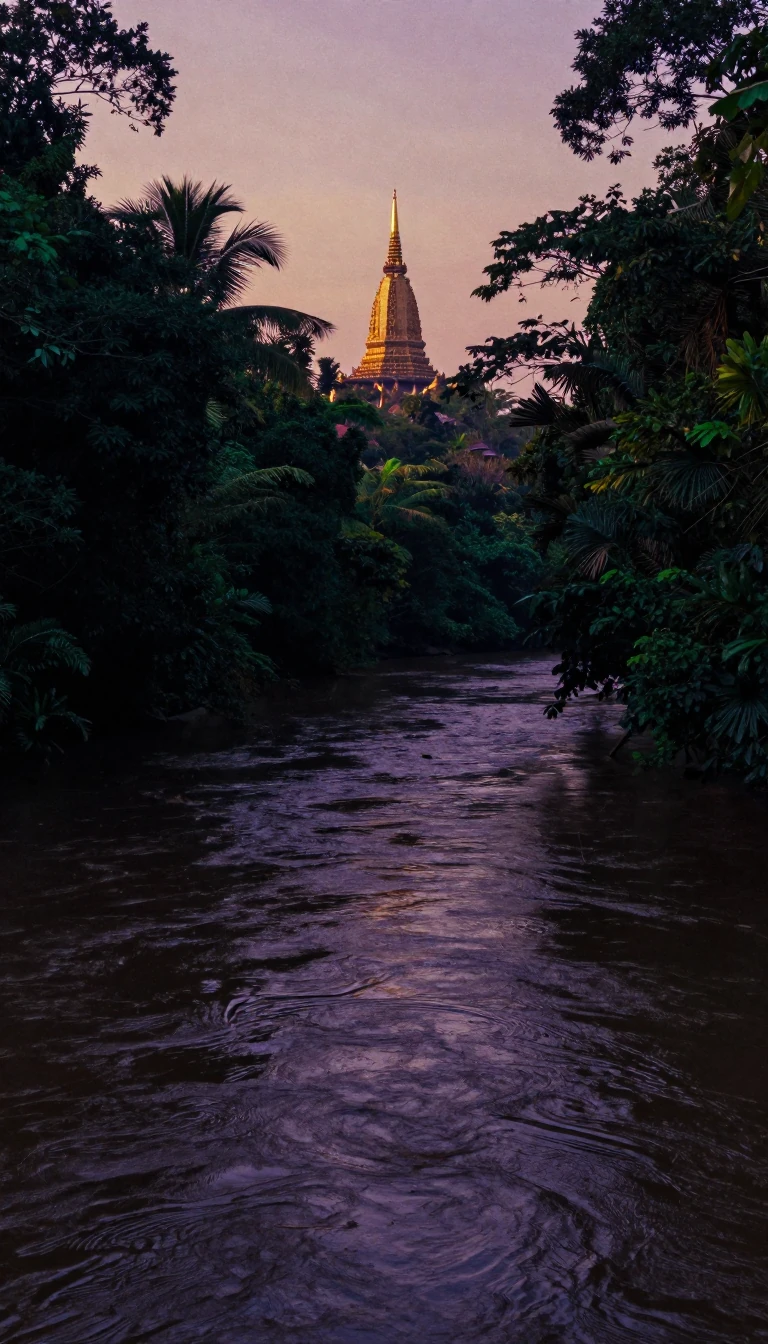 Toungoo briefly built Southeast Asia's largest empireFrom a Sittaung River outpost, Burma's Toungoo kings reunited Pagan's lands, absorbed Shan realms, and reached Assam to Cambodia's marches. Bayinnaung's death in 1581 shattered th…
 Two crowns drew a line and claimed half the planetOn 7 June 1494 at Tordesillas, Portugal and Castile split non-European lands along a meridian about 370 leagues west of Cape Verde. The pope later blessed the bargain; Indigenous …
 Ivan's crown turned Moscow into a continental empireCrowned tsar on 16 January 1547, Ivan IV launched a state that averaged about 35,000 square kilometers of growth yearly from 1550 to 1700. Kazan and Astrakhan fell; Siberia opened…
 Prussia stole Silesia and rewired Europe's alliancesWhen Charles VI died in 1740, Maria Theresa's right to Austria was contested from Paris to Berlin. Frederick II seized rich Silesia within weeks; eight years of war confirmed her …
- A childless king's will tipped Europe into world warCharles II of Spain died in November 1700; naming Louis XIV's grandson Philip of Anjou threatened to fuse Bourbon power. From 1701 to 1714, coalitions fought across Europe and the…
 Spice profits taught Europe how to rule by fortOttoman control of Silk Road routes pushed fifteenth-century Europeans to sea. Portugal broke Arab–Italian spice monopolies via the Cape; Dutch, English, and French companies foll…
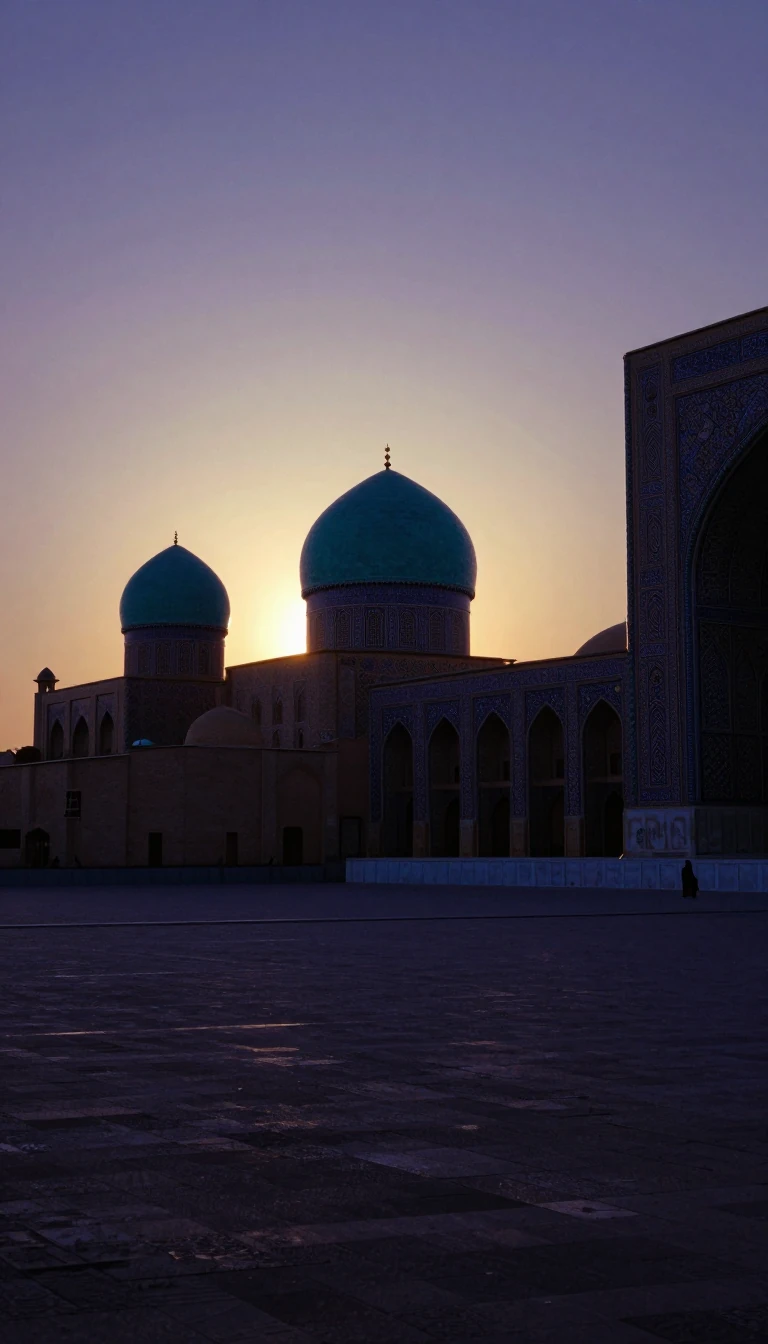 The Safavids made Twelver Shi‘ism Iran’s state religionFrom 1501 to 1736 the Safavid dynasty ruled a gunpowder empire that many call the start of modern Iranian history. Shah Ismail I declared Twelver Shi‘a Islam the official faith—a …
 1543’s twin books often mark science’s irreversible turnEurope’s sixteenth- and seventeenth-century Scientific Revolution swapped inherited natural philosophy for mechanistic, mathematical inquiry driven by new evidence. Many date its …
 A 1754 Ohio ambush lit what became a world warThe Seven Years’ War (1756–1763) tangled Britain and Prussia against France and Austria, with Spain, Portugal, Sweden, Russia, and German states drawn in. Related fights spanned S…
 Lahore to Khyber: the last major Indian state Britain annexedFrom Ranjit Singh’s 1799 seizure of Lahore to British annexation after the Second Anglo-Sikh War in 1849, the Sikh Empire briefly spanned Khyber to Sutlej, Gilgit to Sindh—about t…
- Four Qing invasions failed; Burma kept its frontierBetween 1765 and 1769 the Qianlong Emperor sent four armies into Konbaung Burma—one of his Ten Great Campaigns. Over seventy thousand Qing soldiers and four commanders died. The d…
 African slavery was local systems meeting global marketsServitude long existed across Africa in many forms—debt bondage, war captives, military slavery, domestic service—before trans-Saharan, Red Sea, Indian Ocean, and Atlantic trades …
 Napoleon’s Spanish crisis fractured an empire into nationsSpanish American independence wars began soon after the Peninsular War and ran, by strict military dating, from Chacaltaya in 1809 to Tampico in 1829. Royalists and Patriots fough…
 Castile’s Indies began on Hispaniola in 1493Spanish settlement of the Americas opened in 1493 on Hispaniola after Columbus’s 1492 voyage under Isabella of Castile. Crown civil and church structures claimed vast jurisdiction…
- Allies and smallpox toppled Tenochtitlan by 1521Between 1519 and 1521 Hernán Cortés’s small Spanish force plus large Indigenous armies overthrew the Aztec Triple Alliance. Moctezuma’s hegemonic system cracked; smallpox in 1520 …
- Civil war left the Inca Empire open to 168 SpaniardsIn 1532 Francisco Pizarro’s 168 soldiers seized Sapa Inca Atahualpa at Cajamarca—the opening move of a campaign that ended Inca sovereignty by 1572 as the Viceroyalty of Peru. Sma…
 The empire where the sun never set spanned 13.7 million km²From Columbus in 1492 to late remnants into 1976, the Spanish Empire—also called the Hispanic or Catholic Monarchy—helped open Europe’s Age of Discovery. At its late-eighteenth an…
 Westphalia did not invent sovereignty the way textbooks claimIn October 1648, two treaties signed in Münster and Osnabrück closed the Thirty Years' War, a catastrophe that had killed an estimated 4.5 to 8 million people. Later theorists cro…
- Polish troops held Moscow—then lost Russia foreverWhile Russia reeled through the Time of Troubles, famine, and rival false tsars, the Polish–Lithuanian Commonwealth pushed east. After the 1610 Battle of Klushino, Polish units en…
 Portugal built the first global sea empire—then overstretchedEurope's earliest and longest-lived colonial empire began as a hunt for African gold and Asian spices. From Ceuta in 1415 to a chain of forts linking Lisbon to Nagasaki by 1571, P…
 A Teutonic fief became the engine of German unityPrussia began not as a kingdom but as a secularized remnant of crusader lands. In 1525 the Teutonic Order's Prussian territory became a Lutheran duchy under Hohenzollern rule; by …
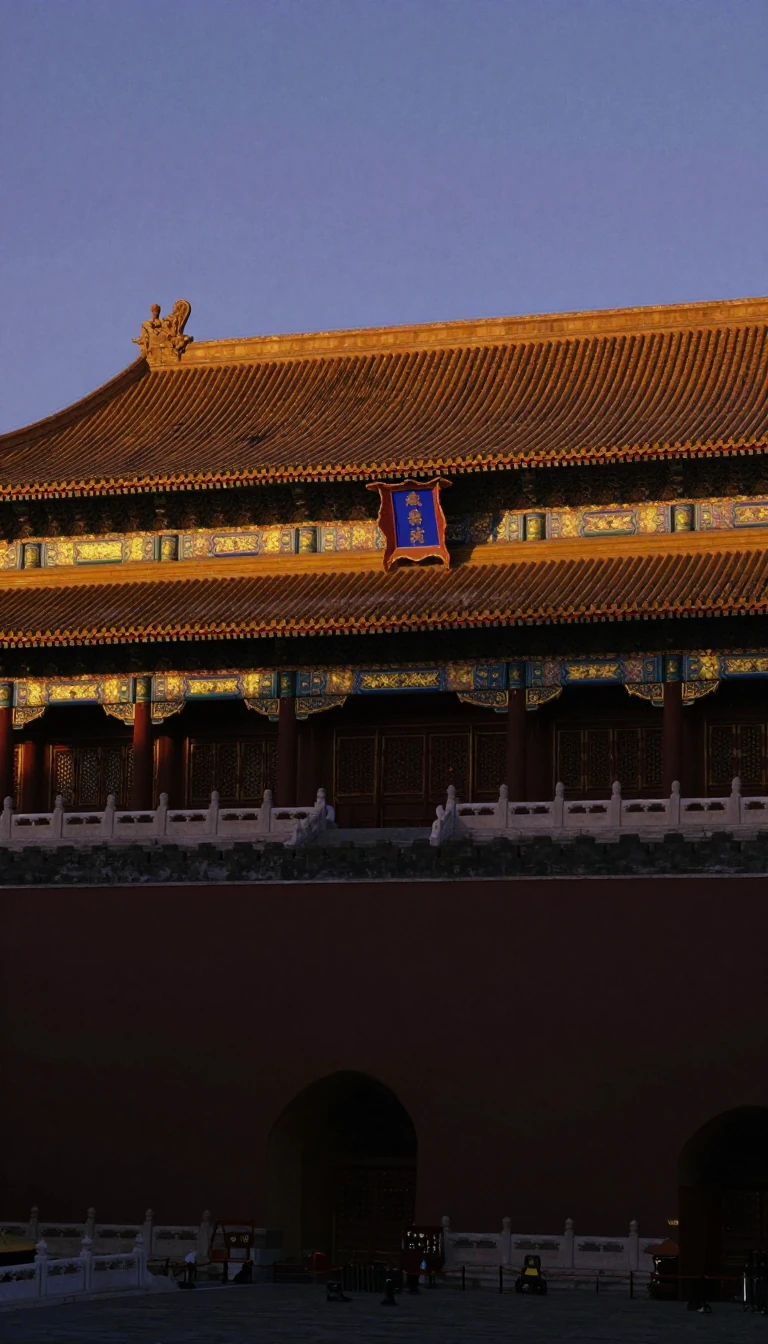 Manchu banners built China's last and largest empireChina's final imperial house was not Han but Manchu. From a Jurchen confederation that proclaimed the Later Jin in 1616, the Qing seized Beijing in 1644, finished southern resista…
 Historians now speak of Reformations, not one ReformationSchoolbooks still start the story on 31 October 1517, when Martin Luther posted theses against indulgences in Wittenberg. Modern scholars increasingly insist on the plural: parall…
 Was the Renaissance a rebirth—or a medieval continuation?Textbooks still picture a clean break: Florence rediscovers Greece and Rome, invents the "Renaissance man," and ends the Middle Ages. Many historians now stress thousandfold ties …
- Cavalry rebuilt Oyo after eighty years of exileA Yoruba inland power in what is now western Nigeria and Benin became West Africa's most populous kingdom, then nearly vanished when Nupe armies sacked its capital around 1535. Ex…
 Three treaties erased Poland-Lithuania for 123 yearsBetween 1772 and 1795, Habsburg Austria, Prussia, and Russia carved up the Polish–Lithuanian Commonwealth in three staged annexations. The last stroke, after a failed uprising, ab…
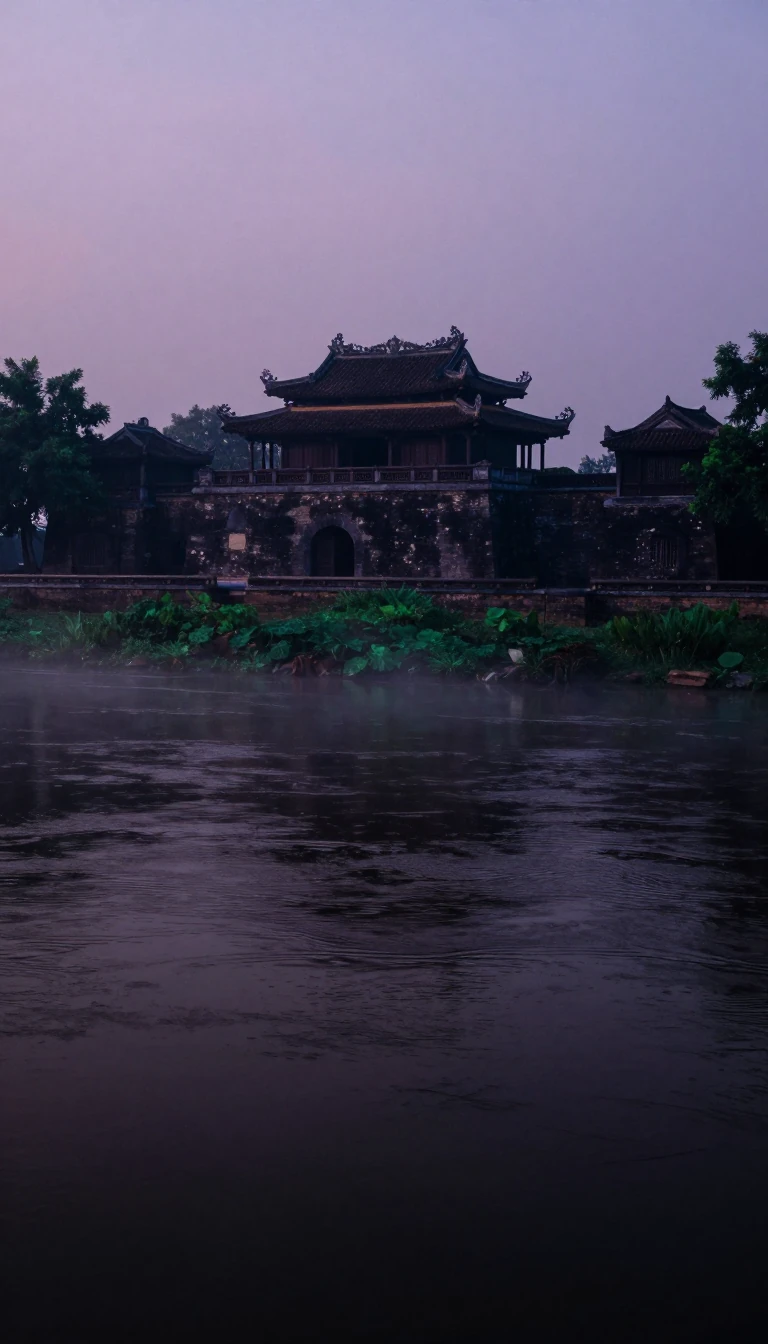 Vietnam's longest dynasty ruled while strongmen held the real powerThe Lê dynasty governed Đại Việt from 1428 to 1789—with a gap from 1527 to 1533—longer than any other Vietnamese royal house. After restoration, emperors often reigned in name onl…
- A kingdom named for a million elephants ruled Laos for centuriesLan Xang held much of present-day Laos from 1353 to 1707—about three and a half centuries as one of mainland Southeast Asia's largest realms. Its Lao name evokes "Million Elephant…
- Congress funded a continent crossing with only 2,324 dollarsAfter the 1803 Louisiana Purchase, Thomas Jefferson sent Meriwether Lewis and William Clark to map a commercial water route west and plant an American presence before rivals did. …
 The Little Ice Age cooled regions, not the whole planet in lockstepNamed by François E. Matthes in 1939, the Little Ice Age was regional cooling—especially around the North Atlantic—not a true global ice age. Conventional dating runs from the six…
 Russia's Baltic push shattered Livonia, then lost it in trucesFrom 1558 to 1583, the Livonian War turned Old Livonia—today's Estonia and Latvia—into a prize fought over by Russia, Poland–Lithuania, Sweden, and Denmark–Norway. Early Russian w…
 Only one ship of five finished the first voyage around EarthSpain's Magellan–Elcano expedition left in 1519 seeking a western path to the Moluccas and returned in 1522 having circled the planet—about 60,440 kilometres. Roughly 270 men sail…
 Neither empire nor confederacy fully fits the Maratha stateRising from Shivaji's seventeenth-century Hindavi Swarajya, Maratha power grew into a sprawling early modern polity often labeled empire or confederacy. Historian Barbara Ramusack…
 A former monk built Ming China after burning Yuan palacesThe Ming dynasty—Great Ming—ruled China from 1368 to 1644 as the last Han-led imperial house. Founder Zhu Yuanzhang, once a penniless peasant and Buddhist monk in the Red Turban r…
 Mughals called themselves Gurkani, not Mongols, in their own recordsOutsiders labeled Babur's dynasty "Mughal"—Indo-Persian for Mongol—yet early followers were Chagatai Turks, and the house preferred Gurkani, recalling Timur's title after marrying…
 Portuguese maps wrote Monomotapa for a Shona royal titleOn the northern Zimbabwean Plateau, the Mutapa Empire—also Mwenemutapa or Munhumutapa—grew from Shona statecraft along Zambezi trade. Portuguese writers rendered the king's title …
 An earthquake handed the Ottomans their first European bridgeheadOn 2 March 1354 a quake wrecked Gallipoli and emptied its Greek population. Within a month Süleyman Pasha seized the ruins, resettled Turkish families from Anatolia, and gave the …
- Enslaved Africans won independence from France in HaitiThe Haitian Revolution was a successful uprising of enslaved Africans against French rule in Saint-Domingue, today’s Haiti. It was the largest slave revolt since Spartacus nearly …
 Romanov rule ended after 304 years in March 1917The House of Romanov was Russia’s reigning imperial dynasty from Michael’s 1613 election after the Rurik line died with Feodor I. Peter I took the emperor title and proclaimed the…
 Huguenots may have been a tenth of France by 1572Huguenots were French Protestants of the Reformed, Calvinist tradition, concentrated in the south and west. Hans Hillerbrand estimates their share reached as high as ten percent o…
 Hideyoshi’s 1592–98 invasions stalled under Ming and Yi fleetsThe Imjin War names Japan’s two invasions of Korea—1592 and 1597—with a truce between. Toyotomi Hideyoshi aimed to conquer the peninsula; early gains crumbled under Ming Chinese r…
- Charles VIII’s 1494 Naples march opened sixty-five years of warThe Italian Wars (1494–1559) tore through the peninsula and spilled into Flanders, the Rhineland, and the Mediterranean. After the Italic League frayed in 1492, Charles VIII of Fr…