 Intellect Plus
Early modern
399 cards. Each one is a 40-second story with a five-minute read behind it. Page 4 of 7.
 Jupiter’s satellite system is a chaotic, crowded graveyard of captured asteroids and ancient debris.Jupiter hosts 115 known moons, but this is merely the tip of the iceberg. While the four massive Galilean moons dominate the system, hundreds of smaller, irregular satellites orbi…
 The most famous landing site in American history was never mentioned by the Pilgrims.Plymouth Rock is a national icon, yet no contemporary account of the 1620 arrival mentions it. The boulder only gained its legendary status over a century later, thanks to a singl…
 Is the universe a machine, or does it have a secret purpose?Teleology is the philosophical study of purpose. While ancient thinkers like Aristotle believed nature itself possessed intrinsic goals, modern science largely replaced this with …
 Four moons orbiting Jupiter shattered the ancient belief that Earth was the universe's center.In 1610, Galileo Galilei peered through a telescope and spotted four celestial bodies circling Jupiter. This discovery was a landmark moment for astronomy, proving that not everyt…
 From divine breath to dark energy: the enduring mystery of the fifth elementFor millennia, thinkers invoked aether to explain everything from the movement of stars to the transmission of light. Though modern physics eventually discarded this invisible med…
 Toulon: From Roman dye factory to the beating heart of the French NavyToulon has evolved from a Roman purple-dye hub into a strategic Mediterranean powerhouse. Shaped by Ottoman alliances, royal ambitions, and the architectural vision of Haussmann, …
 From democracy to militarism to economic miracleThe Shōwa era began with Japan expanding voting rights and embracing democratic ideals, yet within years slid toward military dictatorship and imperial conquest. After the devasta…
 The world's most remote place, deliberately builtTristan da Cunha, a volcanic speck in the middle of the South Atlantic, has only 222 inhabitants today. Yet Britain deliberately established it as a colony to prevent Napoleon's r…
 Why the global economy is not a collection of independent nations but one systemTraditional economics views countries as isolated actors, but world-systems theory argues they are parts of a single, integrated machine. By analyzing the global division of labor…
 Why millions of people in northern China live inside the earth itselfA yaodong is a traditional earth-sheltered dwelling carved directly into the Loess Plateau. By utilizing the surrounding soil as a natural insulator, these homes remain remarkably…
 Why do we label certain conflicts world wars while others remain regional?The term world war is a modern invention, yet historians debate whether it truly describes only the two massive 20th-century conflicts. While we conventionally reserve the title f…
 How a Welsh market town became the largest settlement in Wales during the 1600sLong before its modern industrial identity, Wrexham was a thriving medieval hub and a Puritan stronghold. Once the largest settlement in Wales, this city has evolved from a Roman-…
 How a Cold War Dictatorship Tried to Erase History to Build a New NationFrom 1971 to 1997, the state of Zaire attempted to forge a singular national identity by purging colonial influences and centralizing power under a totalitarian regime. Led by Mob…
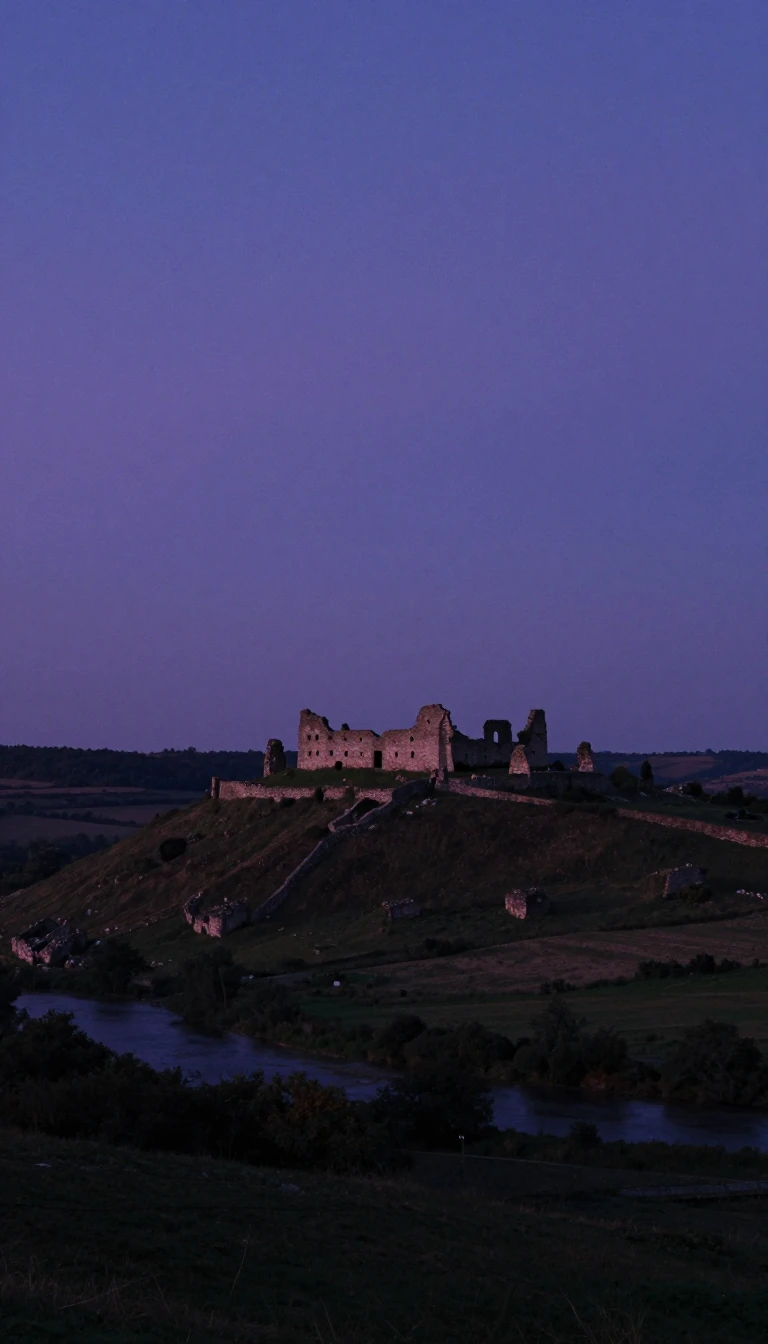 The Vindhya Range is not a single mountain, but a shifting geographical mythThe Vindhyas are not a geological mountain range in the conventional sense, but a complex, discontinuous collection of ridges and plateaus. Historically, the term was a fluid labe…
 Why is a vast stretch of the Sahara still a geopolitical flashpoint today?The Western Sahara conflict remains a frozen, decades-old struggle for sovereignty. Pitting the Polisario Front against Morocco, the dispute over this desert territory has drawn i…
 The Ukrainian Insurgent Army: A Complex Legacy of Guerrilla Warfare and Ethnic ViolenceFormed in 1942 to secure an independent Ukrainian state, the Ukrainian Insurgent Army waged a multifaceted war against Soviet, Polish, and German forces. While celebrated by some …
 How a nineteenth-century medical school evolved into a modern research powerhouse in New York.Founded by a future U.S. president, the University at Buffalo began as a small private medical college in 1846. Today, it stands as the largest public university in New York, serv…
 How a medieval label for Muslim converts became a defining identity for millions todayThe term Turkoman, or Turkmen, began as an exonym for Oghuz Turks who embraced Islam. Over centuries, it evolved from a religious marker into a powerful endonym, shaping the polit…
 The Ulama were the intellectual guardians who balanced power in early Islamic empires.Far from mere religious figures, the ulama functioned as the essential interpreters of law and doctrine across the Islamic world. By managing education and issuing legal opinions,…
 Is the U.S. Secretary of State the ultimate stepping stone to the presidency?As the highest-ranking Cabinet member and fourth in the presidential line of succession, the Secretary of State wields immense power over foreign policy. Yet, while six early offi…
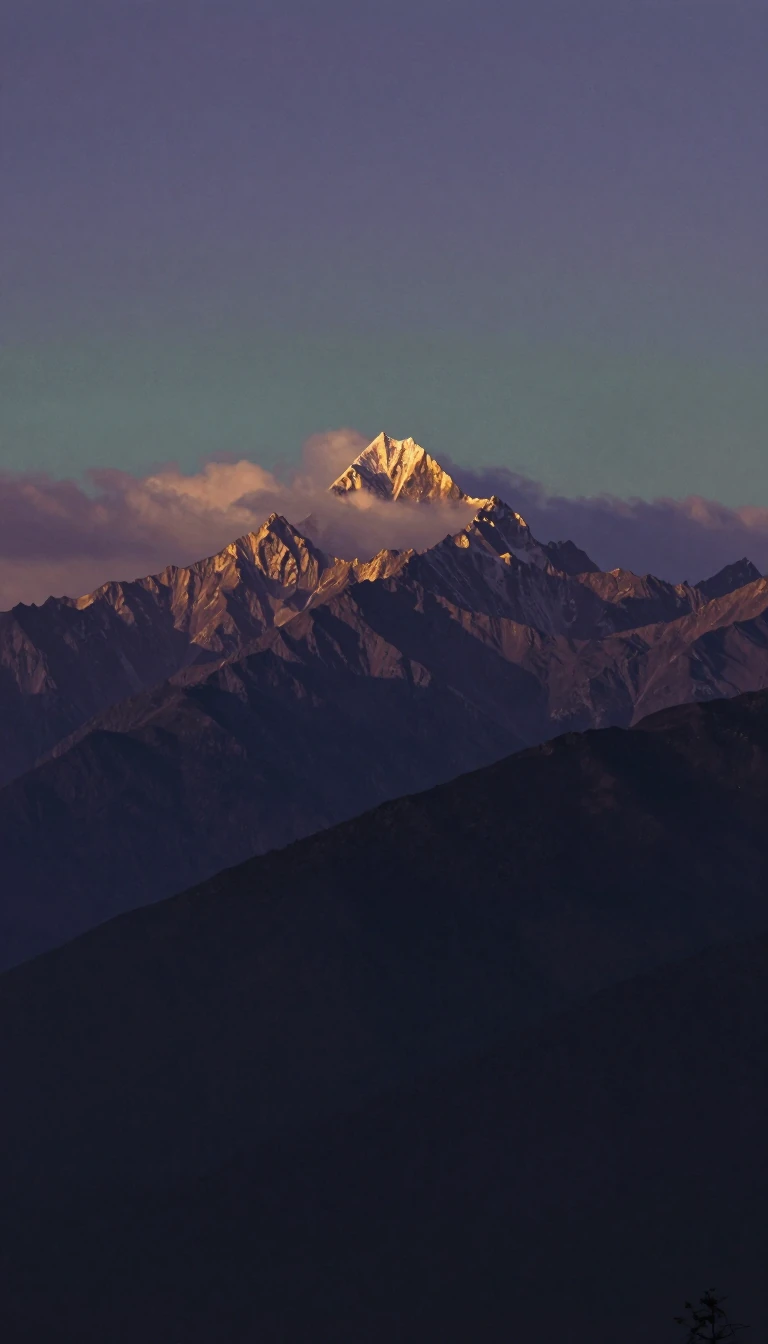 Why President James Buchanan sent an army to Utah in 1857In 1857, President James Buchanan dispatched 2,500 troops to the Utah Territory, fearing a Mormon rebellion. The resulting confrontation, known as the Utah War, saw no major battl…
- Between 1912 and 1951, Tibet existed as a de facto independent state in Asia.Following the collapse of the Qing dynasty, Tibet asserted its autonomy, navigating decades of geopolitical tension between British, Chinese, and regional interests. While the 13t…
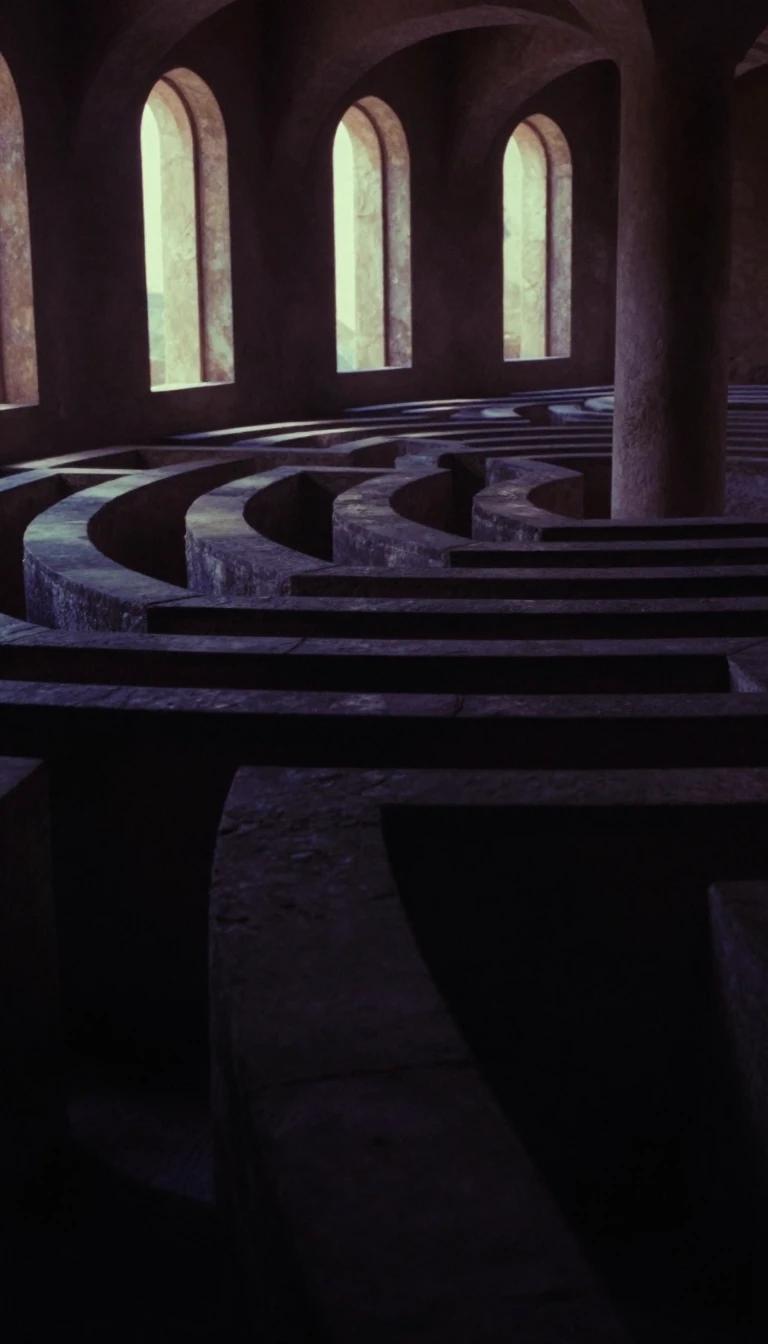 Toledo: How a Medieval Silk Powerhouse Transformed Into a Modern Bureaucratic CenterOnce a thriving cultural hub and the heart of Spain's silk industry, Toledo lost its political primacy to Madrid in 1561. While it survived as a manufacturing center for centuries…
 Turkestan: A vast, shifting historical crossroads that never existed as a single nationSpanning from the Caspian Sea to the Gobi Desert, Turkestan is a name for a region, not a country. Historically, it has been a fluid mosaic of empires, from the Mongols to the Rus…
 The Shogun was a temporary military role that became Japan’s de facto government for centuries.Officially a field commander tasked with suppressing northern tribes, the shogun evolved into the absolute ruler of Japan. While the Emperor held nominal authority, the bakufu—or …
 Why the most famous Mohican in literature was never actually a Mohican at allJames Fenimore Cooper’s 1826 classic defined the American frontier myth, yet it is built on a foundation of historical confusion. By misnaming his characters and romanticizing a v…
- How a self-proclaimed Emperor turned a coup into a modernizing, global French empire.Louis-Napoléon Bonaparte seized power in 1851, transforming from a republican president into an absolute monarch. His Second Empire reshaped Paris, expanded colonial reach, and na…
 The Sengoku period was not a single war but a century of shifting powerJapan's Sengoku period, or Warring States era, was a time of profound fragmentation rather than a unified conflict. Beginning in the late 15th century, the collapse of central aut…
 The Spanish Netherlands were a buffer zone that shaped the map of modern EuropeFor over a century, the Spanish Netherlands served as a strategic, war-torn frontier between the Spanish Habsburgs and their rivals. While often remembered as a mere battleground,…
 Sable antelopes fight back against lions, sometimes fatallyFaced with lions, the sable antelope does not simply run. It confronts its attackers, swinging scimitar-shaped horns that can reach back to guard its vulnerable rump, the spot pre…
 Sally Hemings was the enslaved half-sister of Thomas Jefferson's late wifeSally Hemings was born about 1773, the daughter of an enslaved woman and her enslaver, John Wayles, whose daughter Martha married Thomas Jefferson. That made Hemings a younger hal…
 Under the Samanids, Bukhara was said to match Baghdad in gloryFor about 180 years, a dynasty descended from a Zoroastrian landowner in Balkh ruled much of Central Asia and northeastern Iran. The Samanids backed poets and scientists, drawing …
 The Congress that declared independence could not collect a single taxThe Second Continental Congress raised an army, named George Washington its commander, printed money, signed treaties and declared independence. Yet it had no power to levy taxes.…
 Japan's Reiwa era is the first named from Japanese, not Chinese, poetryWhen Japan unveiled the name Reiwa on 1 April 2019, it broke with tradition: its two characters came from the Man'yōshū, an eighth-century anthology of Japanese poetry, rather tha…
 Italy's typical Protestant went from Piedmontese man to southern womanA Waldensian pastor, Giorgio Bouchard, once remarked that at his birth the typical Italian Protestant was a man from Piedmont with a surname like his own. Today, he said, she is a…
 The Soviet constitution let every republic secede, and in 1991 some didOn paper, each Soviet republic had the right to leave the Union. For decades that right was dismissed as meaningless, since the Communist Party ran everything from the centre. The…
 Rhodesia declared independence in 1965, yet Britain kept calling it Southern RhodesiaOn 11 November 1965, the white-minority cabinet of Southern Rhodesia declared independence from Britain rather than accept a path to black majority rule. The state it created, Rho…
 Roanoke's vanished colonists left one clue, a word carved into a fenceWhen John White finally returned to Roanoke Island in 1590, delayed by war with Spain, the settlement he had left stood fortified and empty. The only clue was CROATOAN, carved int…
- Leo XIII, the pope who championed trade unions, reigned until age 93Elected in 1878 and still pope at his death in 1903, Leo XIII had one of the longest reigns in Catholic history. His 1891 letter Rerum novarum backed fair wages, safe workplaces a…
- The Potala Palace took three years outside and 45 years insideRising 13 storeys from a hill in the middle of the Lhasa Valley, the Potala Palace holds more than 1,000 rooms and some 200,000 statues. Its outer walls went up in three years fro…
 For centuries, a handful of German princes chose the Holy Roman EmperorThe Holy Roman Emperor was not simply born to the job. A small college of princes, the Kurfürsten, voted for him, first by loose custom and from 1356 under a charter called the Go…
 Magic mushrooms are not one species but a scattered family of fungiThe label psilocybin mushroom covers well over a hundred species spread across several unrelated genera. What they share is a compound the body turns into psilocin. Mexico hosts m…
 Rachel Ward nearly lost The Thorn Birds after a disastrous first readingRachel Ward's audition for The Thorn Birds went badly, and acting coach Sandra Seacat helped her win the part anyway. The 1983 miniseries made her a star and a Golden Globe nomine…
 In the Ramayana, not every rakshasa demon is a villainRakshasas are the shape-shifting fiends of Hindu, Buddhist and Jain storytelling, masters of illusion who can fly, vanish and change size at will. Yet the great epics are less bla…
 Medieval kings were far likelier to be killed before clear succession rulesBetween 600 and 1200, more than a fifth of Western Christian monarchs were killed by their own subjects. Over the next six centuries that share fell to about 6 percent. The histor…
 Clear rules of royal succession made kings less likely to be murderedWho inherits a throne sounds like a question of family trees, but it shapes whether a state survives its ruler's death. Research links primogeniture to fewer regicides: when only …
 Orientalism began as a painting fashion and became an indictmentIn the 19th century, Orientalism simply meant Western art that depicted the Middle East and North Africa, and Paris even had a society for its painters. Then in 1978 Edward Said t…
 A kilted Doctor Who sidekick inspired the Outlander sagaDiana Gabaldon set her time-travel romance in Jacobite Scotland because of a Doctor Who companion: Jamie McCrimmon, a kilted Highlander she found oddly endearing. Her hero took hi…
 Europe's largest palace burned down because of drying laundryWith more than 1,500 rooms, Whitehall was once the biggest palace in Europe and home to English monarchs for almost 170 years. In January 1698 a servant hung wet linen around a ch…
- Perestroika set out to rescue Soviet socialism and helped end itMikhail Gorbachev's restructuring was meant to make the planned economy work better, not abolish it. Instead, within six years it had legalised private businesses, let Soviet citi…
 A refused meal in Kashi turned a pilgrim into Periyar, India's great rationalistIn 1904 a young merchant's son from Erode went on pilgrimage to Kashi, was turned away from a free meal reserved for Brahmins, and ate scraps from the street. He left a believer a…
 Peter III ruled Russia for 186 days before his wife took the thronePeter III became emperor in January 1762, made peace with Prussia, handed back Russia's hard-won conquests and was overthrown by his wife Catherine that July. Days later he was de…
- Spain's Planet King was said to have laughed in public only three timesPhilip IV ruled the largest empire on Earth, some 12.2 million square kilometres, and was coached to appear so solemn that foreigners compared him to a statue. In private he loved…
 Mongolia was Moscow's first satellite state and stayed one the longestWedged between the Soviet Union and China, the Mongolian People's Republic became the world's second communist state in 1924 and remained a Soviet satellite for its entire 68 year…
 Luffy's rubber power turned out to be a disguised sun godFor years readers of One Piece believed Monkey D. Luffy had eaten a humble Gum-Gum Fruit that made his body stretch like rubber. The story later revealed that name was government …
 MSNBC began as Microsoft's bet that television and the internet would mergeThe cable channel now called MS NOW launched in 1996 as MSNBC, a Microsoft and NBC joint venture whose name fused MSN with NBC. Its early slogan urged viewers to get connected, an…
 Bangladesh used satellites and DNA to bring back a lost cottonDhaka muslin was spun from a local cotton called phuti carpus into yarn so fine the cloth looked like glass. When the trade collapsed, the plant vanished too. In the 2010s researc…
 Tempura reached Japan through a port once run by JesuitsNagasaki began in 1571 as a harbour built for Portuguese ships, and for a few years after 1580 it was governed by the Jesuits. Through it came tobacco, bread, the sponge cake cast…
 The anti-brand author spent her teens obsessed with designer labelsNaomi Klein, whose book No Logo became a handbook for critics of corporate globalisation, grew up haunting shopping malls and rejecting her feminist mother's politics. Two shocks …
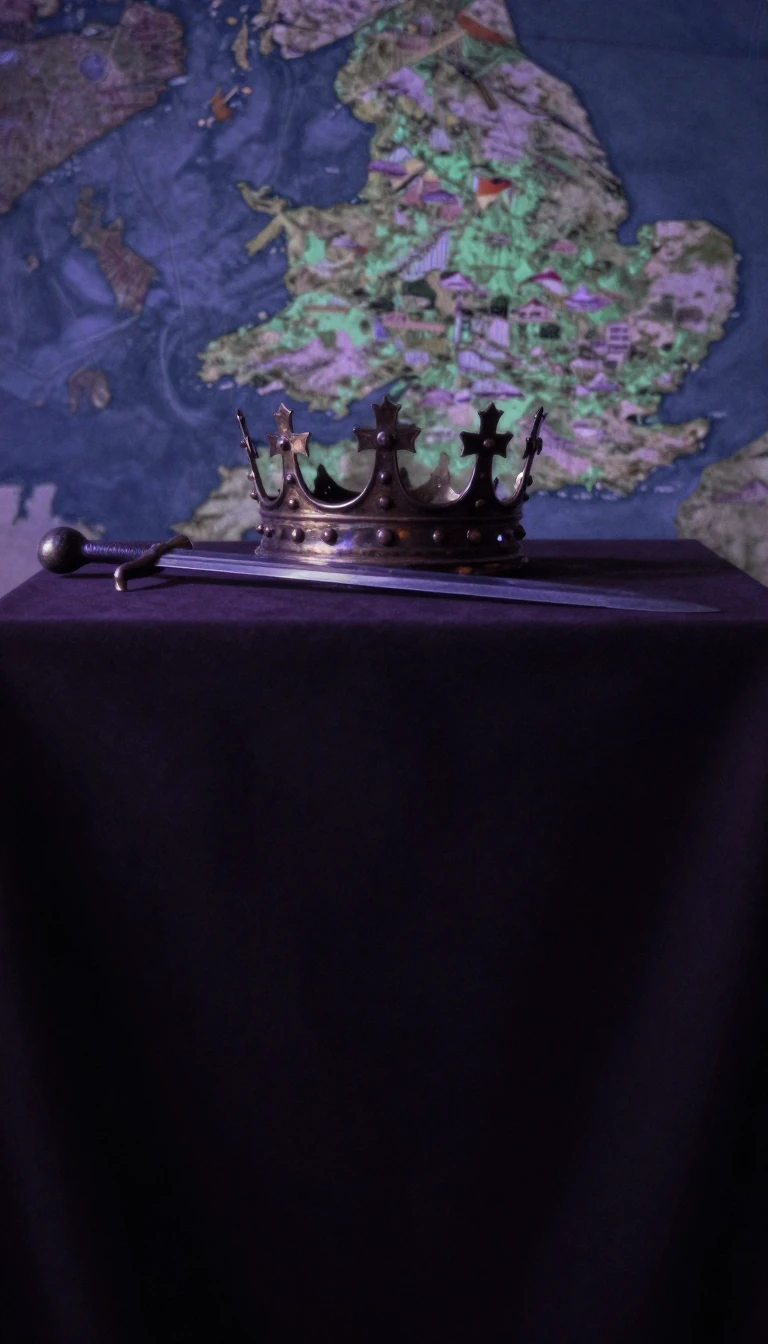 For a few Viking years, England, Denmark and Norway shared one kingBetween 1013 and 1042, England, Denmark and Norway were mostly ruled as one realm held together only by the sea. At its peak under Cnut the Great, from 1028 to 1035, only the Holy…