 Intellect Plus
Early modern
399 cards. Each one is a 40-second story with a five-minute read behind it. Page 7 of 7.
 Joseon held the Korean peninsula for 505 yearsJoseon, or Great Joseon State, was a Korean dynasty lasting 505 years after General Yi Sŏnggye’s late-fourteenth-century coup against collapsing Goryeo. Neo-Confucianism became st…
 Kazakh Khanate rose about 1465 on post-Golden Horde steppeThe Kazakh Khanate was a Central Asian nomadic state from roughly 1465 into the early nineteenth century, emerging from Jochid and Uzbek fractures. By the late fifteenth and sixte…
 Shaybanids founded Bukhara’s khanate in 1501From 1501 to 1785 an Uzbek court ruled Central Asia from Bukhara under Muhammad Shaybani’s Abu’l-Khayrid line, advertising Genghisid credentials. He took Samarkand, Bukhara, Tashk…
 Russia conquered the Tatar Kazan Khanate in 1552Between 1438 and 1552 a Tatar polity on old Volga Bulgaria ground faced Muscovy until the 1552 conquest. As a Golden Horde splinter it covered lands of modern Tatarstan and nearby…
 Kongo’s royal house began around 1390 from a political marriageCentral Africa’s Kongo realm covered slices of northern Angola, western Congo, and Congo-Brazzaville. From about 1390 to 1862 it stood independent, then drifted through Portuguese…
 Worcester in 1651 closed England's civil wars with Parliament victoriousFrom 1642 to 1651, Royalists and Parliamentarians fought across England in wars nested inside the wider Wars of the Three Kingdoms. The first war ended in June 1646 with Charles I…
 Norse reached Newfoundland around 1000; Spain and Portugal split the world in 1494Large-scale European colonization of the Americas ran mainly from the late fifteenth century into the early nineteenth. Norse settlers had already planted Greenland and a brief fo…
 British colonists ran out of king names, so they named this war after enemiesThe French and Indian War of 1754 to 1763 pitted Britain against France, each with Indigenous allies, across North America. Europeans fold it into the Seven Years' War, but Americ…
 France built two empires and had lost most of the first by 1814The French colonial empire gathered overseas colonies, protectorates and mandates from the sixteenth century onward. Historians separate a first empire, largely lost or sold by 18…
- France's debt was lower than Britain's, yet its tax chaos toppled a kingThe French Revolution ran from the Estates General of 1789 to Bonaparte's coup on 9 November 1799. Its trigger was less the size of the state's debt, which was modest beside Brita…
 An unknown general took 150,000 prisoners in Italy within a yearThe French Revolutionary Wars of 1792 to 1802 set revolutionary France against Britain, Austria, Prussia, Russia and others. A mass conscript army carried French rule into Italy, …
 France's religious wars killed between two and four million peopleBetween 1562 and 1598, French Catholics and Protestant Huguenots fought a string of civil wars that cost two to four million lives through violence, famine and disease. Peace came…
 Nobody knows where the Funj came from, yet they ruled Sudan for three centuriesThe Funj Sultanate, also called Sennar or the Blue Sultanate, was an Islamic kingdom across today's Sudan and parts of Eritrea and Ethiopia. Sultan Amara Dunqas founded it in 1504…
 Rice prices rose sixfold as Bengal starved under split ruleThe Great Bengal famine of 1769 to 1770 hit Bengal and Bihar, touching some thirty million people, about a third of the region's population. It struck while the East India Company…
 Poltava in 1709 broke Sweden's Baltic supremacy and launched Russia's riseFrom 1700 to 1721, a coalition led by Peter I's Russia ended Swedish dominance across northern, central and eastern Europe. The young Charles XII won brilliantly at first, but aft…
 Only a quarter of the Empire's troops actually faced the Turks in 1695From 1683 to 1699 the Ottoman Empire fought a papal-backed Holy League that joined the Habsburg-led Empire with Venice, Poland-Lithuania, Hungary and Russia. It ended at Karlowitz…
- Dzungars were the last great Oirat steppe empireThe Dzungar Khanate, last nomadic empire of Oirat Mongols, once reached from southern Siberia to Tibet and from western Mongolia to the Great Wall's approaches. Around 1620 Oirats…
 Early modern is a European timeline stretched worldwideHistorians roughly bracket 1500 to 1800 as early modern, a hinge between medieval and modern framed first for Europe. Starting guns vary—printing in the 1440s, Constantinople's 14…
 Eighty years of revolt forged the Dutch RepublicFrom about 1566–1568 to 1648, rebels in the Habsburg Netherlands fought Spanish rule over religion, taxes, centralization, and privilege. Mutinies, William of Orange's leadership,…
 Enclosure fenced commons and erased customary rightsIn English land law, enclosure meant taking waste or common land into private bounds and stripping commoners of their traditional rights of access. Owners preached agricultural ef…
 Counter-Reformation began as a German historian's jabCatholic revival after the Protestant break is often dated from the Council of Trent (1545–1563) to the 1648 end of Europe's religious wars. German scholars coined Gegenreformatio…
 Russia annexed the Crimean Khanate in 1783Hacı I Giray founded a Crimean Tatar khanate in 1441 that Europeans once mapped as Little Tartary. At its sixteenth-century peak it stretched from Bessarabia to the North Caucasus…
 Five Deccan sultanates shared Bahmani coins and rivalsAfter the Bahmani Sultanate fractured, five Persianate Muslim kingdoms ruled the plateau between the Krishna and the Vindhyas—Ahmadnagar, Bijapur, Bidar, Berar, and Golconda. Riva…
 The Dutch got rich on Baltic grain more than Asian spiceFrom the Dutch Republic's 1588 birth to the disaster year 1672, the Netherlands punched far above its size in shipping, finance, and culture. The spice trade made headlines, but t…
 Asante means “because of war” against Denkyira rivalsThe Asante Empire, an Akan state in today’s Ghana, lasted from 1701 to 1901–1902 and stretched into Ivory Coast and Togo. Osei Tutu and adviser Okomfo Anokye unified it around the…
 Atlantic slavery filled a labor gap disease and conquest had openedThe Atlantic slave trade shipped enslaved Africans to the Americas on European and New World vessels, often via the triangular route’s Middle Passage. After Australia, the America…
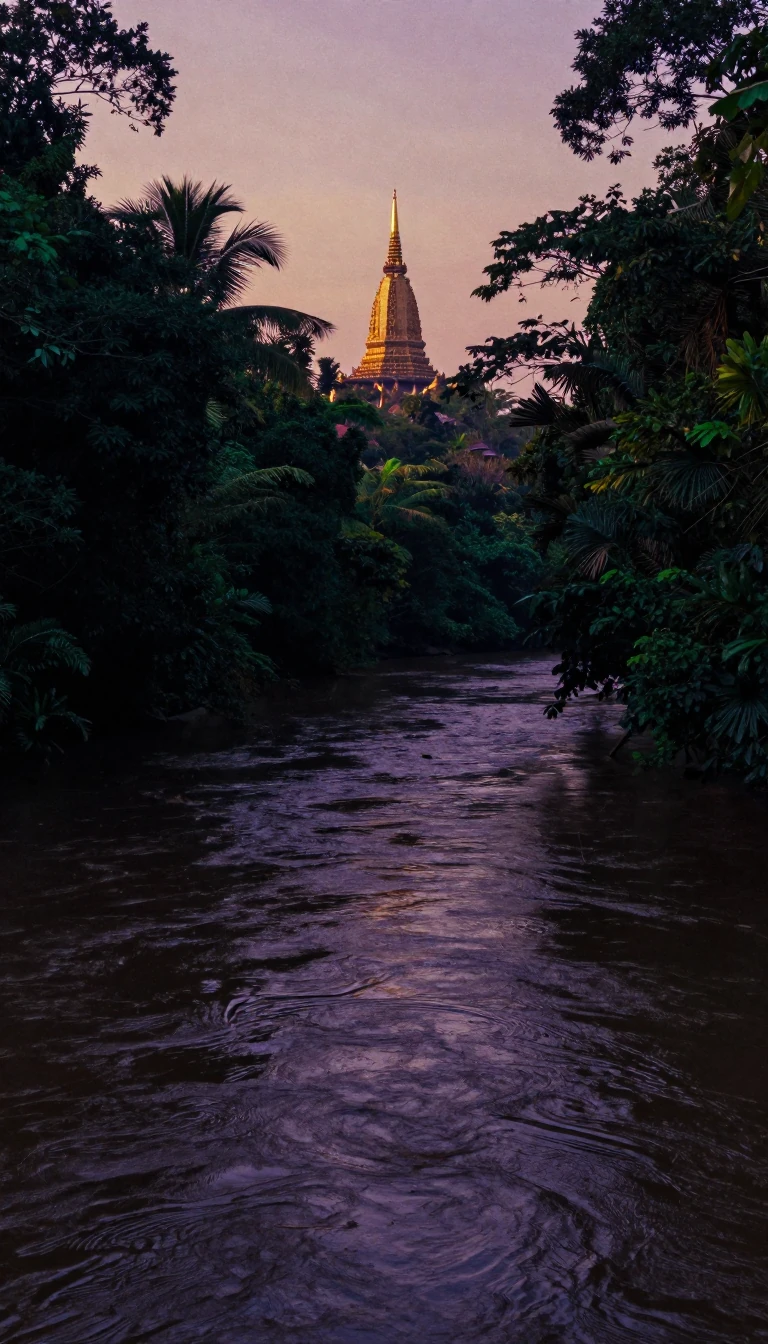 Ayutthaya ruled Siam for four centuries before Burma burned itThe Ayutthaya Kingdom centered on its namesake city in today’s Thailand from 1351 to 1767. Early sixteenth-century Europeans ranked it among Asia’s three great powers. Succession …
 Sobieski’s relief broke the 1683 Ottoman siege of ViennaOn 12 September 1683, after two months of Ottoman siege, Holy Roman and Polish–Lithuanian armies under King John III Sobieski smashed the attackers at Kahlenberg Mountain. Histori…
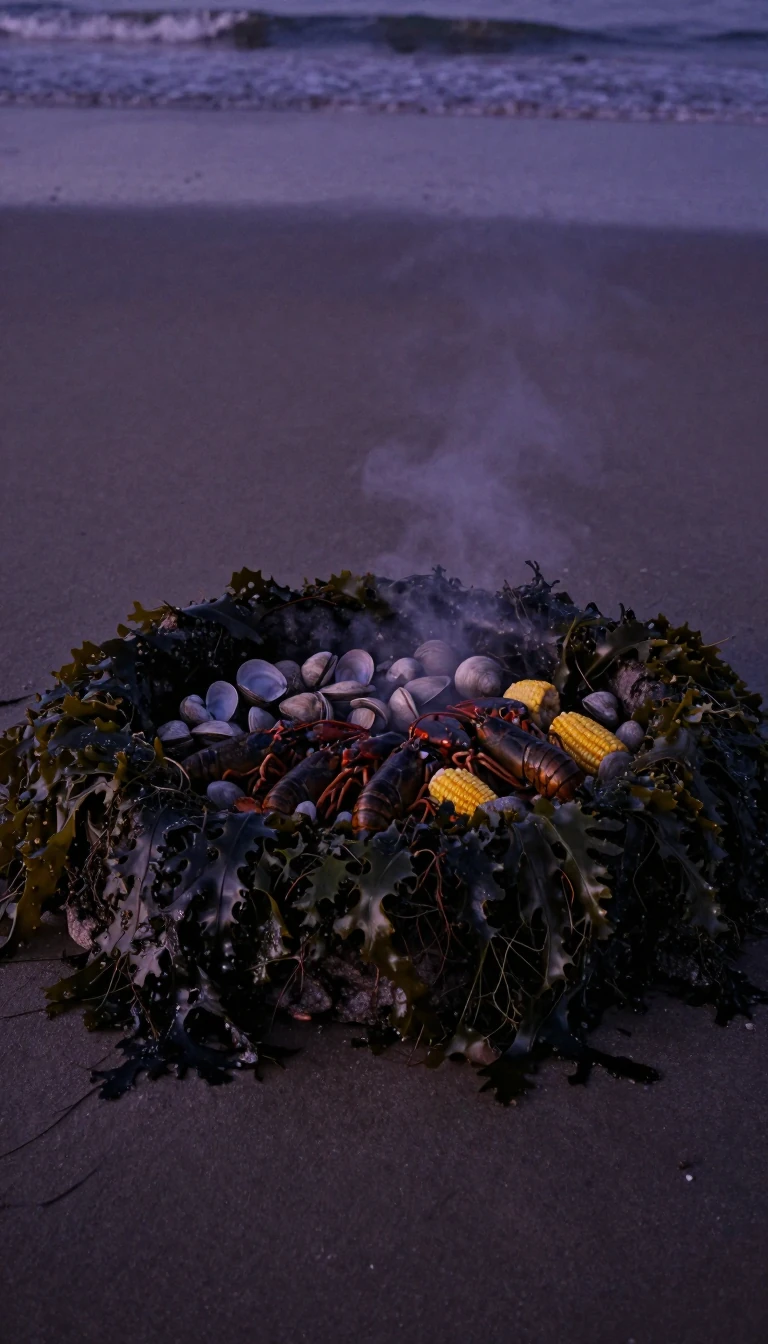 English America began with failures before lasting colonies stuckBritish colonization of the Americas covers English, Scottish and, after 1707, British settlement, beginning with failed late-sixteenth-century ventures and running alongside the …
- Colonization means sending people to live in and govern elsewhereColonization is the act of sending people to inhabit and rule another country; settlement is sometimes used as a synonym. Settler colonialism lets newcomers dominate while the met…
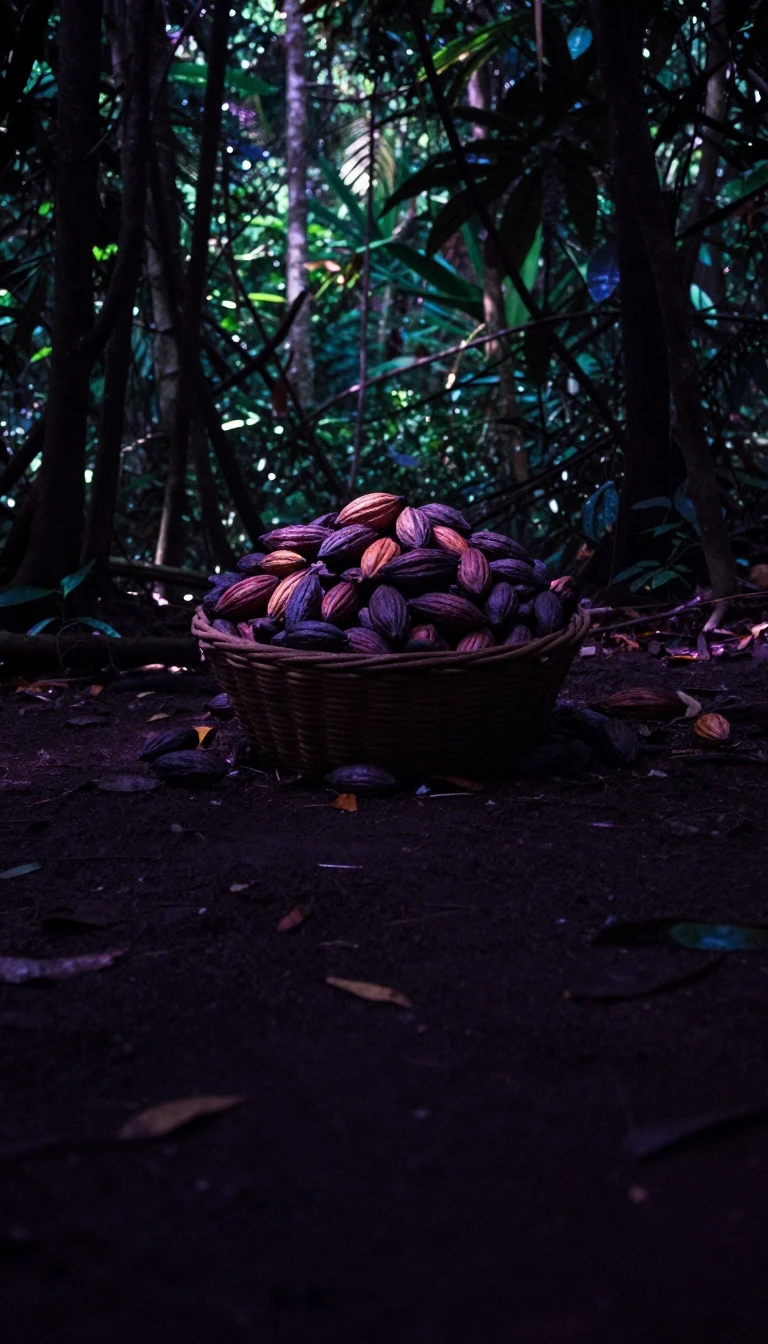 Alfred Crosby named the Columbian exchange only in 1972After 1492, plants, animals and microbes surged between the Americas and Afro-Eurasia in what is called the Columbian exchange. Historian Alfred W. Crosby coined the phrase in a 1…
 Khmelnytsky’s 1648 rising built a Cossack state on the DnieperThe Cossack Hetmanate, officially the Zaporozhian Host, was a stratocratic state in Dnieper Ukraine born from Bohdan Khmelnytsky’s 1648 uprising. The 1649 Treaty of Zboriv recogni…
 Cossack meant free man before it meant imperial cavalryCossacks emerged as East Slavic, Orthodox frontier warriors on the Pontic–Caspian steppe of Ukraine and southern Russia. Polish–Lithuanian and Russian rulers traded privileges for…
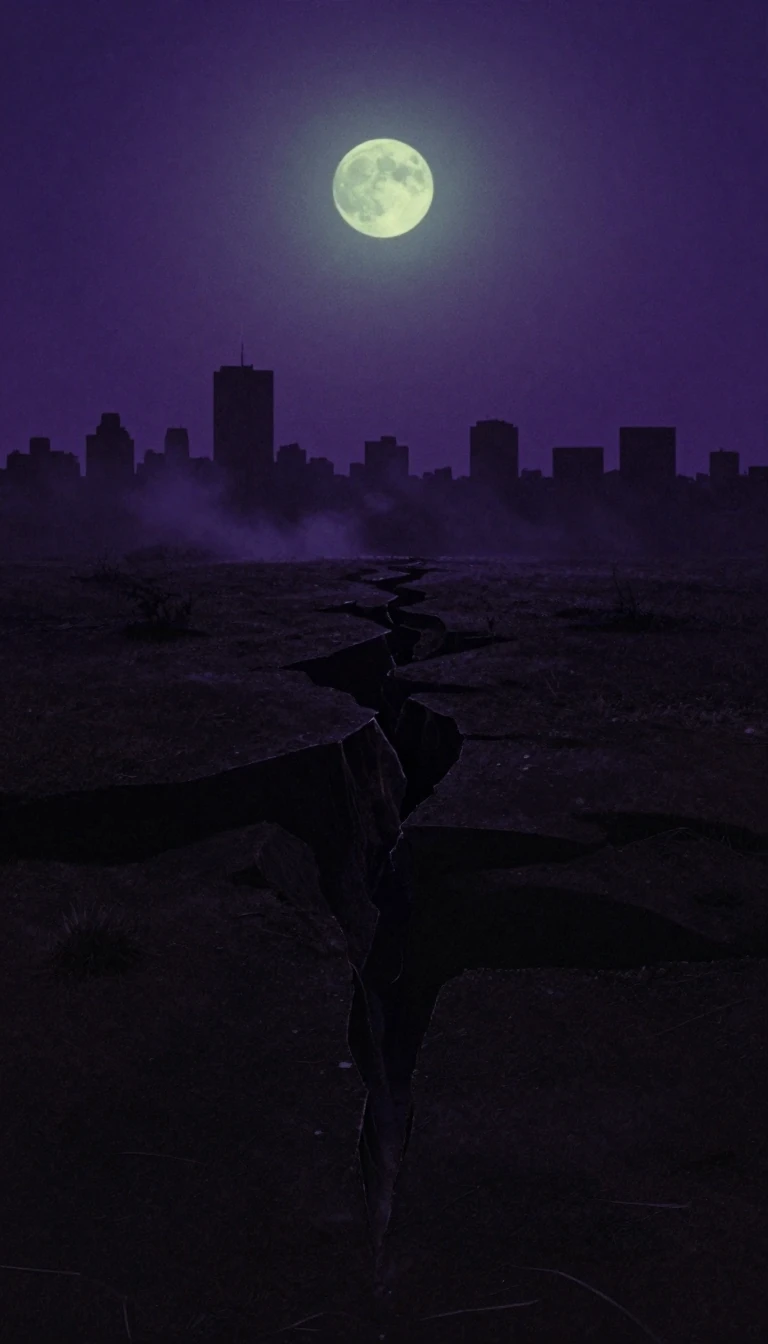 Loess cave homes turned a Ming morning into mass burialBefore dawn on 23 January 1556, Huaxian in Shaanxi shook under the Jiajing Emperor's reign. Residents slept in yaodong cliff caves that collapsed inward; modern Chinese estimates …
 All Saints Day tremors birthed seismology and remade LisbonOn 1 November 1755, a great quake struck the Iberian Peninsula and northwest Africa during All Saints observances. Fires and a tsunami followed, killing tens of thousands in Lisbo…
- Fifteenth-century sails rewired continents, trade, and mapsBetween about 1418 and 1620, European mariners linked once-separate regions into a world-system. Portuguese routes to India, Spanish crossings of the Atlantic and Pacific, and lat…
 Reason, print, and academies rewired Europe's mind in the 1700sThe Enlightenment blossomed from late seventeenth-century Europe, peaking in the eighteenth as ideas crossed the Atlantic and Oceania. Built on the Scientific Revolution, it prize…
- Tax quarrels after 1763 grew into a written federal republicFrom 1765 to 1789 a political movement in Britain's thirteen colonies evolved from protest into revolution and a new United States. Wartime taxes, local self-rule traditions, and …
 Trade rivalry turned North Sea neighbors into four naval warsBetween 1652 and 1784 England and the Dutch Republic fought four conflicts, mostly at sea. Seventeenth-century clashes turned on commerce and colonies; by the fourth war Britain's…