 Intellect Plus
History by country
135 cards. Each one is a 40-second story with a five-minute read behind it. Page 3 of 3.
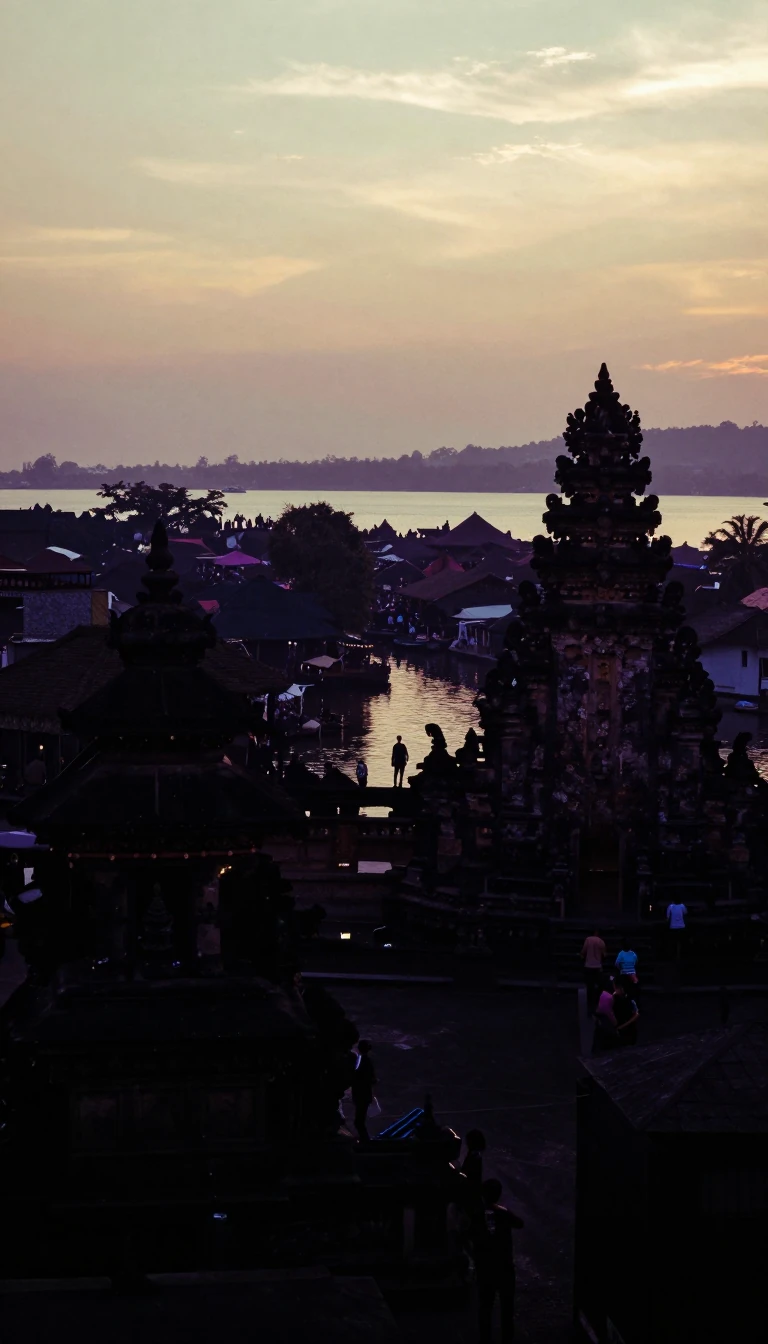 Teotihuacan once ranked among the world’s largest citiesMesoamerica alone in the Americas invented Indigenous writing before Europeans arrived. Five great civilizations—Olmec, Maya, Teotihuacan, Toltec, and Aztec—set the political weat…
 Jebel Irhoud holds the oldest known Homo sapiens fossilsRemains from Jebel Irhoud, redated in 2017, are at least 300,000 years old—the earliest Homo sapiens yet found. Morocco’s later story runs from Phoenician ports through Berber Mau…
 Africa’s oldest known boat was dug from Nigerian clayNear Lake Chad’s edge, the Dufuna canoe dates to about 6300 BC—the oldest boat yet found in Africa and the second oldest worldwide. Long before oil or independence, the land that …
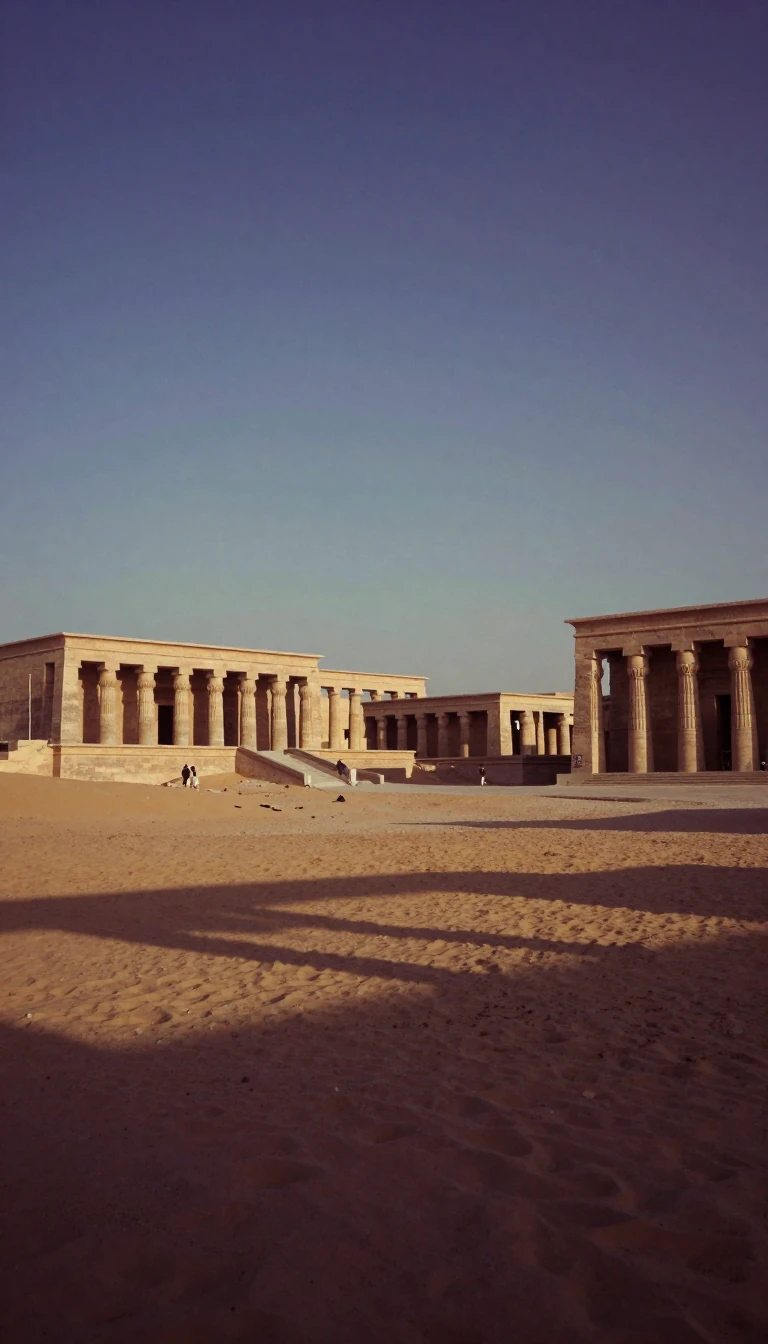 Afghanistan was the ancient world’s roundaboutOn the Silk Road, this land sat where empires crossed. Paleolithic tools and a Neanderthal bone fragment suggest people here by about 52,000 years ago. Ahmad Shah Durrani’s 1747 e…
 Argentina grew from a silver road without goldFour eras frame its past: pre-Columbian life, Spanish colonial rule from 1536, nation-building after 1810, and modern Argentina from about 1880. On the Río de la Plata, Buenos Air…
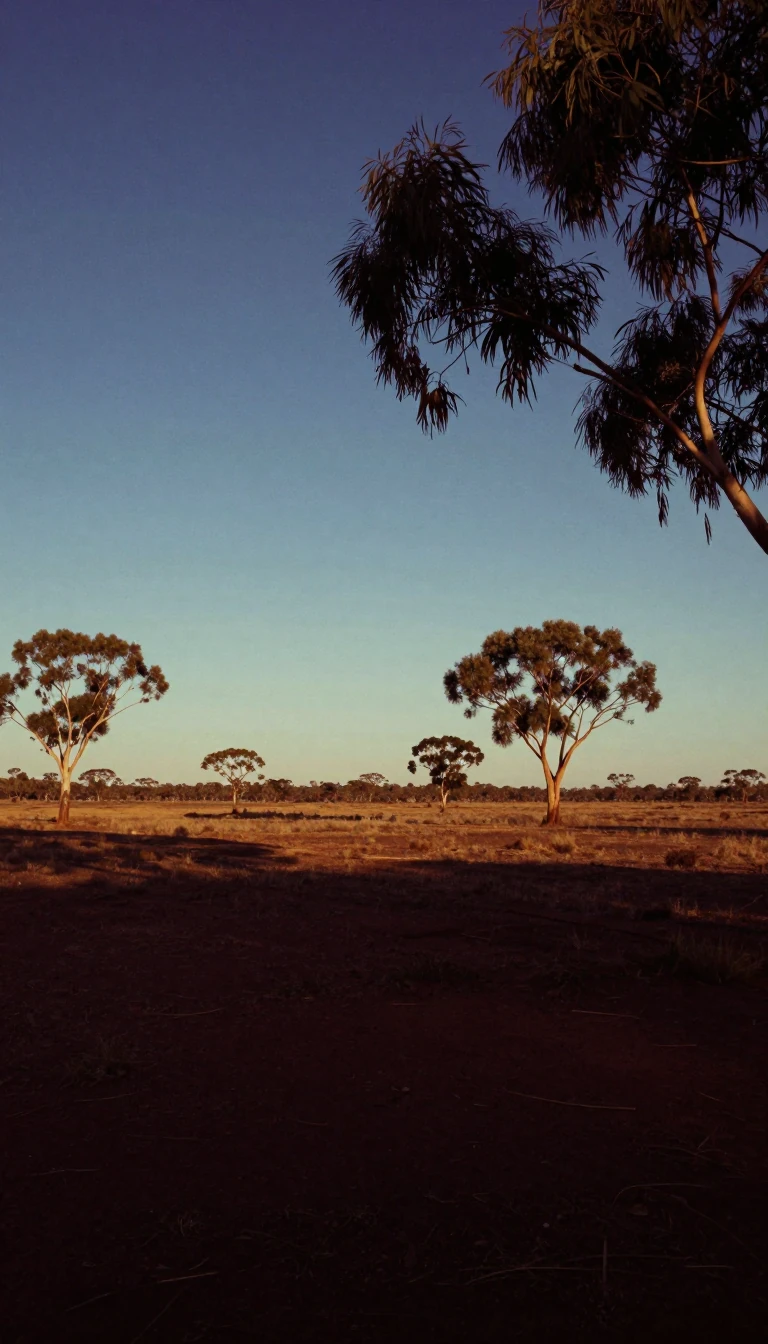 Australia's deepest history outlasts its youngest federationThe Commonwealth formed on 1 January 1901 from six British colonies, yet the first Australians crossed from ice-age Southeast Asia by land bridges and short sea hops tens of thous…
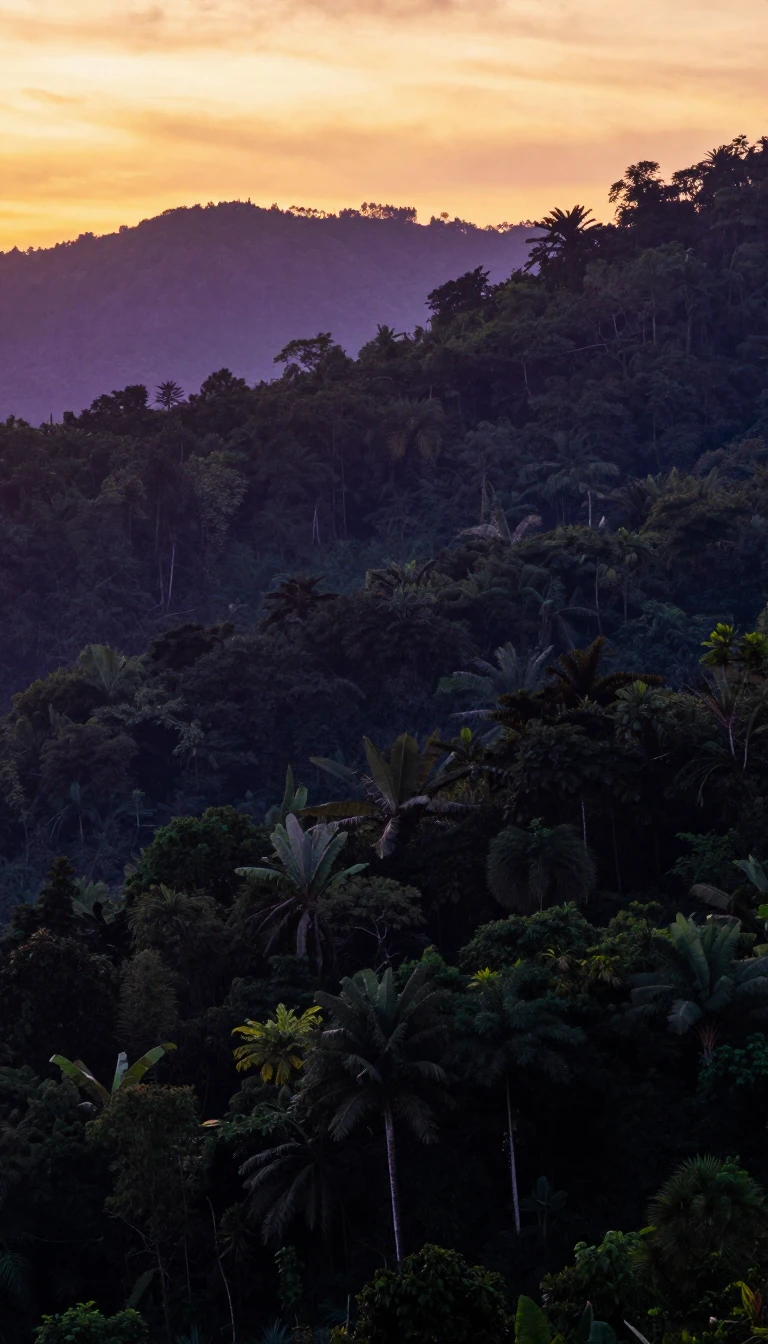 Brazil grew from dye trees to a continental empirePortuguese explorer Pedro Álvares Cabral reached these shores on 22 April 1500 en route to India. Indigenous nations had lived here for millennia; Luzia Woman's remains suggest ha…
 Canada’s name stuck before the country didJacques Cartier claimed Gaspé for France in 1534; the label “Canada” soon marked the St. Lawrence colony. Confederation in 1867 joined Canada, New Brunswick, and Nova Scotia into …
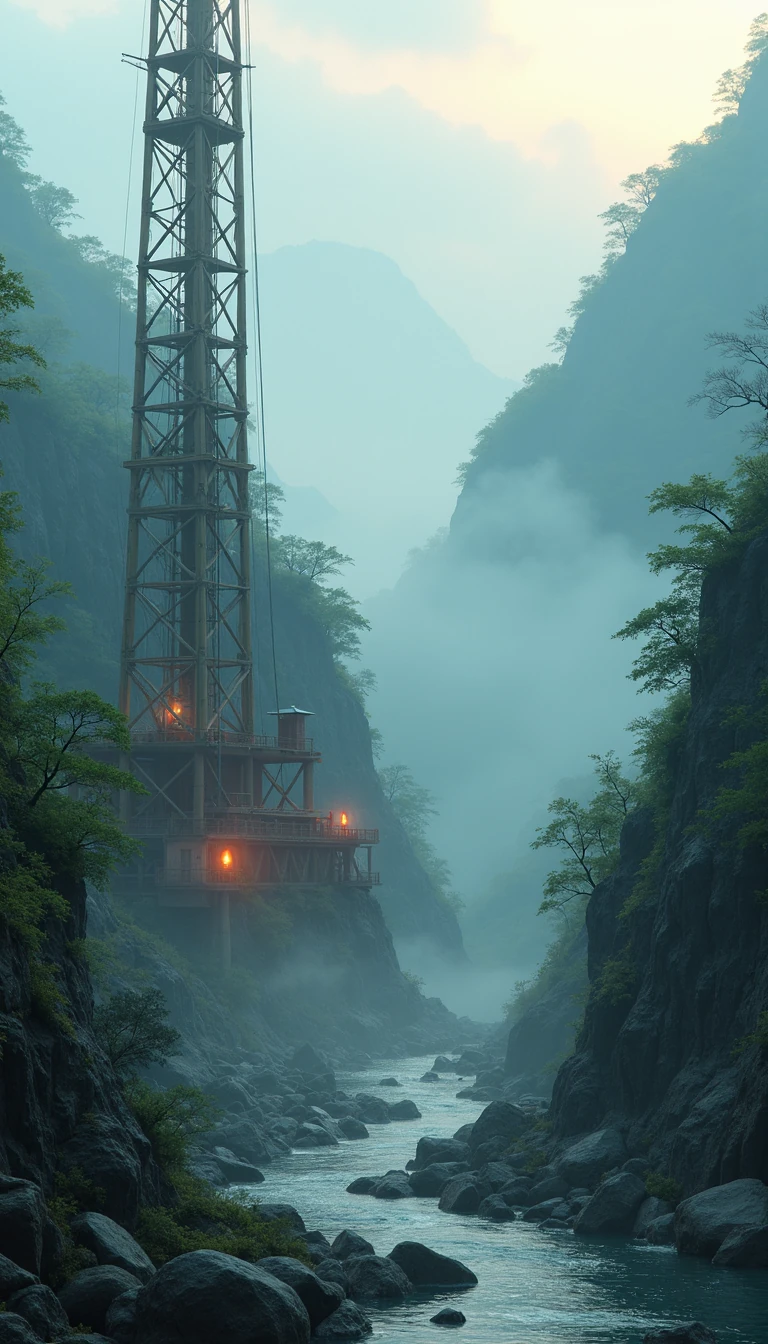 China’s first hard history is written on boneChinese history gains its first firm written anchor with Shang oracle bones carved around 1250 BCE. Qin Shi Huang forged a centralized empire in 221 BCE, after which dynasties ros…
 Bogotá began as a Muisca village renamedSpanish expeditions reached Colombia in 1499. In August 1538 Jiménez de Quesada founded Santa Fe de Bogotá on the Muisca site of Bacatá. Independence crystallised after Bolívar’s …
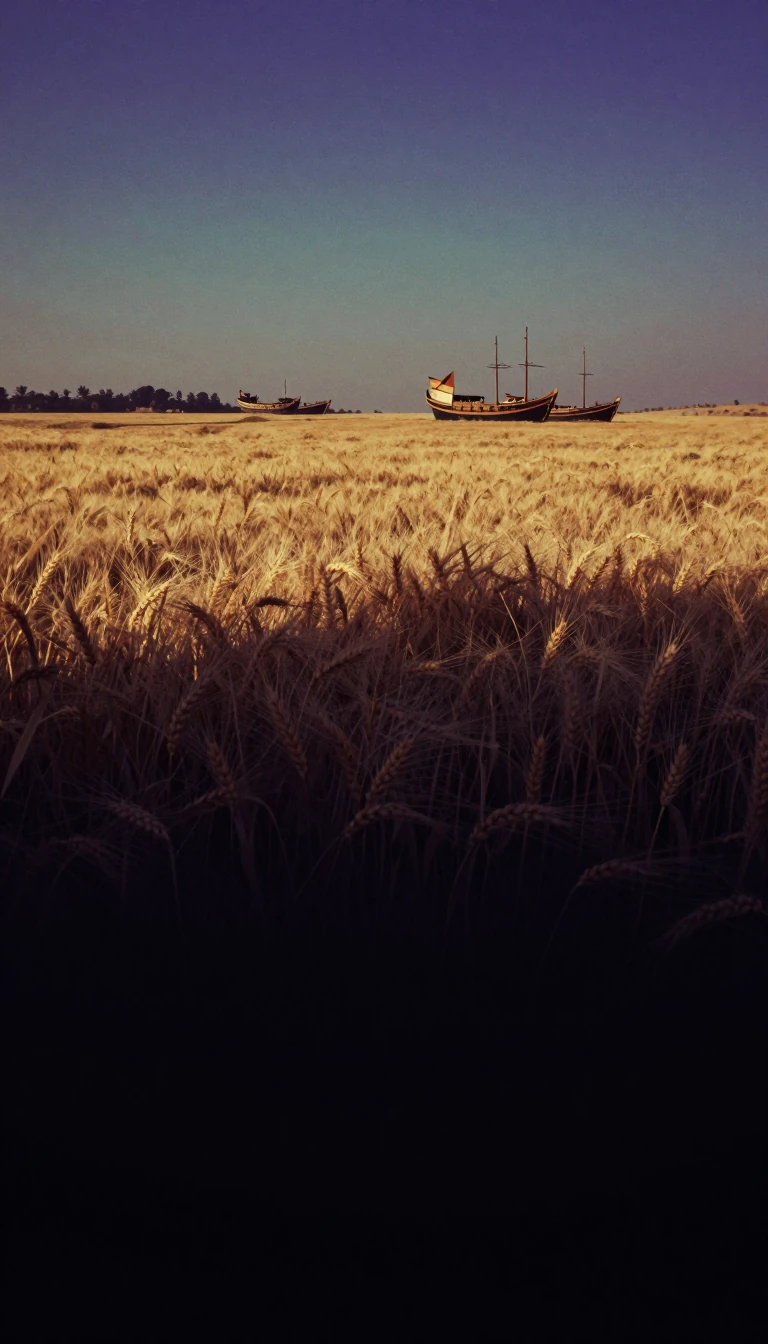 Egypt unified around 3150 BCE under NarmerKing Narmer traditionally fused the Two Lands about 3150 BCE, launching pharaonic civilization along the Nile. Pyramids of the Old Kingdom followed. Persians, Greeks, Romans, Arab…
- Aksum ranked among antiquity’s four great powersThe Persian teacher Mani listed Axum with Rome, Persia, and China. King Ezana made Christianity the state religion in the early fourth century. Long before, Egyptian records of Pu…
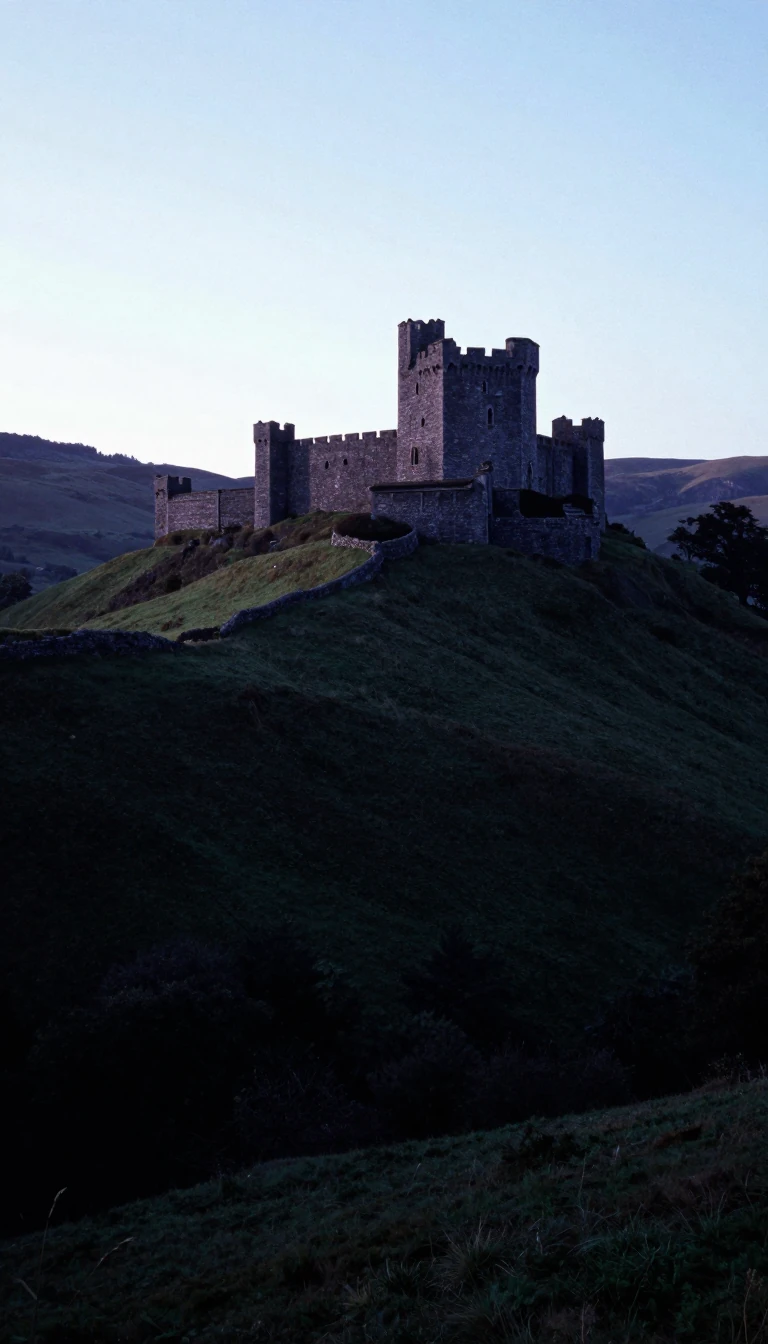 France grew from Gaul to Capetian powerRome knew the land as Gaul; Caesar conquered it in 58–51 BCE. Clovis united most of it under the Franks. Capetian kings, after Philip II’s 1214 Bouvines victory, made medieval Fra…
 Rome named Germania; Germans stopped the empireJulius Caesar called land east of the Rhine Germania. Arminius wrecked Varus's legions in the Teutoburg Forest, freezing Rome's frontier for good. Otto I became the first Holy Rom…
 Greece’s Bronze Age ended in palace collapseMinoan Crete and Mycenaean palaces lit the Aegean before the Late Bronze Age collapse around 1100 BCE. Apidima Cave holds modern human remains about 210,000 years old—the oldest k…