 Intellect Plus
History by country
135 cards. Each one is a 40-second story with a five-minute read behind it. Page 2 of 3.
 How a Thai construction magnate became the nation’s 32nd prime ministerAnutin Charnvirakul, an engineer turned politician, rose to Thailand’s premiership in 2025 following a period of intense political instability. Known for steering the country thro…
 The deadliest shooting rampage in Canadian history was committed by a man impersonating police.In April 2020, Gabriel Wortman terrorized Nova Scotia for thirteen hours, killing 22 people while driving a replica RCMP cruiser. The rampage, which began in the rural community o…
 Why the Allies invaded a neutral nation to secure a vital railway in 1941In August 1941, British and Soviet forces launched a surprise, multi-pronged invasion of neutral Iran. Codenamed Operation Countenance, the offensive aimed to secure critical oil …
 The six-month-old king who lost a throne before he could walkIn 1952, a revolution swept across Egypt, toppling the Muhammad Ali dynasty. The infant heir, Fuad II, was proclaimed King of Egypt and Sudan at just six months old. He would reig…
 How a coalition of unionists and liberation theologians built Brazil's most influential political forceLaunched in 1980 by a diverse group of activists, trade unionists, and Catholics, the Workers' Party transformed from a radical socialist movement into Brazil's dominant political…
 How a medieval kingdom pioneered parliamentary democracy and survived Viking raids in northern SpainFounded in 910, the Kingdom of León was a powerhouse of the Iberian Peninsula. It navigated civil wars, repelled Viking invasions, and fostered a unique cultural synthesis of Visi…
 How a former venture capitalist became the architect of Greece's modern digital stateKyriakos Mitsotakis transitioned from a career in international banking and private equity to lead Greece as Prime Minister. By applying private-sector management principles to pu…
 How a fictionalized 1944 novel became a Broadway legend about a Siamese KingThe King and I began as a challenge to turn a disjointed 1944 novel into a coherent musical. Despite initial doubts about the star's vocal range and the show's exotic subject matt…
 Could the Soviet Union have defeated Nazi Germany without American Lend-Lease supplies?Between 1941 and 1945, the United States funneled $50.1 billion in aid to Allied nations. While often framed as a simple loan of equipment, the program fundamentally shifted Ameri…
 How a bloodless coup ended China's most radical political eraIn October 1976, following the death of Mao Zedong, a sudden, efficient operation dismantled a powerful political faction. Known as the Gang of Four, these four officials held imm…
 A tiny mountain refuge in northern Spain birthed a kingdom that defied Islamic conquest.Beginning with a skirmish in a remote cave, the Kingdom of Asturias emerged as the first Christian power to challenge Umayyad rule in the Iberian Peninsula. Over two centuries, th…
 How a daring cliffside climb and a fatal gamble secured British control of CanadaJames Wolfe was a career soldier whose relentless drive for military perfection defined his short, meteoric life. From his early commissions to his final, desperate gamble at Queb…
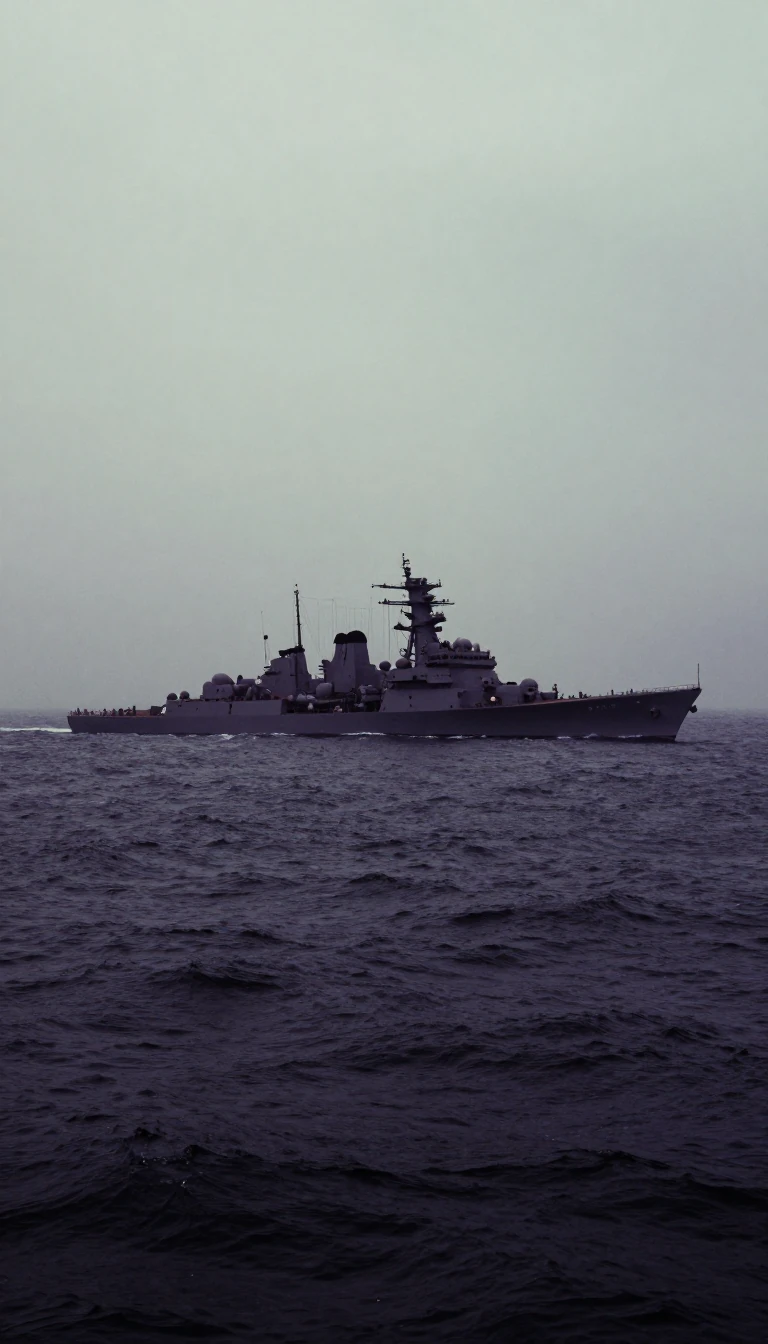 The Yamato was the most powerful battleship ever built, yet she barely saw combat.Commissioned days after Pearl Harbor, the Yamato and her sister ship Musashi were engineering marvels of the Imperial Japanese Navy. Despite carrying the largest guns ever mounted…
- How a self-described little guy from Shawinigan reshaped the Canadian constitution and nationhoodJean Chrétien rose from a working-class childhood in Quebec to serve as Canada's 20th prime minister. Known for his resilience and blunt political style, he navigated the country …
 Why Japan's giant monster films are more than just mindless destructionKaiju, the Japanese term for strange beasts, evolved from ancient legends into a sophisticated cinematic language. While Western audiences often view these films as simple monster…
 Was the Kingdom of Judah a powerful state or a collection of rural villages?For centuries, the Kingdom of Judah has been defined by biblical narratives of a grand monarchy. Yet, modern archaeology reveals a more complex, contested reality. From debates ov…
 The Hashemite Kingdom of Iraq: A Sovereign State Built on Shifting SandsEstablished in 1921 following the collapse of the Ottoman Empire, the Kingdom of Iraq was a state defined by formal independence and persistent British influence. For nearly four …
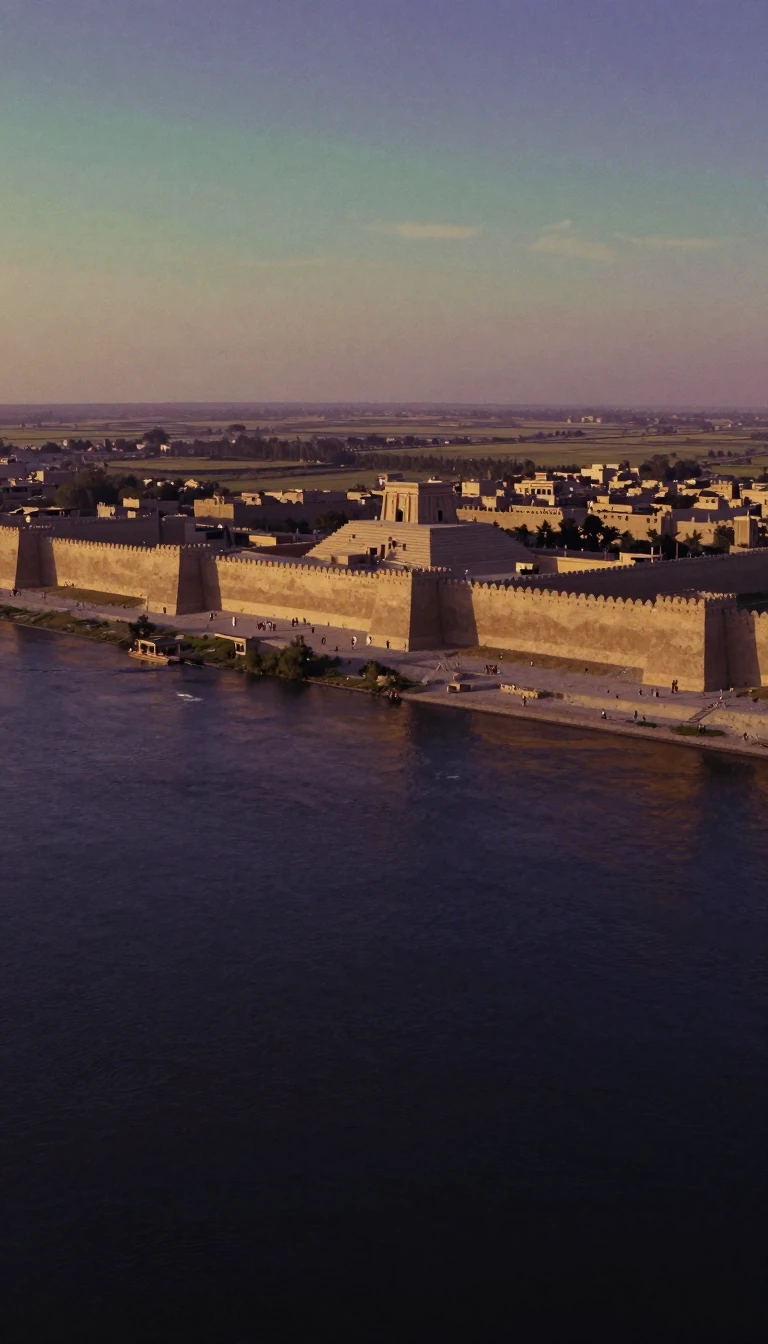 Beyond the Nile: Uncovering the deep, complex history of the Sudanese land and peopleThe name Sudan originates from an Arabic phrase meaning land of the black people, yet the region’s history spans far wider than a single label. From ancient Nubian kingdoms and th…
 From Paleolithic land bridge to global tech hub: the complex evolution of TaiwanTaiwan’s history is a layered narrative of indigenous roots, colonial ambitions, and rapid modernization. Before becoming a global economic powerhouse, the island served as a Pale…
 Ukraine's history is a complex tapestry of ancient migrations, medieval empires, and persistent resilience.From the earliest hominin tools in Europe to the rise of Kievan Rus' and the Cossack Hetmanate, Ukraine has served as a pivotal crossroads for Eurasian civilizations. This history…
 How a Cold War monitoring group became a global human rights powerhouseFounded in 1978 to track Soviet compliance with the Helsinki Accords, Human Rights Watch has evolved into a massive international watchdog. By trading mass membership for crisis-d…
 A Danish prince became Greece's longest-reigning monarch, only to be assassinated in Thessaloniki.Elected at age 17, George I navigated a half-century of territorial expansion, political instability, and shifting European alliances. Though he transformed Greece into a modern c…
 Why Greece’s debt crisis was a balance of payments trap, not just fiscal mismanagement.The Greek debt crisis was not merely a story of overspending. It was a structural collapse triggered by the Great Recession, where a nation trapped in the eurozone could not deval…
 The Heisei Era: Three Decades of Economic Turbulence, Cultural Influence, and Imperial TransitionSpanning from 1989 to 2019, the Heisei era redefined Japan. It began with a record-breaking economic bubble and ended with a historic imperial abdication. Between these milestones…
 Eridu: The ancient Mesopotamian city that Sumerian tradition calls the world's firstLong before the rise of empires, Eridu emerged as a sacred hub in southern Mesopotamia. Traditionally cited as the oldest city in the region, it grew around a temple dedicated to …
 How a failed colonial union birthed the modern state of Malaysia in Southeast AsiaBorn from the ashes of a rejected British colonial project, the Federation of Malaya emerged in 1948 as a complex political experiment. It balanced traditional Malay sovereignty w…
 The Five-Star Red Flag: A Symbol of Revolution and Unity in Modern ChinaAdopted in 1949, China's national flag is more than a patriotic emblem. Its vivid red field and golden stars represent a specific political vision of unity under the Chinese Commu…
 Portugal's national flag was a radical political statement born from a 1910 revolutionAdopted after the 1910 overthrow of the monarchy, Portugal's flag replaced traditional royal blue and white with revolutionary red and green. While these colors were later given p…
- How India’s massive social security agency manages retirement for millions of formal sector workersThe Employees' Provident Fund Organisation is a cornerstone of India's social security, overseeing retirement funds for millions. From its origins in post-independence legislation…
 How a Military Coup Accidentally Created Brazil's Longest-Running Oligarchic RepublicIn 1889, a marshal launched a coup intending only to replace a cabinet, but he accidentally toppled the monarchy. This birthed the First Brazilian Republic, a volatile era defined…
 Why Colombia’s national flag was inspired by a conversation with a German philosopherThe vibrant yellow, blue, and red of the Colombian flag are more than just national symbols. They trace back to a 1785 meeting between Francisco de Miranda and Johann Wolfgang von…
 How Turkey transformed from an agrarian empire into a modern industrial powerhouseTurkey’s economic journey spans from the decline of the Ottoman Empire to its current status as a G20 member. By navigating state-led industrialization, a 1995 customs union with …
 How a Mumbai police constable's son became the world's most elusive global terroristDawood Ibrahim Kaskar rose from a teenager committing petty theft in Mumbai to the leader of D-Company, a sprawling criminal syndicate. Today, he is a global terrorist with a US$2…
 How the Colombian Liberal Party dominated national politics for over a centuryFounded in 1848, the Colombian Liberal Party defined the nation's political landscape alongside its Conservative rivals. From civil wars and the brutal era of La Violencia to the …
 China faces a demographic shift as its population declines and the workforce shrinks rapidly.Once the world's most populous nation, China is now navigating a historic contraction. With birth rates hitting record lows and an aging population, the country is pivoting from d…
 Ebrahim Raisi: The Cleric Who Rose From The 1988 Death Commissions To The PresidencyEbrahim Raisi was a central figure in Iran's judicial system, rising from a prosecutor during the 1988 political purges to the nation's presidency in 2021. Known as the Butcher of…
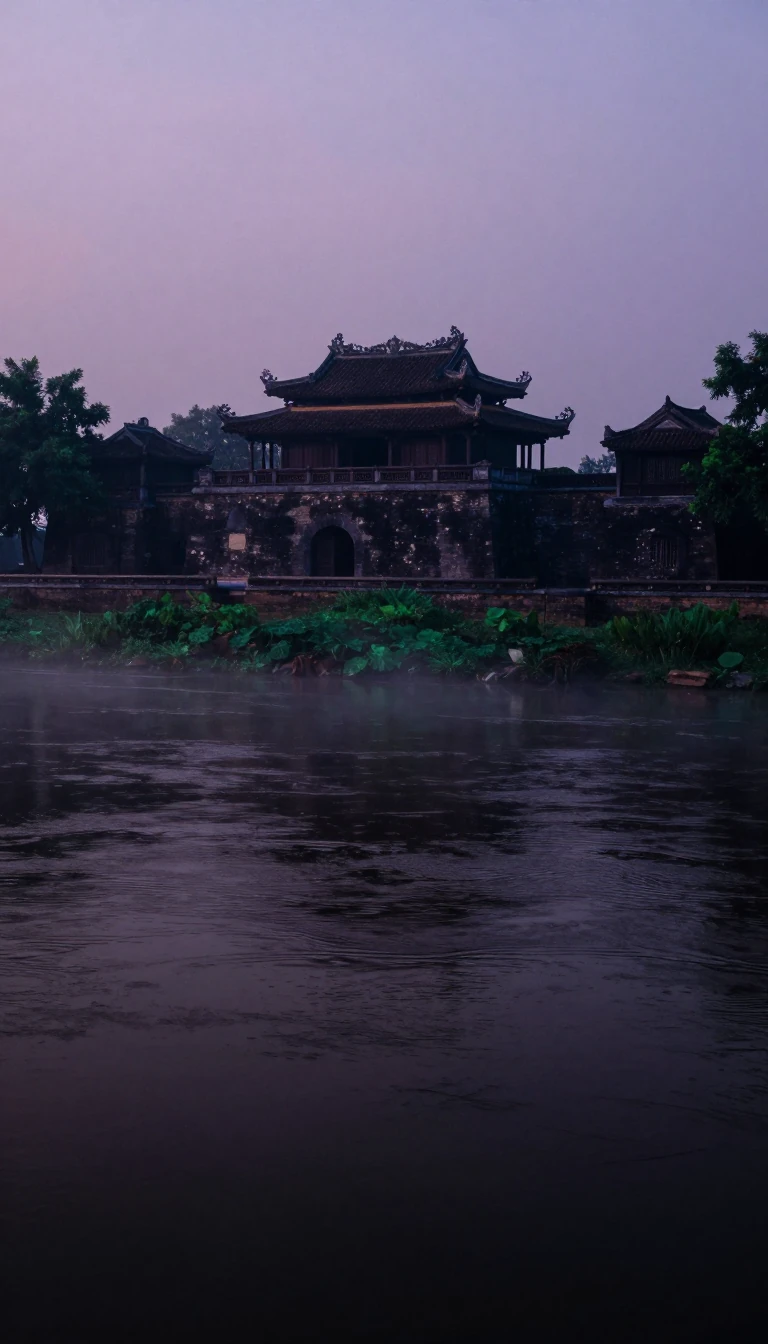 Vietnam’s deltas nurtured rice states for millenniaHunter-gatherers reached the region at least forty thousand years ago. By the first millennium BCE the Đông Sơn culture centered wet-rice chiefdoms of Văn Lang and Âu Lạc. After H…
- Mieszko’s 966 baptism marks Poland’s symbolic birthWest Slavic Polans gave Poland its name on the North-Central European Plain. Duke Mieszko I adopted Western Christianity in 966, and his son Bolesław I was crowned the first king …
 Portugal's borders froze after the Algarve fell in 1249Afonso Henriques proclaimed himself king in 1139 after Portugal split from Galicia in 1095. The Algarve was taken from Muslim rule in 1249, Lisbon became capital in 1255, and the …
 Varangians, Kiev, then Moscow gathered the Russian landsRussian chronology often starts with the Rus’ state in 862 under Varangian rulers. Prince Oleg took Kiev in 882, uniting northern and southern East Slavs. Christianity from Byzant…
 Islam’s birthplace became a kingdom only in 1932Modern Saudi Arabia unites Hejaz, Najd, Al-Ahsa, and Asir. Ibn Saud took Riyadh in 1902 and proclaimed the kingdom in 1932. Oil struck on 3 March 1938 turned desert provinces into…
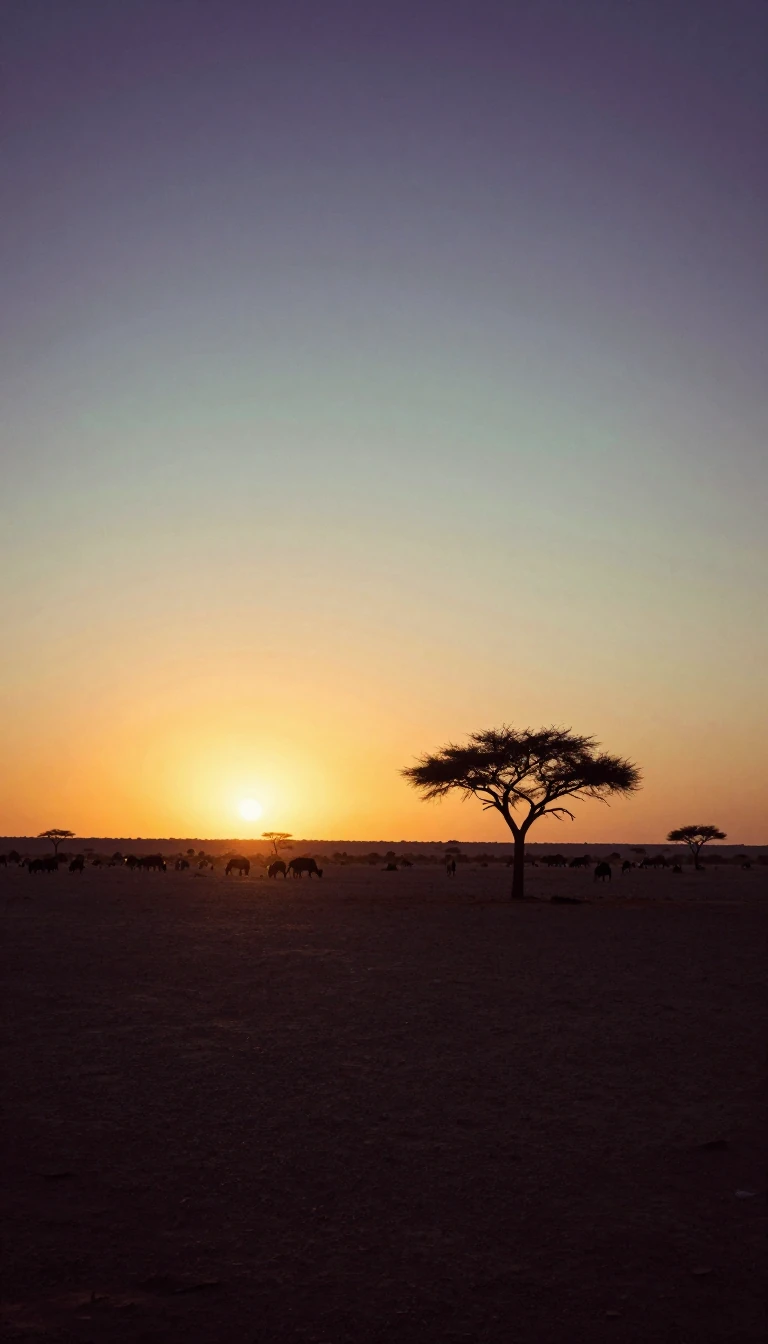 From Taung Child to apartheid’s negotiated endSouthern Africa cradled human evolution: Australopithecus finds and Klasies River modern humans about 125,000 years ago. Dutch settlers arrived at the Cape in 1652; diamonds and g…
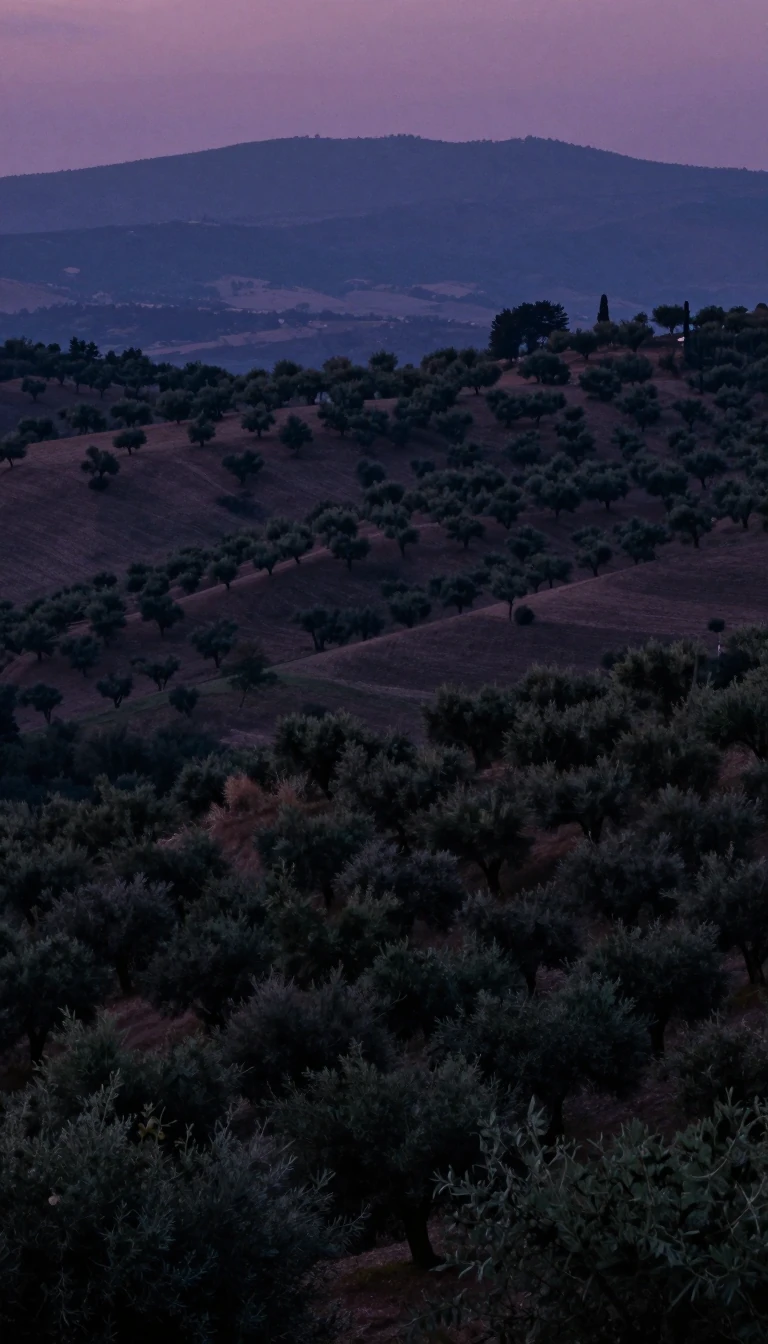 1492 fused Granada’s fall with Columbus’s first voyageRome named the whole peninsula Hispania. After Visigothic rule and the 711 Umayyad conquest, Christian kingdoms pushed back across Al-Andalus. Isabella and Ferdinand joint reign i…
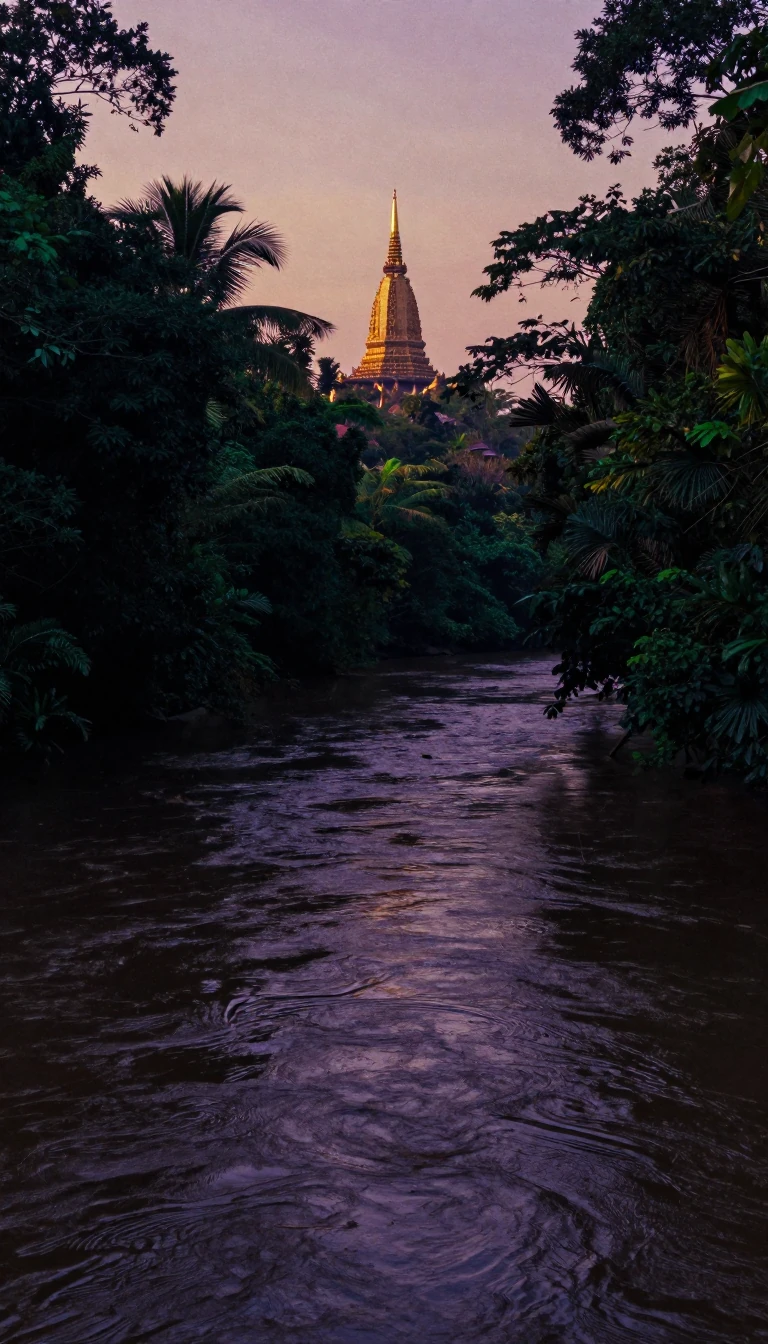 Siam stayed free while neighbors fell to empiresSpeakers of Kra-Dai languages left southern China for Mainland Southeast Asia across the eighth to tenth centuries, with a larger influx in the thirteenth as Mongol armies pressed…
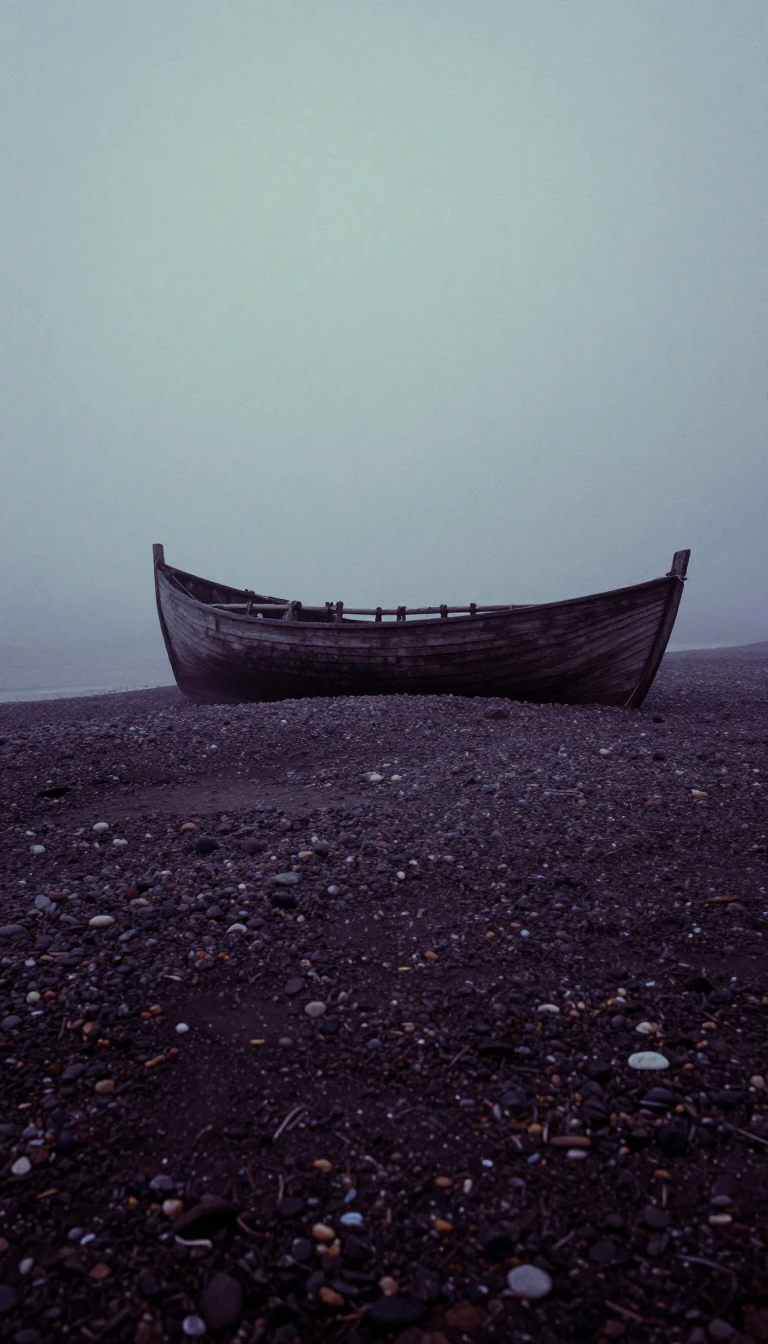 Doggerland sank—and Britain became an island foreverHumans reached the British Isles by about 900,000 years ago at Happisburgh. Continuous occupation dates from the early Holocene around 11,700 years ago. Rising seas drowned Dogger…
 Austronesians from Taiwan peopled an ancient archipelagoHominins left tools in Kalinga by 709,000 years ago; Homo luzonensis lived on Luzon by about 134,000 years. Tabon Cave holds modern humans near 47,000 years old. Seafaring Austron…
 Britain’s union began in 1707—and grew by war and financeThe United Kingdom’s story as a single state opens not with ancient kings but with 1707: England (including Wales) and Scotland fused under the Treaty and Acts of Union into Great…
 Before Jamestown, Cahokia outnumbered medieval LondonThe land that became the United States holds tens of thousands of years of Indigenous societies—today including some 575 federally recognized tribes. Long before English settlers …
 Göbekli Tepe is nearly twelve thousand years oldThe land of today’s Republic of Turkey holds some of humanity’s earliest farming and ritual sites. Göbekli Tepe is close to twelve thousand years old; Çatalhöyük and Alaca Höyük m…
- Norte Chico built America’s oldest known civilizationPeru’s story stretches some fifteen millennia along desert coast and Andes. Norte Chico, centered on Caral about 2500 BCE, is called the oldest civilization in the Americas. Inca …
 South Asia’s first cities rose beside the IndusVillage life in South Asia stretches back some nine millennia to Neolithic Mehrgarh in Balochistan; urban life about five millennia to Harappa and Mohenjo-daro. The land that is n…
 Indus cities rose—and scattered—before the VedasModern humans likely reached the subcontinent between about 73,000 and 55,000 years ago. Settled farming took root by 7000 BCE at sites such as Mehrgarh. The Indus Valley Civilisa…
 Partition built two nations—and a million dead in monthsAt midnight of 14–15 August 1947, British India split into independent India and Pakistan. Between fourteen and eighteen million people fled across new borders; excess deaths are …
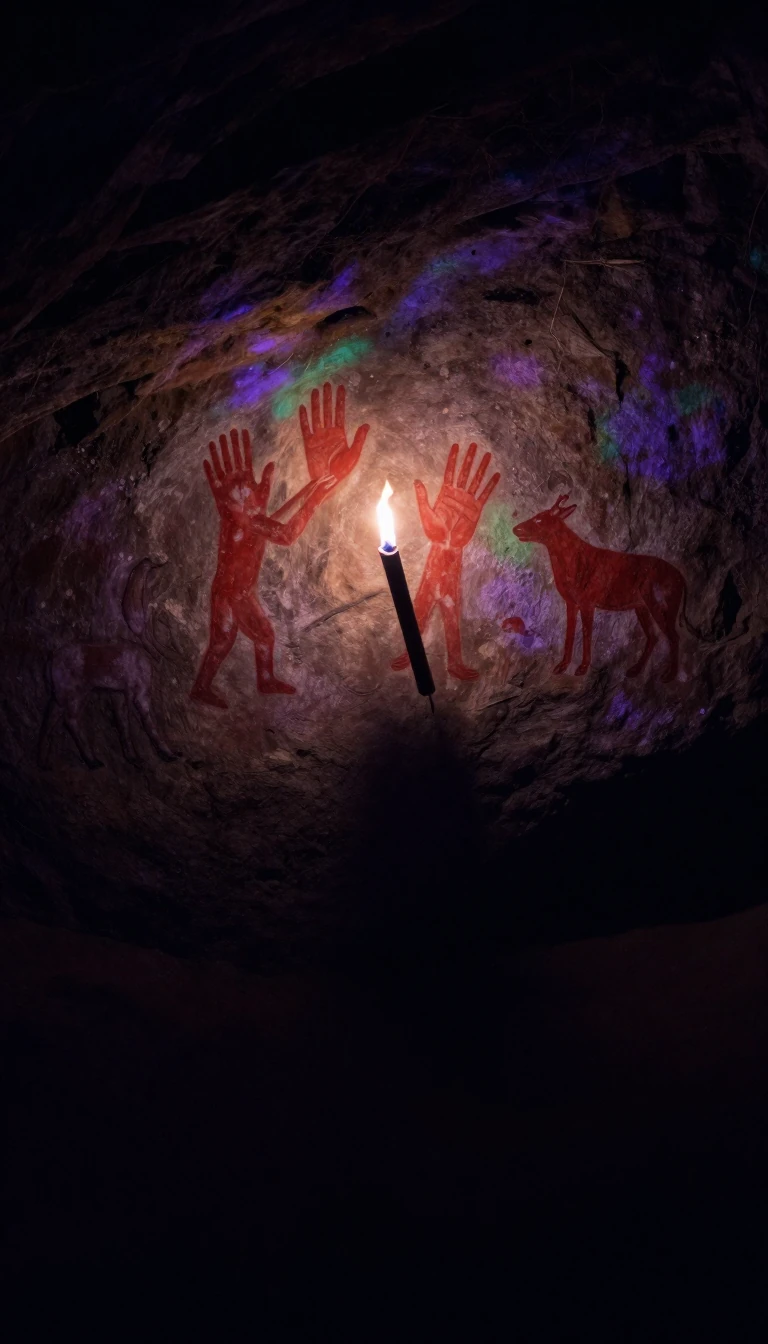 World’s oldest figurative cave art is in IndonesiaOn an equatorial archipelago of more than 17,000 islands, trade and migration wrote history as much as kings did. Sulawesi and Borneo caves hold figurative paintings dated beyond …
 Cyrus built the largest empire the world had yet seenIran’s plateau holds continuous urban life back to the fifth millennium BC. Medes first unified the land in the seventh century BC; by 550 BC Cyrus the Great’s Persians had overtu…
- Iraq’s plain taught the world cities, writing, and lawModern Iraq overlaps ancient Mesopotamia—the so-called cradle of civilization. Sumer rose between about 6000 and 5000 BC in the Ubaid Neolithic. There the first cities, cursive sc…
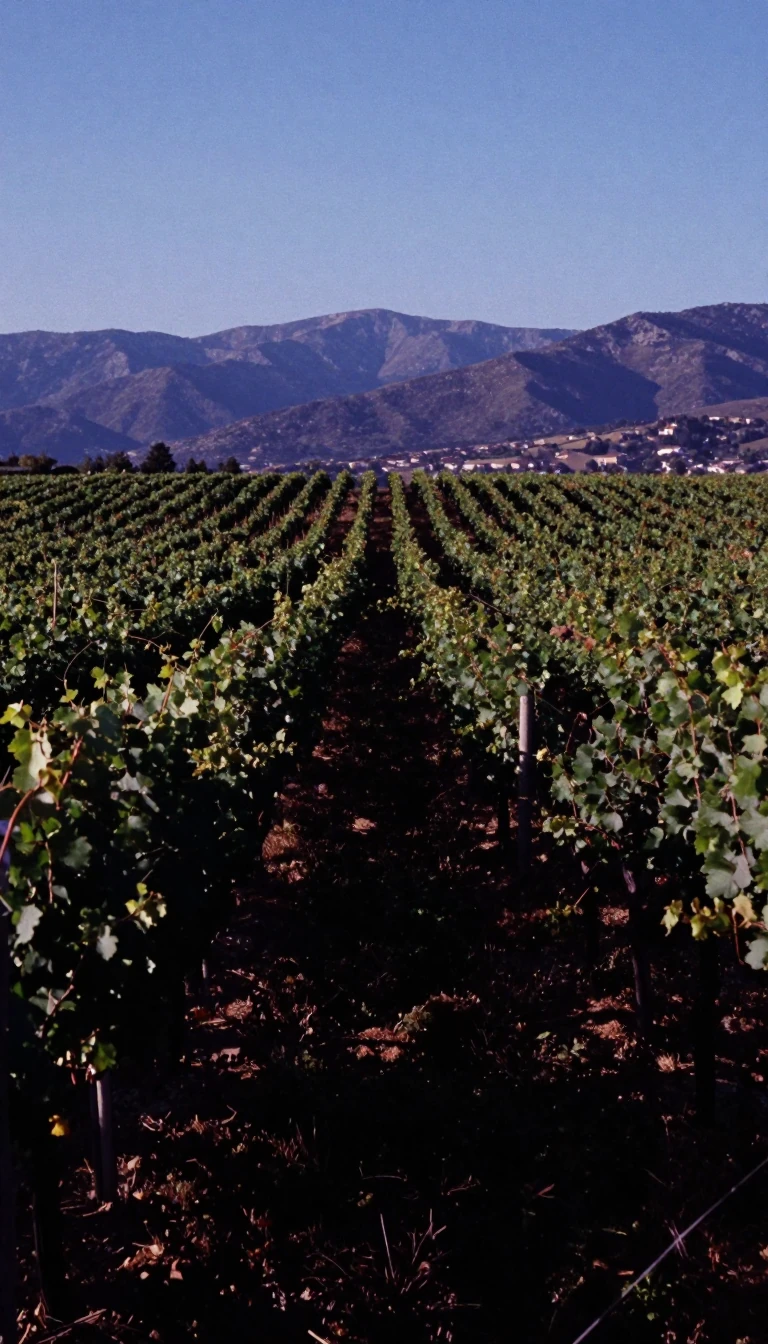 Rome’s cradle was only one people among many ItalicsHumans reached Monte Poggiolo some 850,000 years ago; Ötzi the Iceman dates to about 3400–3100 BC. Before Rome, Etruscans, Latins, Samnites, Greeks of Magna Graecia, and Nuragic S…
 Jōmon pots are among Earth’s oldest fired ceramicsPeople reached the Japanese archipelago some 38,000–40,000 years ago by watercraft. Jōmon hunter-gatherers then made cord-marked pottery—among the world’s oldest ceramics, with pi…
 Hangul was a king’s invention—then Korea split in twoPottery on the peninsula reaches back to about 8000 BC. Myth places Gojoseon’s founding in 2333 BC; archaeology shows complex chiefdoms in the Mumun period. King Sejong personally…
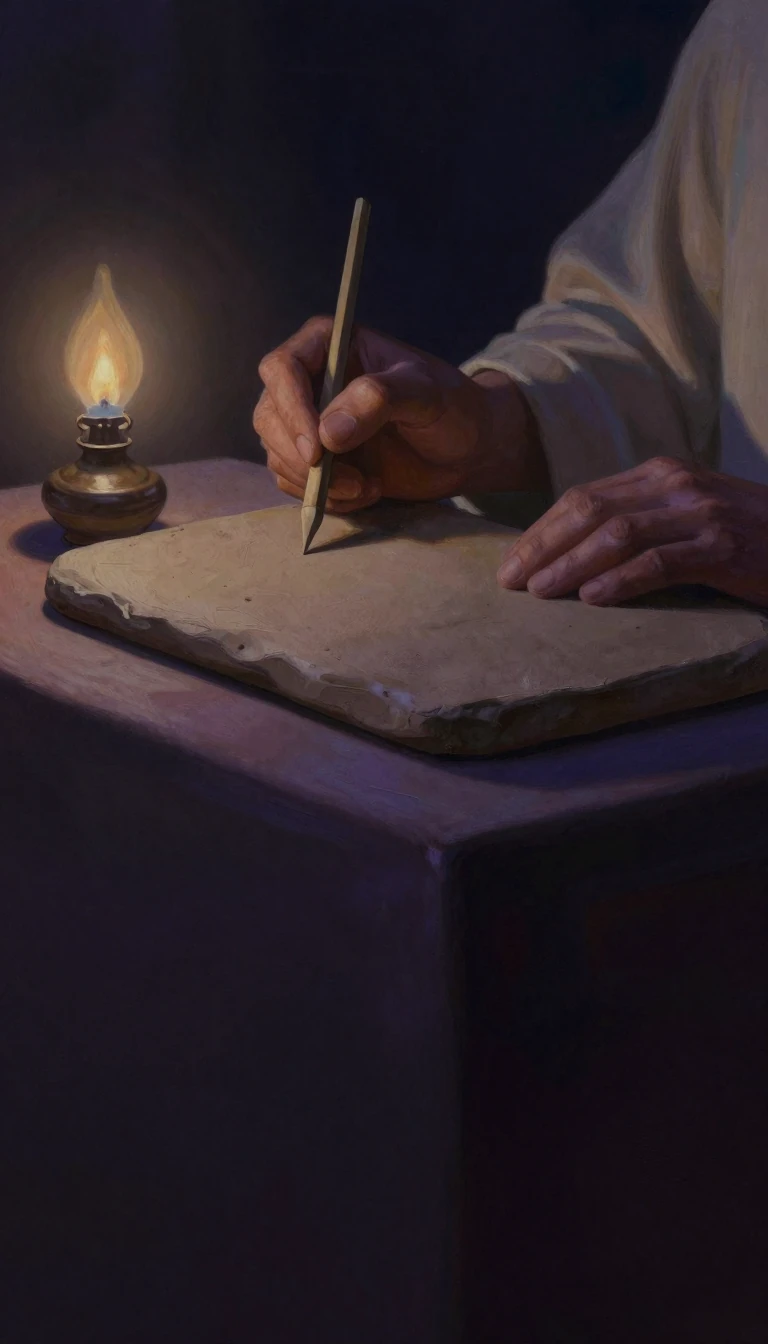 “Mesopotamia” means the land between two riversThe Greek name—recorded from the fourth century BC—labels the country between Euphrates and Tigris, today’s Iraq and neighboring fringes of Iran, Syria, and Turkey. There, after f…