 Intellect Plus
Epistemology
26 cards. Each one is a 40-second story with a five-minute read behind it.
 Do we see the world as it is or just how we are?This video breaks down Immanuel Kant’s foundational theories on metaphysics and epistemology. It explores how human perception shapes our understanding of reality, making it a vit…
 The hidden architecture of truth: why your research starts with philosophyEvery study is built on a foundation of invisible assumptions. Before a researcher chooses a method or collects data, they must first decide what reality is, how we can know it, a…
 The fundamental divide: What is real versus how we know it?Distinguishing between metaphysics and epistemology is essential for navigating the core of human thought. This video clarifies these two primary branches of philosophy, exploring…
 What does it actually mean to know something?This video introduces epistemology, the branch of philosophy dedicated to understanding how we acquire and validate information. It breaks down the fundamental questions that unde…
 Why your senses might be lying to you about realityIf knowledge requires something to be unchanging, then our daily experiences—which are constantly in flux—cannot technically count as knowledge. This ancient philosophical hurdle …
 What does it actually mean to 'know' something?We claim to know things every day, but how do we distinguish a fact from a lucky guess? Epistemology is the branch of philosophy dedicated to investigating this boundary. It moves…
 The 'What' and 'How' of Research: Decoding Ontology and EpistemologyFor graduate students, these terms often feel like impenetrable jargon. Dr. Elizabeth Yardley uses practical metaphors to strip away the complexity, helping you identify the under…
 What is the precise boundary between belief and knowledge?Understanding how we know what we claim to know is a foundational pillar of philosophy. This introduction explores the core components that separate mere opinion from established …
 The most powerful tool in medicine is admitting what we don't knowCancer researcher Kevin B. Jones argues that the foundation of scientific progress isn't just expertise, but a humble honesty about the unknown. This talk explores why curiosity a…
 To prove something exists, you must actually find it.In classical mathematics, you can prove an object exists simply by showing its non-existence is impossible. Constructivism rejects this shortcut. For a constructivist, a mathemati…
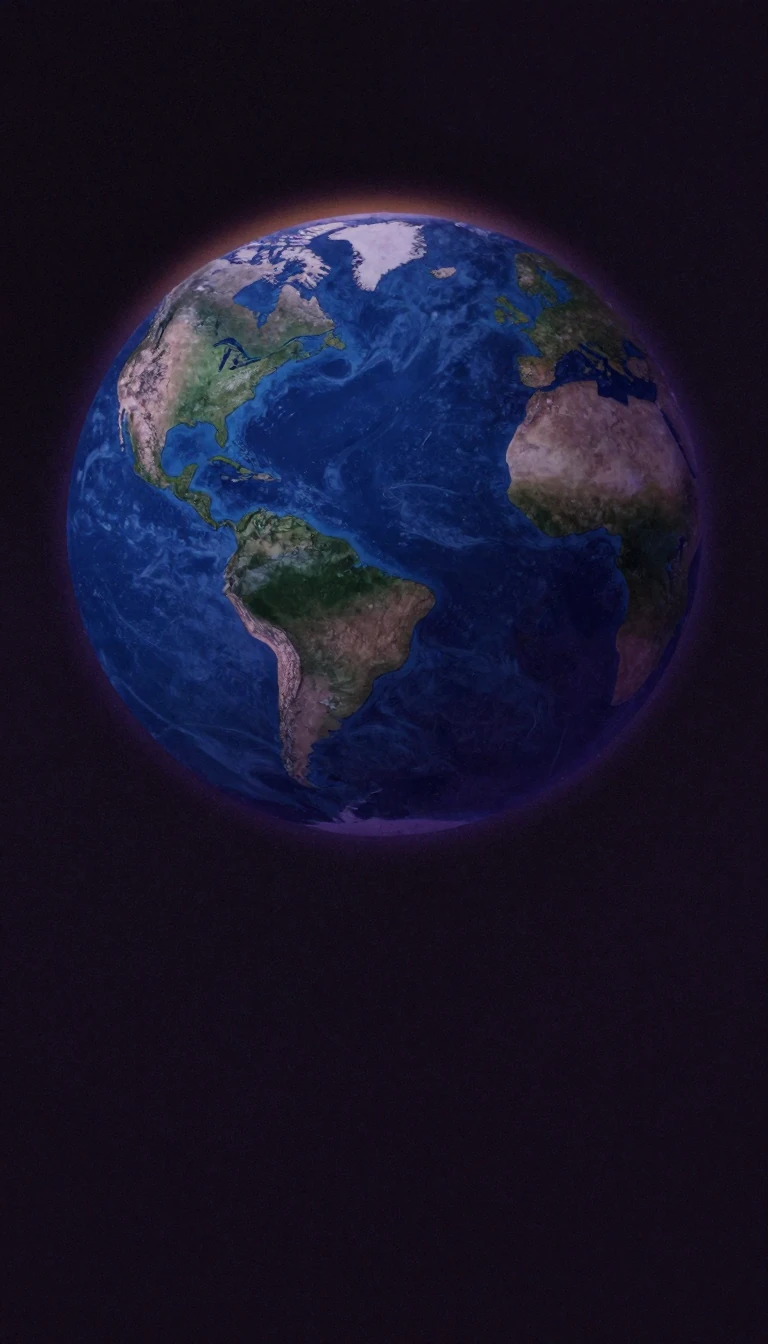 Why your mental map of the world is a deliberate abstractionWe don't see the world as it is; we see it through conceptual models. These are not just pictures in our heads, but formal generalizations designed to filter out noise. From the e…
 Mapping the human psyche across 120 countries since 1981How do we measure the invisible architecture of human belief? The World Values Survey tracks the shifting tides of social, religious, and political values globally. By capturing t…
 Can we ever truly know anything, or are we just guessing?In the 3rd century BCE, Plato's Academy underwent a radical transformation. Instead of seeking absolute truths, a new group of thinkers began questioning whether the human mind is…
 The logical fallacy of kicking a stone to end a debateImagine trying to argue against the existence of matter. You could spend years in complex philosophy, or you could simply kick a rock. This physical act became the namesake for a …
 Why the history of computing is not a straight lineWe often imagine computing as a steady climb from pebbles to smartphones. But what if this 'grand narrative' is a myth? Dr. Doron Swade suggests we should stop looking for a singl…
 Is there a difference between knowing facts and knowing truth?Professor Keith Ward explores why scientific data cannot fully capture the human experience of meaning. Watch to understand how personal engagement with beauty, morality, and self…
 Why the greatest scientific breakthroughs require more than just luckDiscovery is rarely a straight line. This lecture explores the 'Prepared Mind'—the essential ability of a scientist to recognize the profound significance of an unexpected finding.
 How do you distinguish between reliable experts and unreliable information?We rely on personal acquaintances and experts to form our belief systems. This video explores how to navigate these influences and identifies when listening to an expert is a soun…
 Why we may never know if the universe is infiniteA deep philosophical barrier exists within our cosmos: certain mysteries remain forever inaccessible, and we are just as sure that every single one of these secrets cannot be gras…
 Why some discoveries happen while others remain invisibleScientific progress is often dictated by what we expect to see. This lecture explores how human perception shapes our ability to identify patterns in the universe and why certain …
 Is your mind actually perceiving the world, or just your own thoughts?If you strip away your senses, what is left? Empiricism suggests our knowledge is built entirely from experience. But when philosophers pushed this logic to its limit, they discov…
 What actually makes a belief count as knowledge?Is knowing something simply believing it is true, or does it require more? This episode breaks down the philosophical architecture of knowledge, from propositional attitudes to th…
 Why the most convincing fakes reveal our own intellectual blind spotsWe usually dismiss forgeries as worthless trash. But what if they are actually mirrors? By analyzing how forgers successfully trick the world's greatest experts, we can uncover th…
 Why the most successful fakes are actually mirrors of our own hubrisWe usually dismiss fakes as worthless trash. But what if they are actually diagnostic tools? By studying how forgers successfully trick the world's most elite experts, we can unco…
 How a shift in perspective replaced two millennia of Greek thoughtDuring the 16th and 17th centuries, the world underwent a profound intellectual transformation. It was more than just new discoveries; it was a fundamental change in how we percei…
 A three-page paper from 1963 broke philosophy's definition of knowledge.You glance at a clock reading two. It is two o'clock, and you have every reason to trust the clock. But it stopped exactly twelve hours ago. Your belief is true and justified, yet…