 Intellect Plus
Mammals
30 cards. Each one is a 40-second story with a five-minute read behind it.
 Beyond the Pachyderm: The Hidden Complexity of Earth's Heaviest Land AnimalsWhile hippos and rhinos share a history of being grouped together, they possess distinct behaviors and adaptations. This documentary explores the unique characteristics of these m…
 The diverse world of the planet's largest and strongest mammalsFrom the frozen Arctic to the tropical forests of Southeast Asia, this documentary explores the lives of eight distinct bear species. It highlights the unique physical traits and …
 Mammals were not evolutionary accidents of the dinosaur extinctionFor decades, we believed mammals only thrived because the dinosaurs died out. New fossils from China reveal a different story: our ancestors were already perfecting their speciali…
 Prehistoric mammals were not just tiny survivors hiding from dinosaursFor decades, we imagined early mammals as defenseless creatures scurrying in the shadows of giants. New fossil evidence suggests a much more complex reality: these resilient linea…
 The hidden power of water and the rivers that shape our worldThis episode explores the immense scale and physical force of water. It examines how rivers carve the landscape and the vital role they play in sustaining life on land.
 The era of giants did not end with the dinosaursWe often imagine the asteroid impact as the end of Earth's largest creatures. In reality, the aftermath of the Cretaceous extinction triggered a new wave of gigantism, as mammals …
 How diverse adaptations allow mammals to thrive across the globeExplore the complex lives of mammals, from the massive elephant to the tiny mouse. This film examines the unique traits and life cycles that make these creatures some of the most …
 How rat-sized survivors became the undisputed giants of the Ice AgeExplore the sixty-six million-year odyssey of mammals. This documentary traces their evolution from tiny, burrowing survivors of the dinosaur extinction to the massive titans that…
 How a mass extinction paved the way for the age of mammalsExplore the evolutionary vacuum left by the dinosaurs. This documentary tracks how early mammals survived a global catastrophe to diversify into the diverse giants and ancestors w…
 Prehistoric mammals were larger and more diverse than history suggestedNew fossil evidence from China is reshaping our understanding of the Mesozoic era. This video explores how specific biological traits allowed mammals to survive alongside dinosaur…
 Witness the extraordinary movement of the Sifaka lemurExperience a rare glimpse into the natural world through this footage from the BBC's Life of Mammals series, featuring the unique, energetic leaps of the Sifaka.
 The high-stakes physics of survival in the wildThis documentary highlights the dramatic tension between predators and their prey. It captures the split-second decisions and physical feats required for herbivores to evade captu…
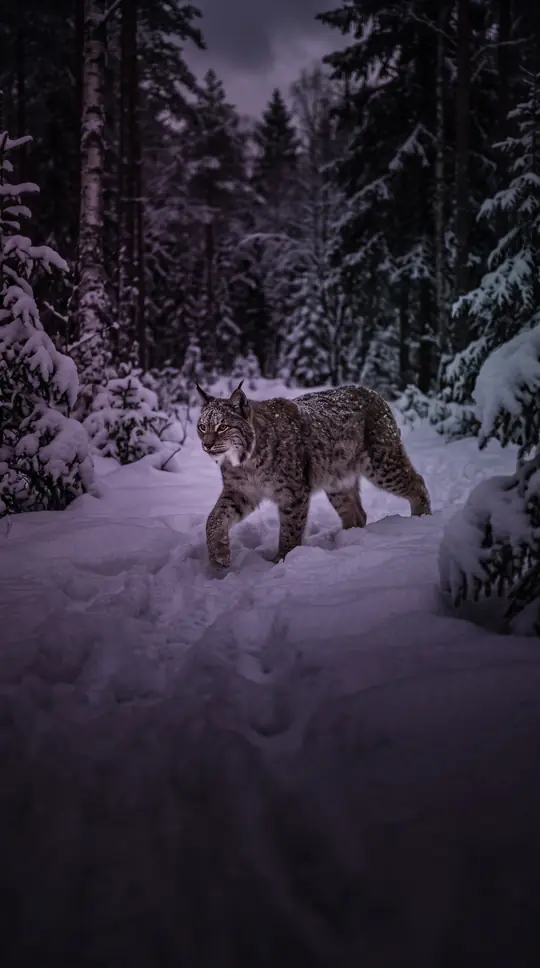 The delicate and tentative courtship of the hedgehogWitness a rare moment of natural wonder as Sir David Attenborough observes a pair of hedgehogs engaging in a cautious and tentative mating ritual.
 How a mother stoat survives the relentless demands of motherhoodIn Yorkshire, a specialized garden equipped with over 50 cameras captures the intense life of a mother stoat. This footage follows her struggle to provide for her kits, who requir…
 Are these tiny predators truly the villains of the natural world?This film explores the lives of weasels, including an orphaned weasel named Twiz, to uncover the reality behind their fierce reputation. Witness the dramatic journey of a mother s…
 Why a newborn hippo must stay isolated from its own familyA baby hippo weighs only 4% of an adult's mass, making it entirely dependent on its mother. To survive, the calf must master underwater breathing and form a vital bond through iso…
 The aquatic mammal that is physically incapable of swimmingDespite spending their lives in the water, hippos are biologically unable to swim. These heavy giants must walk along the riverbeds, relying on dense bone structures to stay subme…
 Why that mysterious rustle in your backyard is likely a nocturnal scavengerWhen night falls, the rustling sounds in your garden often belong to the raccoon, a highly adaptable mammal found from the Americas to Asia. While they lumber like bears, these cl…
- Why the snow leopard is known as the 'ghost of the mountains'High in the rugged peaks of Central Asia, a nearly invisible predator stalks its prey. With spotted beige fur that mimics rocky terrain and silent, furry footpads, the snow leopar…
 The cunning tactics behind an orca's whale kidnappingWitness a remarkable display of predatory strategy as killer whales use manipulative techniques to capture a humpback whale calf.
 A rare glimpse of a wolverine kit's first steps outside the denWolverines are notoriously difficult to track in the wild. This footage provides an extraordinary look at the first moments a baby kit ventures above ground.
 The rhythmic endurance of coyotes in the Baja DesertExperience a meditative journey through one of California's most demanding landscapes. This footage follows a pack of coyotes as they navigate the harsh realities of desert life, …
- Why these ancient creatures were named after both bears and dogsThe beardogs were a unique group of mammals whose hybrid-like physical traits make them essential for understanding the broader history of the mammalian family tree.
 Why even the quietest suburbs of Anchorage are not safe for moose calvesThis documentary explores the reality of life for moose living in the suburbs of Anchorage, Alaska. It highlights the surprising and often tragic encounters between these large ma…
 Why did our ancestors abandon egg-laying in favor of internal development?Most animals on Earth, from insects to birds, reproduce by laying eggs. This video explores the evolutionary shift that led most mammals to move away from shells and toward live b…
 The extreme body plan of the weasel pushes the limits of metabolic possibility.Weasels possess a uniquely slender physique that challenges biological norms. This video investigates the evolutionary history of this body type, exploring when and how these anim…
- Did mammal traits evolve long before the first mammals actually appeared?Many defining mammalian characteristics emerged during the age of dinosaurs. This video examines how these traits appeared in non-mammalian creatures, challenging our understandin…
- Why do humans and other mammals never have more than five digits?This video explores the evolutionary history behind why mammals, including humans and whales, possess five or fewer fingers and toes. It examines the consistency of this anatomica…
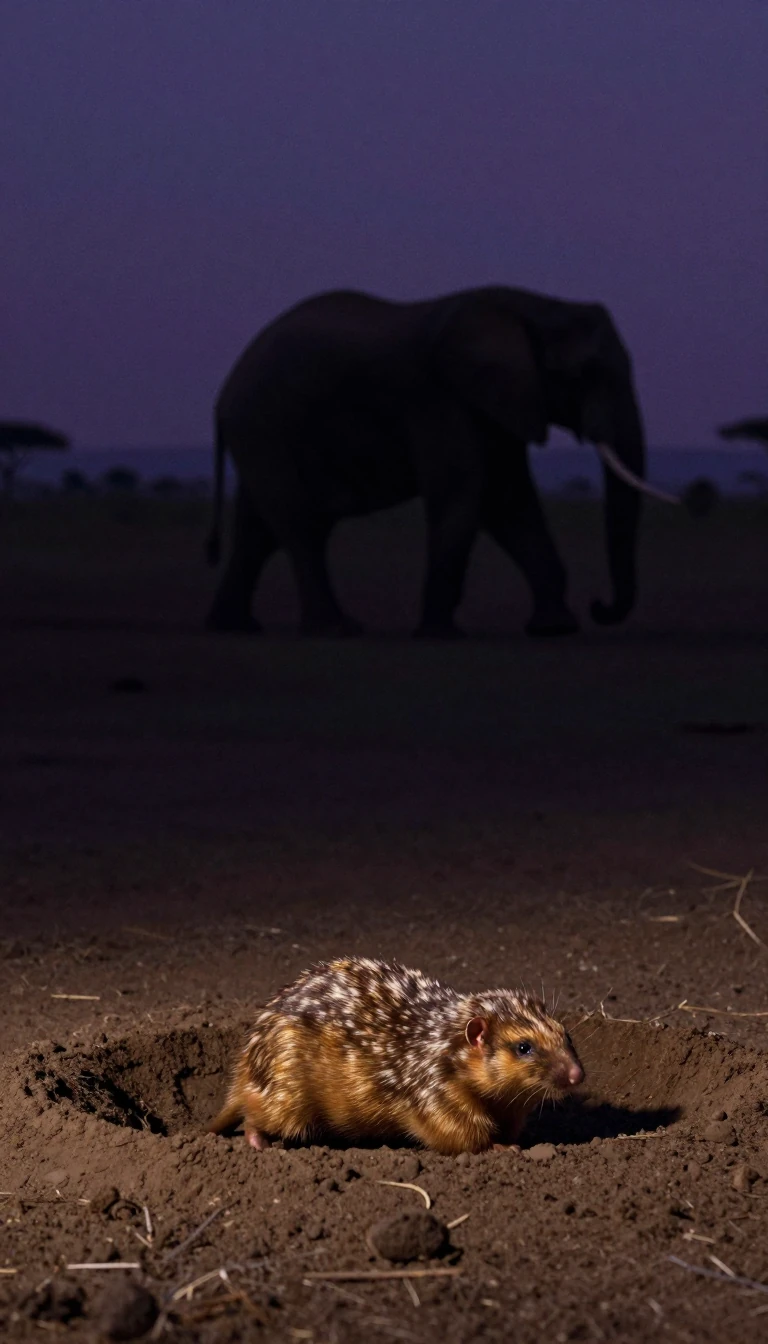 Elephants are closer kin to golden moles than to rhinos or hipposElephants, manatees, aardvarks, hyraxes and tiny golden moles look nothing alike, yet they share one family tree. Nobody recognised it until DNA studies in 1998. The group, Afroth…
 Whiskers are touch antennas evolution bolted onto mammal facesVibrissae—whiskers—are specialized sensory hairs that let most mammals detect air currents and objects for navigation, hunting, and spatial sense. They cluster above eyes, on chin…