 Intellect Plus
Zoology
106 cards. Each one is a 40-second story with a five-minute read behind it. Page 2 of 2.
 How do caretakers monitor the health of six newborn lion cubs at the zoo?This video explores the early development of six lion cubs born at the Smithsonian's National Zoo. It highlights the unique methods keepers use to track the health of these young …
 How keepers babyproof the habitat of two rare Andean bear cubsAndean bear cubs Mayni and Muniri are growing from infants into adventurous explorers at the Smithsonian National Zoo. This video follows their caretakers as they adapt the enviro…
 Meet the gray seal who served as a veteran in the U.S. NavyGo behind the scenes at the Smithsonian National Zoo to observe the intelligence of seals and sea lions. Caretakers demonstrate their unique interactions with these marine mammals…
 Can we actually decode the complex language of the world's largest land animal?For nearly five decades, researcher Joyce Poole has lived among Kenya's elephants, documenting their intricate communication. This episode explores how she translates their sounds…
 A baby hippo makes his big debut in a new homeFollow the journey of a young hippo as he transitions into his new environment. This National Geographic feature offers a glimpse into the life of a zoo animal, documenting the ch…
 Meet the polka-dotted worm that thrives in the hidden world of the micro-cosmos.Worms are a surprisingly diverse group of organisms. This video explores the lesser-known Aeolosoma, a worm species distinguished by its unique polka-dot patterns and vacuum-like …
 Why the humble rotifer deserves more attention than the famous tardigradeWhile the tardigrade often captures the public imagination, the rotifer is a fascinating metazoan of the microcosmos that frequently goes overlooked. This video explores the anato…
 Are lakes filled with translucent creatures that move like scissors in the night?Discover the ghost flea, a tiny, see-through inhabitant of lake depths. This video explores the unique anatomy and jarring, scissor-like movement of these spectral-looking organis…
 Why modern medicine is embracing the blood-sucking leech for complex surgical proceduresLong dismissed as creepy parasites or targets of revulsion, leeches are staging a surprising medical comeback. While hikers and swimmers often fear these aquatic creatures, surgeo…
 Why the North American porcupine is a master of defensive engineering and medical designPorcupines are famous for their 30,000 quills, but they do not actually shoot them at attackers. Instead, these animals rely on a sophisticated defense system involving musky odor…
 Why have these aquatic mammals captivated a professional cameraman for twenty-five years?Cameraman Charlie Hamilton James explores the unique survival strategies of otters. Drawing on his quarter-century of observation, this footage highlights the specific traits that…
 The agency that inherited America's leftover land now oversees an eighth of itIts holdings were once dismissed as land nobody wanted, the ground homesteaders passed over. Today the Bureau of Land Management looks after more than 247.3 million acres, about o…
 Carrying capacity began as a shipping term before ecologists made it their KEvery environment has a ceiling: the largest population of a species it can sustain with the food, water and space available. Ecologists write that ceiling as K, from the German f…
 Can we ever know what it is like to be another animal?Until 1989, vets trained in the United States were taught simply to ignore animal pain, and researchers into the 1980s were unsure whether animals felt it at all. Behind that gap …
 Anthropologists now work far beyond the university, from crime labs to cyberspaceThe classic image is a scholar living in a remote village taking notes. By 2014, though, most American anthropologists and archaeologists worked in research jobs, consulting or go…
 Top predators reshape whole landscapes, and scientists still argue whether humans countWhen gray wolves returned to Yellowstone in 1995, elk grew scarcer and warier, and streamside willows, aspens and cottonwoods sprang back. That is the reach of an apex predator. W…
 Arginine, named for silvery crystals, keeps cats alive and helps make nitric oxideIn 1886 a German chemist pulled a new amino acid from yellow lupin seedlings and named it after the Greek for silver, because its nitrate crystals gleamed white. Arginine turns ou…
 Living light has evolved dozens of times, and once guided a lost pilot homeLow on options after his instruments failed, future Apollo 13 astronaut Jim Lovell switched off his cockpit lights and spotted the glowing wake of his aircraft carrier, then follo…
- Bottlenose dolphins carry sponges as tools and sense electric fields with baby whisker pitsSome bottlenose dolphins forage with marine sponges held on their snouts, a skill passed down through generations. Their brain-to-body measure beats chimpanzees', calves are born …
 Inbreeding changes no gene frequencies, yet it can doom a populationA common assumption holds that inbreeding makes harmful genes more common. It does not, at least not directly. What it changes is how often those genes pair up. Wolves on an isola…
 Ithaca gave the world the sundae and an early dancing-skeleton filmIn 1892 an Ithaca fountain owner topped vanilla ice cream with cherry syrup for a local minister, who suggested naming it after the day of the week. The spelling was later altered…
 The giant African land snail will eat cardboard, stucco and its siblings' shellsIt grows to 20 centimetres long, lays around 200 eggs at a time several times a year, and will eat crops, trash, cardboard and occasionally the stucco off walls. Starting from Eas…
 Monarch butterflies reach Mexican mountains their great-grandparents leftEvery autumn, monarchs from southern Canada and the northern United States fly thousands of kilometres to fir-clad volcanic peaks in central Mexico. None of them has made the trip…
- Why omnivore is a slippery label, from alligators eating fruit to seed-eating squirrelsAlligators have been caught eating fruit, perhaps on purpose. Squirrels, supposedly seed eaters, raid birds' nests for eggs and chicks. Geese eat animals young and plants later. B…
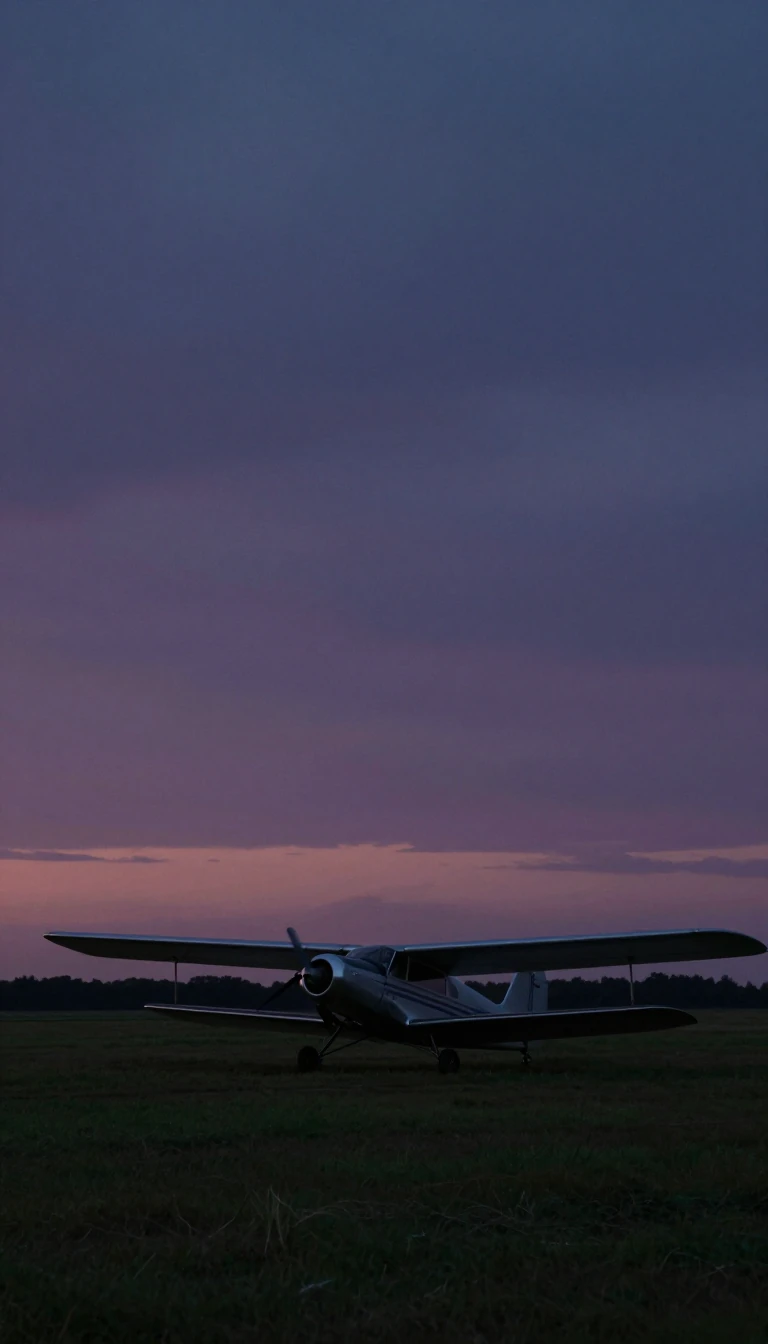 The Lightning stacked two jet engines on top of each otherThis British Mach 2 fighter carried its two Rolls-Royce Avon engines one above the other inside the fuselage, a distinctly unusual layout. Pilots compared flying it to being saddl…
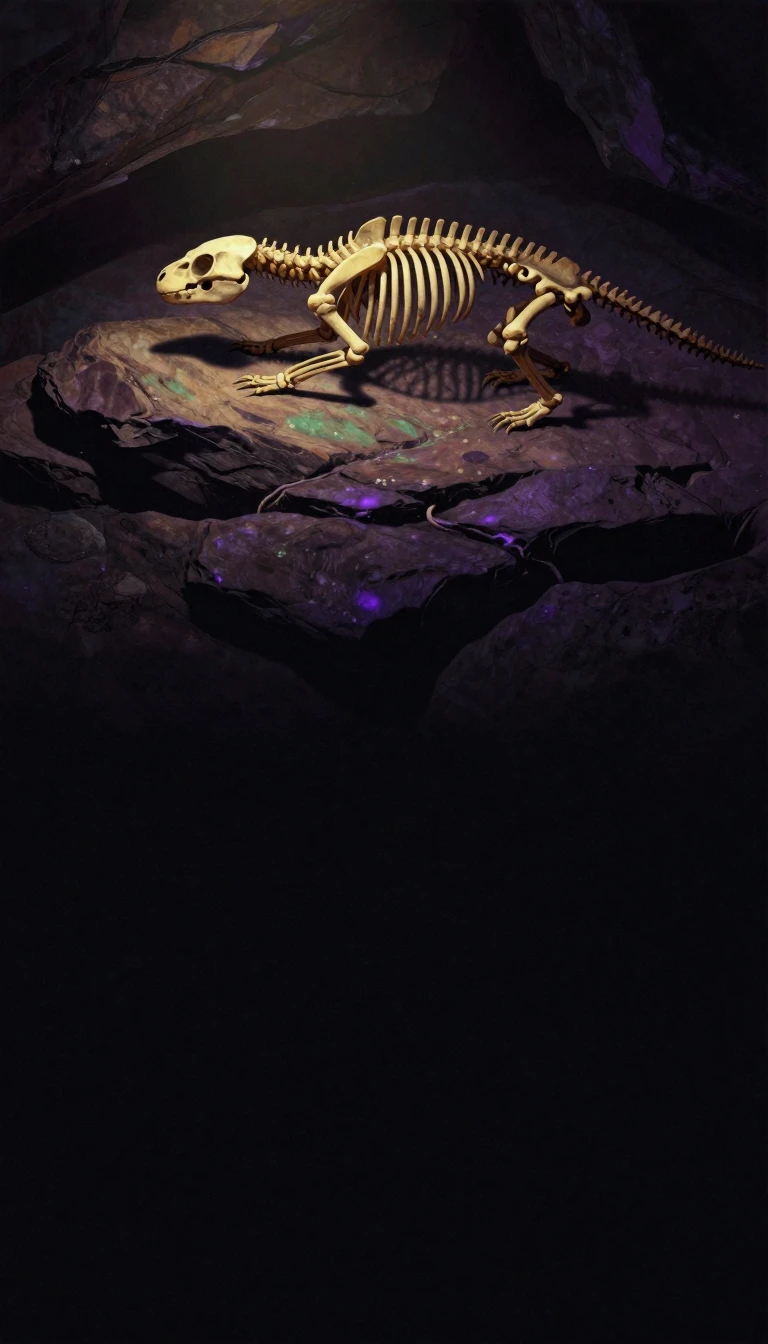 Eutherians, the true beasts, lost a pair of bones to make room for pregnancyMarsupials and monotremes, every living mammal outside the placentals, carry a pair of small epipubic bones. You do not. Losing them let the belly expand during pregnancy, one of …
 Blood feeding evolved again and again, from finches to mothsBlood is rich in protein and fat and easy to take, so evolution keeps inventing ways to drink it. Leeches, lampreys, vampire bats and roughly 14,000 kinds of arthropods do it. So …
- Humus, the dark soil layer whose backbone can outlast centuriesUnder the leaf litter lies a dark, spongy layer that soil scientists still cannot fully define. Humus is decomposed plant and animal matter, yet it is far from dead, teeming with …
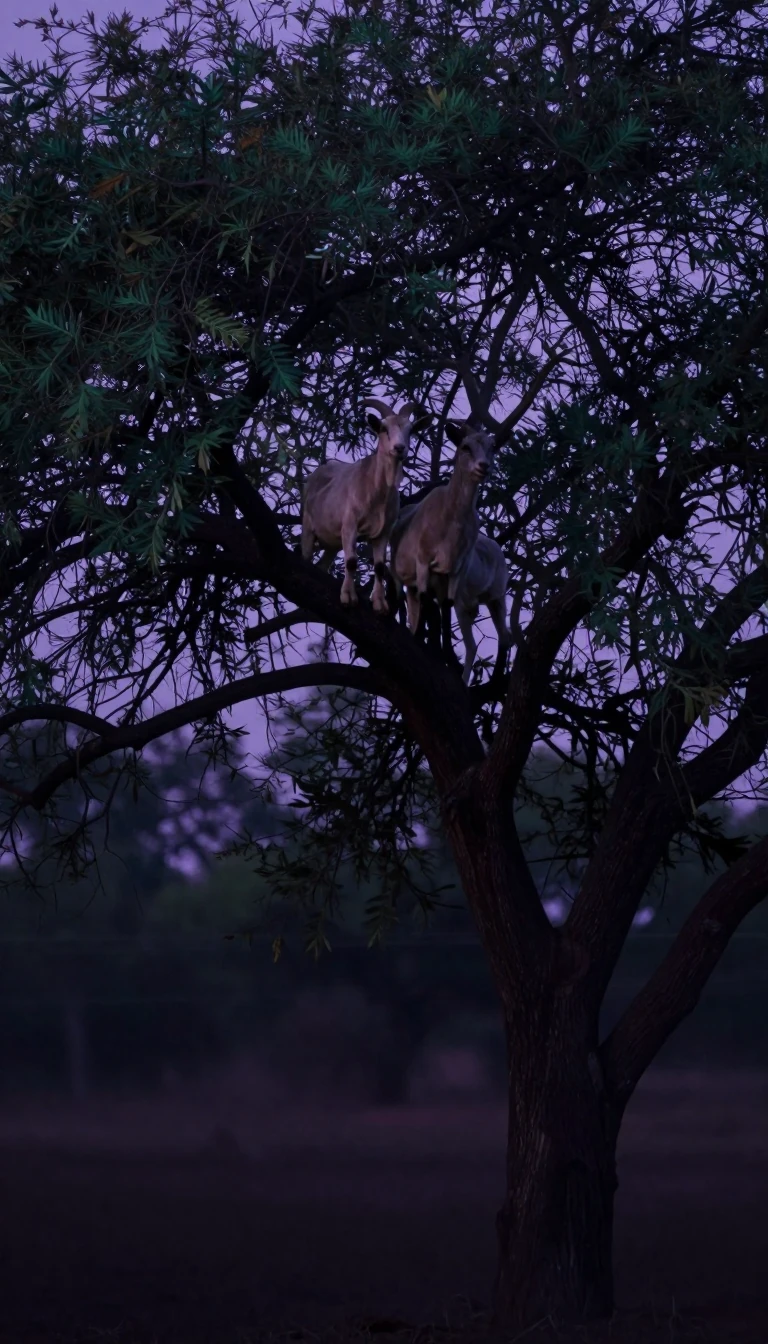 We have named 1.5 million animal species, and millions more may be waitingZoologists have formally described roughly 1.5 million kinds of animal, yet estimates suggest the true total could reach 8 million. The science of animals began with cave artists …
 Arctic ground squirrels hibernate with bellies colder than freezing waterA hibernating Arctic ground squirrel can hold its abdomen at minus 2.9 °C for more than three weeks. A Madagascan lemur hibernates through winters topping 30 °C. And bears, once d…
- By 2000, instinct had all but vanished from psychology textbooksKonrad Lorenz once had a gosling imprint on his boots, and it trailed whoever wore them. The bird learned who its mother was, yet following her was pure instinct. Psychologists ar…
- Mice and monkeys show a general intelligence factor much like human IQThe g factor, the statistical thread linking scores across different mental tests, was first found in people. It now turns up in other animals too, explaining about 47% of the var…
 By biologists' rules, a bird eating seeds counts as a predatorPredation sounds simple: one creature kills and eats another. But a mouse eating seeds is technically a predator, since each seed is a whole living organism, while a deer browsing…
 The word scavenger once meant a medieval customs inspectorScavenger comes from a Middle English word for a customs collector, a person who looked things over. Today it names the animals that clear away the dead, from vultures to hagfish.…
 Sleep may have begun hundreds of millions of years ago as brain housekeepingSleep is found so widely across animals that it probably dates back hundreds of millions of years, and one leading idea is that it began as a way for the brain to flush out waste,…
 Snapping shrimp live in colonies with a queen, much like beesEusociality, the peak of animal social life with queens, workers and shared nurseries, is best known in ants, bees and termites. But it also appears in a reef shrimp whose single …
 One naturalist insisted flamingos were pink to hide against the dawn skyAbbott Thayer correctly explained countershading, the pale belly and dark back that flatten an animal's shape. Then he overreached, claiming all animal colour was camouflage, even…
 A mantis shrimp escapes by somersaulting backwards like a wheelNannosquilla decemspinosa curls into a living wheel and rolls away at 72 rpm, covering more than 2 m. Animals also sail, kite on silk, skate on surface tension and hitch rides on …
 Desert locusts once flew 4,500 km across the Atlantic OceanIn October 1988, swarms of desert locusts rode tropical air currents 4,500 km west across the Atlantic. Arctic terns fly at least 19,000 km a year to enjoy two summers. Migration …
 The oldest known two-legged walker lived 290 million years agoLong before dinosaurs, a small reptile called Eudibamus ran on its hind legs. Walking upright has evolved again and again since, in birds, kangaroos, springhares, pangolins and hu…
- Proof that camouflage actually saves prey only arrived in 2016Naturalists have praised camouflage since Aristotle watched octopuses match the stones around them. Yet the first experiment showing it truly keeps prey alive came only in 2016, f…
- The giant panda belongs to Carnivora but eats almost nothing except plantsBeing a carnivoran and being a carnivore are different things. The giant panda sits in the order Carnivora yet lives almost entirely on plants, while whales eat nothing but animal…
 Why do animals eat? Niko Tinbergen insisted there are four right answersAsk why an animal eats and you could answer hunger, nutrition, childhood development or ancestry. Niko Tinbergen argued all four are needed at once. His framework, and the Nobel P…
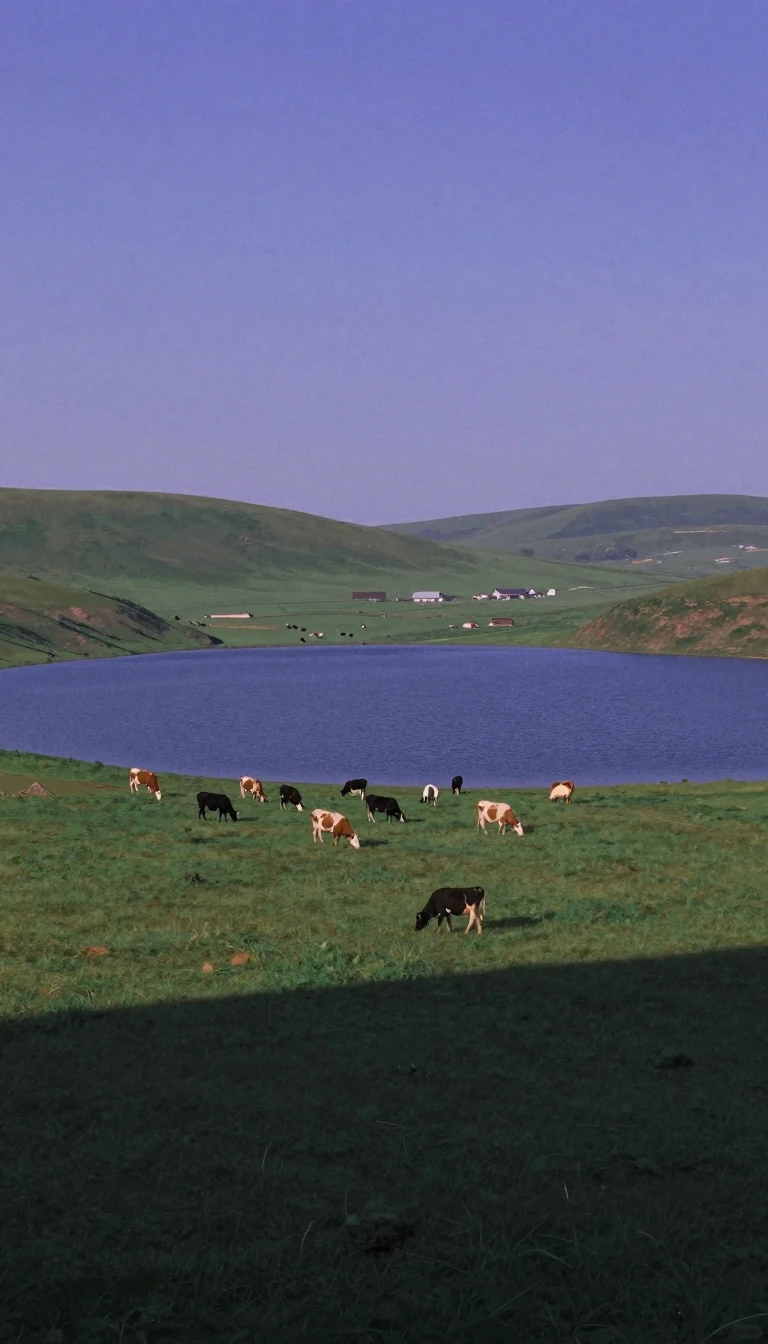 Oklahoma ranchers set a third of the prairie alight each year to mimic ancient bisonOn Oklahoma's Tallgrass Prairie Preserve, managers burn a third of the pasture each year and let bison crowd onto the fresh regrowth, leaving other patches to rest. The trick recr…
 Eating plants turned out to be harder to evolve than eating meatSwitching from insects to meat took early four-legged animals little effort. Living on tough, fibrous plants demanded a whole kit of new teeth, jaws and gut microbes. Fossils show…
 Herds move as one, yet nobody is actually in chargeA herd sweeping across a plain looks organised, but no one is giving orders. Each animal simply copies its neighbours or reacts to the same danger. A few individuals get copied mo…