 Intellect Plus
Zoology
106 cards. Each one is a 40-second story with a five-minute read behind it.
 From feared pathogens to worshipped deities: the complex human-bat relationshipBats are often cast as villains in our modern narrative, but their role in human society is far more nuanced. This documentary explores how different cultures perceive these winge…
 The red panda is not a bear, but a tree-dwelling acrobatDespite their bear-like bodies and shared love for bamboo, red pandas are not closely related to giant pandas. These masters of the canopy have evolved specialized anatomy—includi…
 Why modern zoos treat boredom as a biological threatIn the wild, survival depends on constant mental engagement. For animals in captivity, a lack of stimulation can lead to physical and psychological decline. Modern zoos in Germany…
 The high-stakes reality of managing prehistoric survivors and apex predatorsExplore the intense world of wildlife preservation at San Diego, where conservationists manage some of the planet's rarest and most formidable creatures. This look behind the gate…
 How super slow motion is revolutionizing modern zoological researchGo behind the scenes with filmmaker Reinhard Radke as he captures the raw wilderness of Tanzania's Serengeti. This documentary reveals the technical triumphs and grueling challeng…
 The biological reality behind our most enduring forest folkloreWhy do we fear the wolf or cast the raven as a witch's familiar? This documentary deconstructs the kernels of truth hidden within Brothers Grimm fairy tales, contrasting ancient f…
 The bank vole is a resilient rodent that serves as a vital ecological reservoir.This small, chestnut-brown creature is more than just forest prey. Beyond its agility in climbing trees and navigating dense undergrowth, the bank vole acts as a critical reservoi…
 Why these rodents have teeth that never stop growing throughout their entire livesVoles, lemmings, and muskrats are the most populous rodents in the Northern Hemisphere. To survive on abrasive plants, they evolved unique molar teeth with prismatic, alternating …
- The surprising evolutionary reason behind a zebra's iconic stripesFor years, scientists debated whether zebra stripes were for camouflage or pest control. This video explores the latest research suggesting a much more practical purpose: temperat…
 The hidden biology of the world's most unusual tiny creaturesFrom tree-dwelling kangaroos to miniature hippos, some of nature's most charming inhabitants remain largely unknown. This video explores these rare species and the underlying scie…
 The world's slowest mammal is a master of high-altitude survivalImagine an animal so sedentary that algae grows on its fur as camouflage. The three-toed sloth survives life in the canopy by mastering a low-energy existence, moving with deliber…
 The intense physical preparation of a rhino's first birthWatch a beloved rhino at Whipsnade Zoo undergo the grueling physical transition of motherhood. This footage captures the raw, intimate reality of a first-time birth in a controlle…
 A tiny, new predator has emerged from the Bolivian cloud forestFor the first time in over a century, scientists have identified a new wild cat species. Smaller than a house cat and weighing only a few pounds, the tilcayo was hidden in plain s…
- Is the star-nosed mole the world's strangest looking animal?Resembling a hybrid between an octopus and a rat, the star-nosed mole possesses a highly unusual appearance that challenges our definition of biological normalcy.
 The Science of Survival: How We Harvest Venom to Save MillionsEvery year, approximately 2.7 million people suffer from snake bites. This video follows zoologist Yussef Rafik to the Liverpool School for Tropical Medicine to explore the precis…
 Tracking the elusive nocturnal life of urban batsBats are masters of evasion, appearing only under the cover of darkness. This footage follows zoologist Yussef Rafik as he attempts to locate and observe these mysterious mammals …
 Do animals think, or are they just reacting to their environment?For decades, scientists debated whether animals possess complex minds or simply respond to external rewards. While early behaviorists argued that animal actions were purely reflex…
 Ant colonies are not just insect groups; they are the world's most populous animal societies.Forget the individual ant. A colony functions as a collective super-mind, capable of solving complex problems and managing millions of members. From global megacolonies spanning c…
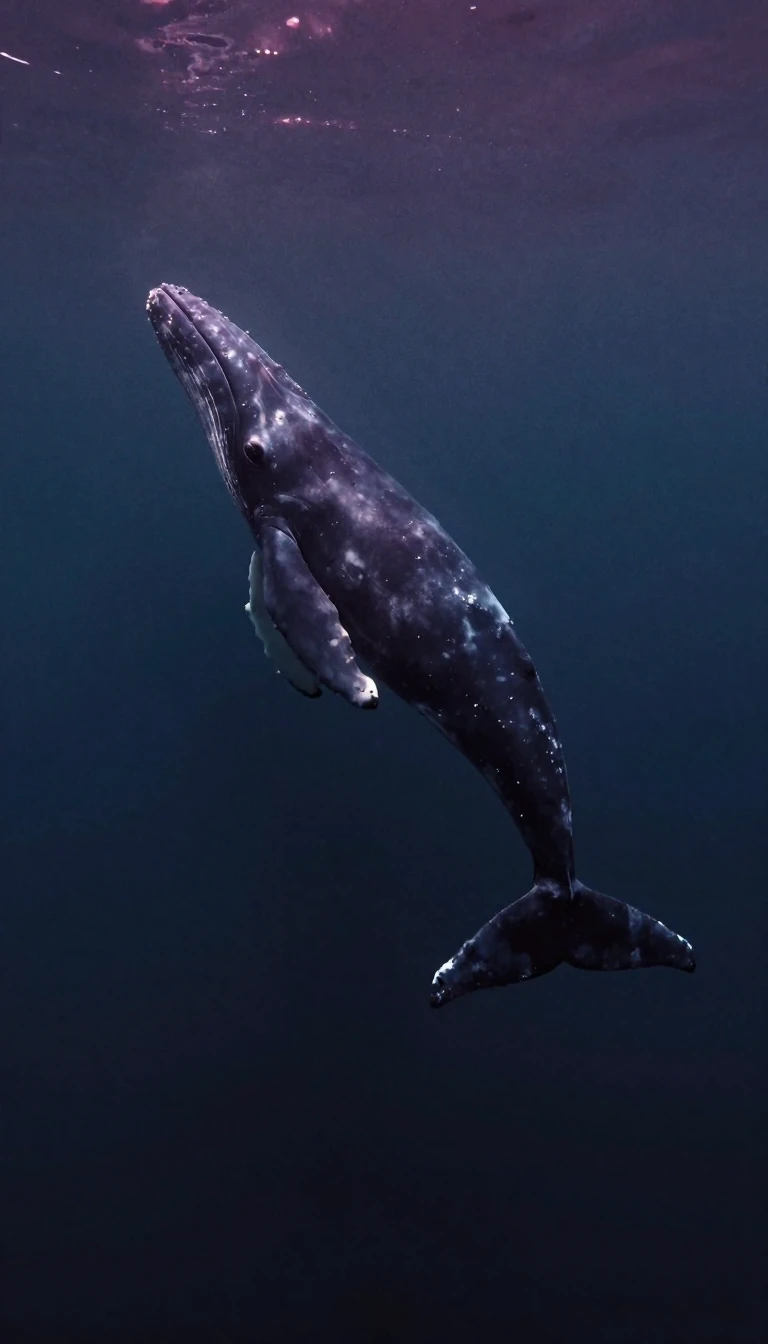 Fish do not just swim; they master fluid dynamics to navigate the world's oceans.Aquatic locomotion is far more than simple paddling. From microscopic bacteria using rotating flagella to massive whales, organisms manipulate fluid flows to generate thrust and l…
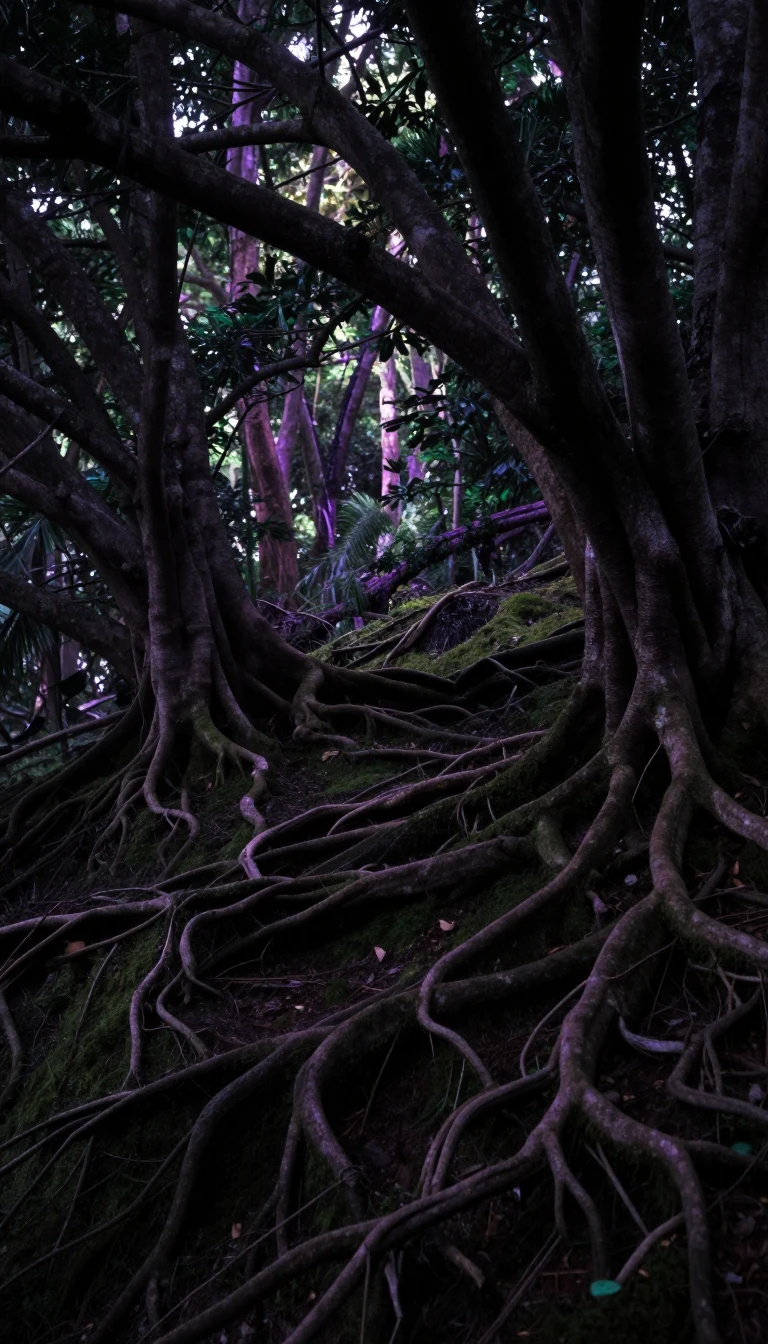 How animals master the vertical world: the physics of life in the treesNavigating the canopy requires more than just agility. To survive among the branches, animals must solve complex mechanical problems, from balancing on narrow, shifting supports t…
 Why these aquatic rodents are the world's most effective natural landscape engineersBeavers are more than just wood-chewing animals; they are ecosystem engineers capable of transforming entire landscapes. By constructing complex dams of branches, stones, and mud,…
 Beyond the twig: How birds engineer survival through diverse and ingenious nesting strategiesBird nests are far more than simple collections of twigs. From mud-glued structures to opportunistic use of human debris, these homes are masterclasses in engineering. Some birds …
- The browse line: how hungry herbivores reshape forests and silence the songbirdsBrowsing is more than just eating; it is a powerful ecological force. When herbivores like deer or koalas overpopulate, they strip forests bare, creating a visible browse line. Th…
- Beyond the surface: why animals build complex underground cities to survive and thriveA burrow is far more than a simple hole in the ground. From polar bears in snow to clams in rock, animals across nearly every biome engineer these subterranean spaces. Whether for…
 Diapause is not just a pause; it is a biological mechanism to stop ageing.We are taught that life is a one-way street from birth to death. Yet, many organisms possess a hidden biological switch called diapause. This state does more than just halt develo…
 Dormancy is nature's way of pausing life to survive when the environment turns hostile.When food vanishes or temperatures plummet, many organisms do not simply die. Instead, they enter dormancy—a profound state of metabolic suppression. Whether through hibernation, …
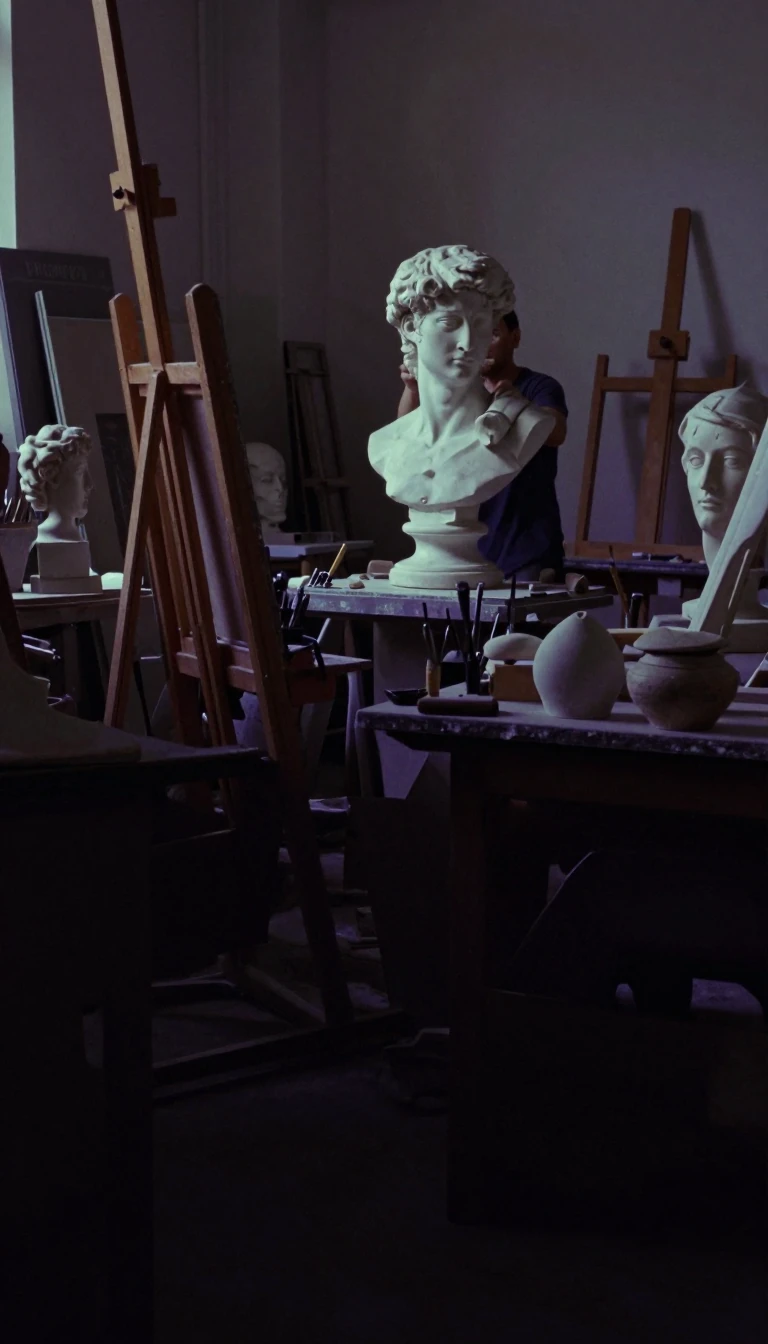 Why humans are built for walking while other primates only occasionally stand tallHumans are obligate bipeds, meaning walking on two legs is our primary mode of movement. Other primates, however, are facultative bipeds, using two legs only in specific circumsta…
 Why do fish cross oceans and rivers in such precise, predictable patterns?Fish migrations are not random wanderings but highly structured journeys driven by the need to feed and reproduce. From salmon returning to their exact birth streams to tuna cross…
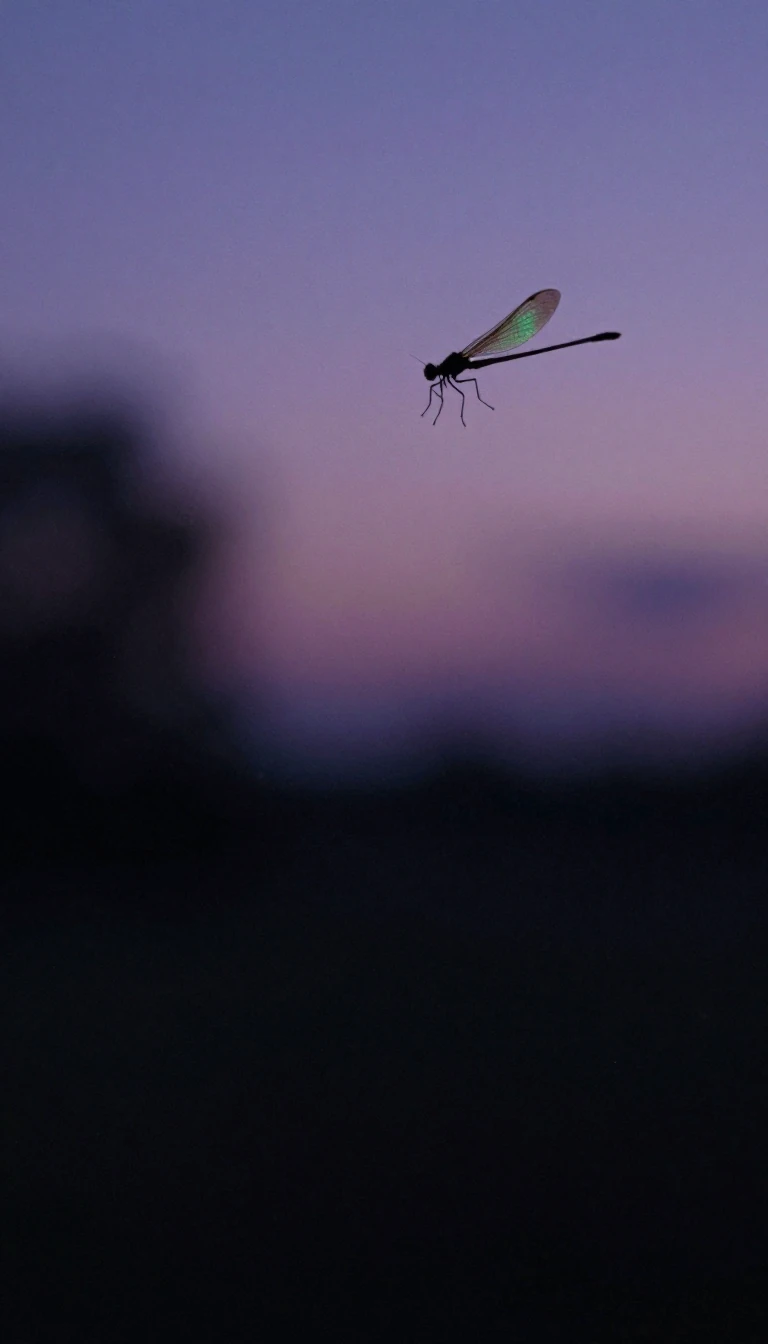 Why birds flock: a complex balance of protection, foraging, and social hierarchyFlocking is more than just birds flying together. It is a sophisticated survival strategy that balances the benefits of group protection and shared foraging against the costs of a…
 Why nature evolved the art of flight and gliding through independent pathwaysTrue flight and gliding are distinct evolutionary strategies for mastering the air. While powered flight requires massive physiological investment, gliding offers a clever, low-en…
 Why scientists study cold-blooded creatures to unlock secrets about our own medical healthHerpetology is the scientific study of reptiles and amphibians, a field that spans from tracking environmental shifts to developing life-saving medicines. While often associated w…
 Why your house cat is biologically wired to be a strict meat-eating machineA hypercarnivore is defined by a diet consisting of over 70 percent meat, but the classification goes deeper than just what is on the menu. From the domestic cat to the polar bear…
 Why some predators evolved to trade their sharp teeth for a plant-based dietWhile we often define carnivorans by their predatory nature, many have evolved to survive on a diet where meat accounts for less than 30% of their intake. This survival strategy, …
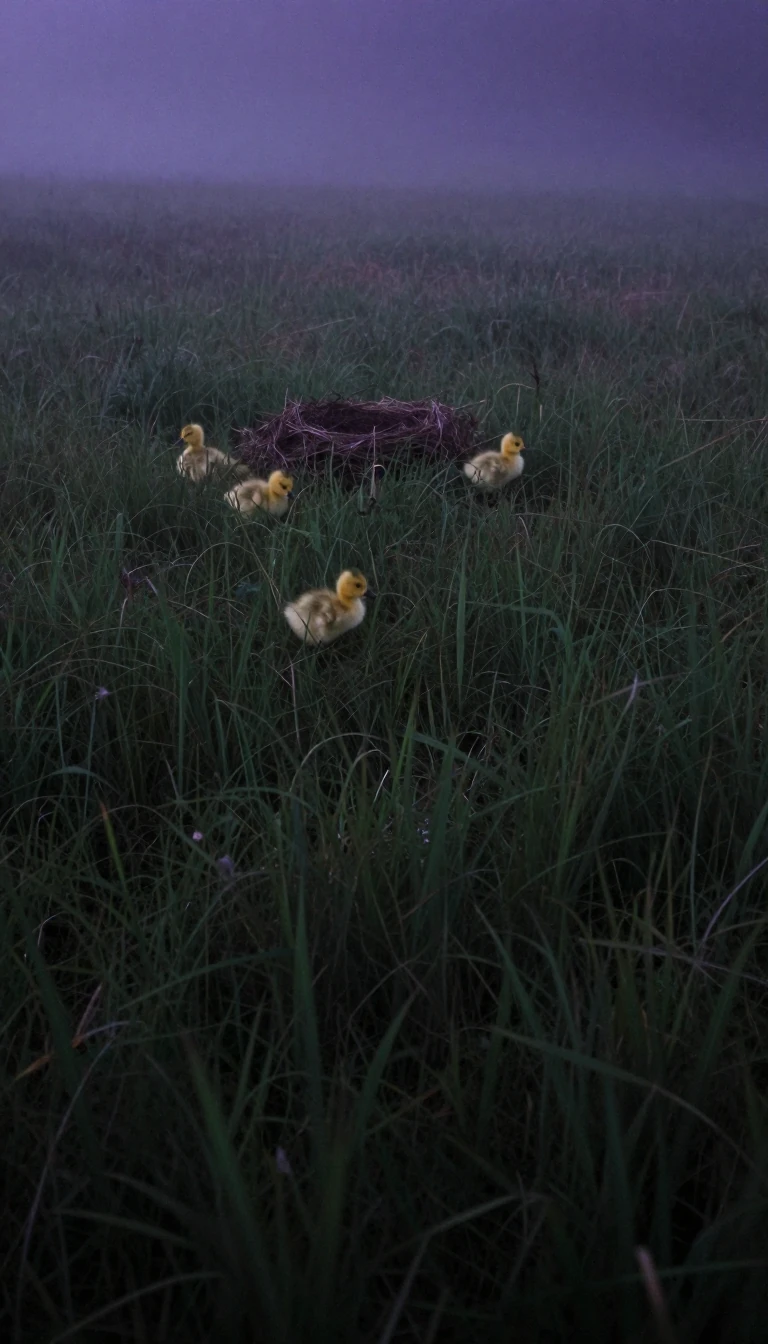 Why newly hatched birds might mistake a wading boot for their own motherImprinting is a rapid, critical form of learning where young animals fixate on the first object they encounter. By mimicking a mother duck, Konrad Lorenz proved that goslings and …
 Malacology: The ancient, soft-bodied science of the world's second-largest animal phylumDerived from the Greek word for soft, malacology is the specialized study of mollusks. From garden snails to deep-sea cephalopods, this field encompasses everything from shell col…
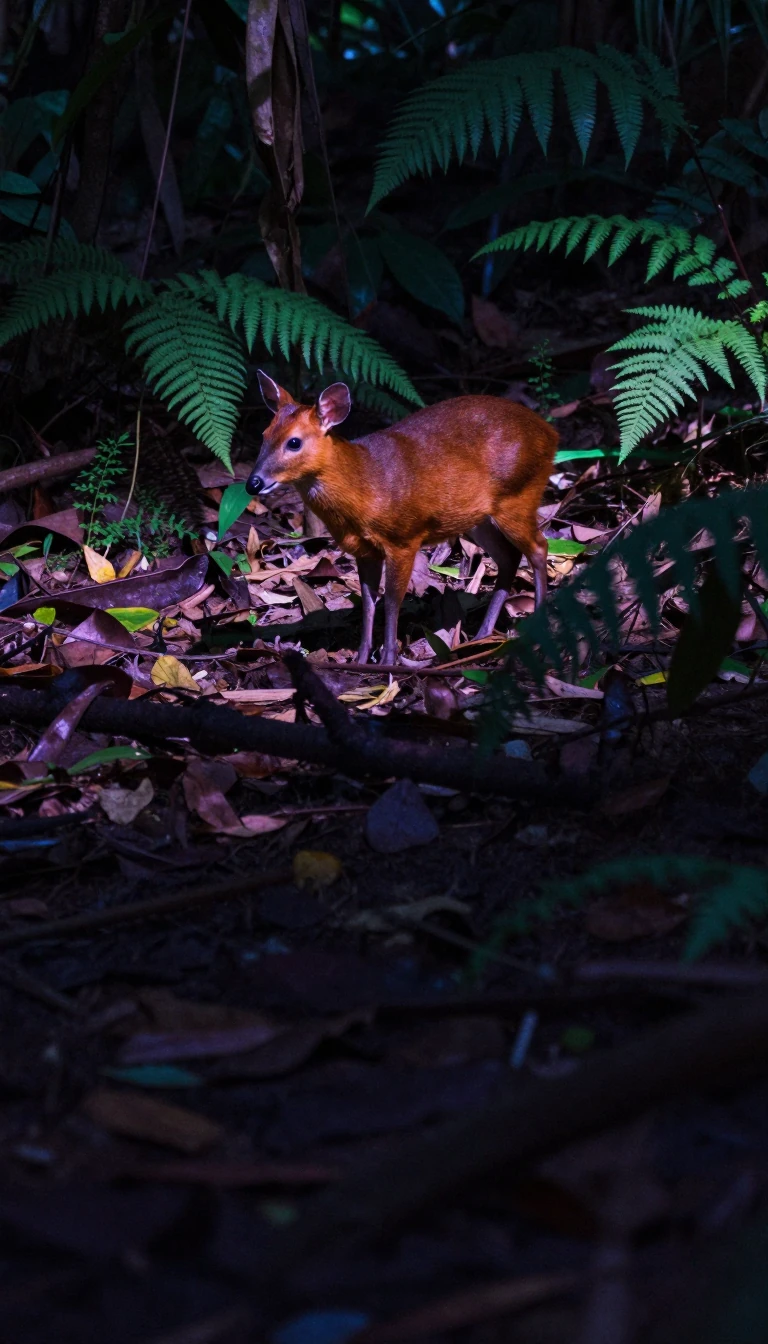 What defines a mammal beyond fur and milk? A look at the hidden anatomy.Mammals are more than just furry, milk-producing creatures. Beneath the surface, they possess a unique biological architecture, including a specialized jaw hinge and a distinct he…
- The hidden architecture of survival: how animals build their secret maternity densA maternity den is far more than a simple hole in the ground. It is a specialized sanctuary where mothers retreat to give birth and shield their vulnerable young from the elements…
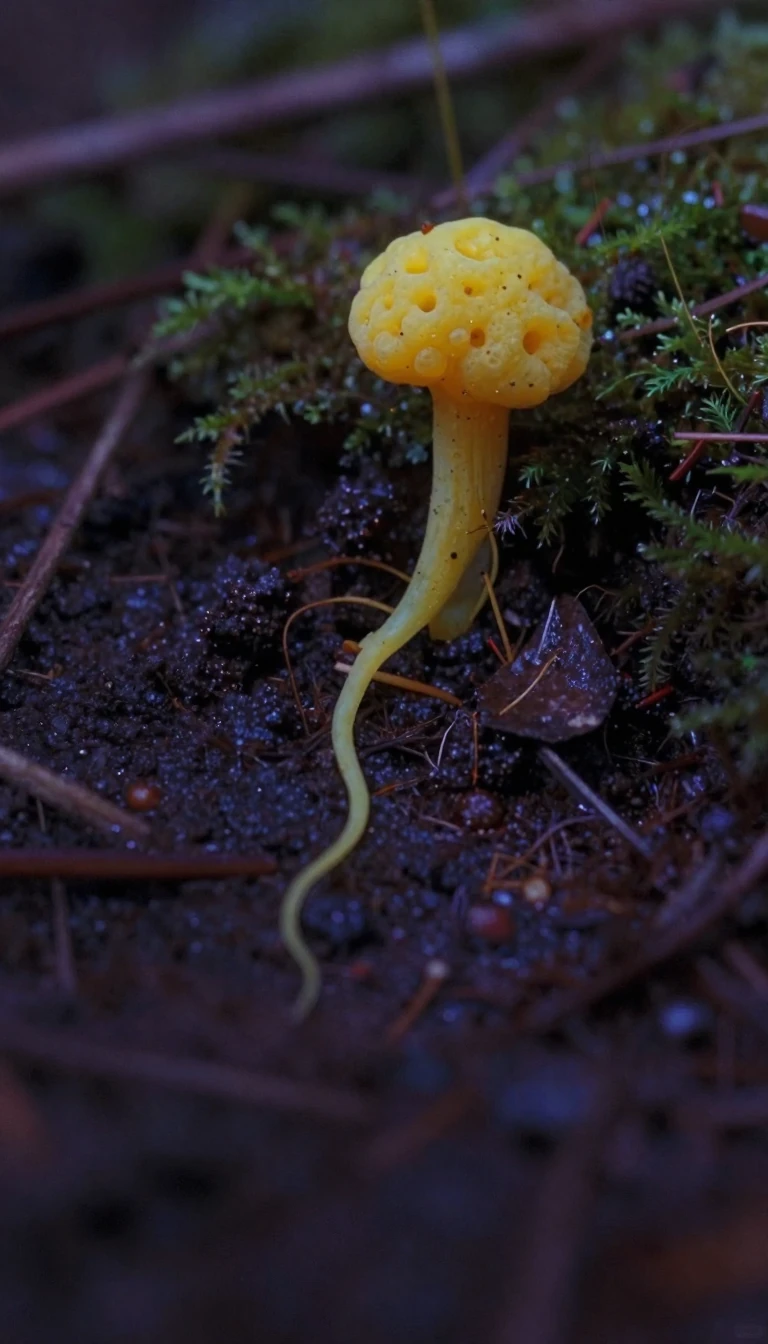 Beyond the basics: how life across the planet masters the art of reproductionMating is far more than a simple pairing of opposites. From the complex chemical signaling of insects to the stress-induced sexual shifts in fungi and protists, life employs a sta…
- Mesocarnivores are the essential, flexible middle-managers of the natural world's complex food webs.Defined by a diet of 30 to 70 percent meat, mesocarnivores occupy a critical niche between apex predators and herbivores. From the adaptable coyote to the specialized river otter,…
- Beyond birds: how animals build complex, life-sustaining architecture across the natural worldNests are far more than simple twig cradles. From termite mounds that function as climate-controlled cities to wasp nests that serve as paper-walled nurseries, animals across the …
 Why animals and humans alike are obsessed with the ritual of personal groomingGrooming is far more than a simple hygiene routine. From birds waterproofing their feathers to flies following a strict, hard-coded sequence of cleaning, it is a fundamental biolo…
 Why the four-legged stance remains the fundamental blueprint for most terrestrial vertebratesQuadrupedalism is more than just walking on all fours. It is the ancestral design for most land-dwelling vertebrates, yet nature has constantly tinkered with this plan. From the k…
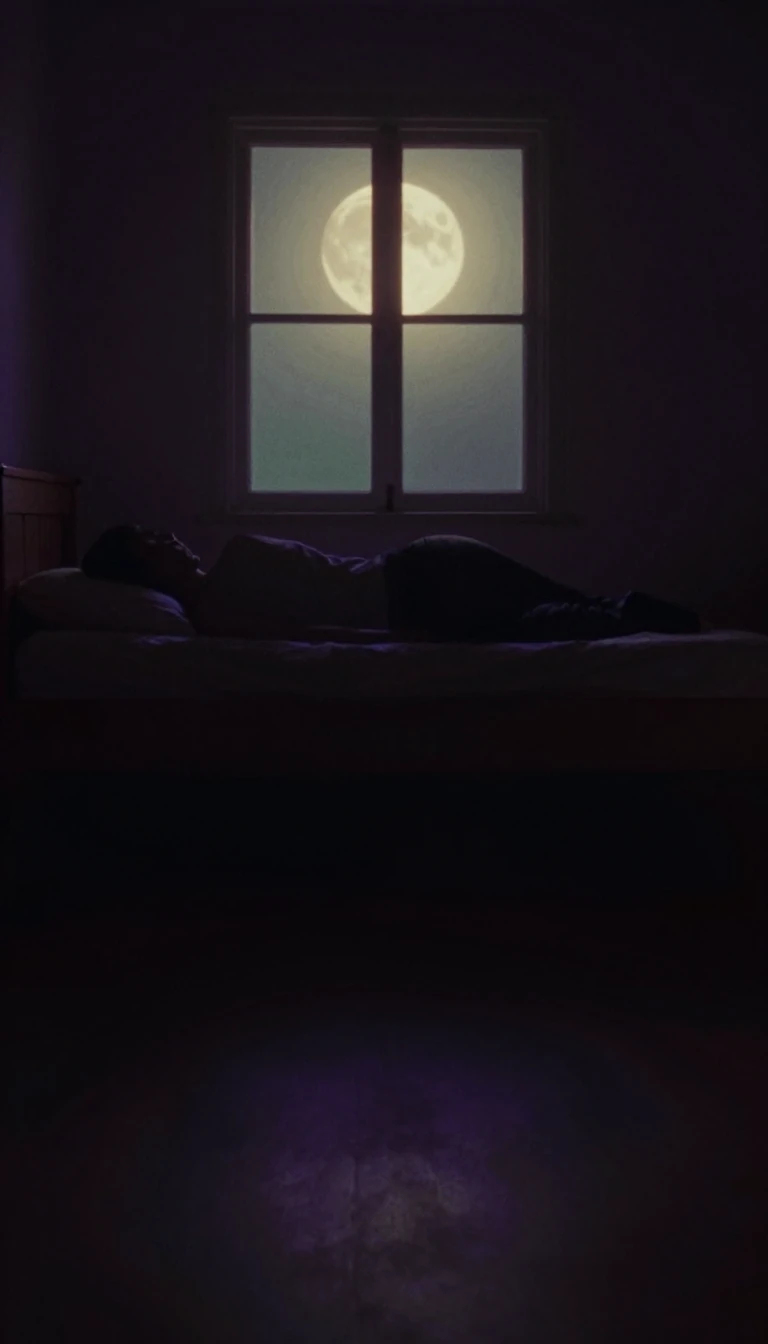 Sleep is a universal biological necessity, even for creatures without a brain.While we often view sleep as a luxury or a simple rest period, it is a fundamental, ancient biological requirement. From jellyfish and simple polyps to complex mammals, almost eve…
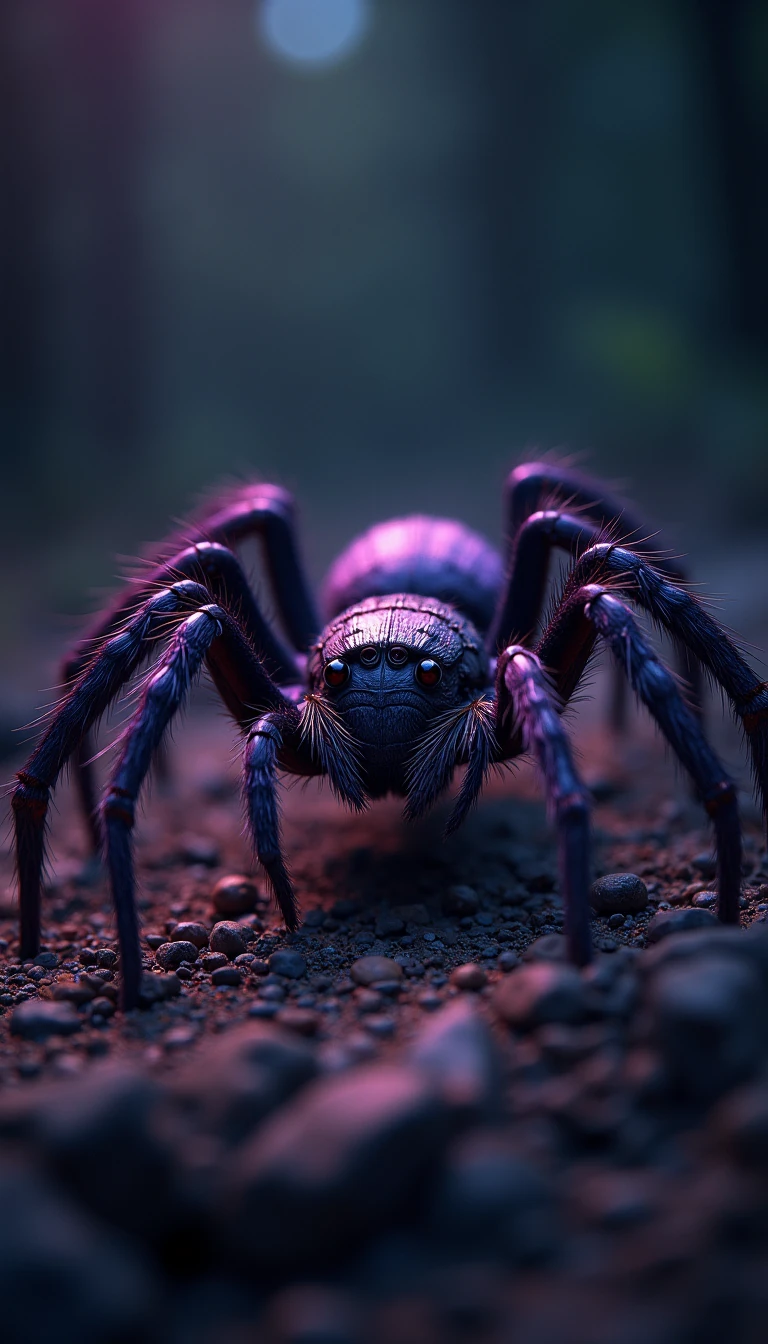 Spider webs are sophisticated engineering marvels that spiders recycle to save precious protein energy.A spider web is far more than a simple trap. These structures, built from proteinaceous silk, are feats of natural engineering that spiders often consume daily to recover resource…
 How simple local rules create the complex, coordinated movements of a massive swarmFrom the synchronized flight of bird flocks to the cooperative transport of robotic swarms, collective motion emerges without a central leader. By following basic rules like colli…
 Why do animals move, and how do they overcome the constant pull of gravity?Movement is a fundamental biological necessity, yet the mechanics behind it vary wildly across environments. Whether crawling, walking, or jumping, every animal must solve the sam…
 Why nature almost never builds a three-legged animal for walkingWhile bipedal and quadrupedal movement dominate the animal kingdom, true tripedalism is an evolutionary rarity. Bilateral symmetry became a fundamental biological blueprint long b…
 Why do myths across the globe feature creatures with only a single leg?From the storm deities of the Maya to the mischievous spirits of Brazil and Japan, the uniped—a creature possessing only one leg—is a recurring figure in human storytelling. Wheth…
 Waking from a coma is not like waking from sleep; it is a complex process.Emerging from a coma is rarely a sudden return to full awareness. Unlike the restorative transition of ordinary sleep, recovery from a coma is a gradual, often disorienting proces…
- Why do we yawn? It is a mysterious reflex that remains scientifically debated today.Yawning is a universal vertebrate behavior, yet its primary purpose remains elusive. While often linked to fatigue or boredom, this complex reflex involves intense muscle stretchi…
 How did the human heart evolve from its earliest common ancestor?Tracing the origins of the heart reveals a complex biological journey spanning hundreds of millions of years. This video explores the iterative development of the heart's structur…
- Why blood is not always red: the surprising diversity of animal circulatory systemsBlood is a revolutionary evolutionary feature that has undergone constant change over hundreds of millions of years. This video explores how different animal groups developed dist…
- The giant panda's evolution from carnivore to bamboo-eating herbivore is surprisingly complex.Giant pandas belong to the order Carnivora, yet they subsist almost entirely on bamboo. This video explores the evolutionary history of how these bears transitioned to an herbivor…
- Why moving fish at the Houston Zoo is a surprisingly complex logistical challengeTransporting fish between tanks at the Houston Zoo involves more than just a net and a bucket. This look at zoo operations reveals the technical and careful planning required to m…
- Meet the simplest animal on Earth, a tiny living blob that defies easy classification.Placozoa are marine invertebrates so basic they lack mouths, nerves, and organs. These flat, microscopic blobs move by ciliary motion and feed by engulfing organic detritus. Despi…
- The word ranch traces back to a military mess hall where soldiers ate together.While we associate ranches with the Wild West and vast cattle herds, the term actually evolved from the French se ranger, meaning to arrange oneself. It originally described a cir…
 Human evolution is not a straight line but a complex, branching family bush.We often imagine human history as a linear march toward modernity, but the fossil record reveals a messy, interconnected story. Our ancestors lived alongside other hominin species…
 Why did medieval Europeans believe a ghostly army was hunting through the night sky?Across centuries and borders, folklore describes a terrifying, spectral cavalcade thundering through the air. Known as the Wild Hunt, this supernatural procession of dead souls an…
 Assassin bugs use a lethal, liquefying saliva to turn their prey into a meal.Known as assassin bugs, the Reduviidae family are master ambush predators. With a formidable proboscis, they inject a potent, tissue-dissolving saliva that liquefies their prey fr…
 Beyond the strike: the surprising maternal instincts of the world's deadliest vipersVipers are often viewed as cold-blooded killers, but this documentary reveals a hidden, softer side to their nature. By following three specific mothers across extreme environment…