 Intellect Plus
Biochemistry and molecular biology
66 cards. Each one is a 40-second story with a five-minute read behind it.
 The molecular blueprints: understanding the machinery of lifeThis video introduces the fundamental building blocks of molecular biology, covering the structural components of DNA and RNA. It provides the essential vocabulary needed to under…
 How your cells manage the corporate production of life's proteinsThink of your cells as massive industrial bakeries. To stay alive, they must constantly adjust their output of protein "baked goods" to meet shifting demands. By treating genes li…
 The molecular machinery that powers every heartbeat and thoughtLife is not a mystical force; it is a series of complex chemical reactions occurring at the molecular level. By bridging biology and chemistry, biochemistry reveals how organisms …
 Mastering the chemical machinery that fuels human lifeThis overview breaks down the 13 essential metabolic pathways required for MCAT mastery. It explains how these biological processes interact to convert precursors into the energy …
 The blurry line between chemistry and life's instructionsIs a protein a chemical structure or an instruction for life? The answer depends on whether you are looking through the lens of biochemistry or molecular biology. While these fiel…
 Where does life end and chemistry begin?The boundary between a living cell and a chemical reaction is increasingly blurred. While biology, chemistry, and biochemistry are often treated as distinct academic paths, modern…
 How scientists find a single needle in a genetic haystackEvery human cell contains about 2 meters of DNA, meaning even a tiny tissue sample holds kilometers of genetic material. To study specific traits, researchers must isolate one pre…
 The molecular blueprints that govern every living cellThis comprehensive guide explores how life operates at its most fundamental level. From the historical discovery of DNA to modern AI-driven genomics, it explains the core mechanis…
 Why Allen Carr believed willpower is the wrong tool for quitting nicotine addictionAllen Carr transformed smoking cessation by arguing that smokers do not need willpower to quit. Instead, he proposed that quitting is an act of escape from a psychological trap. B…
 Why some people cannot form new memories while their past remains perfectly intactAnterograde amnesia is the inability to create new memories following a specific event. While patients may struggle to recall a conversation that happened seconds ago, their long-…
 Unlike typical stimulants, this Russian drug boosts energy by rewriting your brain's gene expression.Bromantane is an atypical stimulant that avoids the addictive pitfalls of traditional drugs like amphetamines. Instead of forcing dopamine release, it triggers the body to produce…
 Why long-term cannabis users sometimes suffer from paradoxical, severe, and cyclical vomiting episodes.Cannabinoid hyperemesis syndrome is a puzzling condition where chronic marijuana use leads to intense, recurring nausea and vomiting. Paradoxically, while cannabis is often used t…
 Carisoprodol was designed to be safer than its predecessor, but it carries hidden risks.Developed in 1959 as a muscle relaxant with lower addiction potential than meprobamate, carisoprodol is now a Schedule IV controlled substance. While it effectively treats acute m…
 Synthetic cathinones are a rapidly evolving class of substances derived from the khat plant.Derived from the natural alkaloid cathinone found in the Catha edulis shrub, synthetic cathinones are beta-keto analogs of amphetamine. These substances have become a major catego…
 How darknet markets evolved from simple forums into sophisticated, resilient global black marketsBorn from early internet drug-trading forums, darknet markets have transformed into complex, eBay-like ecosystems. Despite constant law enforcement pressure, these platforms conti…
 Why your favorite sweets stay creamy and moist long after they are madeInverted sugar syrup is the secret behind the perfect texture of chocolates, jams, and candies. By splitting sucrose into glucose and fructose, this mixture prevents crystallizati…
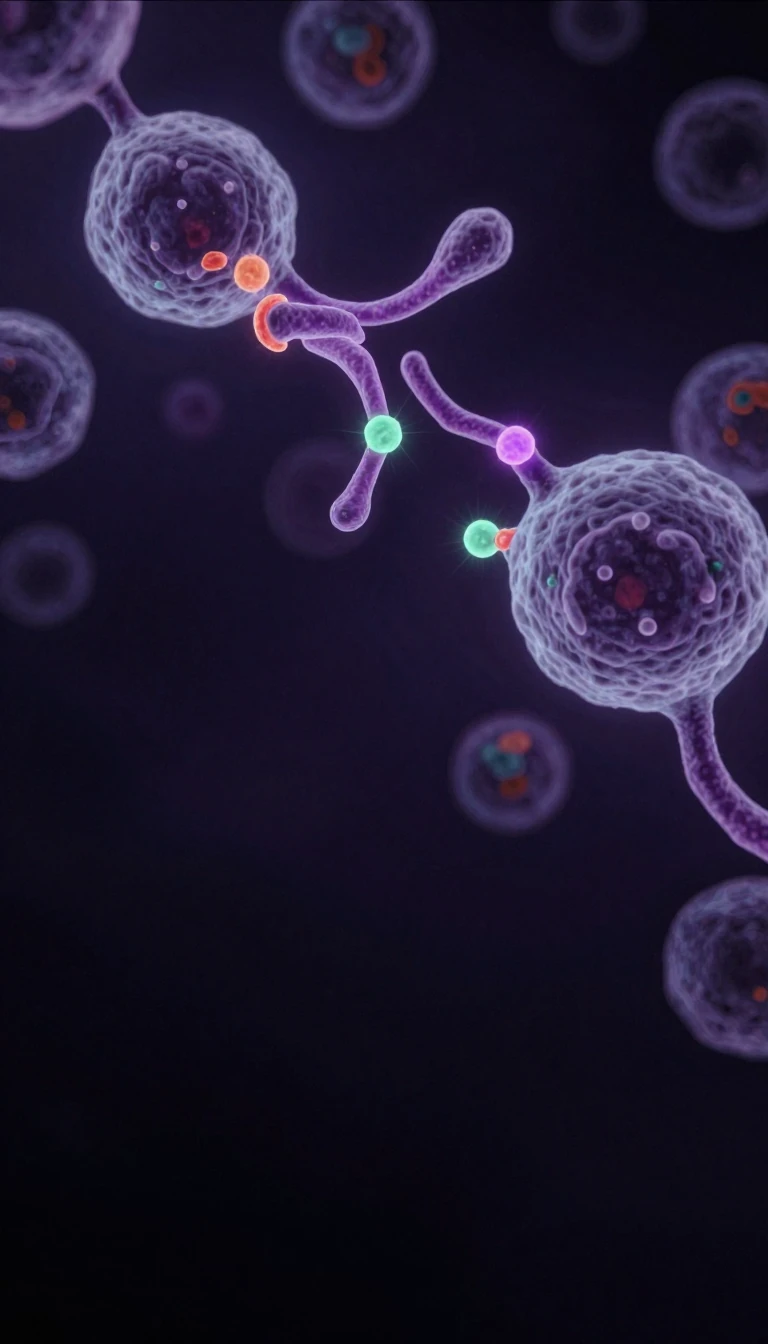 Lectins are nature's biological glue, capable of both life-sustaining signals and lethal toxicity.These carbohydrate-binding proteins exist in every kingdom of life, acting as molecular scouts that recognize specific sugars. While they are essential for immune defense and cell…
 Why the dark, sticky sugar in your pantry lacks a single legal definitionMuscovado is a complex, mineral-rich sweetener derived from sugarcane juice, yet it remains shrouded in ambiguity. Because no international standards exist to define it, the term …
 Phentermine: The enduring appetite suppressant that survived the infamous fen-phen eraApproved in 1959, phentermine remains a widely prescribed obesity treatment despite its chemical kinship with amphetamines. While its former partner, fenfluramine, was pulled from…
- Prostaglandins are the body's local chemical messengers, regulating everything from inflammation to labor induction.These hormone-like lipid compounds act as powerful, localized signals throughout your body. Unlike endocrine hormones produced in specific glands, prostaglandins are synthesized i…
 How a common nasal decongestant works by tricking your body's blood vesselsPseudoephedrine is a staple of medicine cabinets, yet its ability to clear a stuffy nose relies on a precise, indirect manipulation of your nervous system. By triggering the relea…
 How a 1930s recovery framework evolved into a global model for behavioral changeBorn in Akron, Ohio, in 1935, the twelve-step program began as a mutual aid solution for alcoholism. Today, this approach has expanded into over 200 distinct fellowships, addressi…
 Why the world's most popular IQ test was built to challenge childhood normsDavid Wechsler designed his landmark intelligence scale to fix what he saw as fundamental flaws in existing tests. By ditching age-based groupings for a point-based system and cre…
 The potent steroid hormone that shapes the human brain and bodyOften called the primary female sex hormone, estradiol does far more than regulate reproductive cycles. From influencing bone density and skin elasticity to sculpting the architec…
 Growth hormone is not just for height; it is a master regulator of metabolism.Produced in the pituitary gland, growth hormone is a 191-amino acid polypeptide that orchestrates everything from bone mineralization to muscle hypertrophy. While famous for drivi…
- Why the world’s most powerful psychedelic dissolves your sense of reality and selfUnlike classic psychedelics that construct intricate visual worlds, 5-MeO-DMT strips away sensory content entirely. It plunges users into a state of pure awareness, where time, sp…
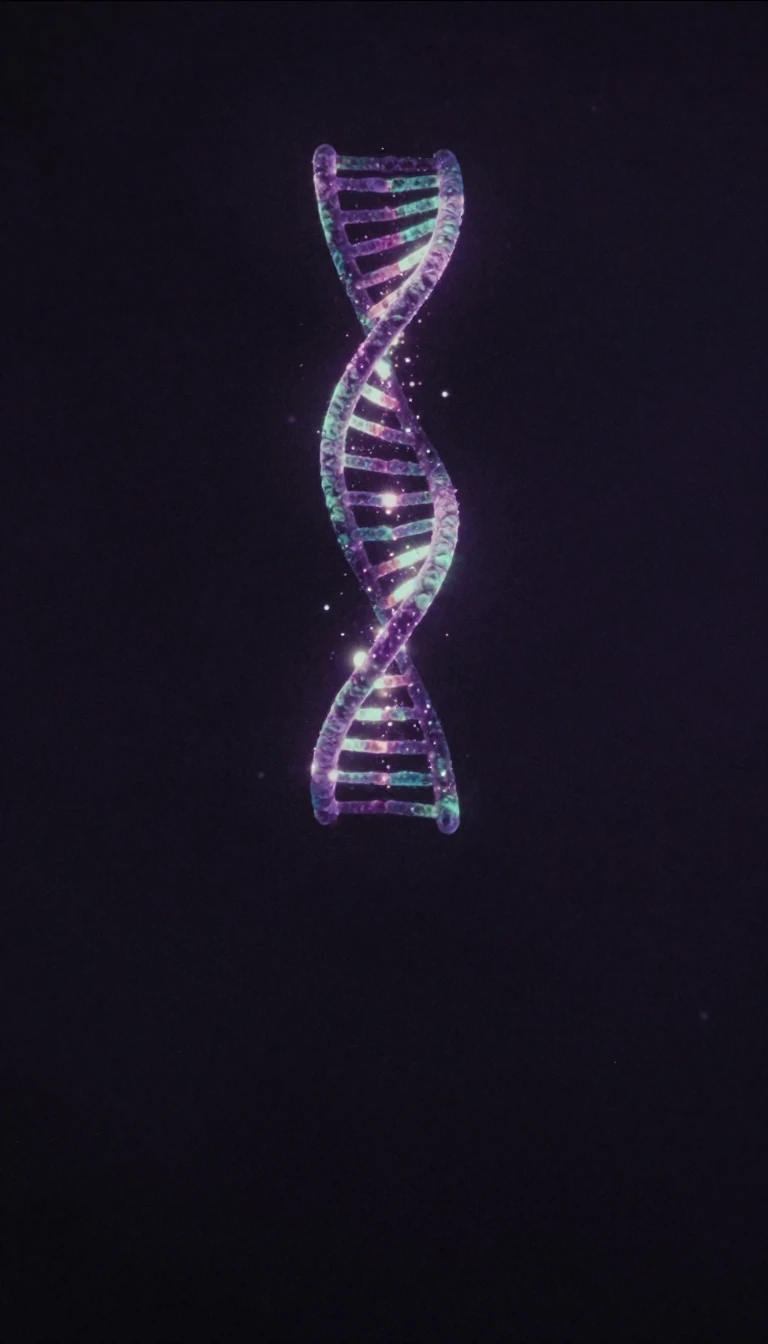 DNA was found in 1869 and ignored as the stuff of heredity for decadesFriedrich Miescher pulled a strange substance out of cell nuclei at Tübingen in 1869 and called it nuclein. Seventy-five years passed before an experiment showed it carried geneti…
 The so-called love hormone is really a Greek word for swift birthOxytocin gets called the cuddle or love hormone, but its name comes from Greek words meaning swift childbirth. It was discovered as a chemical that makes the womb contract. Only l…
 A startled pronghorn warns its herd with a smell like buttered popcornWhen a pronghorn antelope senses danger, it flares the white hair on its rump and exposes two glands that release a scent people have likened to buttered popcorn. Humans can smell…
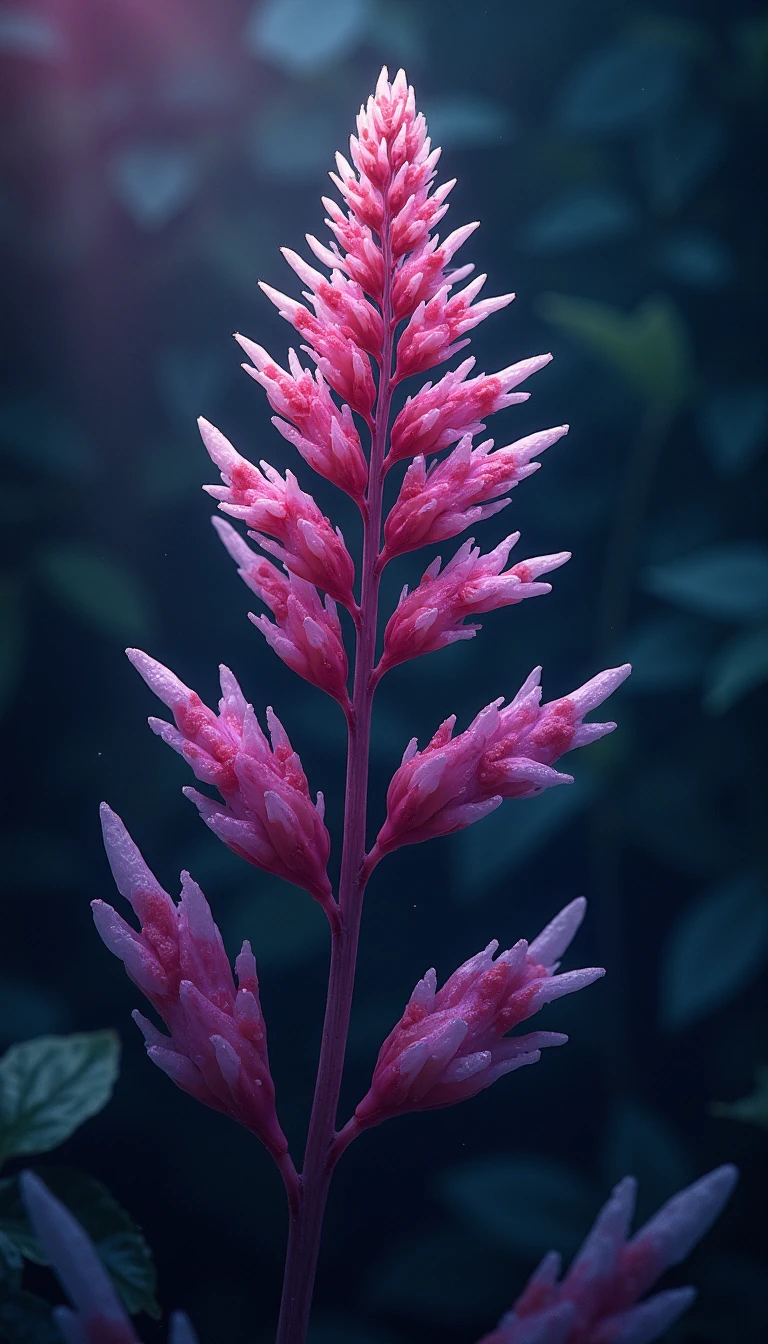 Plants run on hormones without a single gland to make themAnimals make hormones in dedicated glands. Plants have none, yet almost any plant cell can produce the signalling chemicals that control growth, flowering, defence and dormancy. T…
 The protein figure on a food label is really a nitrogen countNobody weighs the protein in your breakfast cereal directly. Standard tests measure the total nitrogen in a sample and multiply it by 6.25, since proteins average about 16 percent…
 Starch stiffened Elizabethan ruffs long before it thickened modern gravyThe word starch comes from a Germanic root meaning strong or stiff, and German Stärke still means both strength and starch. For centuries its big uses were stiffening linen and si…
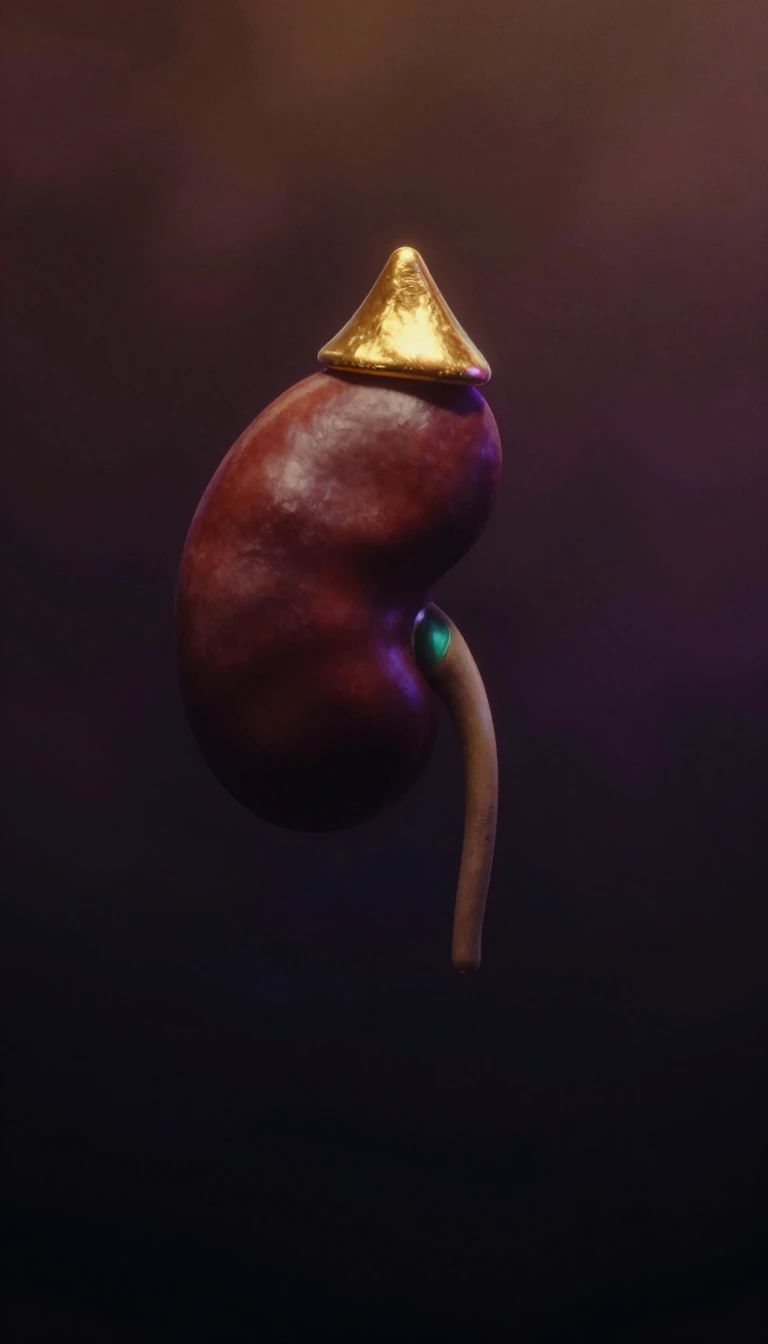 Steroids take their name from a waxy substance first found in gallstonesTestosterone, cortisol, cholesterol and the anti-inflammatory drug dexamethasone look nothing alike in what they do, yet all share the same skeleton of four fused carbon rings. Th…
 A young German pharmacist pulled the first drug molecule out of a plantIn 1804 Friedrich Sertürner extracted a pure substance from opium and named it morphium, after Morpheus, the Greek god of dreams, because it sent people to sleep. It is thought to…
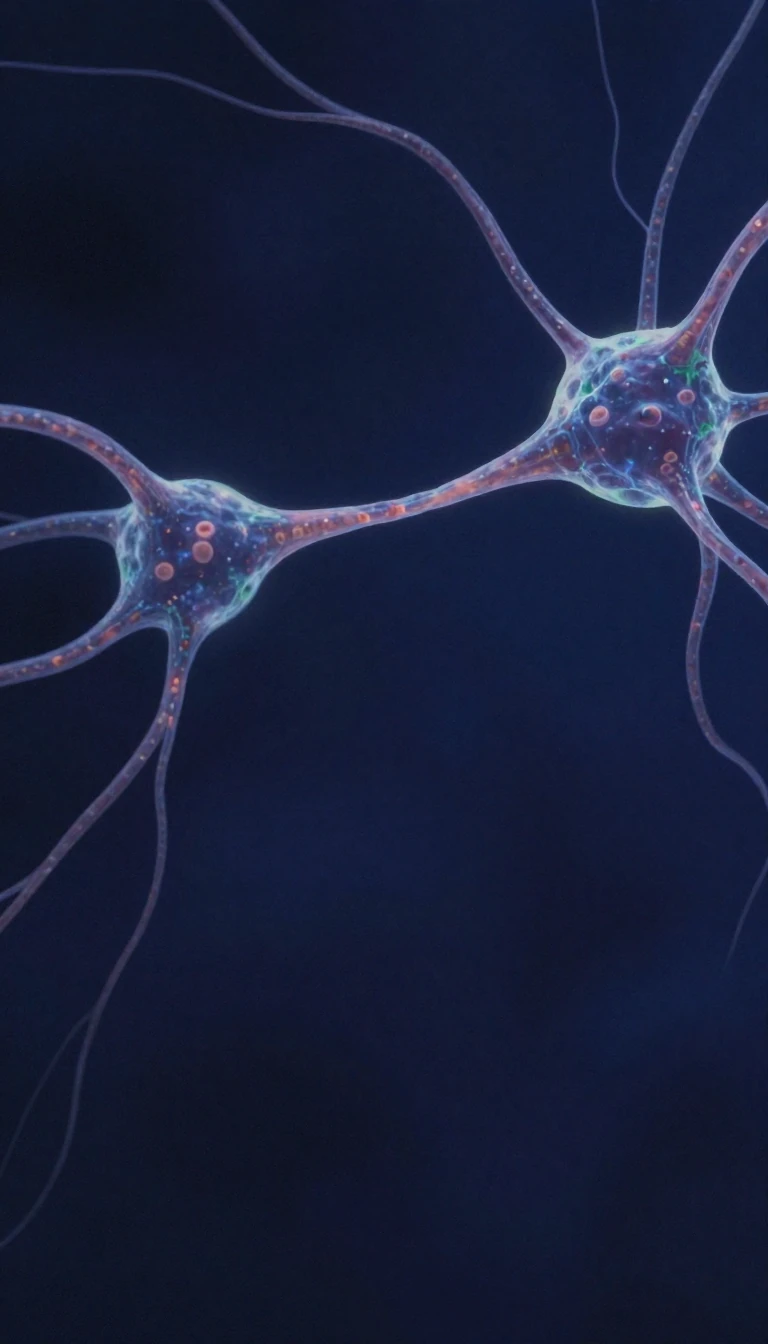 A gap narrower than a virus proved that brain cells talk chemicallyInto the twentieth century, most scientists pictured nerve cells passing signals electrically, like wires spliced together. Then Santiago Ramón y Cajal spotted a gap of just 20 to…
 Tobacco makes nicotine to poison the insects that try to eat itNicotine evolved as a plant's chemical weapon: to insects it is a potent neurotoxin. Farmers sprayed tobacco extracts on crops from at least 1690, and Americans bought it as a gar…
- For four years the word lactose belonged to an entirely different sugarMilk sugar got its name from Jean-Baptiste Dumas in 1843. Then in 1856 Louis Pasteur crystallised one of its building blocks and called that lactose too. Marcellin Berthelot untan…
 A French committee vote in 1923 finally gave fats and waxes one nameFor a century chemists argued over lipoid, lipin and lipide, each author using the terms differently. On 3 July 1923 an international commission of French biological chemists unan…
 Every human skin tone mixes its two main pigments in nearly the same ratioPale or deep brown, human skin holds roughly three parts dark eumelanin to one part reddish pheomelanin, around 74 to 26 percent. What varies from person to person is the total qu…
- Soiled bandages and a kitchen blender helped prove genes are made of DNAIn 1869 Friedrich Miescher scraped cells off pus-soaked bandages and found an odd phosphorus-rich substance he called nuclein. Decades later, Alfred Hershey and Martha Chase used …
 Every estrogen in your body starts life as an androgen like testosteroneThe so-called female hormone is built from male ones. An enzyme called aromatase converts testosterone and androstenedione into estrogens, and in both sexes androgens actually cir…
- Your brain cannot burn fat directly, so the body turns part of it into sugarA gram of fat holds about nine food calories, more than twice as much as carbohydrate, which is why animals store energy this way. But the brain cannot run on fatty acids. When it…
- Why natural fatty acids almost always have an even number of carbonsCells build fatty acids two carbon atoms at a time, adding pairs in a repeating cycle, so nearly every natural chain ends up even-numbered. The kinks in those chains matter as muc…
- Fructose is the sweetest natural sugar, and it hits the tongue firstGram for gram, fructose tastes roughly 1.2 to 1.8 times as sweet as table sugar, making it the sweetest carbohydrate found in nature. Its sweetness arrives sooner, peaks higher an…
- Working out one sugar molecule helped earn a string of Nobel PrizesGlucose is life's main fuel, made from water and carbon dioxide by plants and burned by every organism. Understanding it proved so central to chemistry and medicine that it earned…
- Your muscles hoard sugar they refuse to share with the rest of your bodyAn adult's muscles hold roughly 400 grams of glycogen, several times what the liver stores. Yet muscle cells lack the enzyme needed to release glucose into the blood, so that fuel…
- The chemist mocked in 1825 for weighing a molecule too big to believeJohann Friedrich Engelhart noticed that hemoglobin carries iron in a fixed ratio across species, and from iron's atomic mass he worked out a molecular weight in multiples of 16,00…
 Roosters, bending seedlings and cut nerves revealed the body's chemical messengersIn 1849 Arnold Berthold moved a rooster's testis into its abdomen and watched the bird keep crowing and strutting as normal. Location did not matter, he reasoned, so something che…
- Insulin keeps racking up firsts in the history of protein scienceInsulin was the first peptide hormone ever found, the first protein to have its full amino acid sequence read, the first protein made by chemical synthesis and the first produced …
- Dopamine is not the pleasure chemical; it flags what is worth pursuingHeadlines call dopamine the molecule of pleasure. Pharmacologists now describe it differently: it marks how strongly an outcome should attract or repel us, steering behaviour towa…
 Your morning coffee may mostly be curing yesterday's coffeeCaffeine works by impersonating adenosine, a molecule that makes the brain feel tired, and blocking its receptors. But in regular drinkers tolerance builds fast, and researchers a…
- Sugars coat your cells and can switch proteins on and offCarbohydrates are not just fuel in bread and pasta. Sugar chains decorate the outside of cells, help them recognise one another, guide how proteins fold, and in some cases act as …
- Flamingos are pink because of what they eat: carotenoid pigmentsThe orange of carrots, the red of tomatoes and salmon, the yellow of egg yolks and the colour of flamingo feathers all come from one pigment family. More than 1,100 carotenoids ar…
- Starch and cellulose are both glucose, joined by a bond that changes everythingPotatoes and paper are made of the same sugar. Starch links its glucose one way and coils into something we digest easily; cellulose links it the other way into straight, stiff ro…
- Chemical biologists build molecules to interrogate living cellsBiochemistry asks what chemistry goes on inside living things. Chemical biology flips the question, using synthetic molecules as tools to probe and steer cells, from sugars that t…
 Chitin armours insects, colours butterflies, and makes a beetle unusually whiteAbout a billion tonnes of chitin are made in the living world every year, second only to cellulose among natural polysaccharides. It forms crab shells and mushroom cell walls, and…
 Leaves look green because chlorophyll rejects the green lightChlorophyll soaks up blue and red light and handles green poorly, so green is what bounces back to our eyes. Its real job is splitting water with captured sunlight, a reaction tha…
- Cholesterol is why animal cells can live without wallsPlants and most bacteria wrap their cells in rigid walls. Animal cells instead stiffen their flexible membranes from within, slotting cholesterol between the fatty molecules. The …
 Cocaine once transformed surgery as a local anaesthetic, then medicine abandoned itKarl Koller's discovery that cocaine numbs tissue is ranked the second most important advance in the history of anaesthesia. Today it is almost gone from hospitals, displaced by s…
- You recycle roughly your own body weight in ATP every dayAn average adult makes and breaks down about 50 kilograms of ATP daily, yet holds only a tiny amount at any moment. The molecule works like a rechargeable battery, spending one ph…