Lectins are nature's biological glue, capable of both life-sustaining signals and lethal toxicity.
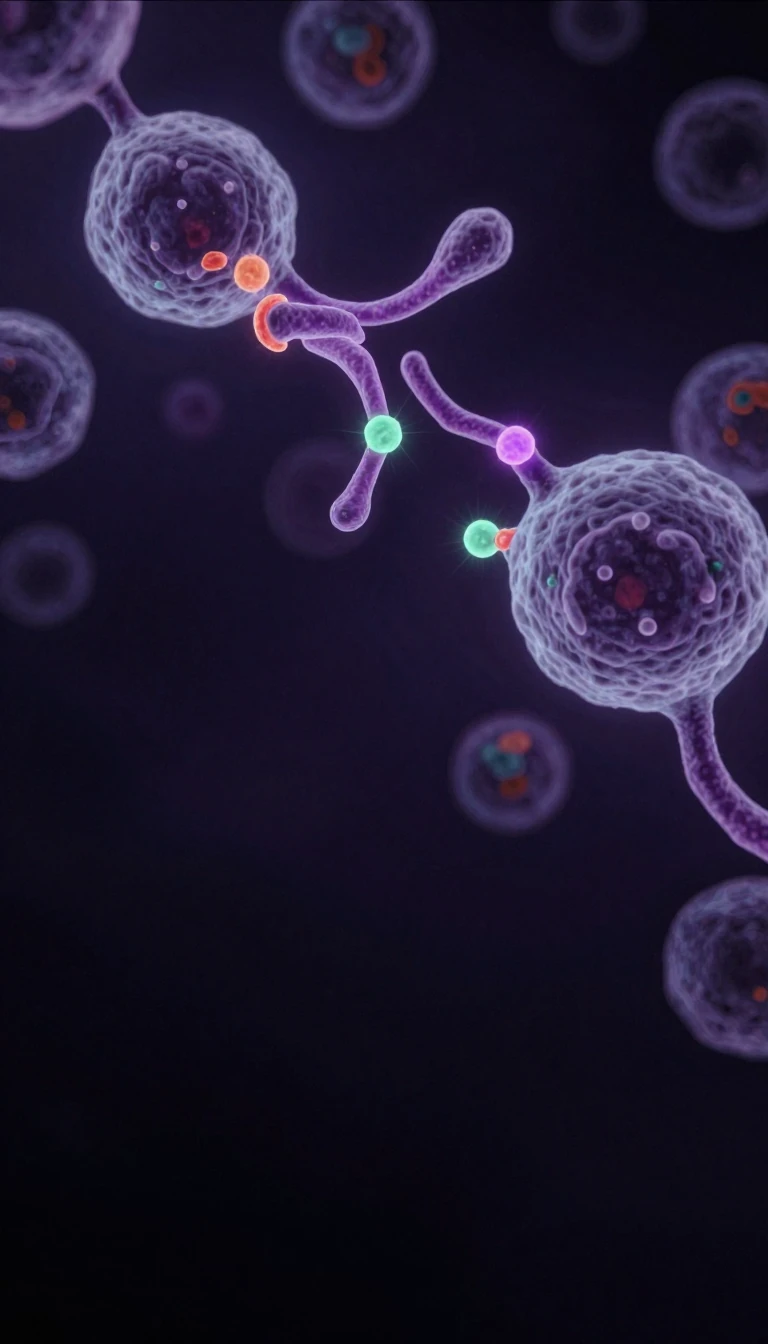
In short: These carbohydrate-binding proteins exist in every kingdom of life, acting as molecular scouts that recognize specific sugars. While they are essential for immune defense and cell communication, their ability to agglutinate cells makes them powerful tools for blood typing and, in extreme cases, deadly biological weapons.
Lectins are proteins defined by their ability to bind specifically to sugar groups. Because they can attach to multiple sugar moieties simultaneously, they act as a biological adhesive, causing cells or glycoconjugates to clump together, or agglutinate. This property is fundamental to how organisms recognize foreign invaders, signal bone growth, or even target enzymes for delivery to lysosomes. Because they are found in all domains of life, lectins have evolved diverse structures and functions, ranging from simple recognition to complex defense mechanisms.
In the clinical and research world, this binding specificity is invaluable. Lectins are used to identify blood types, trace neural pathways, and purify glycoproteins through affinity chromatography. However, this same mechanism can be hijacked. Pathogens like bacteria and viruses use surface lectins to anchor themselves to host cells, and some, like the Ebola virus, paradoxically exploit the host's own immune lectins to gain entry. The most extreme example is ricin, a two-component toxin where one domain acts as a lectin to bind the cell surface, while the other halts protein synthesis, leading to cell death.
The role of lectins in human nutrition is frequently misunderstood. While raw plants often contain lectins as a defense against predation—which can cause nutritional deficiencies or digestive distress if consumed in large, raw quantities—proper preparation like boiling or fermentation typically inactivates them. Despite this, recent trends promoting 'lectin-free' diets have gained traction. These claims, popularized by figures like Peter J. D'Adamo and Steven Gundry, are widely regarded by the scientific community as pseudoscience. They often misinterpret basic biochemistry or cite irrelevant studies, ignoring the fact that the human body is well-adapted to handle the lectins found in a standard, properly prepared diet.
Opens the Intellect+ feed with this card first. Swipe up for the next one.
Sources
- Summary by Intellect · source: Lectin
To cite this card, link to https://intellectplus.co.uk/app/science-lectin.
How we source, check and correct cards: Editorial standards.
General information, not professional advice. Spotted an error? Flag the card or see corrections and complaints.
Intellect Plus is a visual educational discovery platform for exploring fascinating facts and ideas. Brain Food, Not Brain Rot. What is Intellect Plus?
Related
More in Biochemistry and molecular biology · More in Science · Latest · A–Z · All topics
