 Intellect Plus
Biological processes and physiology
112 cards. Each one is a 40-second story with a five-minute read behind it. Page 2 of 2.
 The Cocker Spaniel: How a Single Hunting Dog Split Into Two Distinct Global IconsOriginally bred to flush out the Eurasian woodcock, the Cocker Spaniel has evolved into two separate breeds: the American and the English. While they share a common ancestry, sele…
 The cabbage white butterfly is a global traveler that conquered continents through human trade.Known as the cabbage white, this butterfly is a master of adaptation. Originally from the Eastern Mediterranean, it has spread across the globe, hitching rides on human trade rout…
 Beyond milk: The hormone that governs everything from hair growth to sad musicWhile famous for enabling lactation, prolactin is a biological multitasker involved in over 300 vertebrate processes. From regulating immune responses and metabolism to influencin…
 Can we pause human life to cheat death during medical emergencies?Suspended animation is the deliberate slowing or stopping of biological functions to preserve life. While common in nature, from hibernating animals to ancient microorganisms, sci…
 The green plant you see is only half of its own life cycleThe trees, shrubs and flowers you see are just one of two generations. Botanists call this visible, double-chromosome phase the sporophyte; it alternates with a tiny single-set ge…
 One frog's tadpole grows to 27 centimetres, then shrinks as it maturesThe paradoxical frog earns its name. Its tadpoles can stretch to 27 centimetres, longer than any other frog larva, yet the adult that emerges measures only a few centimetres from …
 Cold-blooded animals are often just as warm as warm-blooded onesCalling reptiles and fish cold-blooded is misleading. Their bodies often sit in the same temperature range as mammals. The real difference, which John Hunter pinned down through m…
- A large oak can breathe out 150,000 litres of water a yearPlants drink far more than they need. Of all the water their roots absorb, only a sliver goes into growth and metabolism; somewhere between 97 and 99.5 percent escapes into the ai…
 Sex costs half your genes, so why did evolution keep it?On paper, sexual reproduction is a bad deal. An asexual population, where every individual can bear young, should grow much faster, and a sexual parent passes on only half of its …
 Some fungi fire their spores with an acceleration above 10,000 gMany fungi do not wait for the wind. Certain species launch single spores using a tiny water droplet, known as Buller's drop, that flings each one off at a starting acceleration t…
 In South Africa, some protea flowers are pollinated by miceCertain proteas hold their blooms near the ground, smell yeasty rather than sweet, and offer nectar laden with xylose that sunbirds refuse. Their customers are Cape spiny mice and…
 The standard 40-week pregnancy starts counting two weeks before conceptionDoctors date pregnancy from the first day of the last menstrual period, so the familiar 40 weeks includes roughly two weeks before fertilisation even happens. Measured from fertil…
 Boys start shorter than girls, yet end up about 13 centimetres tallerBefore puberty, boys average about 2 centimetres shorter than girls. By adulthood men are roughly 13 centimetres taller. The reason is timing: the male growth spurt starts later a…
- A caterpillar does not fully dissolve into soup inside its cocoonThe popular image of a larva melting into liquid inside its case is wrong. During the pupal stage, larval tissues are broken down while adult structures grow from clusters of cell…
 Why sex evolved at all remains one of biology's great puzzlesSexual reproduction looks like a bad bargain. Only half of a population, the females, bears young, and each parent passes on just half its genes. Biologists call this the two-fold…
 Each breath refreshes only a small share of the air in your lungsA resting breath brings in roughly 350 millilitres of fresh air, but it lands in about 2.5 litres of gas that never leaves the lungs between breaths. That reservoir, the functiona…
 Most of human seminal fluid comes from glands, not the testesSperm cells make up only part of semen. About 70 percent of the human fluid comes from the seminal vesicles, a sugary secretion rich in fructose, with more added by the prostate. …
 In 1702 Leeuwenhoek watched dried-out animalcules come back to lifeAntonie van Leeuwenhoek let the water around tiny rotifers evaporate, expecting them to burst. Instead they curled into ovals and waited; add water, and they swam again. He had gl…
 London's Royal Mews takes its name from the moulting of royal hawksIn medieval English, moulting was called mewing, from the French muer. The King's hawks were kept in the Mews while they shed their feathers, and after Tudor times the building be…
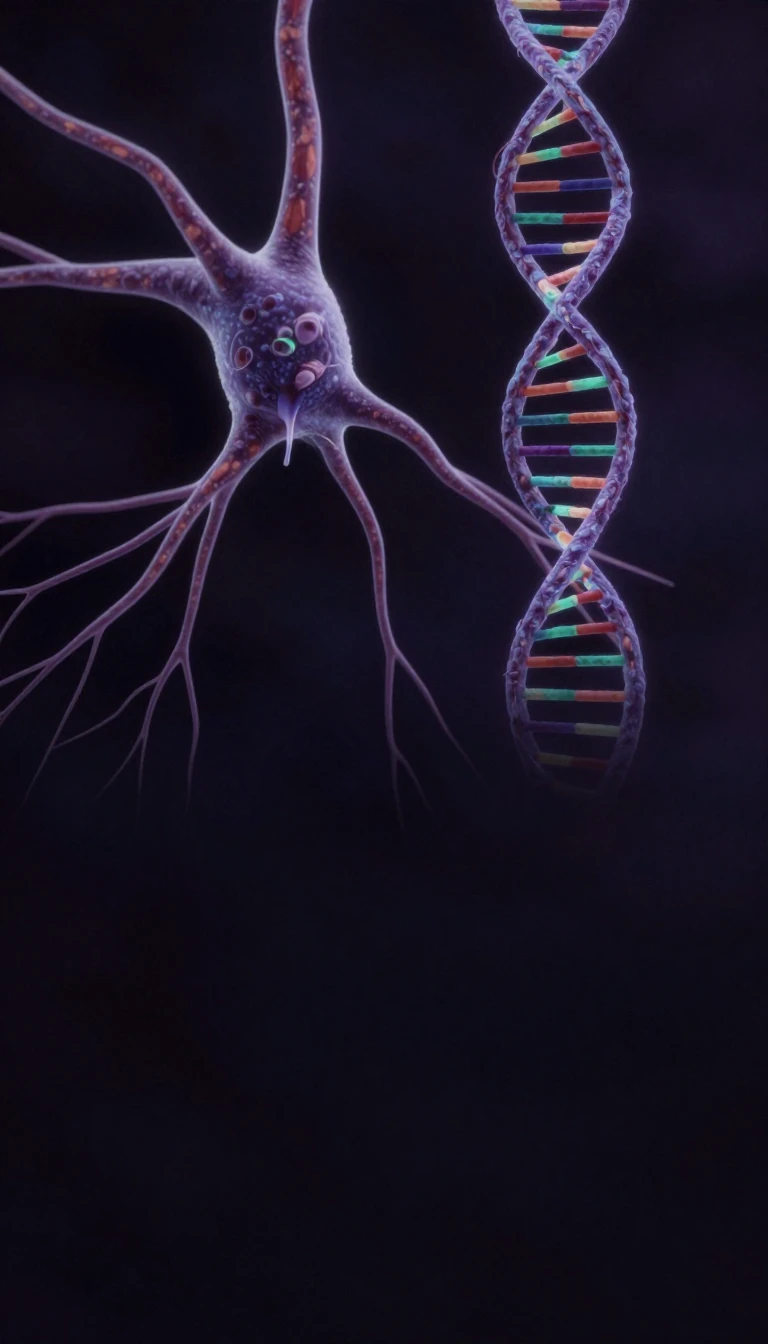 Walking downstairs, your thigh muscles contract while getting longerA contracting muscle need not shorten. Grip a heavy bag and your forearm works hard without moving at all; lower yourself down a staircase and your muscles lengthen while resistin…
 Ernst Haeckel claimed embryos replay evolution; a marine biologist turned it aroundIn 1866 Ernst Haeckel proposed that an embryo's growth briefly re-runs its species' evolutionary history, a slogan summed up as ontogeny recapitulates phylogeny. It did not hold u…
- Photosynthesis captures about eight times the power human civilisation usesGlobally, photosynthesis traps energy at roughly 130 terawatts and turns around 100 billion tons of carbon into living matter each year. It also filled the air with oxygen, making…
 A 19th-century physiologist modelled the body on Adam Smith's factoryIn the 1820s Henri Milne-Edwards borrowed economics to explain life. Organs, he wrote, are like workers in a factory, each labouring nonstop at its own task. That notion of a phys…
 Dandelions make seeds without fertilisation, cloning themselves through apomixisA dandelion clock looks like the product of sex, but many of those seeds are clones. Through apomixis, dandelions, hawkweeds, some citrus and Kentucky bluegrass form seeds without…
 Strictly speaking, a tree itself is neither male nor femaleEvery plant alternates between two generations. The big visible plant, whether oak or daisy, is a sporophyte that makes spores, not sex cells, so technically it has no sex. The tr…
 Each pollen grain is a tiny organism in its own right, not a spermPollen is often described as plant sperm, but each grain is really a miniature male plant, a gametophyte that produces sperm cells. Its armour, sporopollenin, is so tough that pol…
- Every plant lives two lives, and in mosses the hidden generation is the one you seePlants alternate between two separate multicellular bodies: one carrying a single set of chromosomes, one carrying two. In trees and flowers the double-set generation dominates an…
 Larvae are not ancestral throwbacks; many evolved later than the adultsIt is tempting to see a caterpillar or tadpole as a glimpse of its group's distant past. Often that is wrong. In insects the larval stage evolved secondarily, so a larva can diffe…
 Genes explain only about a quarter of how long people liveIt is easy to credit long-lived relatives for your own prospects, but twin studies suggest genetics accounts for only about 20 to 30 percent of the variation in human lifespan. Th…
 Separate sexes evolved many times over, and nobody knows when males first appearedMales and females did not arise once in some ancient ancestor. The split into two kinds of sex cell evolved independently in different lineages, a textbook case of convergent evol…
 Menopause strips about 30 percent of skin collagen within five yearsMenopause is officially diagnosed only in hindsight, after a full year without a period. Its effects reach far beyond the reproductive system. Falling hormone levels bring hot flu…
 A period is triggered not by a hormone rising but by one crashingThe monthly cycle is orchestrated from the brain, which releases hormones in pulses that tell the ovaries when to ripen and release an egg. If no embryo implants, a temporary glan…
- E. coli and elephants run their cells on the same chemical cycleA single-celled gut bacterium and a huge elephant look like they have nothing in common, yet deep inside their cells the same set of chemical reactions is turning over. The citric…
 The human egg is one of the few cells you can see without a microscopeAt roughly 120 micrometres across, the human egg cell is among the largest cells in the body, just visible to the naked eye. For more than a century biologists taught that females…
- Every organ in your body traces back to one of three cell layersSkin and brain, muscle and bone, gut and lungs: every tissue in an adult human can be traced to one of three sheets of cells that formed when you were an early embryo. The process…
 Birds excrete a paste instead of watery urine, trading energy for waterHow an animal disposes of nitrogen waste depends on how much water it can spare. Aquatic animals simply release toxic ammonia into the surrounding water. Land animals convert it i…
 Female and male share a spelling but not an originIn biology, being female comes down to one thing: producing the larger sex cell, the egg. The English word, meanwhile, has a quirky history. It descends from a Latin word for a li…
 Flowering plants fertilise twice, and a burst of oxygen chemistry releases the spermMost plant sperm cannot swim. Instead, a pollen grain grows a tube that tunnels through the flower to the ovule, where a chemical signal from the female tissue makes the tube burs…
 Elephants carry a fetus for 23 months; jumping mice need just 18 daysA fetal stage lets animals give birth to young that are already well developed, at a real cost to the mother. How long that takes varies enormously: placental mammals carry young …
 Sitting on a toilet is a 19th-century novelty; most people squatThe Western sit-down toilet feels universal, but it only spread in the 19th century with indoor plumbing. Most of the world, including much of Africa, Asia and the Middle East, us…
 A human embryo spends its first week dividing without growing at allAfter fertilisation, the single-celled zygote splits again and again inside a protective protein shell, yet a week later the embryo is no bigger than when it started. Only when it…
- A plant stays partly embryonic its whole life; an animal never doesBy the time an animal is born or hatches, it already has every body part it will ever have; from then on it simply grows and matures. A plant never finishes. Meristems at its tips…
 Your stomach coats itself in slime to survive its own acidGastric juice is built to dismantle protein, and the stomach wall is made of protein. To keep from digesting itself, the stomach secretes mucus and bicarbonate that form a slipper…
 The Amazon molly has no males, so it borrows sperm from a relativeThe Amazon molly is an all-female fish. To reproduce it needs sperm from a related species, the sailfin molly, but only to trigger development; the father's genes are discarded. I…
- Biologists define male and female by one thing: the size of sex cellsIn biology, male and female are defined not by chromosomes or anatomy but by gamete size. By convention, organisms producing small sex cells, sperm, are male; those making large o…
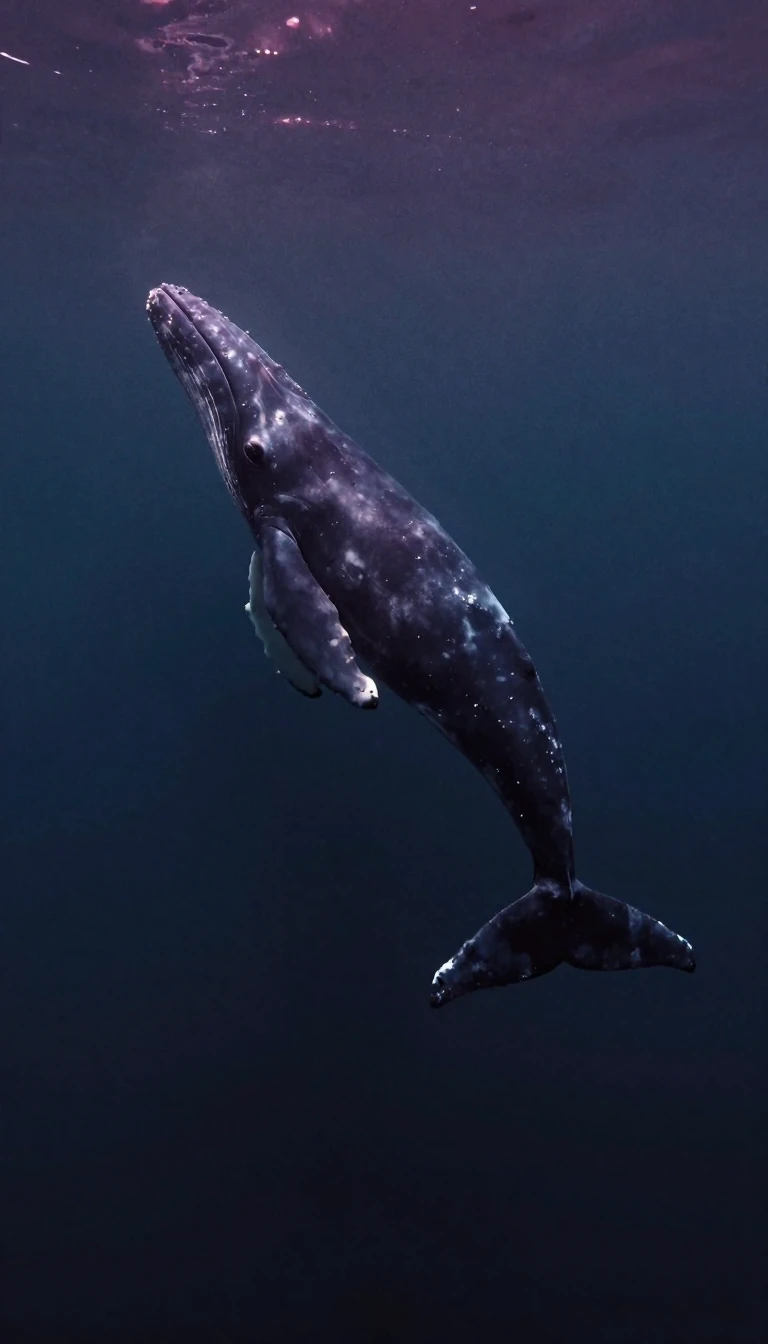 Whale calves arrive tail first so they don't drown during birthWhales, dolphins and porpoises usually give birth tail first, which lowers the risk of the calf drowning before it is fully out; the mother then nudges it up to breathe. Across th…
 All the sugar in your bloodstream adds up to about one teaspoonA healthy 75-kilogram adult with five litres of blood carries only about 5 grams of glucose in circulation, roughly a teaspoon of sugar. The body defends that tiny amount relentle…
 Your breathing is steered mostly by carbon dioxide, not oxygenIt feels as if we breathe to get oxygen, and we do, but the brain mostly sets the pace by tracking carbon dioxide. Sensors in the medulla respond to the acidity that CO2 creates i…
- Labour pain comes in two kinds, and only one yields easily to opioidsAbout 132 million babies were born worldwide in 2023. For the mothers, labour pain is not one sensation but two: a deep, visceral ache as the cervix stretches open, and a sharper …
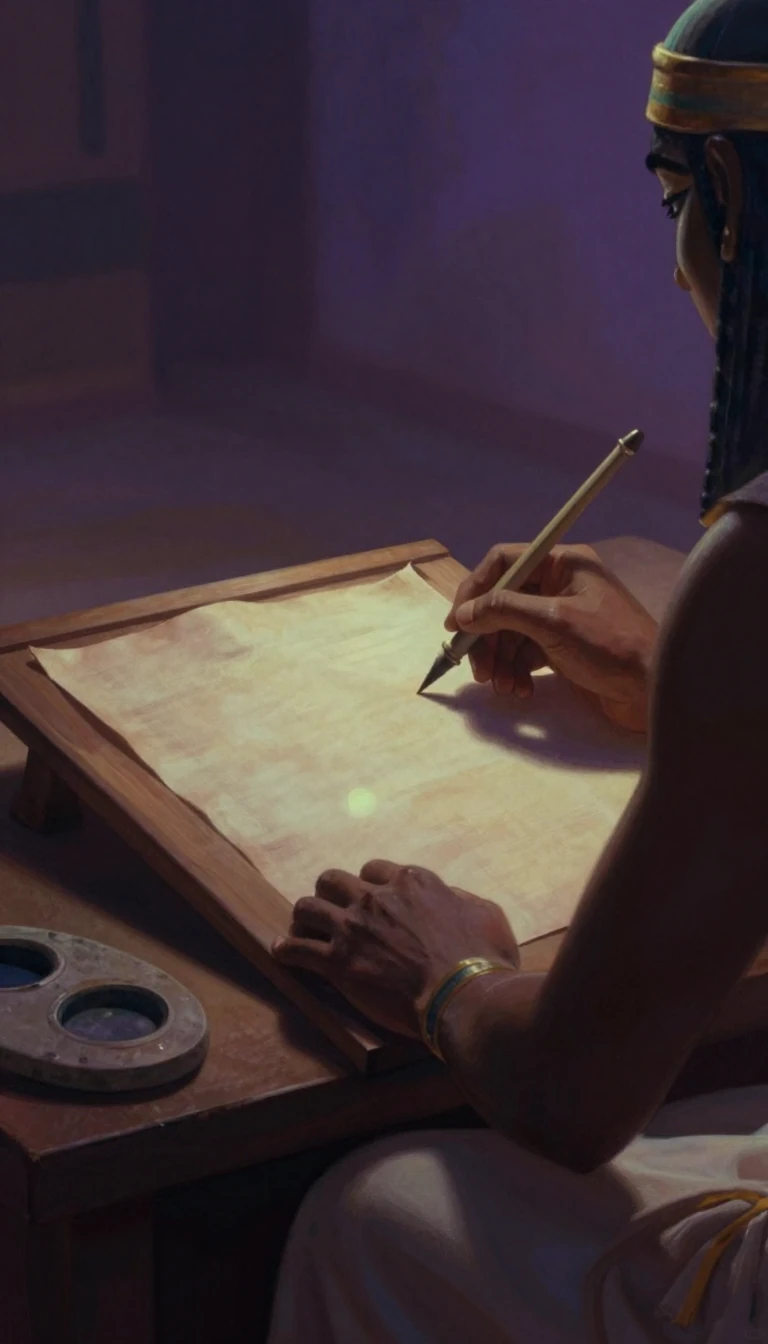 A mimosa kept in darkness proved in 1729 that living things keep timeIn 1729 the French scientist Jean-Jacques d'Ortous de Mairan shut a Mimosa pudica plant away from daylight. Its leaves kept opening and closing on a roughly 24-hour schedule anywa…
 Beetles, lotus leaves and your fingernails all have a 'cuticle''Cuticle' names a tough, flexible, non-mineral outer layer, and nature has invented it many times over. The skin fold at the base of a fingernail, the armour of an insect, the wax…
- Every plant lives two lives, and pollen is one of themPlants cycle between two distinct bodies: one carrying a single set of chromosomes, the other carrying two. In mosses the single-set generation is the green plant you see. In flow…