 Intellect Plus
Biological processes and physiology
112 cards. Each one is a 40-second story with a five-minute read behind it.
 The biological backup plan for life without oxygenWhen oxygen becomes scarce, organisms must pivot to a less efficient but vital energy strategy. This video explains how animals and plants survive on anaerobic respiration and the…
 The microscopic machinery powering every human actionExplore the fundamental building blocks of life. This video provides a rapid anatomical and physiological overview of the human cell, breaking down how its internal structures wor…
 The journey of a meal: mapping the human digestive tractTrace the complex path of food from the first bite to final absorption. This guide explores the anatomical structures and physiological processes that turn nutrients into energy.
 Decoding the fundamental mechanisms that allow life to functionThis video explores the core biological processes that sustain every living organism on Earth. It moves from microscopic cellular actions to complex systemic functions, explaining…
 The chemical machinery that powers every living cellThis video breaks down the fundamental biological processes of metabolism, energy, and enzymes. It provides a foundational look at the chemistry of life, designed to help students…
 How your body decides when a cell should live or divideEvery somatic cell in your body follows a strict chronological script before it splits into two. This process is not random; it is a highly regulated sequence of growth, replicati…
 The invisible balance: how your body fights constant external chaosThis foundational lesson explores human physiology, the science of bodily function. It explains how your body maintains a stable internal environment through homeostasis, a proces…
 Why Catalan nativity scenes feature a tiny, hidden figure caught in the actIn Catalonia, traditional Christmas nativity scenes often include a surprising addition: the Caganer. This figurine, depicted with trousers down and in the act of defecation, is t…
 Why did the Catholic Church make celibacy a mandatory law for its priests?Clerical celibacy is not a divine dogma, but an ecclesiastical law. Originally adopted during the Middle Ages, the requirement served a pragmatic purpose: preventing priests from …
 Are rural areas the new food deserts? Why online grocery delivery is not the solution.The traditional image of a food desert is an inner-city neighborhood abandoned by major grocers. However, new research reveals a modern, hidden inequality: e-food deserts. In remo…
 The Remarkable Air Plant That Grows Clones Directly From Its Own Leaf MarginsKalanchoe pinnata is a succulent that defies standard reproduction. Instead of relying solely on seeds, it sprouts miniature, fully formed plantlets along the edges of its leaves.…
 Could humans breathe liquid to survive deep-sea pressure or extreme space acceleration?Liquid breathing replaces air with oxygen-rich perfluorocarbons, potentially allowing humans to withstand crushing ocean depths or intense G-forces. While this technology remains …
 Porphyrins are the ancient, light-harvesting pigments that power life on EarthFrom the green chlorophyll in plants to the iron-rich hemoglobin in your blood, porphyrins are the essential biological pigments driving life. These complex, cyclic molecules act …
 In the ZW System, Mothers Determine the Sex of Their OffspringWhile humans rely on the father's sperm to dictate biological sex, many animals and plants operate differently. In the ZW system, the female carries the heterogametic chromosomes,…
 Your body maintains a precise pH balance to keep your cells functioning correctlyYour internal chemistry is a high-stakes balancing act. To keep your blood pH within a razor-thin range, your body relies on a sophisticated interplay between your lungs and kidne…
 The tiny, swimming sperm factories that power reproduction in ferns and mossesBefore plants evolved pollen to travel through the air, they relied on a sophisticated aquatic delivery system. The antheridium is a specialized male organ that acts as a secure, …
 The ancient flask-shaped organ that paved the way for the evolution of seedsBefore seeds existed, plants relied on a specialized structure called the archegonium to house their eggs. This flask-shaped organ, found in ferns and mosses, reveals a surprising…
 Why do we belch, and is it a sign of something more serious?Belching is a natural process that releases swallowed air from your stomach. While usually harmless, excessive burping can sometimes signal underlying digestive issues or behavior…
 How a simple ball of cells transforms into the blueprint for a complex organismBlastulation is the pivotal moment when a cluster of identical cells organizes into a structured embryo. By forming a fluid-filled cavity called the blastocoel, the embryo establi…
 Why your eyes blink far more often than they need for simple lubricationYou blink about 17 times a minute, yet your eyes rarely need that much moisture. This rapid movement is not just a cleaning mechanism; it is a complex neurological event linked to…
- Some animals survive extreme conditions by essentially turning their metabolism off until conditions improve.Bradymetabolism describes creatures capable of shifting between high active states and near-death resting states. By dramatically slowing their internal processes in response to t…
 Why most babies turn head-first before birth and what happens when they do notMost fetuses naturally rotate into a head-down position by the final trimester, but about 3 to 4 percent remain in a breech position. When a baby is bottom or feet first at 36 wee…
- Why your earliest cells divide without growing, keeping you the size of an egg.After fertilization, a zygote undergoes rapid cellular divisions called cleavage. Remarkably, the embryo does not grow in size during this phase. Instead, it repeatedly subdivides…
 Why cold-blooded animals can survive where warm-blooded creatures would starve to deathEctotherms rely on external heat, like sunlight or warm rocks, to regulate their body temperature. Because they do not burn energy to stay warm, they require significantly less fo…
 The science of egg whites: more than just a breakfast stapleBeyond the kitchen, egg whites are a complex biological marvel. Composed of roughly 90 percent water and 149 distinct proteins, this clear liquid acts as a protective shield for t…
 Why being warm-blooded is an expensive, high-stakes evolutionary gamble for survivalEndotherms generate internal heat to maintain a stable body temperature, freeing them from the constraints of the environment. Yet this biological independence comes at a steep pr…
 Why some species thrive in extreme heat and cold while others simply perishA eurytherm is an organism capable of functioning across a wide range of ambient temperatures. From the microscopic tardigrade surviving near absolute zero to humans regulating in…
- Why the most critical moment of your life is not birth, marriage, or deathDevelopmental biologist Lewis Wolpert famously argued that gastrulation is the most important event in human existence. During this early embryonic stage, a simple hollow sphere o…
 How a simple ball of cells transforms into a complex, living animalEvery animal begins as a single cell, but how does that cell know to become a heart, a lung, or skin? The secret lies in gastrulation, a fundamental process where embryos organize…
 Seeds are not just dormant; they are waiting for the perfect environmental signal.Germination is the remarkable reactivation of a seed's metabolic machinery. Far from being passive, seeds act as sophisticated sensors, waiting for precise cues like light, temper…
 Why your body keeps two separate genetic accounts for the next generationYour body maintains a strict divide between the cells that build your tissues and the lineage tasked with reproduction. This separation ensures that most changes you acquire durin…
- Why being massive allows cold-blooded animals to mimic the warmth of mammalsGigantothermy explains how bulky ectotherms maintain stable, high body temperatures without the high-energy metabolism of mammals. By leveraging a low surface-area-to-volume ratio…
- Why do some injuries vanish while others leave a permanent scar behind?Healing is a complex biological dance between regeneration and repair. When cells can replicate, the body rebuilds perfectly. When they cannot, or when the underlying structural f…
- Hemostasis is the body's rapid, life-saving response to stop bleeding after an injury.When you are injured, your body initiates a complex, three-stage defense to prevent dangerous blood loss. This process, known as hemostasis, seals wounds by constricting vessels, …
- Why some animals choose to abandon the biological luxury of a constant body temperatureMaintaining a steady internal temperature is energetically expensive. To survive, many mammals have evolved heterothermy, a strategy of relaxing homeostatic control to conserve en…
- Why do some animals maintain a constant internal temperature while others simply let it fluctuate?Homeothermy is the biological strategy of keeping a stable internal body temperature despite shifting external conditions. While often associated with warm-bloodedness, this therm…
 Why your internal thermostat goes haywire during menopause and how to cool it downA hot flash is more than just feeling warm; it is a sudden, intense physiological event where your body’s internal thermostat misinterprets its own temperature. While these flashe…
 Intrauterine insemination offers a path to pregnancy when natural conception is not an option.Intrauterine insemination, or IUI, places concentrated sperm directly into the womb to bypass barriers to conception. While not a universal solution for all fertility issues, it p…
 Some animals survive by stealing body heat from their neighbors in a process called kleptothermy.Ectotherms like snakes and lizards cannot generate their own internal heat, so they often rely on the environment. But some have evolved a clever shortcut: they move into the nest…
- Why some animals defy the simple binary of cold-blooded versus warm-blooded creaturesBiology often forces animals into two camps: ectotherms that rely on the environment and endotherms that generate their own heat. Yet, mesotherms occupy a fascinating middle groun…
 Are clones truly identical, or does the environment shape them into something entirely new?Offspring are the biological legacy of their parents, created through sexual reproduction, artificial insemination, or cloning. While we often think of clones as exact replicas, t…
- Your entire lifetime supply of eggs is created before you are even born.The biological clock starts ticking long before birth. By the time a female is born, her ovaries already contain the full inventory of egg cells she will ever possess. These prima…
- Are the female reproductive cells we are born with truly our only supply?For decades, biology taught that human females are born with a finite number of eggs, destined to dwindle until menopause. Yet, recent research suggests the existence of renewable…
- How every living thing manages the delicate balance of salt and water inside themLife depends on maintaining a precise internal environment. Whether you are a microscopic bacterium, a desert cactus, or a deep-sea shark, you must constantly fight to keep your b…
 How a single fertilized egg transforms into the complex architecture of a plantPlant embryogenesis is a masterclass in biological precision. Within hours of fertilization, a zygote begins a series of programmed divisions that establish the primary body plan,…
 Plants are not just passive greenery; they are complex, chemically active, and highly responsive.Plants lack brains, nerves, and pain receptors, yet they are masters of environmental adaptation. They communicate via internal chemical signaling, manipulate light to fuel growth…
 Why some animals thrive on a fraction of the energy homeotherms requirePoikilotherms are animals whose internal temperatures fluctuate with their environment, a strategy that demands far less energy than the constant heat maintenance of homeotherms. …
- Why pregnancy beyond 42 weeks triggers medical intervention to protect the developing fetusA pregnancy reaching 42 weeks is classified as postterm, a state that introduces significant risks to both mother and child. As the placenta ages, its ability to nourish the fetus…
 From a single cell to a beating heart: the hidden mechanics of mammalian gestationThe journey from fertilization to birth is a masterpiece of biological engineering. Within days, a microscopic cluster of cells orchestrates a complex invasion of the uterine lini…
 Why three out of four women experience premenstrual syndrome and how it worksPremenstrual syndrome affects up to 75 percent of menstruating women, manifesting in a vast array of physical and emotional symptoms. While the exact biological triggers remain el…
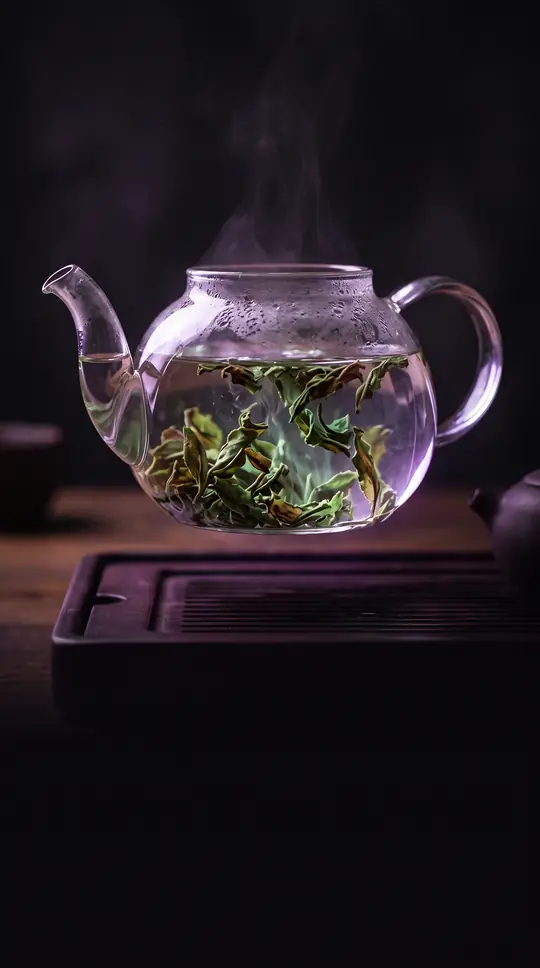 Regurgitation is a vital survival strategy for many species, but a health concern for humans.While humans often view regurgitation as a symptom of digestive distress, for much of the animal kingdom, it is a sophisticated, voluntary mechanism. From feeding offspring to pro…
- The 74-day journey from stem cell to a swimming, fertilization-ready sperm cellDeep within the testes, a complex biological assembly line works constantly to produce sperm. Starting from simple stem cells in the seminiferous tubules, this process involves pr…
 Why some species perish when the temperature shifts by only a few degreesMost organisms are built to handle a wide range of climates, but stenotherms are different. These specialized creatures thrive only within a very narrow temperature window. If the…
 Stillbirth is a common, often misunderstood, and frequently preventable tragedy for many familiesStillbirth, defined as the loss of a pregnancy after 20 or 24 weeks depending on the region, is more prevalent than many realize. While causes range from placental issues to mater…
 Thermogenesis is the metabolic process that turns your body into a biological furnace.Beyond simple shivering, your body employs sophisticated internal mechanisms to generate heat and maintain a stable temperature. From brown fat burning fatty acids to futile cellu…
 The umbilical cord is a temporary lifeline that leaves behind a permanent biological scar.After birth, your baby’s umbilical cord is secured with a plastic clip and left to wither. Within a few weeks, this former conduit for oxygen and nutrients dries, shrinks, and det…
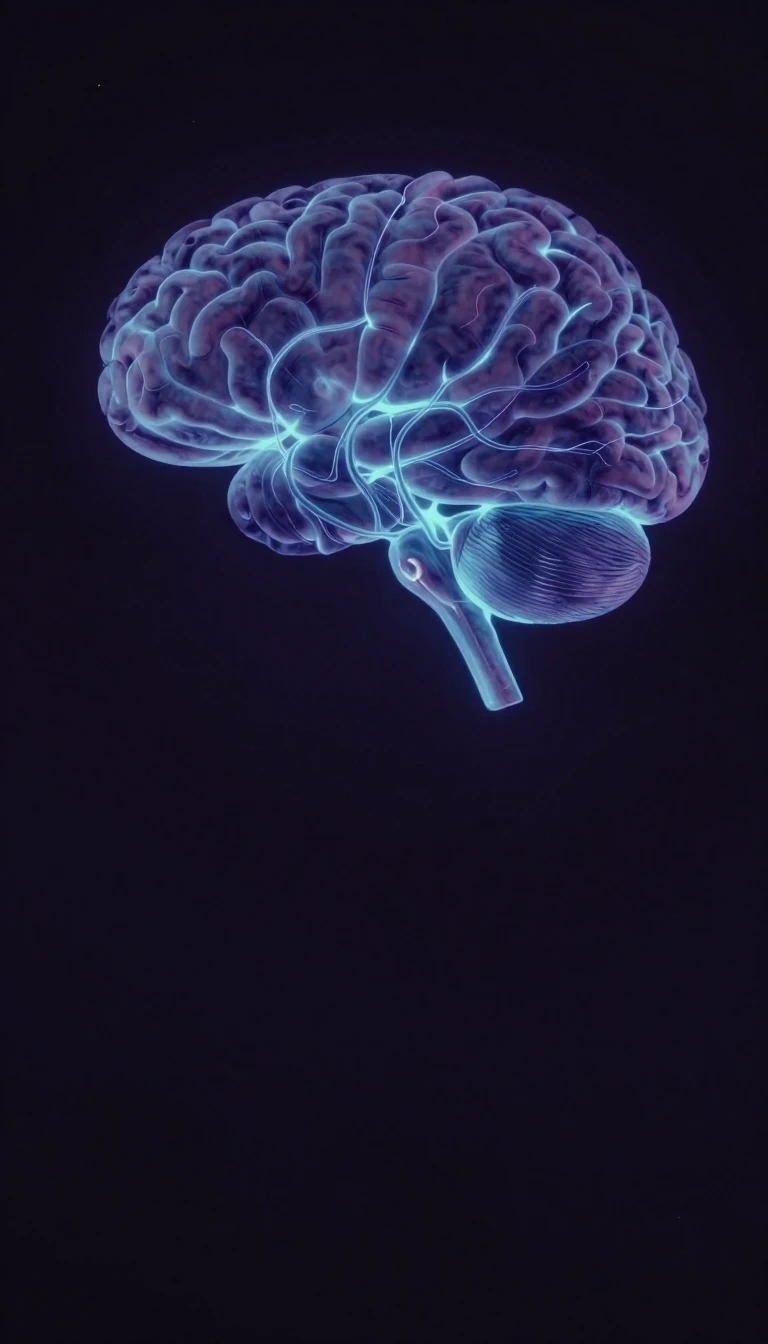 Why your bladder is a masterclass in biological engineering and pressure managementUrination is more than a simple reflex; it is a complex physiological dance involving the brain, spinal cord, and specialized muscles. While we often take this process for granted…
 Why cloning your garden is the secret to perfect, predictable plant resultsGrowing plants from seed is a gamble, as offspring often fail to mirror their parents. Vegetative propagation bypasses this uncertainty by creating exact clones. Whether through c…
- Why the term warm-blooded is scientifically obsolete and misleadingThe classic distinction between warm-blooded and cold-blooded animals is a relic of the past. Modern science has replaced these binary labels with a complex spectrum of thermoregu…
 The zygote is the singular, totipotent starting point for every complex living organism.Every human life begins as a single cell, a zygote formed by the fusion of two gametes. This tiny entity holds the complete genetic blueprint for a new individual. Understanding h…