 Intellect Plus
Biology and health sciences: General
55 cards. Each one is a 40-second story with a five-minute read behind it.
 Is a large heart a sign of disease or athletic prowess?Understanding the boundary between health and disease requires looking beyond simple symptoms to the underlying biological functions of the body. This video breaks down how diseas…
 The chemical architecture building the foundation of lifeExplore how four primary biological molecules—carbohydrates, lipids, proteins, and nucleic acids—construct the complex organic structures necessary for living organisms. This over…
 The fundamental architecture of life: from bacteria to complex organismsUnderstand the microscopic building blocks that sustain all life. This video breaks down the essential differences between animal, plant, and bacterial cells for the 2026/27 GCSE …
 Biology is the gateway to understanding every living system on EarthFrom the microscopic mechanics of biochemistry to the complex systems of human anatomy, biology offers a comprehensive lens on life. This video explores the diverse career paths a…
 How well do you actually know your own biology?Test your anatomical literacy with a comprehensive 40-question challenge designed for students and medical enthusiasts alike. This quiz explores the intricate systems that keep yo…
 Health is a spectrum, not a binary of sick or wellThis video breaks down the fundamental biology of health and disease for the 2027/28 GCSE exams. It moves beyond simple definitions to explore how physical and mental wellbeing in…
 The fundamental architecture of life explained in under 20 minutesWhat distinguishes a living organism from inanimate matter? This video provides a high-speed overview of the core pillars of biology, from the building blocks of DNA to the comple…
 Health is a biological mechanism and a social constructTo truly understand human health, you cannot look at a petri dish alone. Health Sciences bridge the gap between hard biology and human behavior, merging the study of cells with th…
 Beyond freezing: the science of materials at extreme low temperaturesCryogenics is more than just making things cold. It is the study of how matter behaves when pushed to the brink of absolute zero, enabling technologies from superconducting magnet…
 Why forensic scientists study human decomposition in outdoor research facilities known as body farms.Body farms are specialized research sites where human remains are left to decompose under controlled, outdoor conditions. By observing the stages of decay, scientists gain critica…
 The Charaka Samhita: An Ancient Blueprint for Holistic Medicine and Physician EthicsCompiled between 100 BCE and 200 CE, the Charaka Samhita remains a cornerstone of Ayurvedic tradition. Beyond its complex theories on physiology and the three humors, it establish…
 The biological clock does not stop at death; it merely changes its rhythm.Decomposition is a complex, multi-stage biological process that transforms a body into simple organic matter. Driven by internal enzymes, bacteria, and waves of insect activity, t…
 Latin declension is the systematic way nouns change form to signal their grammatical role.In Latin, nouns do not just sit there; they transform. By attaching specific suffixes to an oblique stem, the language signals case, number, and gender. Whether you are identifyin…
 Earth’s oceans might be native, not delivered by a barrage of space rocksFor decades, scientists assumed Earth’s water arrived via asteroid impacts during our planet’s infancy. New research suggests a different story: the hydrogen required to build our…
 The common stinkhorn is a foul-smelling fungus that can punch through solid asphalt.Known for its carrion-like odor and phallic appearance, Phallus impudicus is a biological marvel. While its scent repels humans, it serves a vital purpose in nature by attracting …
 Why nature keeps multiple versions of the same species in the same placePolymorphism is not just about variety; it is a deliberate evolutionary strategy. When a single species maintains distinct, stable forms within the same interbreeding population, …
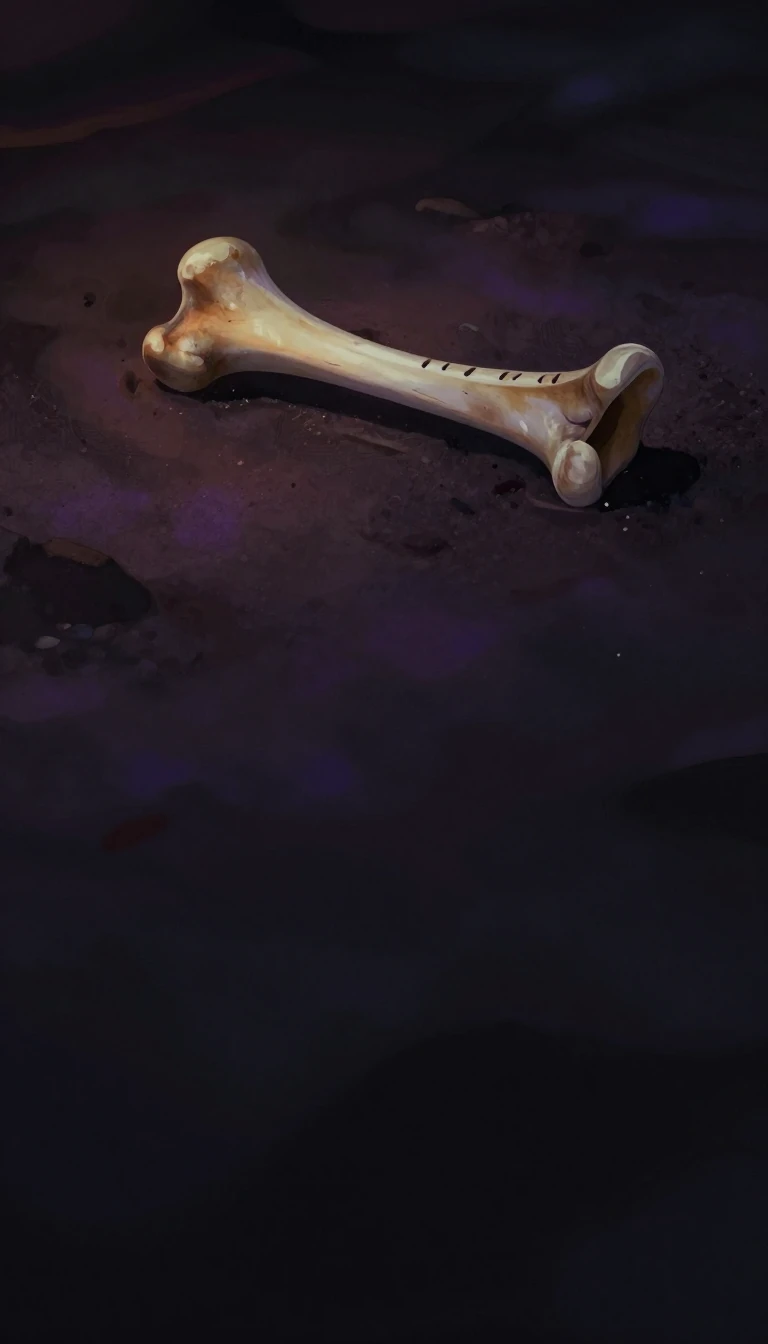 From soft tissue to bare bone: how nature erases the human formSkeletonization is the final stage of decomposition, where soft tissues vanish to reveal disarticulated bones. This transformation can take weeks or years, depending on climate an…
 Can religious faith and evolutionary science coexist within a single, coherent worldview?Theistic evolution suggests that God acts through the laws of nature, using evolutionary processes to bring about life. Rather than viewing science and religion as inherently cont…
 Is the tree of life actually a two-branch system instead of three?For decades, biology has categorized all life into three domains: Bacteria, Archaea, and Eukarya. But new genetic evidence suggests this framework may be flawed. Eukaryotes—the co…
 Land plants evolved from freshwater algae to fundamentally reshape Earth's atmosphere and climate.Embryophytes, or land plants, are defined by their unique ability to nurture embryos within parent tissues. This innovation allowed them to colonize terrestrial environments, trig…
 Why humans are biologically hardwired to name and classify the natural worldNaming is more than just communication; it is a fundamental human instinct. From the way we structure our thoughts to the complex scientific codes governing biology, our urge to c…
 Does evolution happen in steady, slow steps or through sudden, rapid bursts of change?For decades, biology assumed evolution was a slow, uniform grind. But the fossil record tells a different story: long stretches of stability interrupted by sudden, rapid speciatio…
 Teratology explores how environmental factors disrupt the delicate process of human embryonic development.Teratology is the medical study of birth defects caused by environmental agents, from drugs to infections. While we once believed all congenital abnormalities were hereditary, we …
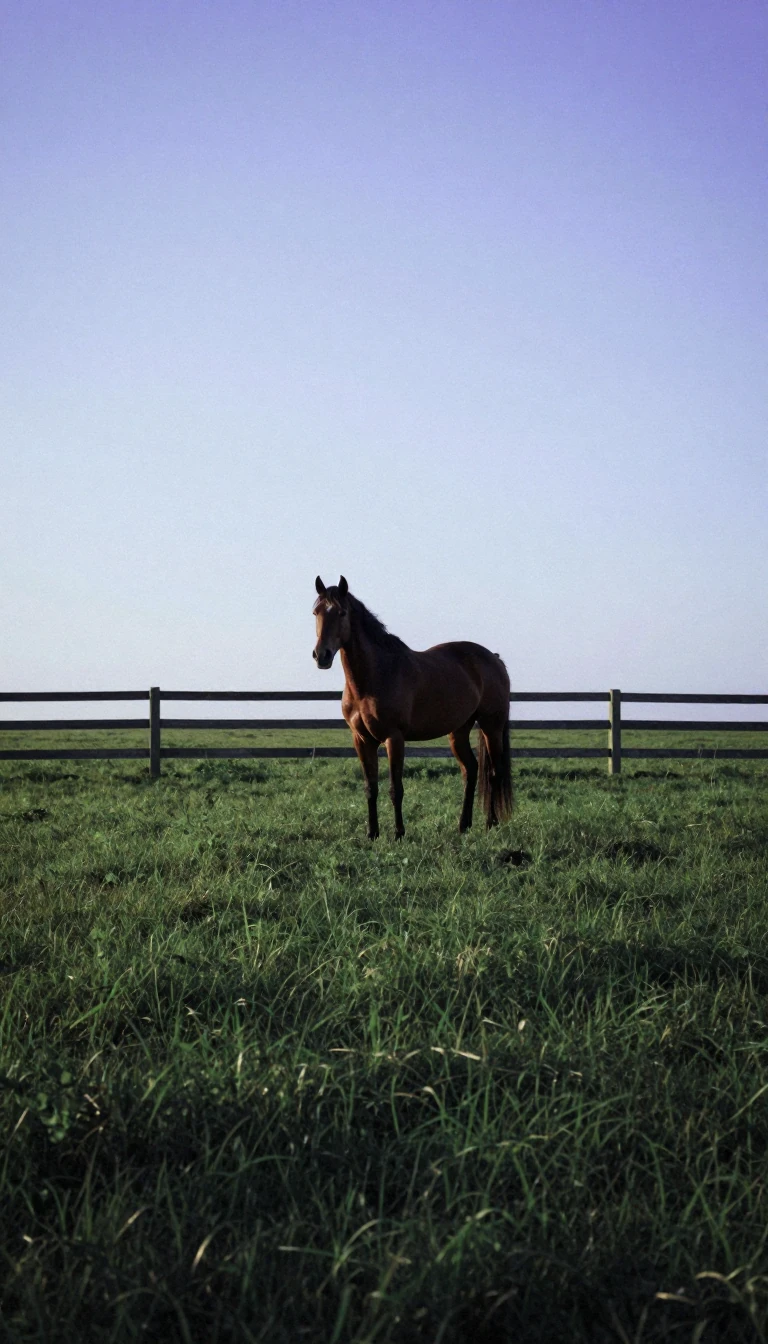 The modern horse is not the goal of evolution, but a lone survivor.For decades, textbooks depicted horse evolution as a straight, tidy line from the fox-sized Eohippus to the modern stallion. Today, we know the truth is far more chaotic. The hors…
 Humans have far more than five senses, perhaps as many as 17Sight, hearing, smell, taste and touch are just the famous ones. Your body also senses balance, the position of your limbs, pain, hunger, thirst and even rising blood pressure. Sp…
 Biologists cannot agree on what a species is, and count over two dozen definitionsSpecies is biology's most basic unit, yet nobody has pinned it down. One researcher listed about 24 competing definitions and a philosopher counted 26. Hybrids blur boundaries, ba…
 Aristotle sorted animals into bloodless and blooded on a Greek islandLong before Linnaeus, Aristotle spent time on Lesbos grouping creatures by traits such as live birth, egg-laying, four legs or warm bodies. He split animals into those with blood …
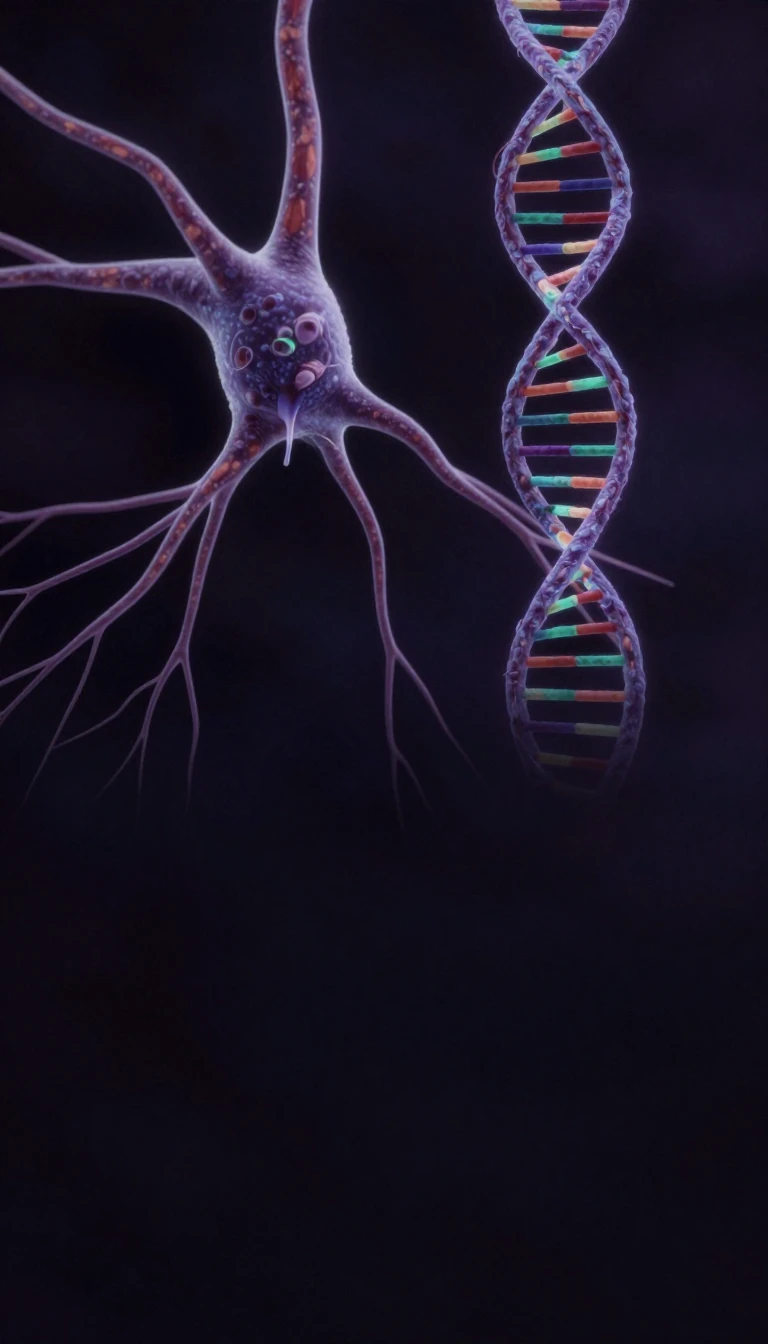 Every child inherits roughly 60 brand-new mutations that neither parent carriedEach of your cells suffers around 10,000 bouts of oxidative DNA damage a day, and repair crews fix nearly all of it. The slips that survive become mutations. On average a child ar…
 Beatrix Potter studied fungi as well as writing about Peter RabbitThe creator of Peter Rabbit made serious contributions to the study of fungi. She joined a field that was long filed under botany, until a 1969 discovery showed fungi are closer r…
 Is an ant colony one creature or thousands? Biologists still argueA siphonophore looks and behaves like a single jellyfish, yet it is built from many semi-independent units called zooids. An ant nest has workers that never breed, much like body …
- Until the 1800s, a fossil meant anything dug from the ground, gems includedBefore the 19th century a fossil could be a bone, a pebble or a gemstone; the word simply meant something dug up. Many scholars thought fossils grew inside rock the way crystals d…
- Family trees of species now help hunt for new drugs and solve court casesA drug for severe pain, Prialt, comes from animal venom. To find more venoms worth testing, researchers consult evolutionary family trees: if one fish is venomous, its close relat…
- A Hungarian noble wrote laws of heredity decades before Mendel's peasIn 1819 Imre Festetics, a nobleman in Kőszeg, published rules of inheritance that anticipated one of Mendel's laws and noticed that traits could skip generations. Mendel's own wor…
- For billions of years, Earth's most advanced life was a slimy microbial matEarth is about 4.54 billion years old, and clear signs of life appear by 3.7 billion. Yet animals with left and right sides only show up around 555 million years ago. Most of life…
 Only one or two percent of human DNA actually spells out proteinsYour genome runs to about 3.1 billion letters per set of chromosomes, yet the parts that code for proteins fill just one to two percent. Half is repeats, a big share comes from an…
- Wheat, wolfdogs and even modern humans owe something to hybridizationThe liger kicked off a naming habit in the 1920s, and since then we have had wholphins, pumapards and the sturddlefish. Mixing species is far from a zoo curiosity. About a quarter…
- Linnaeus sorted rocks into a kingdom of their own alongside plants and animalsHow many kingdoms of life are there? Ask a textbook in the United States and it says six; one in Britain or India says five; one biologist's scheme says seven. When Carl Linnaeus …
 Scientists have collected at least 123 different definitions of lifeEveryone recognises a living thing, yet nobody agrees on what life is. More than 123 definitions exist. NASA's favourite, based on a suggestion by Carl Sagan, has an awkward flaw:…
 Fewer than one percent of microbes around us will grow in a lab dishFor two centuries microbiologists learned about germs by growing them in culture. The catch is that fewer than one in a hundred microbes from ordinary soil or water will grow alon…
 A Roman farmer warned against building near swamps because of invisible creaturesIn the 1st century BC Marcus Terentius Varro advised against siting a farmhouse near a swamp, where tiny unseen creatures drifted through the air and entered through the mouth and…
- Why fruit flies, mice and baker's yeast keep showing up in labsA fly that breeds in days, a bacterium from the human gut and a humble weed called Arabidopsis have taught biology more than almost any other creatures. Because all life shares an…
- A stop codon called amber got its name from a friend's German surnameLife's instruction manual fits in a 64-entry table. Each three-letter word of DNA or RNA names one amino acid or says stop, and nearly every organism reads the same table. Crackin…
 Evolution can happen by pure luck, no survival advantage requiredImagine four bacteria surviving a shrinking drop of water, drawn at random from a colony split evenly between two gene versions. The odds that those four still carry an even split…
- CPR forced doctors to rethink the moment of deathFor most of history, a person was dead when breathing and heartbeat stopped. Then cardiopulmonary resuscitation and prompt defibrillation showed that both could sometimes be resta…
 Casper's Law: air speeds decay eightfold compared with burialA rough rule of thumb called Casper's Law captures how much surroundings matter. All else being equal, remains left in open air break down twice as fast as those under water and e…
 In 1977 Carl Woese found life had three great branches, not twoScientists long split living things into two camps: cells with a nucleus and cells without. Then Carl Woese compared sequences of a molecule found in every ribosome and discovered…
- A neuron and a muscle cell share the same DNA but read it differentlyEvery cell in your body descends from one fertilised egg and carries the same genetic text. Yet a neuron, a muscle fibre and the lining of a blood vessel look and behave nothing a…
 Your colour vision and night vision grew from one ancient geneThe human eye senses light with four genes: three handle colour and one handles dim light at night. All four descend from a single ancestral gene that was copied, and the copies d…
 Fossil elephant skulls may explain the one-eyed Cyclopes of Greek mythSkulls of Deinotherium giganteum, an elephant relative found in Crete and Greece, have a large opening at the front that looks like a single eye socket. It is really the gap for t…
- One mammalian messenger RNA gets read into roughly 2,800 proteinsA gene does nothing on its own. Its instructions must be copied into RNA and, for most genes, translated into protein. The copying is surprisingly efficient: in mammals, each mess…
 Darwin guessed life began in a warm little pondIn a letter to Joseph Hooker on 1 February 1871, Charles Darwin speculated that life's first spark might have struck in a warm little pond rich in ammonia and phosphoric salts, wi…
 Why a simple-looking liver fluke is still a masterpiece of adaptationA parasite living inside a liver can have a strikingly plain body and still be exquisitely suited to its home. That paradox captures what biologists mean by adaptation: it is a pr…
- Before Linnaeus, a plantain's scientific name ran to a dozen Latin wordsEarly botanists tried to make a species name double as its description, and it got out of hand. One plantain was labelled Plantago foliis ovato-lanceolatus pubescentibus, spica cy…
 The pioneers of cell theory got its third rule wrongIn 1838 Schleiden and Schwann championed two ideas every biology student now learns: organisms are built from cells, and each cell has all the features of life. But they rejected …
 In the tiniest blood vessels, red cells must squeeze through single fileEngineers usually treat blood as a smooth, uniform liquid, and for large vessels that works. Shrink the pipe to barely wider than a red blood cell and the rules shift: friction ag…