From soft tissue to bare bone: how nature erases the human form
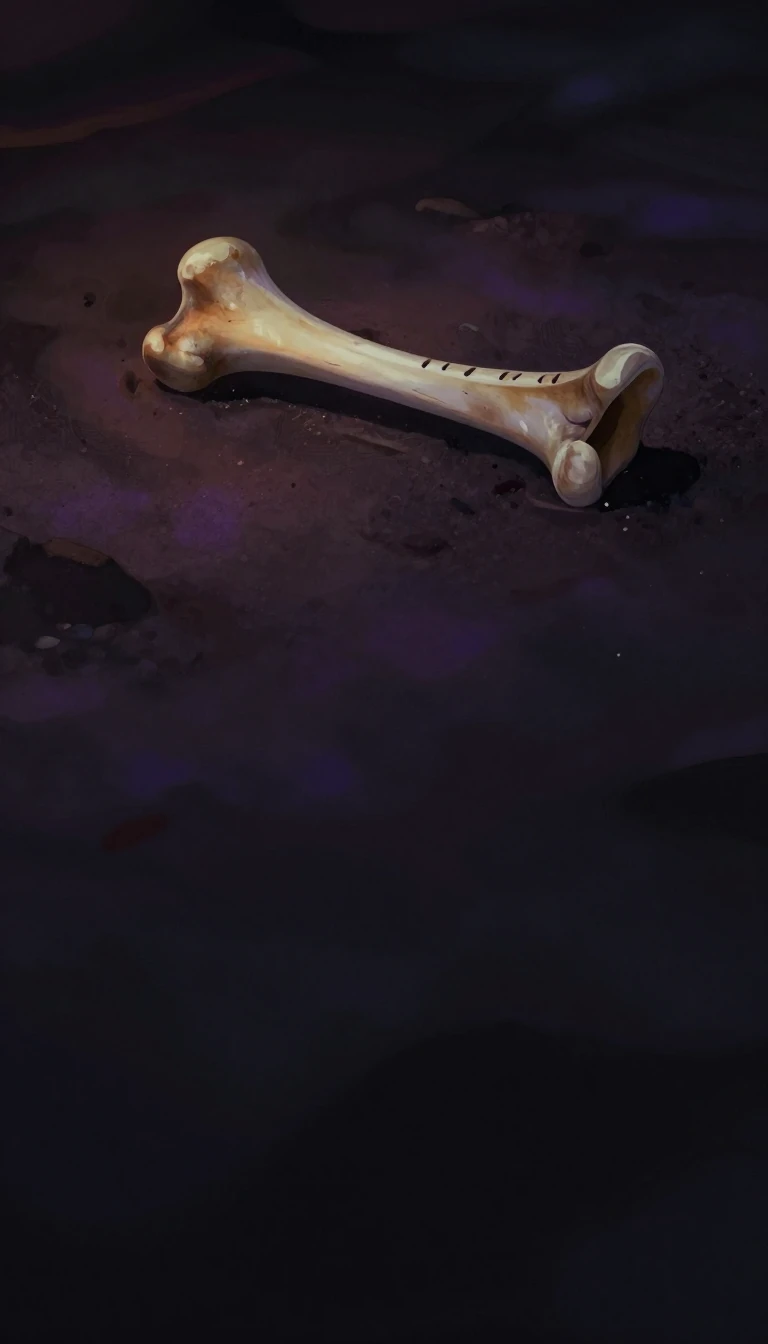
In short: Skeletonization is the final stage of decomposition, where soft tissues vanish to reveal disarticulated bones. This transformation can take weeks or years, depending on climate and scavengers. Once exposed, these remains become a complex puzzle, allowing experts to reconstruct a life, determine a cause of death, or identify ancient history.
The timeline of skeletonization is highly variable. In tropical environments, the process may complete in weeks, while tundra conditions can stall it for years or indefinitely. In temperate zones, it typically spans three weeks to several years. Scavengers, particularly vultures, can accelerate this significantly, sometimes reducing a carcass to bone in mere hours. Once the skeleton is exposed, its survival depends on the soil; acidic environments can dissolve human remains in about 20 years, whereas neutral or sandy soils may preserve them for centuries. In specific conditions like salt deserts or anoxic soils, bones can undergo fossilization, persisting indefinitely.
Forensic anthropologists must first distinguish human remains from animal bones and non-bone materials. This involves microscopic analysis to detect surface graininess and chemical testing to verify the calcium-to-phosphorus ratio, often compared against the FBI's Spectral Library for Identification. Biomolecular methods like protein radioimmunoassay are used to definitively isolate human bone. Once identified, researchers evaluate the remains for forensic significance—looking for contemporary clothing or specific burial postures—or archaeological value, which is often indicated by the presence of mortuary artifacts.
Skeletal analysis reveals profound biological details. The pelvis is a primary indicator of sex, with females typically displaying a wider structure and a U-shaped subpubic angle, compared to the V-shaped angle common in males. Age estimation is more complex, as chronological age rarely aligns perfectly with biological age due to genetics and environmental stressors. Instead, experts use ranges based on the fusion of ossification centers. Trauma analysis further categorizes injuries into ante-mortem, peri-mortem, or post-mortem stages, allowing pathologists to interpret the circumstances surrounding an individual's death or the socio-cultural variables of a past population.
Opens the Intellect+ feed with this card first. Swipe up for the next one.
Sources
- Summary by Intellect · source: Skeletonization
To cite this card, link to https://intellectplus.co.uk/app/science-skeletonization.
How we source, check and correct cards: Editorial standards.
General information, not professional advice. Spotted an error? Flag the card or see corrections and complaints.
Intellect Plus is a visual educational discovery platform for exploring fascinating facts and ideas. Brain Food, Not Brain Rot. What is Intellect Plus?
Related
More in Biology and health sciences: General · More in Science · Latest · A–Z · All topics
