 Intellect Plus
Early modern
131 cards. Each one is a 40-second story with a five-minute read behind it. Page 2 of 3.
 How a rejected marriage proposal shaped the global reach of the Portuguese EmpireWhen John III of Portugal was spurned by his intended bride, who married his father instead, the young prince retreated into a fervent, melancholic piety. This personal trauma hel…
 How a reluctant nobleman became the king who restored Portugal's independence from SpainWhen Portuguese nobles overthrew Spanish rule in 1640, they turned to the wealthiest man in the country: John, Duke of Bragança. Thrust onto the throne as John IV, he navigated a …
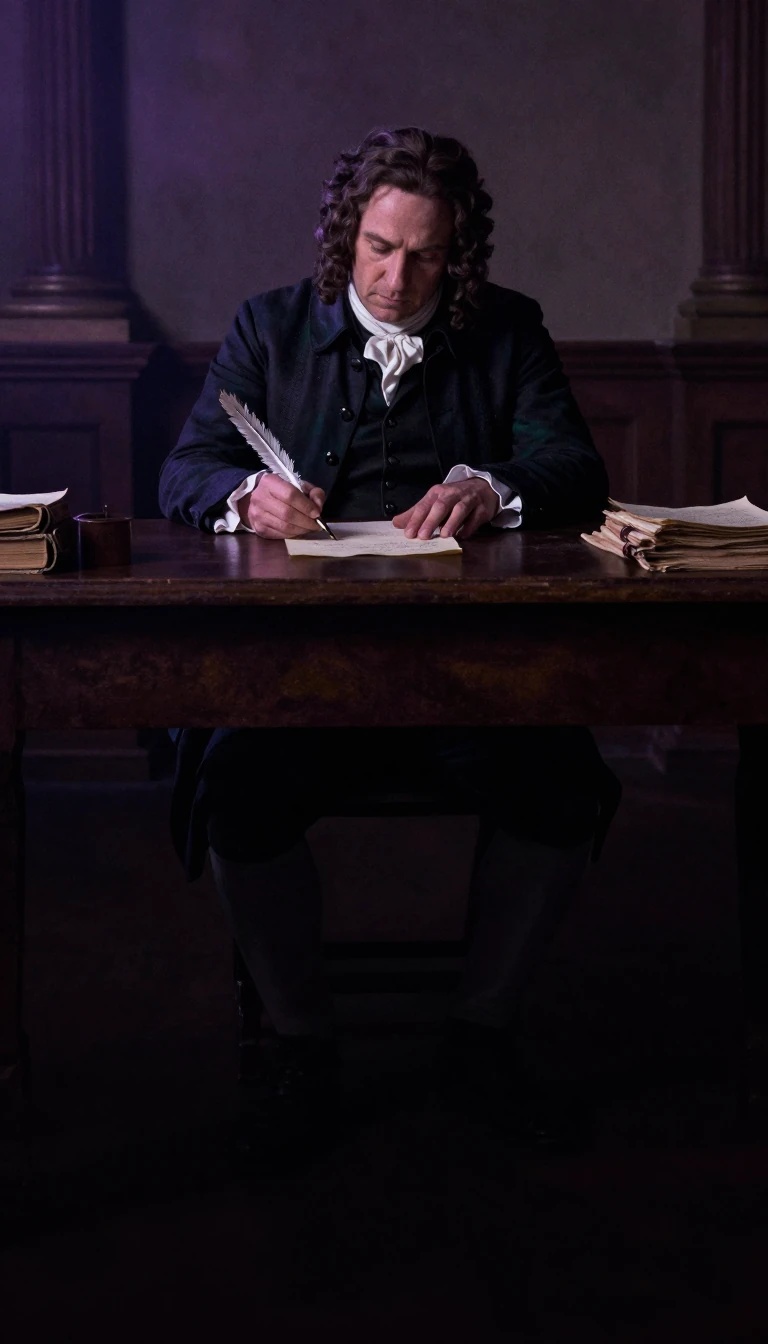 The Founding Father who helped build the nation but refused to sign its birth certificate.John Jay was a pivotal architect of the American system, yet he initially sought reconciliation with Britain, even retiring from Congress rather than signing the Declaration of In…
 John Winthrop viewed democracy as the worst possible way to govern a societyAs the foundational architect of the Massachusetts Bay Colony, John Winthrop shaped early American values through a rigid, authoritarian lens. He famously envisioned a city upon a…
 Was Joseph Brant a bridge between cultures or a man caught between two worlds?Joseph Brant, or Thayendanegea, was the most famous North American Indigenous figure of his generation. A Mohawk leader who navigated the complex politics of the American Revoluti…
 Joseph I: The Enlightened Reformer Who Presided Over Brutal PersecutionJoseph I was a forward-looking ruler who modernized the Habsburg bureaucracy and embraced Enlightenment ideals. Yet, this same monarch oversaw a reign of stark contradictions, bal…
 Karim Khan Zand: The rare Iranian ruler who preferred a carpet to a throneIn an era of brutal autocrats, Karim Khan Zand stood apart. Rising from a minor tribe to lead Iran, he rejected the title of Shah, governed as a representative of the people, and …
- How a Hawaiian Queen’s Sacred Lineage Transformed a Kingdom’s Religious and Social OrderBorn into the highest possible rank of Hawaiian nobility, Keōpūolani possessed a status so sacred that even the Great Warrior Kamehameha I was required to remove his loincloth in …
- Koxinga: The Japanese-born Ming loyalist who ended 38 years of Dutch rule in Taiwan.Born in Japan to a Chinese merchant and a Japanese mother, Zheng Chenggong—known as Koxinga—became a legendary Ming dynasty general. He famously expelled the Dutch from Taiwan in …
 The Last Paramount Ruler of Tondo Was Not Named Lakandula, But Held That TitleWhen Spanish forces arrived in the Philippines in 1571, they encountered a powerful leader in Tondo. While history remembers him as Lakandula, that was actually his royal title, n…
 Was the legendary Filipino hero Lapulapu actually a pirate or a king?Lapulapu is celebrated as the first Filipino hero for defeating Ferdinand Magellan in 1521. Yet, historical records are remarkably thin. Was he a noble defender of his island, a p…
 Why the French King known as the Father of the People was a paradoxLouis XII is remembered for reducing taxes and reforming the law, earning him the title Father of the People. Yet, this same monarch spent his reign embroiled in relentless, costl…
 How a teenage Peshwa resurrected the Maratha Empire from the ashes of defeatAscending to power at sixteen after a catastrophic military collapse, Madhavrao I navigated internal betrayal and external threats to rebuild the Maratha Empire. His brief, intens…
- Maria I of Portugal: The Pious Queen Who Became Brazil's First MonarchMaria I was the first undisputed queen regnant of Portugal, a ruler who oversaw a period of economic growth and monumental construction. Yet, her reign is shadowed by a descent in…
 How one monarch transformed a feudal chiefdom into a formidable Indian Ocean powerMarthanda Varma inherited a fractured, debt-ridden chiefdom controlled by hostile nobles. By dismantling the old aristocracy, professionalizing his military with European discipli…
- How a Habsburg Emperor’s failed religious policies ignited the Thirty Years' WarMatthias, Holy Roman Emperor, spent his reign caught between his own concessions to Protestants and the hardline demands of his Catholic family. His inability to balance these for…
- Was Maximilian II a failed emperor or a master of precarious religious peace?Holy Roman Emperor Maximilian II is often dismissed for failing to unify Christianity or modernize his government. Yet, by championing religious tolerance and fostering a vibrant …
- A teenage compromise candidate became the first Romanov tsar to stabilize a fractured Russia.Elected in 1613 to end a chaotic era of civil strife, sixteen-year-old Michael Romanov was viewed by the Russian elite as a malleable figurehead. Yet, his reign saw the consolidat…
 Did a 16th-century warlord accidentally invent the modern concept of a unified Romania?Michael the Brave briefly united Wallachia, Moldavia, and Transylvania under one ruler in 1600. While later nationalists hailed him as a visionary hero, contemporary chroniclers s…
 How a local Afghan leader outmaneuvered the mighty Safavid Empire to secure independenceMirwais Hotak transformed from a persecuted tribal chief into the architect of Afghan sovereignty. By exploiting the deep-seated paranoia of the Safavid court and orchestrating a …
- The unlikely town ruler who founded the Saudi dynasty and changed Arabian historyMuhammad bin Saud was no nomadic tribal leader. As the ambitious emir of Diriyah, he transformed a local town into the foundation of the First Saudi State. His 1744 alliance with …
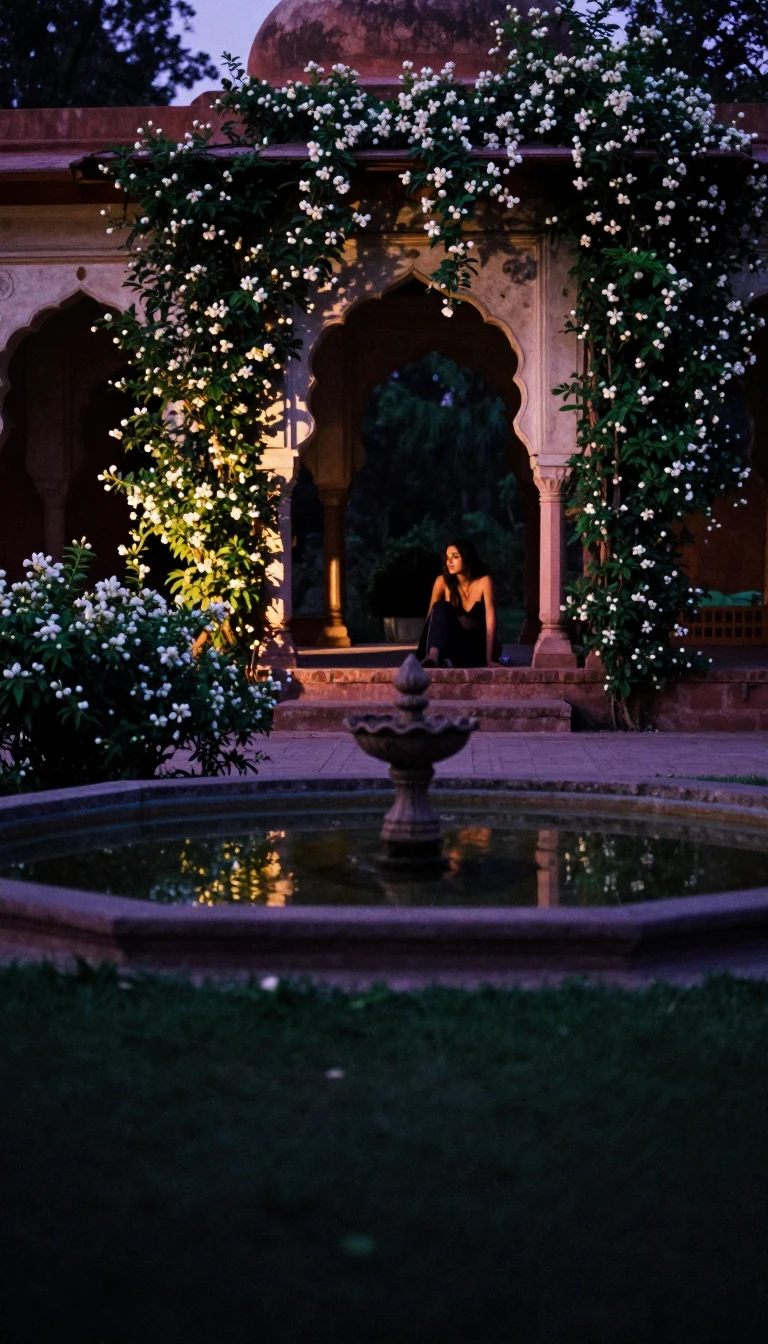 The woman behind the Taj Mahal was far more than a romantic icon.Mumtaz Mahal is remembered as the inspiration for the world's most famous monument to love, but her life was defined by political influence and intellectual rigor. As the chief em…
- Murad IV: The Ottoman Sultan Who Restored Imperial Authority Through Extreme BrutalityAscending the throne as an eleven-year-old puppet, Murad IV eventually seized absolute power to stabilize a crumbling empire. His reign was defined by ruthless purges, the prohibi…
 Mustafa III: The Ottoman Sultan Who Tried to Modernize Through Prussian Military IdealsAscending the throne in 1757, Sultan Mustafa III sought to revitalize the Ottoman Empire through strict fiscal policy, infrastructure reform, and a strategic alliance with Frederi…
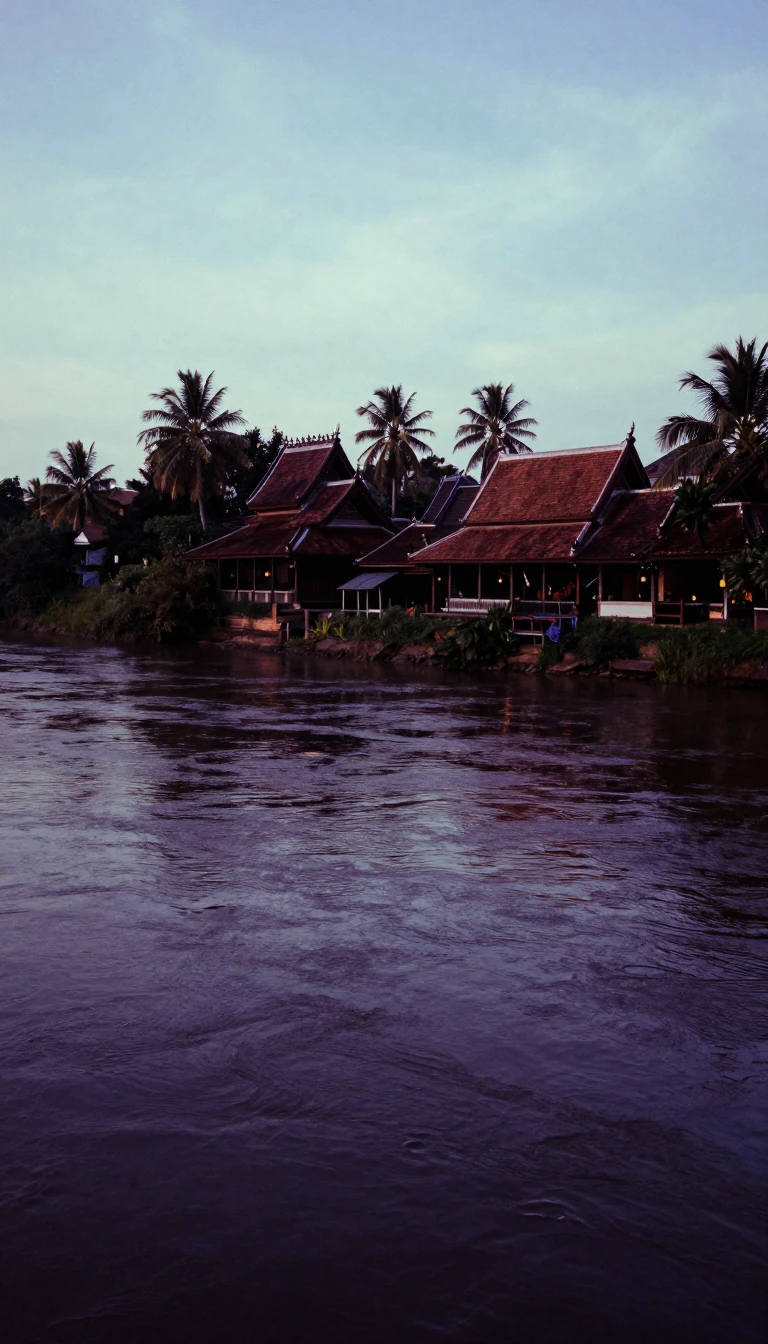 How a Siamese King’s Diplomatic Gifts Helped Ignite the French Revolution in 1789King Narai of Ayutthaya was a master of global diplomacy, balancing Dutch, English, and French interests to modernize his kingdom. Among the many gifts exchanged with the court of…
- Did Thailand's legendary King Naresuan really fight a formal elephant duel to the death?King Naresuan is revered for securing Ayutthaya's independence from the First Toungoo Empire. Central to his legend is a dramatic 1593 elephant duel against a Burmese crown prince…
 How one Tibetan lama fled a political trap to forge a new nation-stateIn 1616, Zhabdrung Ngawang Namgyal escaped Tibet after a bitter succession dispute threatened his life. He fled south, where he unified warring fiefdoms into the nation of Bhutan.…
 How a Mughal General Engineered the Rise of the Independent Nizam DynastyMir Qamar-ud-din Khan, known as Asaf Jah I, navigated the chaotic decline of the Mughal Empire to establish his own sovereign state. A brilliant military strategist and diplomat, …
- How a refugee daughter became the most powerful woman in the Mughal EmpireBorn into poverty during a desperate flight across the desert, Nur Jahan rose to become the twentieth wife of Emperor Jahangir. She wielded unprecedented authority, even striking …
- How a fugitive prince forged an empire from the ashes of a broken allianceOsei Kofi Tutu I transformed a small kingdom into the formidable Asante Empire. By blending military innovation with spiritual authority, he united disparate clans under a single …
- The Tahitian King who unified an island nation and sheltered the Bounty mutineersBorn around 1753, Pōmare I transformed Tahiti from a collection of chiefdoms into a unified kingdom. While history remembers him as the ruler who hosted the infamous HMS Bounty cr…
- How a forced monk became the true power behind the Russian throneBorn Feodor Romanov, this boyar was compelled into monastic life by a rival tsar, only to emerge as the most powerful man in Russia. As Patriarch Filaret, he ruled alongside his s…
 The Spanish conquistador who built Chile only to be consumed by his own ambitionPedro de Valdivia rose from an impoverished Spanish soldier to the first Governor of Chile. Yet, his relentless pursuit of territory and gold ultimately led to his capture by Mapu…
 Pope Benedict XIV: The Scholar-Prince Who Tried to Modernize the Eighteenth-Century PapacyBorn Prospero Lambertini, Benedict XIV was a rare polymath on the papal throne. He navigated a crumbling treasury, rising secularism, and intense theological debates with a blend …
 Did Pope Clement VIII save coffee from being branded as a satanic beverage?Legend suggests that advisors once urged Pope Clement VIII to condemn coffee as a dark, diabolical drink. Instead, the pontiff supposedly tasted the brew, found it delightful, and…
- How a diplomat pope shaped the Vatican Library and the history of the BalkansElected unanimously in 1700, Pope Clement XI was a scholar-diplomat who left an indelible mark on Rome and beyond. From funding Italy's first public observatory to commissioning t…
 Why the world skipped ten days in October 1582 to fix the calendarPope Gregory XIII is remembered for the calendar that dictates our modern lives, but his reign was defined by far more than timekeeping. From funding failed invasions of England t…
 Pope Pius VI: The last pontiff to die in exile from Italian soilElected in 1775, Pope Pius VI navigated a turbulent era defined by Enlightenment skepticism and the violent upheaval of the French Revolution. His long reign ended in dramatic fas…
- The Pope who stripped the Pantheon to build his own family's legacyPope Urban VIII was a man of exquisite taste and immense ambition. He transformed Rome with masterpieces by Bernini, yet his relentless pursuit of power and nepotism left the papa…
- The Powhatan Confederacy was a sophisticated political power, not just a collection of tribes.Wahunsenacawh, known to English settlers as Powhatan, commanded a vast confederacy of roughly 30 tribes across Virginia. While often reduced to a caricature in colonial accounts, …
- Was Rajah Sulayman the same leader who died at the Battle of Bangkusay?Rajah Sulayman, the crown prince of 16th-century Manila, remains a figure of historical debate. While often celebrated as a hero of resistance against Spanish colonial forces, his…
- The Pacific chief whose burial site was found by listening to ancient local legendsRoi Mata was a powerful figure in Vanuatu whose legacy spanned centuries. While his name belonged to a long dynasty of chiefs, the final bearer of the title remains the most legen…
- Was Holy Roman Emperor Rudolf II a failed ruler or a visionary Renaissance genius?Rudolf II is often remembered as an ineffectual recluse whose political failures sparked the Thirty Years' War. Yet, this Habsburg monarch was also the era's greatest patron of ar…
- The Omani Imam who built an empire through agriculture, piracy, and strategic expansionSaif bin Sultan, the fourth Imam of the Yaruba dynasty, transformed Oman into a formidable maritime power between 1692 and 1711. By balancing internal agricultural development wit…
 How one king turned guerrilla warfare into a legacy of architectural grandeurSetthathirath, a 16th-century ruler of Lan Xang, defied the expansionist Burmese empire through relentless guerrilla tactics while simultaneously commissioning iconic Buddhist mon…
- How a captive prince became the saintly architect of a dominant Maratha EmpireCaptured at age seven and raised in the Mughal court, Shahu I returned to reclaim his throne and transform the Maratha Empire into South Asia's leading power. Known as the saintly…
 The Shunzhi Emperor: A Young Ruler Navigating the Violent Birth of the Qing DynastyAscending the throne at age five, the Shunzhi Emperor became the first Qing monarch to rule China proper. His reign was defined by the iron-fisted regency of Dorgon, a brutal conq…
- How Sigismund I the Old Transformed Poland Into a Renaissance PowerhouseSigismund I the Old reigned for 42 years, turning Poland into a cultural and political titan. From securing the Prussian Homage to commissioning the iconic Sigismund Bell, he navi…
 The Last Jagiellon King Who Forged a Commonwealth and Lost His HeartSigismund II Augustus was the final male monarch of the Jagiellonian dynasty, a ruler whose personal life was defined by scandal and deep tragedy. Yet, his political legacy transf…
- How a secluded princess shattered Muscovite tradition to rule as Russia's first female regent.In 17th-century Russia, noblewomen were confined to the terem, veiled and barred from public life. Yet, Sophia Alekseyevna defied these norms, orchestrating a coup to seize power …
 The Polish King who lost his throne twice and became a French Enlightenment icon.Stanisław Leszczyński was a king without a country, twice elected to the Polish throne only to be ousted by Russian-backed rivals. After his final defeat, he traded his crown for …
 The Ethiopian Emperor who briefly transformed his nation into a Catholic state by royal decree.Susenyos I, a Solomonic emperor, famously attempted to shift Ethiopia to Catholicism in the 1620s. Seeking military support against internal rebellions and Oromo incursions, he al…
- Was the legendary Tiger of Kai actually the architect of the Tokugawa Shogunate?Takeda Shingen was a brilliant Sengoku-era warlord whose military and administrative innovations were so formidable that his greatest rival, Tokugawa Ieyasu, eventually adopted th…
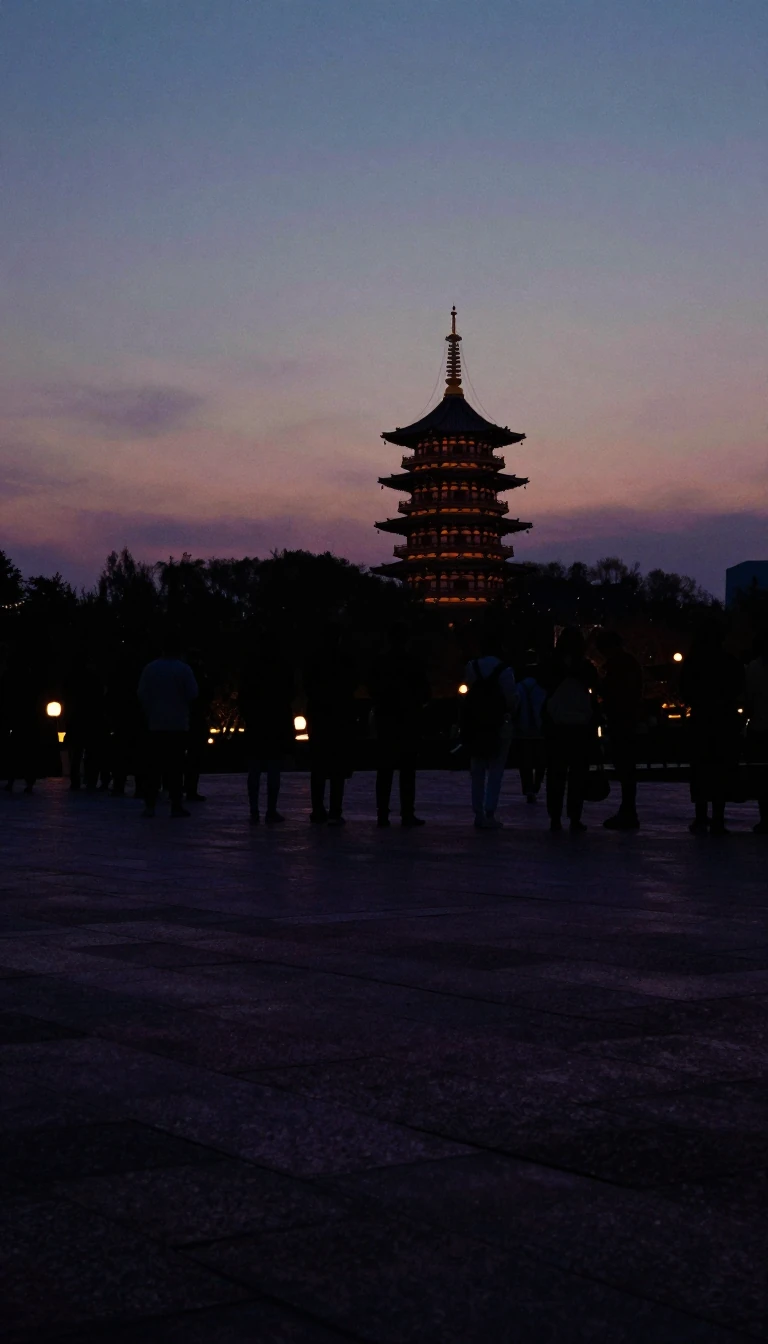 How a general who saved his nation was deposed for claiming he was divineTaksin the Great reunited Siam after the catastrophic fall of Ayutthaya in 1767. A brilliant military strategist, he drove out invaders and established a new capital at Thon Buri.…
- Was this 18th-century official a visionary reformer or the architect of Japan's corruption?Tanuma Okitsugu rose to immense power in the Tokugawa Shogunate by abandoning traditional frugality for bold economic intervention. While he modernized trade and industry, his leg…
- The Ethiopian Emperor who was deposed five times and sold titles to surviveTekle Giyorgis I, the last Ethiopian monarch to wield independent authority, endured a chaotic reign defined by constant betrayal and five separate depositions. Despite losing his…
 How a blacksmith's son became the most powerful man in Henry VIII's EnglandThomas Cromwell rose from humble origins in Putney to become Henry VIII's chief minister. A master of administration and a key architect of the English Reformation, he transformed…
- The Duke who managed Britain’s power through patronage, riots, and relentless political maneuveringThomas Pelham-Holles, 1st Duke of Newcastle, dominated 18th-century British politics for decades. A master of patronage and party management, he served as a key minister under Wal…
- How a former slave became a founding father of Sierra LeoneThomas Peters escaped enslavement to fight for the British in the American Revolutionary War. After facing broken promises and discrimination in Canada, he traveled to London to d…
- The last ruler of the Muisca Confederation whose name became the capital of Colombia.Tisquesusa was the fourth and final independent leader of the southern Muisca people. His reign, marked by internal conflict and the arrival of Spanish conquistadors, ended in tra…