 Intellect Plus
Household items
105 cards. Each one is a 40-second story with a five-minute read behind it. Page 2 of 2.
 The humble shelf is a masterclass in structural engineering and domestic space managementBeyond simple storage, the shelf is a versatile architectural tool that has evolved from ancient benches into complex, load-bearing systems. Whether floating, suspended, or indust…
 From Ancient Swords to Modern Snacks: The Enduring Utility of the SkewerThe humble skewer is more than a kitchen tool; it is a culinary bridge spanning millennia. From the roasting spits of Homeric Greece to the street-side stalls of modern global mar…
 The spork is a century-old design that remains a legal and linguistic puzzleThe spork is more than a cafeteria staple; it is a portmanteau with a complex legal history. While the term emerged in the early 20th century, the concept of a hybrid utensil date…
 The humble stool is the ancient ancestor of our most sophisticated modern chairsBefore the chair became a symbol of status, the stool reigned supreme as one of humanity's earliest seating inventions. From the thrones of African kingdoms to the rustic milking …
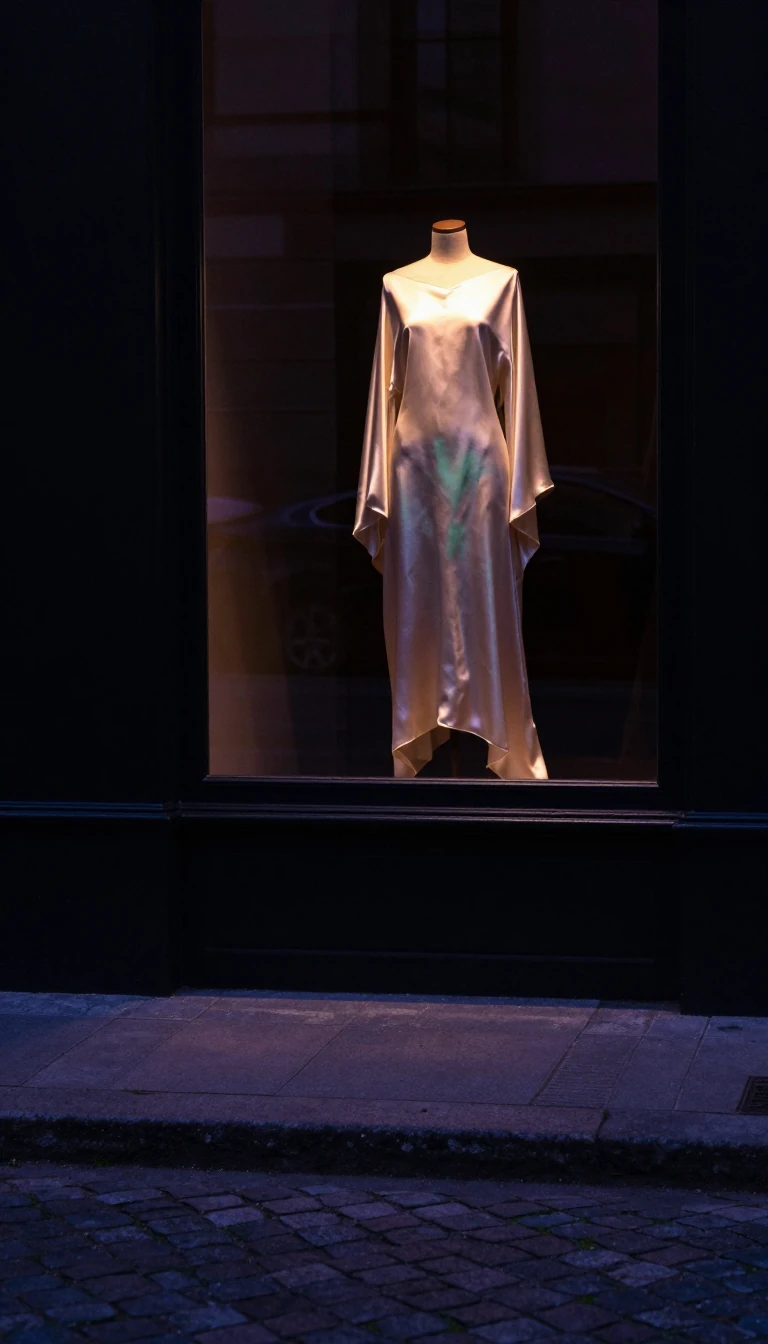 Why the objects on your sidewalk define your city's unique national identityStreet furniture is more than just utility; it is a curated landscape of benches, lamps, and mailboxes that shapes how we navigate urban life. From iconic red phone booths to mode…
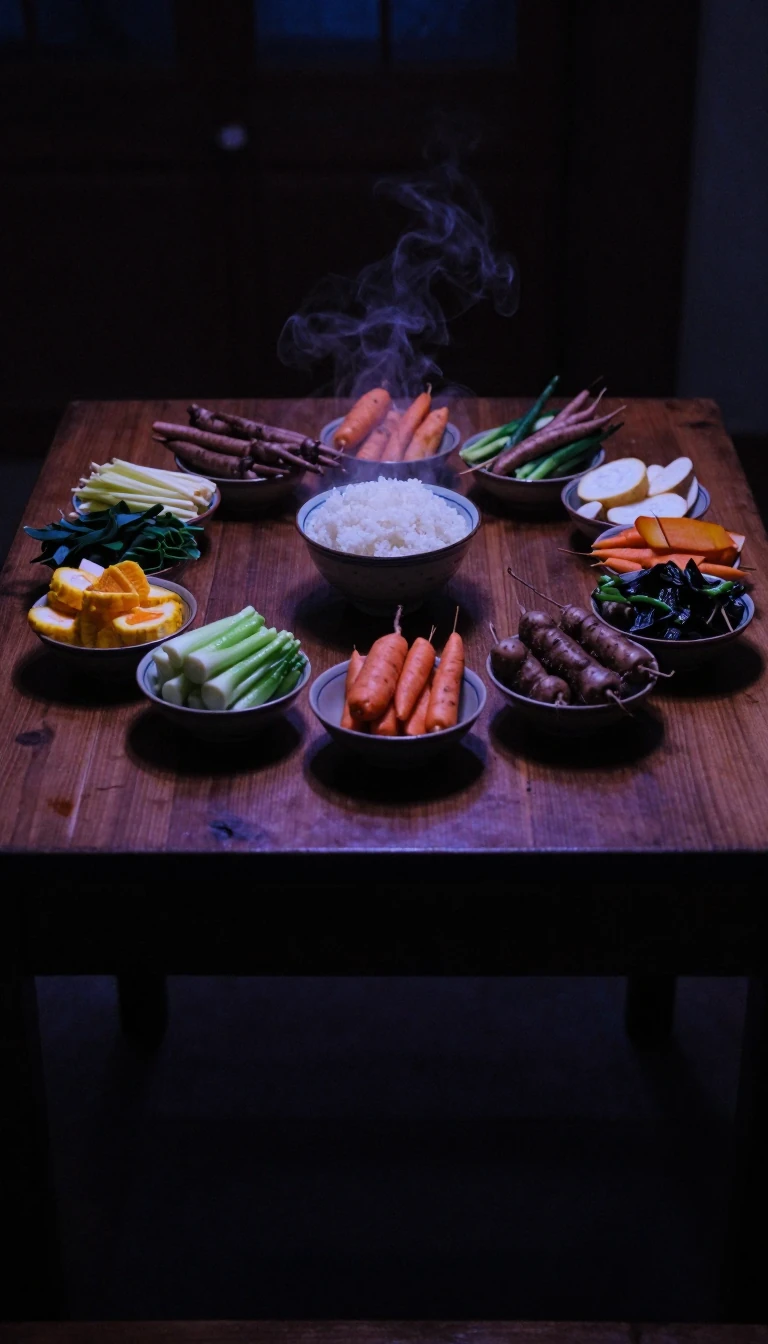 Why the Korean sujeo set is more than just a pair of utensilsIn Korea, the dining table is governed by specific etiquette surrounding the sujeo, a combination of spoon and chopsticks. While these metal tools are essential for enjoying Korea…
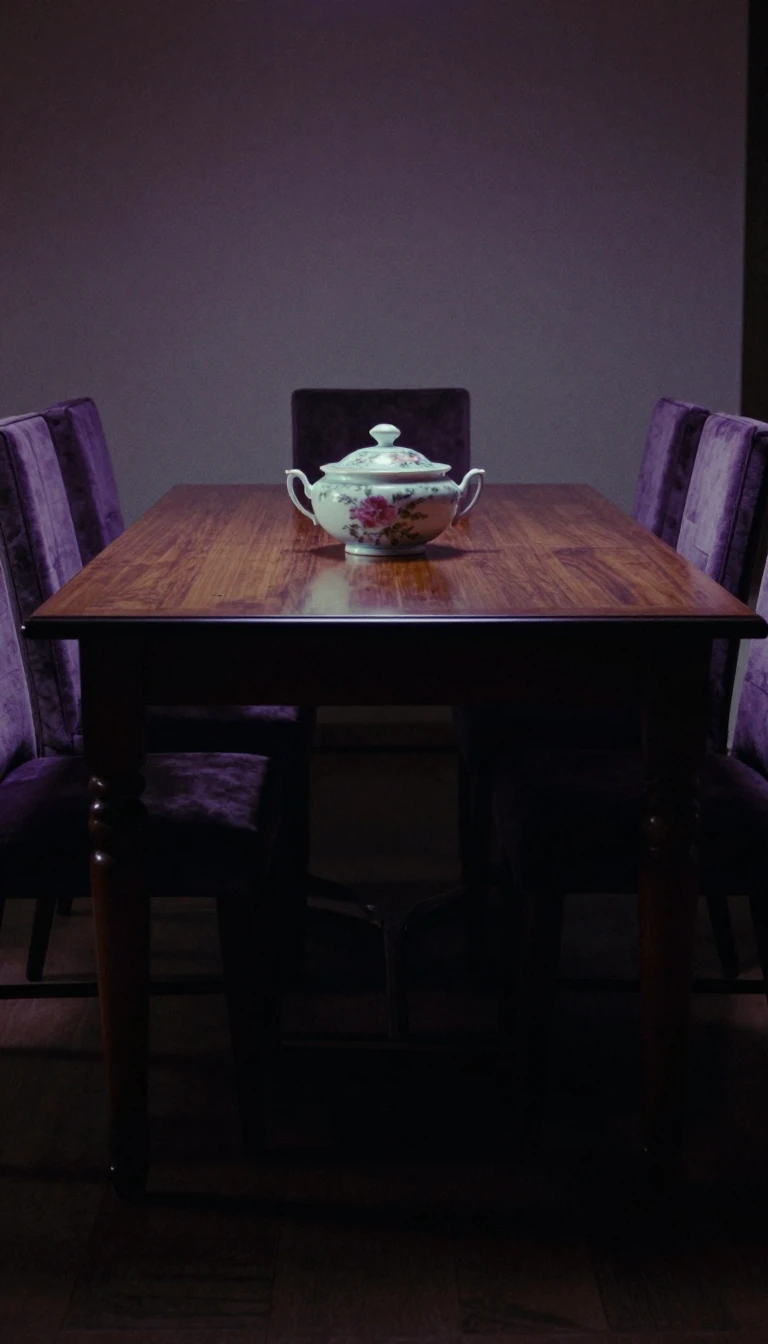 Why the modern table knife was designed to be blunt and roundedThe table knife is a staple of dining, yet its defining feature—a rounded, blunt tip—was not born from culinary necessity. Instead, this design emerged from a mix of social etique…
 Why the humble tatami mat is a masterpiece of Japanese architectural geometryOriginally a luxury for nobility, tatami mats evolved from thin, foldable floor coverings into the standard unit of Japanese interior space. Today, these rush-covered mats dictate…
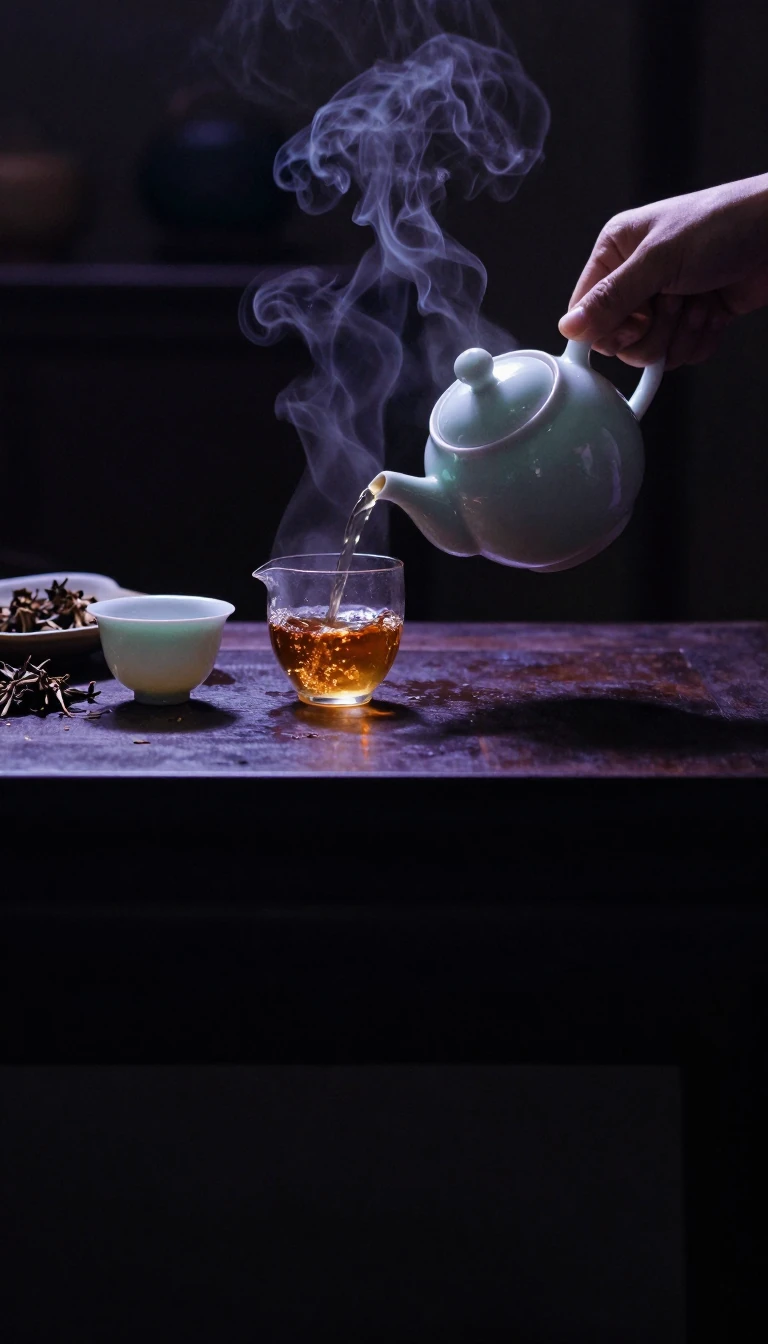 The humble teapot is a masterpiece of fluid dynamics and cultural evolution.From Neolithic water vessels to the digital standard of computer graphics, the teapot is more than a kitchen tool. It is a complex machine designed to manage heat, airflow, and fl…
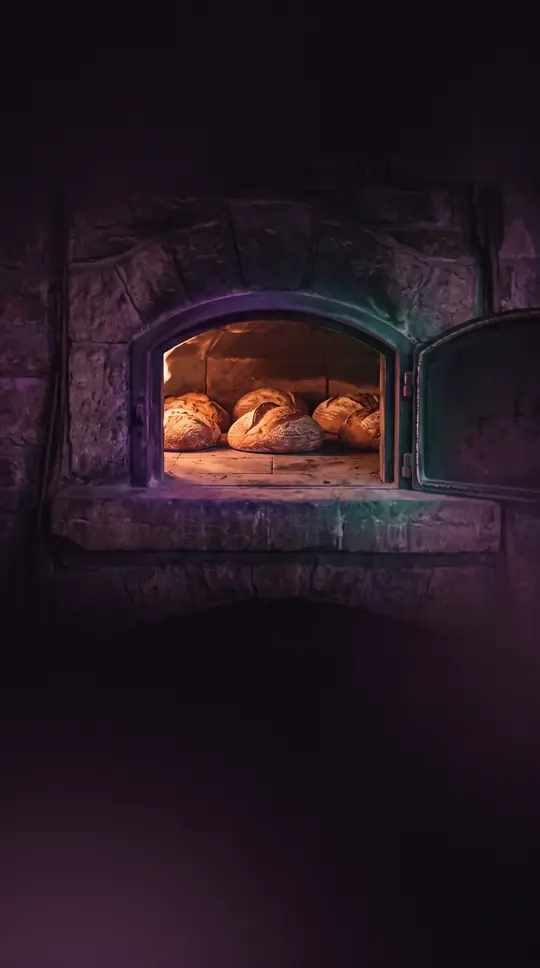 The humble kitchen toaster is a masterclass in material science and thermal engineering.Before the modern pop-up toaster, browning bread required a long-handled fork and an open fire. Today, this appliance relies on sophisticated alloys and precise sensors to achieve…
- From funeral fittings to high-end design: the hidden evolution of the upholstererUpholstery is far more than just fabric on a chair. Historically, the craft evolved from humble funeral services into a sophisticated art form that shaped interior design. Today, …
- Why the humble vase is actually a vital record of lost human civilizationsBeyond holding cut flowers, the vase serves as a primary historical archive. Because ceramic objects endure where other materials decay, they often provide the only surviving evid…
 From Renaissance status symbol to earthquake-proof shield, the evolution of wallpaper is remarkable.Once a luxury alternative to expensive tapestries for the European elite, wallpaper has transformed from simple decorative paper into a high-tech tool. Today, it can do more than …
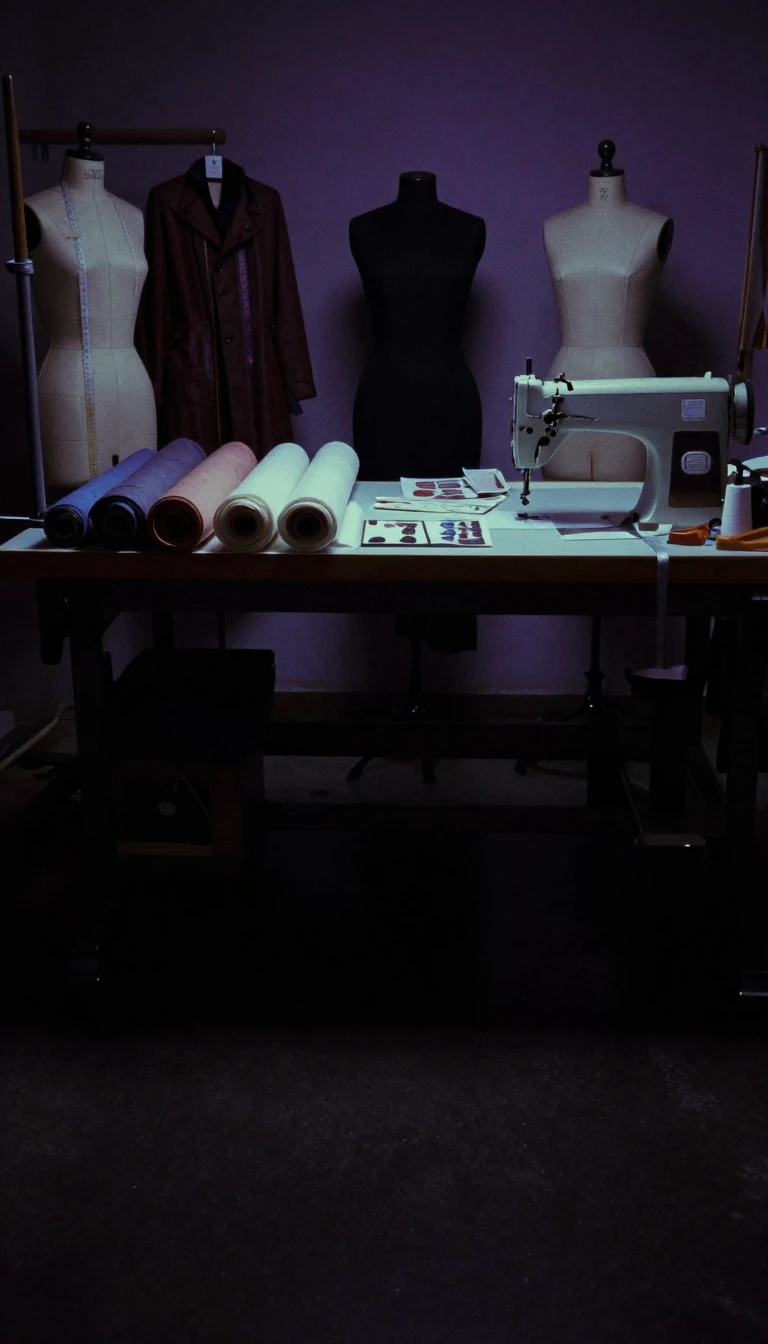 From a simple storage room to a status symbol, the history of the wardrobeBefore it was a piece of furniture, a wardrobe was an entire room dedicated to guarding garments. This evolution from a private chamber to a freestanding cupboard reveals how our …
 Beyond simple privacy, window blinds are sophisticated tools for thermal management and home safety.While often viewed as mere decor, window blinds serve as critical barriers against heat loss and solar gain. From the invention of honeycomb cellular shades in 1985 to the integra…
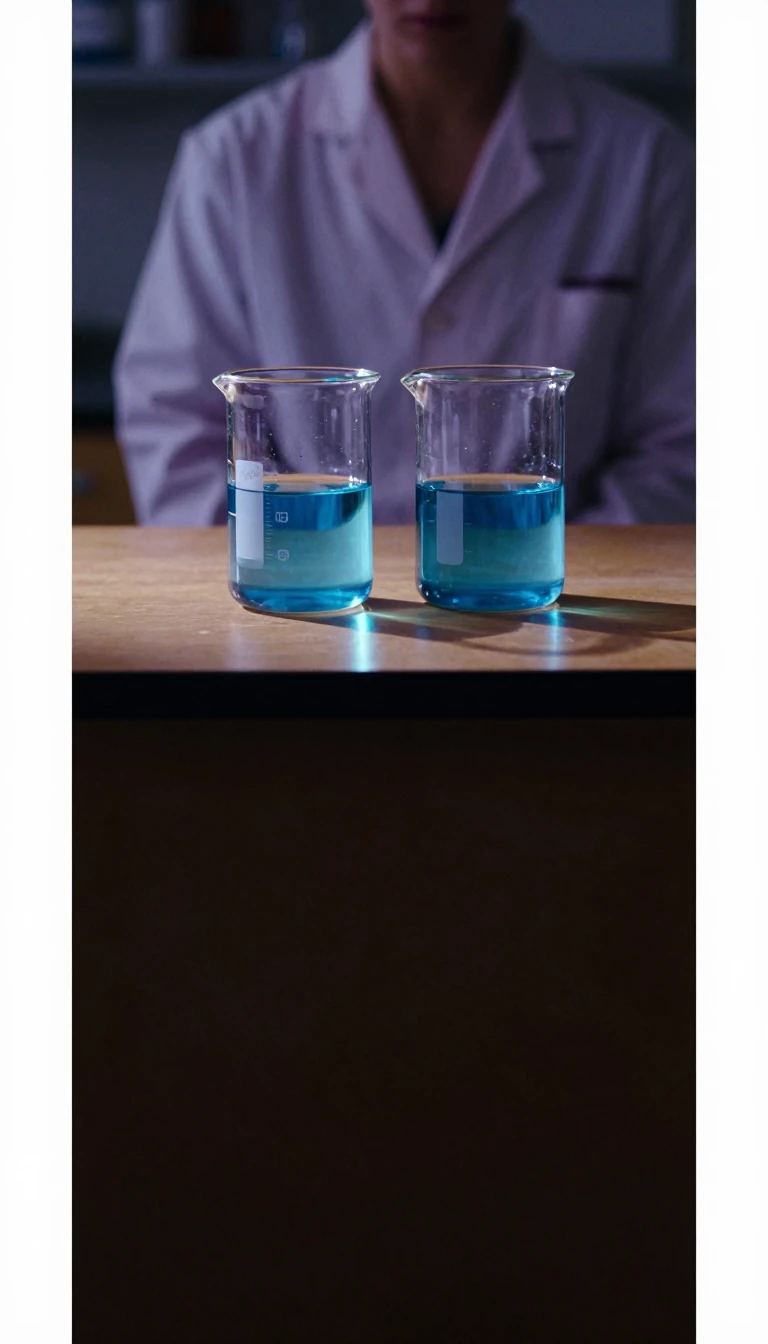 Why the shape of your wine glass might be more than just aestheticsWhile we often choose wine glasses for their elegance, science suggests their geometry actively shapes the drinking experience. From concentrating aromas to influencing how wine h…
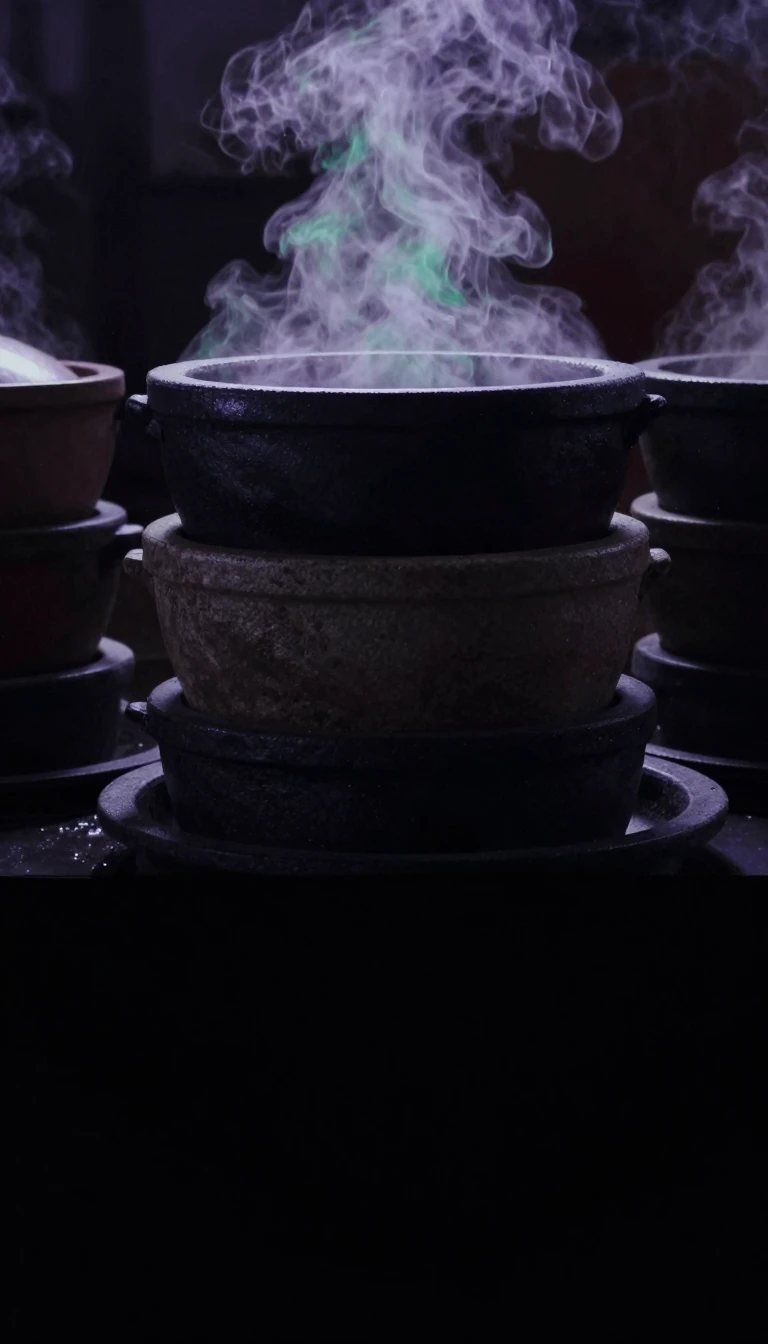 Is the wok a ancient Chinese invention or a borrowed South Asian tool?The origins of the iconic round-bottomed wok remain a subject of historical debate. While some scholars trace it to prehistoric Chinese cooking pots, others suggest it evolved fro…
 James Watt halved coal use by keeping one cylinder hot and another coldRepairing a model engine at the University of Glasgow in 1763, James Watt noticed how much fuel it wasted reheating its own cylinder every stroke. His fix, a separate chamber to c…
 Sake is brewed like beer, and once funded Japan more than land didSake is brewed more like beer than wine, but in a single stage: rice starch turns to sugar and sugar to alcohol at the same time. Undiluted, it reaches 18–20% alcohol. By 1899 Jap…
- The tablespoon began as a soup spoon and changed size by countryA tablespoon is exactly 15 millilitres in Britain and the United States, but 20 in Australia, where it also equals four teaspoons rather than three. The spoon itself has an odder …
- The glass coating on your bathtub began on Bronze Age ringsVitreous enamel is powdered glass melted onto metal in a kiln, usually at 750 to 850 degrees Celsius, until it flows into a smooth, hard coat. The craft that decorated Mycenaean r…
 The red poppy became a war memorial because it thrives in churned-up groundThe corn poppy loves disturbed soil, so after trench warfare tore up the fields of Flanders in the First World War, it bloomed there in vivid red. A Canadian surgeon put it into v…
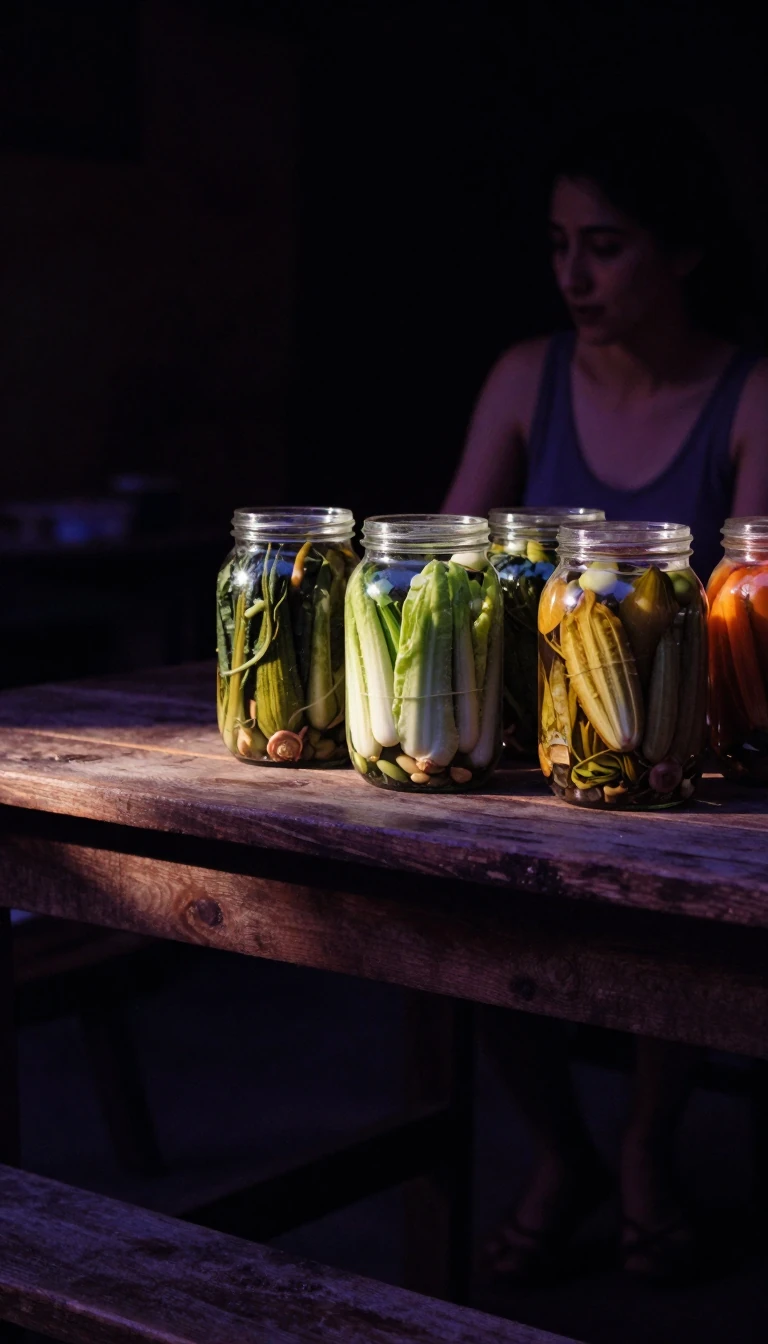 Water spinach floats on hollow stems and feeds half of Asia with almost no effortWater spinach has hollow stems that let it float, and it roots wherever a node touches mud. It grows along ditches and canals with barely any tending. In Singapore during the Seco…
 Sour little crabapples quietly keep the world's apple orchards workingWalk through a commercial apple orchard and every sixth or seventh tree may be a crabapple. Nobody grows them for fruit, which is mostly too sour to eat. They are there as pollen …
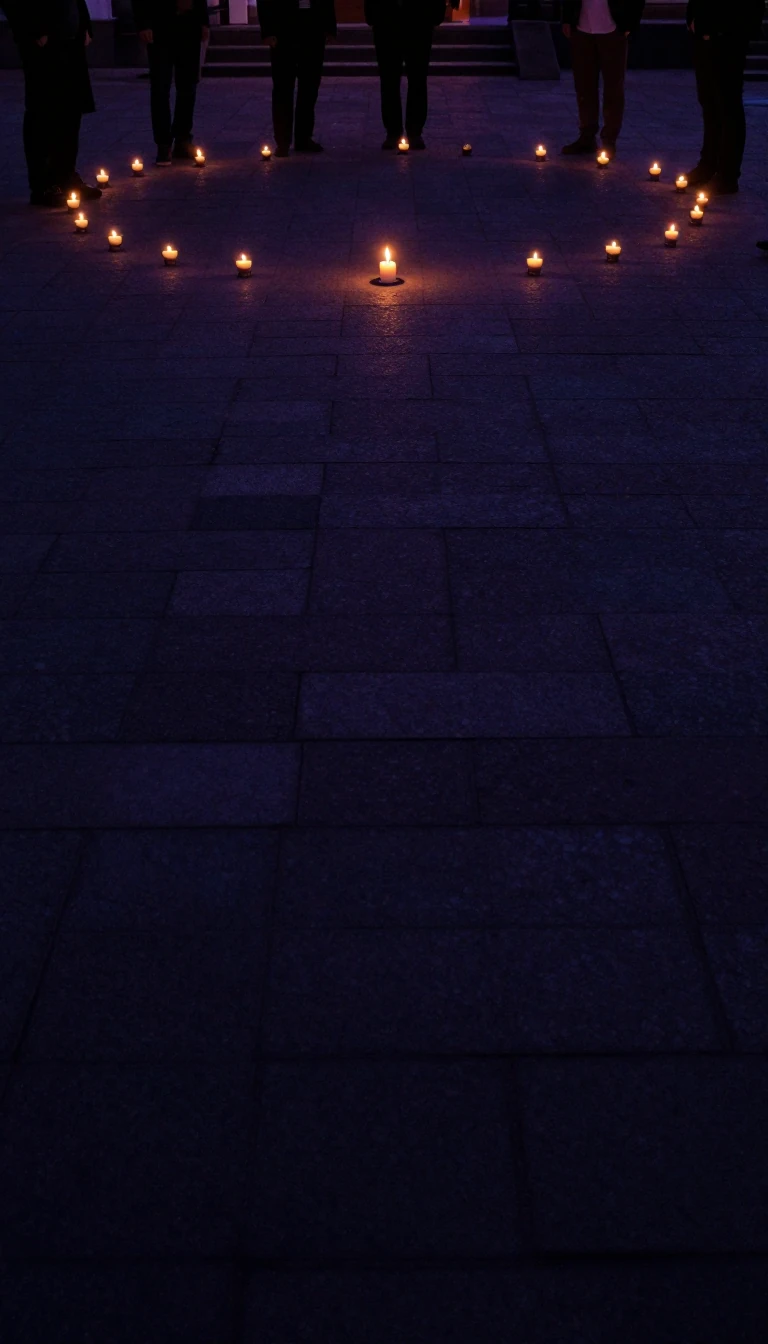 Incense burns so steadily that people once used it as a clockA good incense stick smoulders at a slow, even pace from end to end, so evenly that burning trails of incense powder served as clocks. The chemistry behind that glow is close kin …
- An anvil's sheer weight is what makes every hammer blow countA good anvil is heavy for a reason. All that inertia means the energy of a hammer blow flows into the glowing metal instead of shoving the block around. A cheap cast-iron lump den…
 A king-size bed in Britain is narrower than a queen in EuropeOrder a king-size mattress in the UK and you get something 152 centimetres wide. In the United States the same label means 193 centimetres, and in India the bed stretches to 216 c…
 The word tavern and the first British pubs arrived with Roman roadsBritons were brewing ale before the Romans came, but it took the Roman road network to create the first roadside drinking houses, the tabernae, which gave English the word tavern.…
- Table forks took fifteen centuries to feel normalThe Latin root names a pitchfork, yet the dining tool arrived late. Bone tines appear in Bronze Age China; Mycenaean graves held bronze examples. Byzantine diners used personal fo…
 Moveable goods began as stumps, then carved thronesFurniture props up sitting, eating, storing, working, and sleeping—or holds tools at handy height. English borrows the French word for supplies, while Romance languages keep Latin…
 Soft pillows followed stone headrests and ape nestsA pillow cushions head or body inside a fabric shell stuffed with natural or synthetic fill. The English word descends from Latin pulvinus via Old English, attested before the twe…
- Dinner plates grew sixty-five percent since the year 1000A plate is a broad, mostly flat vessel for serving or ceremony—usually round with a raised edge. Western meals default to plates unless food is too liquid, then bowls win. Estimat…
 Home showers stayed rare until the nineteen-seventiesA shower rinses a standing body under adjustable spray with a floor drain. Waterfalls and jug pours came first; Greek aqueducts fed communal rooms, then plumbing collapsed with Ro…
- The modern spoon bowl settled around seventeen sixtyA spoon pairs a shallow oval or round bowl with a handle for eating, measuring, stirring, and serving. Old English spon meant chip. Egyptian ivory and wood examples carry religiou…
- Tables rose from Egyptian stone platforms to drop leavesA table lifts a flat top on one to four legs, sometimes more, for working, eating or setting things down. Most stand eighteen to thirty inches high to suit the seats beside them. …
- Cutlery once meant knives until forks joined the table setCutlery covers utensils for serving and eating—originally knives, while forks and spoons counted as silverware—within broader flatware or tableware. Before mid-nineteenth-century …
 Copper palace pipes were already bathing tech by 3300 BCA bathtub holds water for human or animal washing; modern shells use acrylic, porcelain-enamelled steel or iron, or fibreglass-reinforced polyester. Documented early plumbing reac…
 Grass bedding from 200,000 years ago rewrote sleep archaeologyA bed is furniture for sleep, rest, and ease. In August 2020 scientists reported the oldest known grass bedding at least 200,000 years old—far earlier than prior records—while Sib…
 Fine cabinets were rare luxuries in the West before 1650Cabinets are boxy household cases—shelved or drawered—built to stash or show belongings, either freestanding or fixed to a wall, and usually built from timber or engineered wood. …
 Carpet widths still follow factory looms, not room whimsCarpets and rugs are textile floor covers with a pile layer on a backing—traditionally wool in Europe, now often polypropylene, nylon, or polyester. U.S. broadloom commonly runs 1…
- Chairs stayed rare status seats until the sixteenth centuryA chair seats one person with legs, a seat, and a backrest in wood, metal, or synthetics, often padded. English chair comes via Old French from Latin cathedra and Greek kathedra. …
- Chopsticks have seasoned Sinosphere tables for three millenniaChopsticks are matched equal-length sticks used as kitchen and eating tools across most of the Sinosphere for over three thousand years. Held in the dominant hand as finger extens…
- Stovetop cookware and oven bakeware split one kitchen toolkitCookware and bakeware are food-preparation vessels—pots, pans, sheets—used in kitchens. Cookware works on a stove or range cooktop; bakeware goes into an oven, though some pieces …
- Sofa, settee, chesterfield: many names for shared cushioned seatingA couch—also sofa, settee, chesterfield, or davenport—is cushioned furniture for more than one sitter, often a bench with upholstered arms, springs, and tailored fabric. Living ro…
 English called drinking vessels cups for a thousand yearsA cup is a small open-mouthed drink container, often holding about 6–16 U.S. fluid ounces (177–473 ml), made of pottery, glass, plastic, or metal. English has used cup for a drink…