 Intellect Plus
Industry
243 cards. Each one is a 40-second story with a five-minute read behind it. Page 3 of 5.
 Why the US still uses an archaic, non-linear system to measure sheet metal thickness.Sheet metal is the backbone of modern industry, from airplane wings to kitchen sinks. Yet, while most of the world uses simple millimeters, the United States relies on a confusing…
 The humble shuttle is the unsung hero of every piece of woven fabricBefore automated looms, the shuttle was the essential engine of textile production. This deceptively simple tool carries weft yarn through the warp, creating the structural integr…
- Sizing is the invisible coating that keeps your paper, textiles, and gold leaf intact.Whether you are writing on a page, weaving a fabric, or gilding a frame, sizing is the essential, often unseen, substance that makes it possible. By filling pores and modifying su…
- How ancient artisans turned gold and silk into a shimmering, floating royal fabricSongket is a traditional handwoven textile where metallic threads appear to hover above a vibrant, patterned base. Historically reserved for royalty, this intricate craft relies o…
- The humble spindle has shaped human history, mythology, and even our own biologyFrom Neolithic archaeological sites to the spinning of fate in ancient mythology, the spindle is a foundational tool of human civilization. While often overshadowed by the spinnin…
 The industrial secret behind synthetic fibers is remarkably similar to making cotton candyAt the heart of synthetic fiber production lies the spinneret, a specialized device that transforms viscous polymers into solid strands. By extruding molten or dissolved materials…
- How a mechanical revolution in the 18th century ended the era of cottage spinningBefore the Industrial Revolution, yarn was spun by hand in homes. The spinning frame changed everything by mechanizing production, creating stronger thread, and shifting manufactu…
- The spinning jenny did not get its name from a clumsy family memberThe spinning jenny revolutionized textile production by allowing one worker to spin multiple spools simultaneously. While popular legend claims the machine was named after the inv…
- Why the spinning mule was the hybrid engine of the Industrial RevolutionInvented in 1779, the spinning mule combined two earlier machines to master the production of fine, strong yarn. By moving spindles on a carriage to stretch and twist fibers, it t…
- From molten plastic to high-strength thread: the hidden science of polymer spinningEvery synthetic fiber in your wardrobe, from spandex to high-performance gear, begins as a liquid forced through a tiny nozzle. Whether melted down or dissolved in a chemical bath…
 How gravity and geometry turn a simple spiral into an industrial sorting machineAt first glance, a spiral separator looks like a simple helical slide. Yet, these devices harness complex physics to sort materials with precision. Whether separating heavy minera…
 Before modern industry, the stamp mill was the world's most powerful rock-crushing machine.For centuries, the stamp mill used simple cams and gravity to pulverize ore, fueling everything from Roman silver mines to the California Gold Rush. While modern technology has la…
 Sterilization is not just cleaning; it is the total elimination of all biological life.Sterilization is the absolute removal of every microorganism, spore, and virus from a surface or fluid. Unlike simple disinfection, which merely reduces pathogen levels, true ster…
 Is it stoneware or porcelain? The answer depends on who you ask and where.Stoneware is a durable, nonporous ceramic fired at high temperatures, yet its definition remains notoriously slippery. While Western standards distinguish it from porcelain by its…
 The humble street gutter is an essential piece of urban infrastructure hiding in plain sight.You walk past them daily, yet the street gutter is a sophisticated engineering solution to a perennial problem: water management. By collecting runoff and diverting it into storm …
 Why the softest leather in your closet is also the most fragileSuede is prized for its velvety texture and pliability, but this luxury comes with a trade-off. By utilizing the underside of animal skin rather than the tough exterior, suede gai…
 Are sugar substitutes actually a healthier choice or just a different kind of risk?Swapping sugar for artificial alternatives seems like a simple way to dodge calories and health risks. Yet, the science is far from settled. While some experts warn of potential m…
 Textile printing is the ancient art of bonding color to fabric with precisionFor centuries, artisans have transformed plain cloth into vibrant patterns using woodblocks, stencils, and chemical ingenuity. By thickening dyes to prevent bleeding and mastering…
 From road repairs to studio acoustics, tissue paper is a surprisingly versatile industrial tool.Beyond the bathroom and the tissue box, this thin, gauzy material serves as a critical component in everything from high-end audio engineering to heavy-duty infrastructure mainten…
 The trommel screen is a rotating drum that sorts materials using simple geometryNamed after the German word for drum, the trommel screen is a workhorse of industrial separation. By rotating a perforated cylinder, it sorts everything from municipal waste to fi…
- A clerical error in 1831 accidentally named one of the world's most iconic fabrics.Tweed is synonymous with rugged Scottish landscapes and elite country pursuits, yet its name was a total accident. A London merchant misread a shipment label for 'tweels' as 'Twee…
- Why your favorite pair of jeans relies on a simple, diagonal weaving trickTwill is one of the three fundamental textile weaves, instantly recognizable by its distinct diagonal ribs known as wales. By passing threads over and under each other in a specif…
 Why a kitchen accident in 1839 revolutionized the durability of modern rubberBefore the 1830s, rubber was notoriously unreliable, turning sticky and soft in the heat. It took a serendipitous accident in a frying pan to reveal the secret to hardening it. To…
- The ancient mechanics of weaving define both the clothes we wear and our languageEvery piece of fabric is a structural dance between two perpendicular forces: the stationary warp and the traveling weft. This fundamental tension, which has shaped human industry…
 How a water-powered invention turned the rhythm of the clock into industrial goldBefore the water frame, textile production was a slow, manual affair. By harnessing water power to drive spinning machinery, Richard Arkwright did more than just speed up thread p…
 London uses 2.6 billion litres of water daily, but the city is running dry.London faces a paradox: it is the driest part of the United Kingdom, yet it supports the largest population. With demand rising and climate change threatening summer availability,…
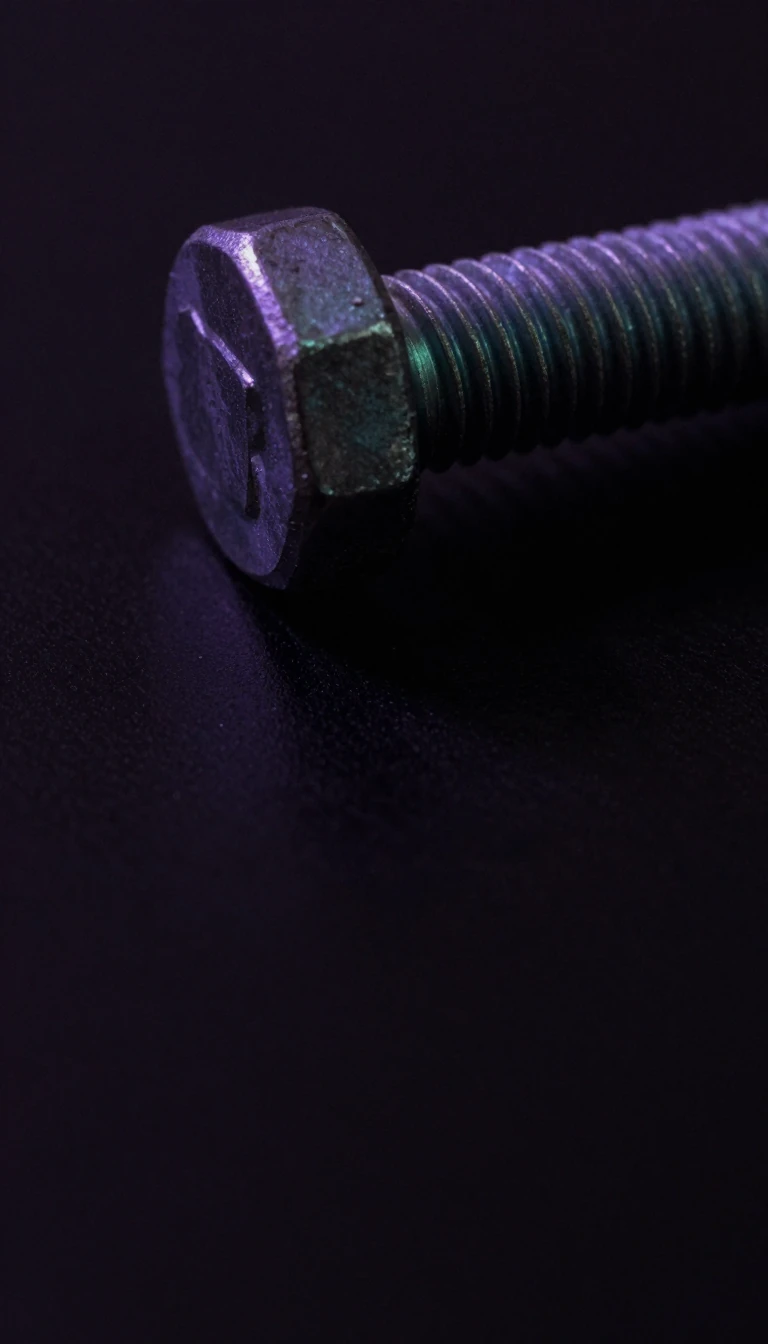 Why bending metal makes it stronger, harder, and eventually prone to snappingWhen you permanently deform a metal, you are not just changing its shape. You are forcing its internal crystal structure to tangle, creating a microscopic traffic jam of defects. …
 Why your broken smartphone might be a victim of a repair monopolyFrom heavy farm machinery to the phone in your pocket, a growing movement is fighting the 'repair monopoly.' Manufacturers often use proprietary screws, software locks, and expens…
 The reversible magic of materials that melt and reformUnlike many materials that undergo permanent chemical changes when heated, certain polymers possess a unique molecular flexibility. This ability to soften, reshape, and re-solidif…
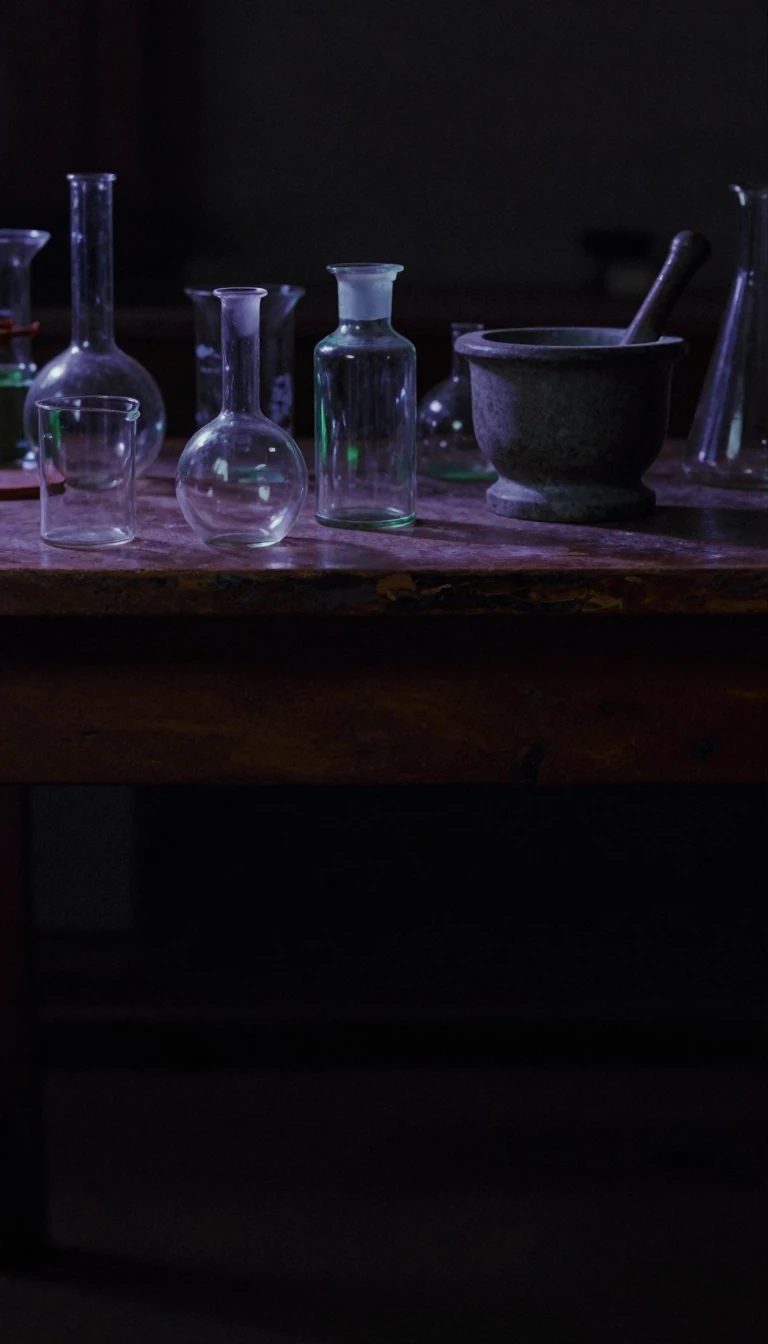 The Victorian material that connected continents and filled teethBefore synthetic plastics, a unique tree latex was the backbone of the industrial revolution. It was durable enough to protect undersea telegraph cables from marine life, yet bioc…
- How a single 1785 patent transformed weaving from manual craft to industrial powerhouseBefore the Industrial Revolution, weaving was a slow, manual labor of skill. Then came Edmund Cartwright’s power loom. By automating the interlacing of warp and weft, this machine…
 The hidden cost of luxury: how cashmere impacts the worldKnown for its incredible softness and ability to regulate body temperature, cashmere is a highly prized textile fiber. However, the intense demand for this luxury material is driv…
- The delicate art of balancing fire, air, and fuel in a blacksmith's forgeA forge is more than just a hearth; it is a controlled environment where metallurgy meets precision. By manipulating air, fuel volume, and fire shape, a smith can transform raw me…
 Early European windmills turned their whole body to catch the windWinds in northwestern Europe shift constantly, so the region's first windmills were balanced on a single massive upright post. Millers heaved the entire wooden building, machinery…
 Every knot in a plank is a buried branch from the tree's youthAs a tree grows, its lower branches die and new layers of trunk wood slowly swallow their stumps. Saw the trunk into boards and those entombed branches reappear as knots, darker c…
 Ancient Egyptian carpenters invented veneer long before they adopted glueEgyptian furniture makers were fitting mortise and tenon joints in the Predynastic period, lashing them with pegs, dowels, leather or cord. They pioneered veneering and finished p…
 The humble dustbin was born from an 1875 British public health lawVictorian London's streets were so clogged with refuse that Parliament finally stepped in. The Public Health Act of 1875 required every household to put out its weekly rubbish in …
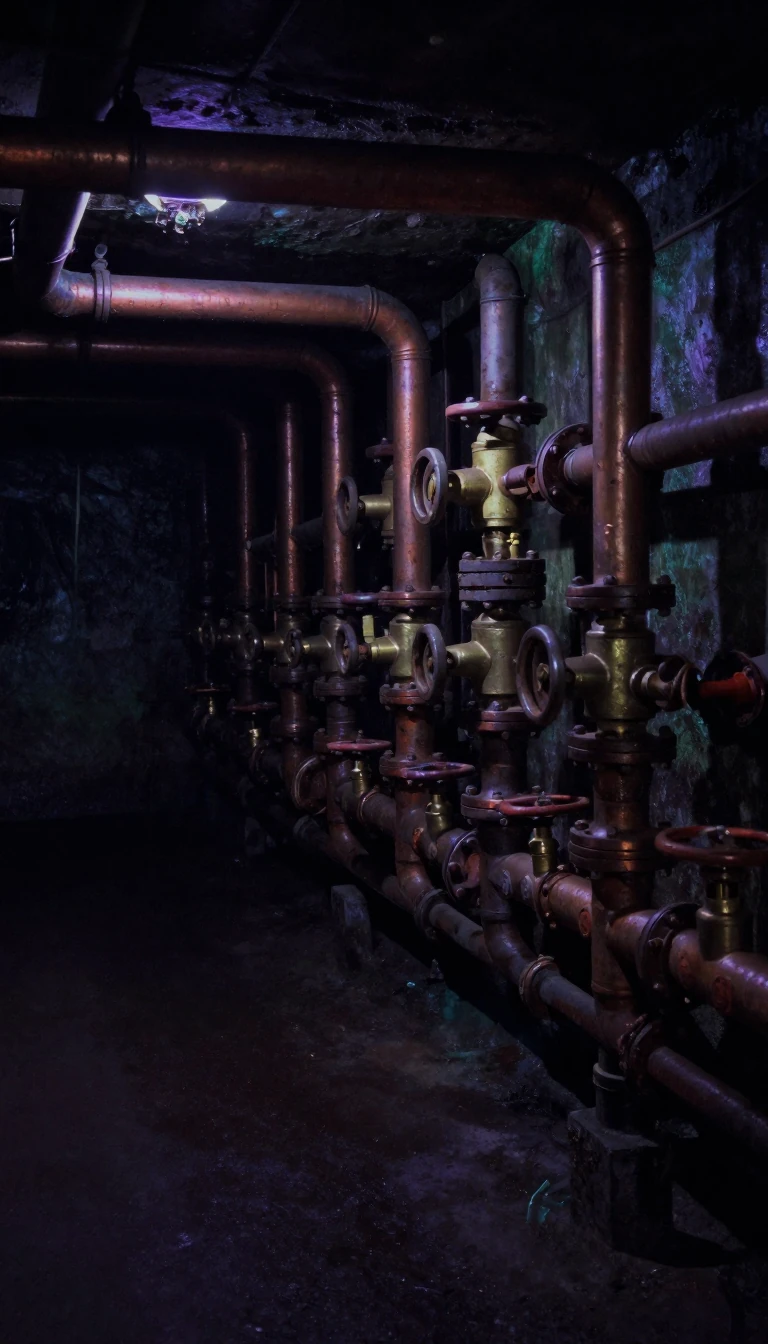 Treatment plants clean water by making dirt clump into flocMost particles clouding river water carry a negative charge that keeps them drifting apart. Add alum or an iron salt and within seconds those charges are neutralised, metal hydrox…
- Why tap water sometimes runs red, blue or tastes of metalWater can leave a treatment plant perfectly clean and still reach a kitchen tinted. Rust from unlined iron mains produces complaints of red water; copper pipes can turn it bluish …
 New York's wooden rooftop tanks seal themselves without any glueThe wooden water tanks perched on New York rooftops use no sealant at all. When first filled, they leak through the gaps between staves. Within a while the soaked wood swells, the…
 A Roman hillside of sixteen waterwheels fed an entire townIn the second century AD, at Barbegal in southern France, sixteen overshot waterwheels stepped down a slope, each turning its own flour mill. Together they could grind an estimate…
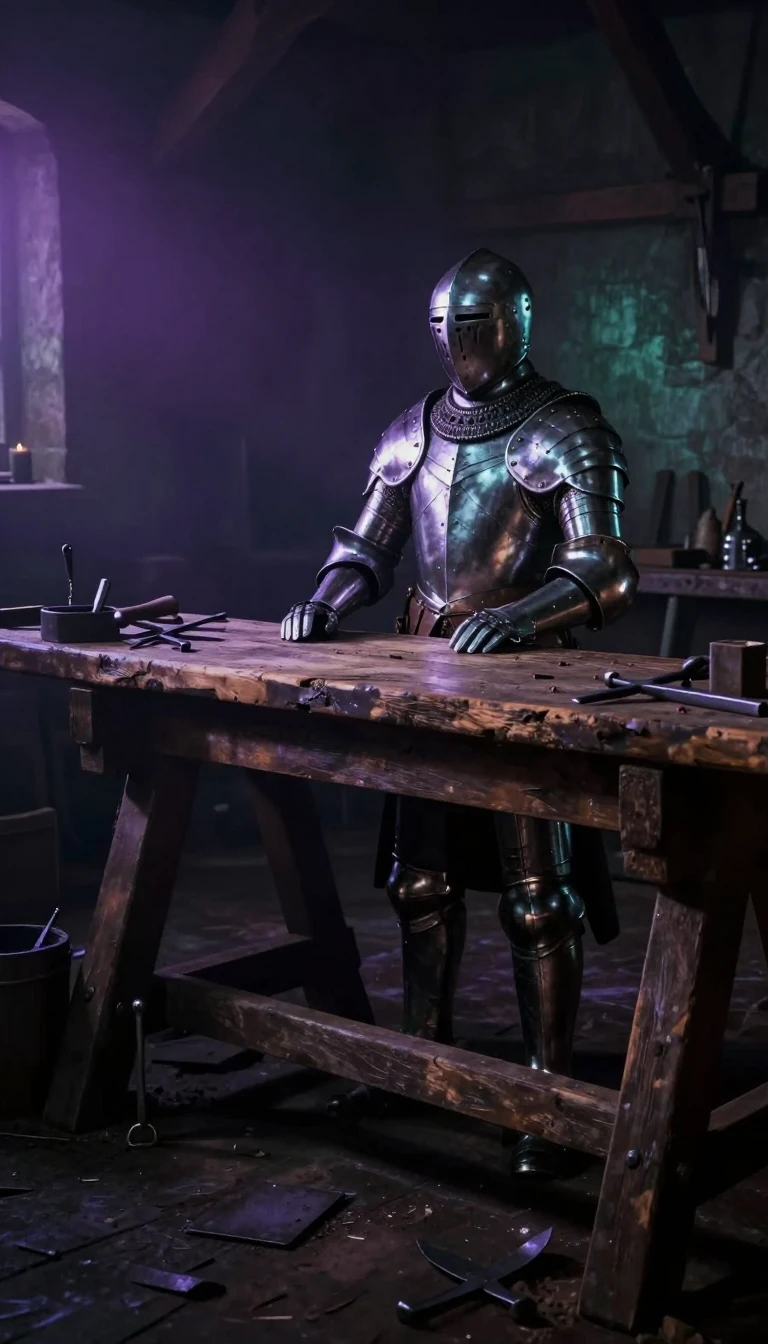 The word weld once meant to boil, and slipped into IsaiahWeld grew out of an old verb meaning to well up or boil, with a stray d tacked on. The shift shows up in English Bibles: John Wycliffe's 14th-century translation has people beatin…
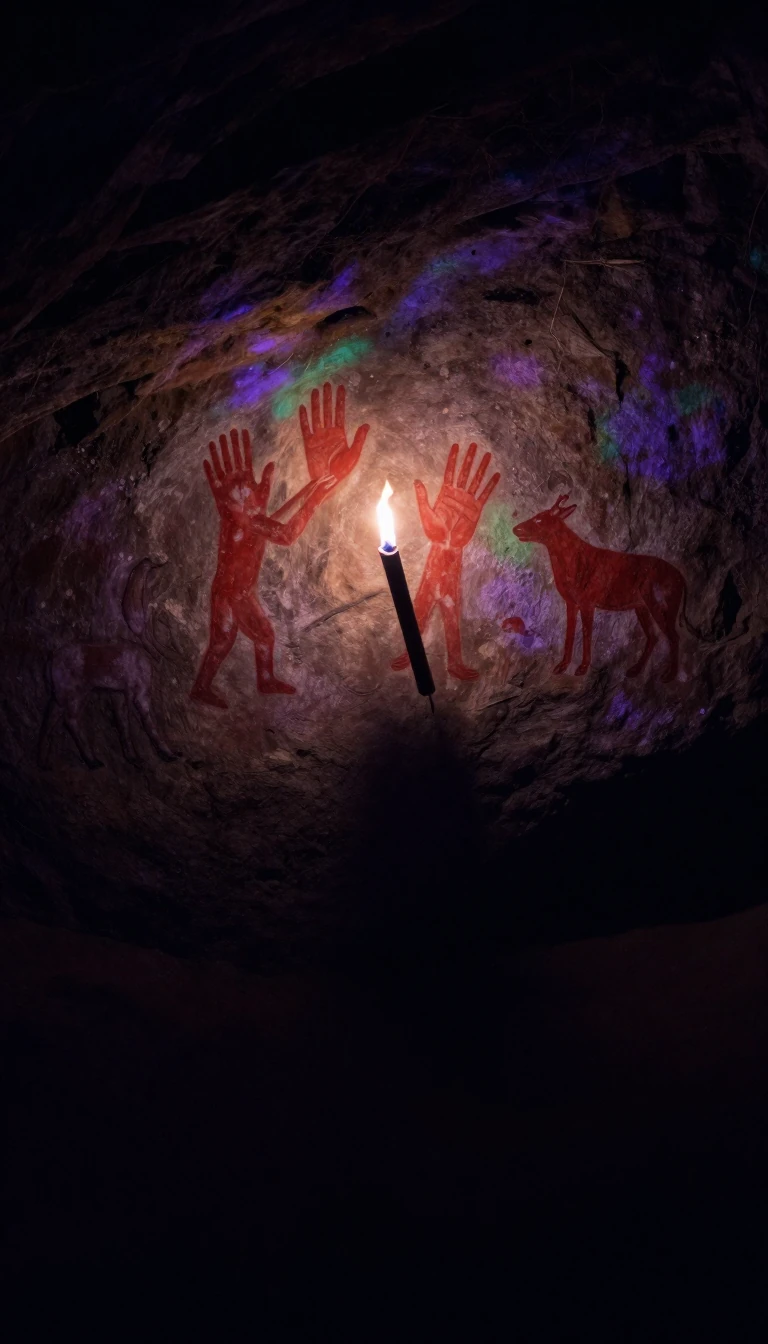 The oldest dated well was cut through Cypriot limestone 10,000 years agoAround 8400 BC, before they had even learned to make pottery, villagers at Kissonerga-Mylouthkia on Cyprus drove a round shaft eight metres down through solid limestone to reach w…
 Double the wind speed and a turbine gets eight times the powerThe energy carried by moving air rises with the cube of its speed. A breeze twice as fast delivers eight times the power, and increasing speed by a factor of about 2.15 multiplies…
 The first electric wind turbine charged batteries at an 1883 exhibitionVisitors entering the main hall of the 1883 Vienna International Electrical Exhibition passed a 6.6-metre American wind motor. Installed by Josef Friedländer, it turned a dynamo t…
- Bessemer steel cost seven pounds a ton to make and sold for fortyFor most of history steel was precious, made in small batches by skilled hands over days. Then in the 1850s the Bessemer converter turned pig iron into steel in about half an hour…
 Turbine blades and vanes often come in prime-number counts for a reasonLook closely at a turbine and the rotor blades and stator vanes rarely match in number. Designers often choose two different primes, which spreads out vibration harmonics. It is o…
 What counts as waste depends on who is holding itOne household's rubbish can be another person's raw material, and official definitions reflect that. In European Union law, something becomes waste once whoever holds it throws it…
- Only about half the world's sewage gets treated before releaseEvery flush starts a journey that ends in a river, the sea or the soil, and roughly half of it worldwide is cleaned along the way. The gap between countries is stark: wealthy nati…
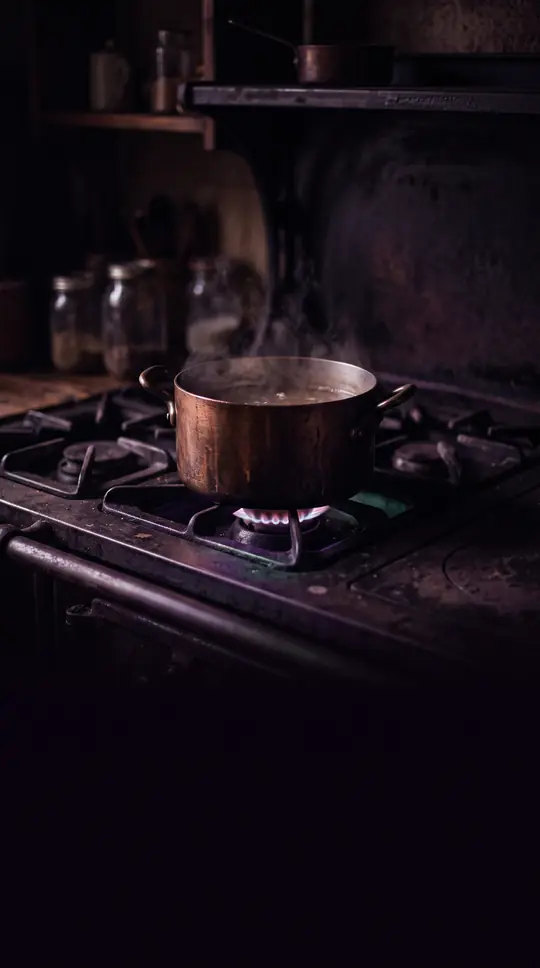 Smelting is chemistry, not melting, and it began with copper in SerbiaGetting metal out of rock is less about heat than about stealing oxygen. Carbon monoxide pulls oxygen atoms away from the ore, leaving pure metal behind. Humans first managed this…
 Romans scraped themselves clean for centuries before adopting soapAncient Romans cleaned their bodies by rubbing in oil and scraping it off with a curved metal blade called a strigil. Soap arrived late; Pliny the Elder called it an invention of …
 A 19-year-old built the first solar cell in his father's labIn 1839, Edmond Becquerel, then just nineteen, showed in his father's Paris laboratory that light could produce electricity. It took more than a century for the effect to become u…
- In 1913 a solar plant in Egypt pumped Nile water to cotton fieldsEarth absorbs more sunlight in about an hour than humanity uses in a year. People have tried to tap it for a long time: a solar steam engine ran at the 1878 Paris exposition, and …
- In 1974 only six North American homes ran fully on solar powerSolar electricity went from a satellite luxury to the cheapest new power in most countries within about fifty years. In 1974, an estimate found just six private homes across North…
- Sumerian swordsmiths were soldering metal five thousand years agoThe trick that holds your phone's circuit board together is older than writing in most of the world. Sumerian swords from around 3000 BC were assembled with hard solder, and metal…
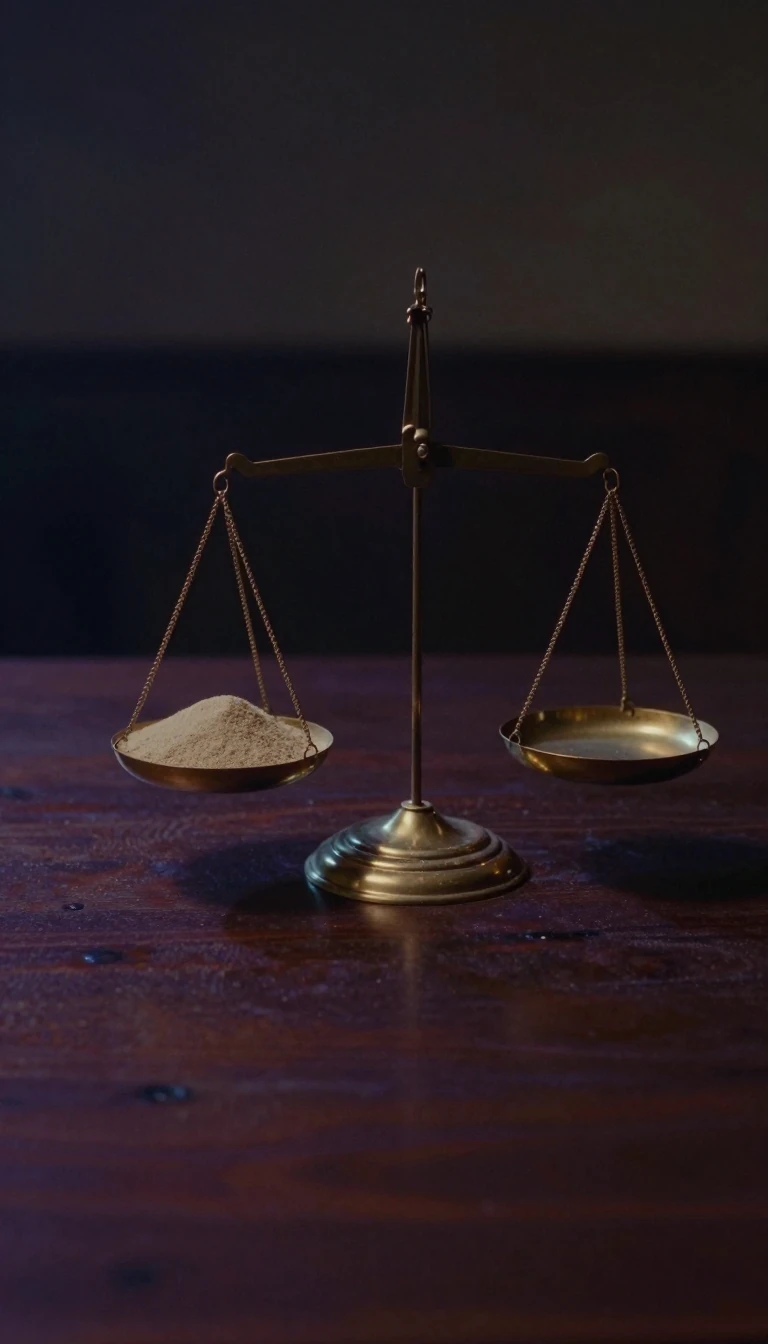 Indus Valley weights stayed consistent for at least 500 yearsArchaeologists measured 558 weights dug from Mohenjo-daro, Harappa and Chanhu-daro and found no meaningful drift across five layers of settlement. Someone was enforcing a standard…
- An Ottoman engineer used a steam turbine to turn a roasting spit in 1551Steam turbines generated about 42 percent of American electricity in 2022, yet the idea is ancient. Hero of Alexandria described a spinning steam toy in the first century, and in …
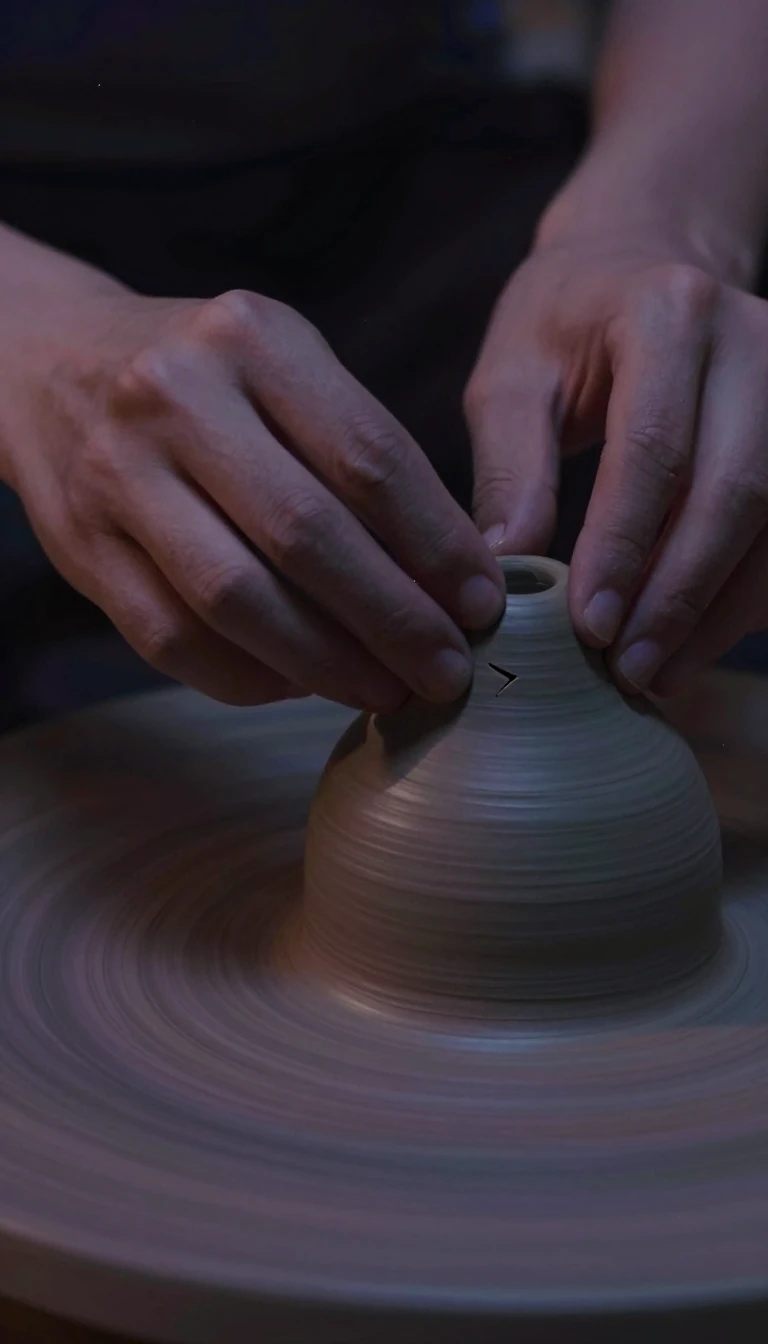 Every fired pot quietly records Earth's magnetic field at the moment of firingWhen ancient potters baked clay, iron grains inside locked in the direction of Earth's magnetic field at that instant. Archaeologists read that signal today, along with the chemic…
- Coal, nuclear or solar, most power plants are really giant steam kettlesA coal furnace, a nuclear reactor and a field of sun-focusing mirrors look nothing alike, yet most such plants do the same job in the end: boil water, let the steam spin a turbine…
- Every boat through a canal lock spills water that someone must pump backEach time a narrowboat works through a lock, a chamberful of water drains from the upper canal to the lower one, and most lock gates leak besides. Left alone, the top of a canal w…