Is it stoneware or porcelain? The answer depends on who you ask and where.
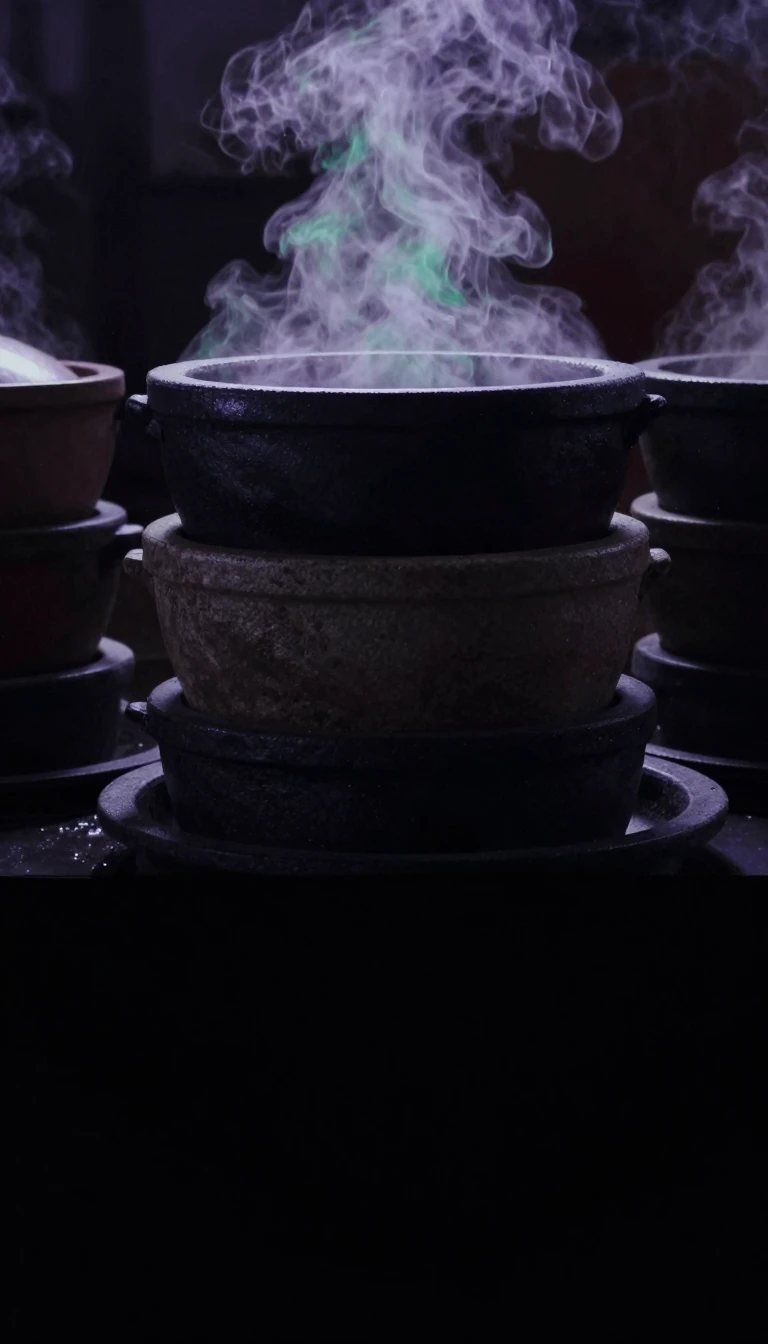
In short: Stoneware is a durable, nonporous ceramic fired at high temperatures, yet its definition remains notoriously slippery. While Western standards distinguish it from porcelain by its opacity, traditional East Asian classification often ignores the category entirely, grouping high-fired ceramics together regardless of their translucency or color. It is a matter of perspective.
Stoneware is defined by its vitrification, a process occurring at approximately 1,200° C (2,200° F) that renders the clay impervious to liquid. Unlike earthenware, which remains porous, stoneware is hardened by heat until it becomes glasslike. Because clay is naturally refractory—meaning it only vitrifies at much higher temperatures—potters mix it with substances that melt at lower heat. This allows the object to retain its shape while the mixture vitrifies, creating a dense, opaque body that resists corrosion.
The boundary between stoneware and porcelain is famously vague. In the West, porcelain is typically defined by its translucency, whereas stoneware is considered partially vitrified and opaque. However, these definitions are inconsistent; some thin-walled stonewares can be translucent, while heavy porcelains may be opaque. Chinese tradition offers a different metric, classifying ceramics by the ringing tone they produce when tapped. Consequently, many historical wares, such as the Chinese Ding ware, are categorized as porcelain by some scholars and stoneware by others.
The history of stoneware spans millennia and continents. Fine white stoneware appeared in China as early as 1400 bce, and the Mature Indus Valley civilization produced stoneware bangles between 2600 and 1900 BC. In Europe, production began in 16th-century Germany. By the 17th century, the import of tea to Europe popularized red stoneware pots from the Yixing kilns. Later, 18th-century English potters like Josiah Wedgwood developed specialized varieties such as basaltes and jasper, while the 19th century saw the introduction of Ironstone china. Today, the term remains descriptive rather than definitive, reflecting a long-standing evolution in ceramic technology.
Opens the Intellect+ feed with this card first. Swipe up for the next one.
Sources
- Summary by Intellect · source: Stoneware | Types, Uses & History | Britannica
- Also: Stoneware
To cite this card, link to https://intellectplus.co.uk/app/technology-stoneware.
How we source, check and correct cards: Editorial standards.
General information, not professional advice. Spotted an error? Flag the card or see corrections and complaints.
Intellect Plus is a visual educational discovery platform for exploring fascinating facts and ideas. Brain Food, Not Brain Rot. What is Intellect Plus?
Related
More in Industry · More in Technology · Latest · A–Z · All topics
