 Intellect Plus
Navigation and timekeeping
58 cards. Each one is a 40-second story with a five-minute read behind it.
 How a shadow on sand became the rhythm of modern lifeThis video traces the evolution of timekeeping from ancient shadows to vibrating atoms. It explores how mastering the measurement of seconds fundamentally reorganized human civili…
 Before GMT, time was a local affair that created global chaosImagine a world where every town kept its own time based on the sun's position. This video explores how humanity moved from localized clocks to a unified global standard.
 The text editor that evolved into a programmable operating systemMost people see Emacs as a simple tool for writing text, but its history reveals a much more ambitious lineage. Born from the need to automate complex commands in 1970s laboratori…
 The clock may be humanity's most significant inventionThis video traces a 700-year technological odyssey from medieval towers to atomic precision. It explores how mastering time measurement fueled revolutions in science, navigation, …
 Can science explain the universe without needing a divine creator?Sean Carroll argues that centuries of scientific progress have rendered the concept of a deity unnecessary for explaining our existence. As a physicist and philosopher, he champio…
 The cosmic churning that birthed immortality and shadow planetsWhen the gods and demons of Hindu mythology joined forces, they didn't just fight; they engineered a cosmic machine. By using a mountain as a rod and a giant serpent as a rope, th…
 Before the smartphone, the personal digital assistant defined our mobile futureLong before smartphones dominated our pockets, the personal digital assistant (PDA) pioneered the mobile management of our lives. These versatile handhelds introduced the world to…
 The invisible damage of 'the torment of the rope'Unlike many forms of physical violence, the strappado was designed to leave no visible scars while inflicting devastating internal destruction. By suspending a victim from their w…
 Why your calendar needs constant adjustment to keep pace with the spinning EarthTimekeeping was once a simple matter of watching the moon, sun, and stars. Today, we define time through the precise oscillations of atoms. Yet, because our natural celestial cycl…
 From ancient mechanical globes to digital domes, how we simulate the entire universe.For centuries, humanity has sought to capture the heavens within a room. From Archimedes' early devices to modern digital theaters, planetariums have evolved from simple rotating …
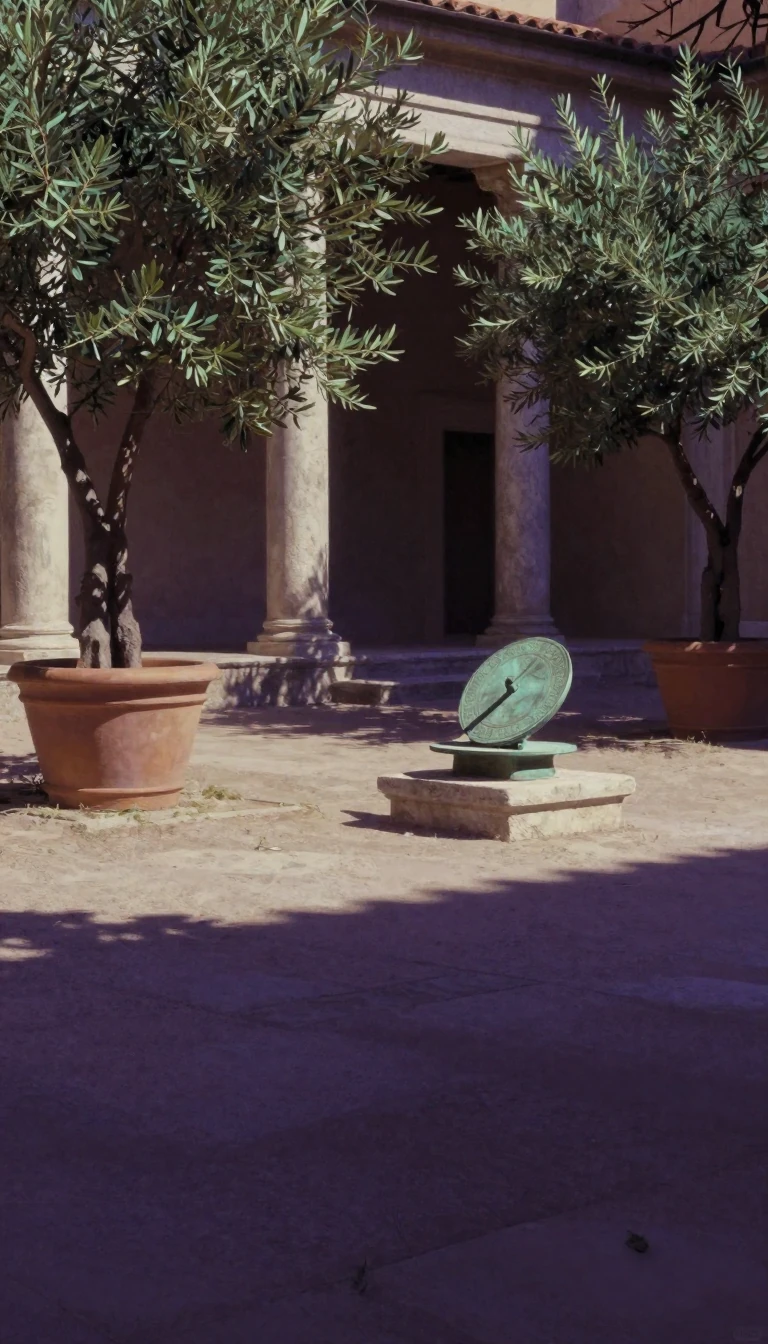 The Roman road network was a feat of engineering that integrated an entire empireSpanning over 400,000 kilometres, the Roman road system was the backbone of an empire. These highways were not merely paths; they were carefully surveyed, drained, and paved infra…
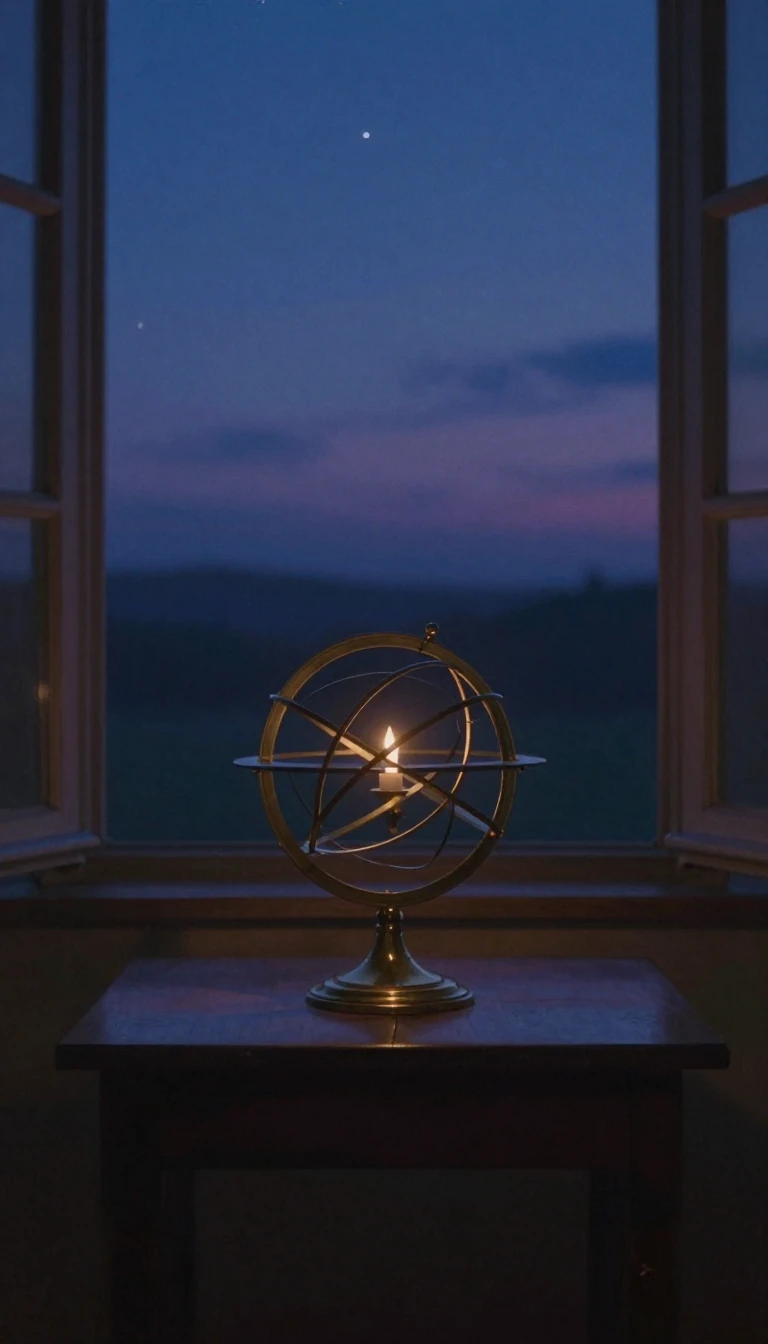 The Royal Society: Why Britain's oldest scientific academy demands you trust no oneFounded in 1660, the Royal Society is the world's oldest continuously existing scientific academy. Its motto, Nullius in verba, translates to 'take nobody's word for it,' a radica…
 Solarpunk is the optimistic, DIY-driven rebellion against our current climate-fatigued, dystopian media landscape.While cyberpunk envisions a grim future of technological alienation, solarpunk offers a bright, sustainable alternative. This genre uses renewable energy and maker-hero ethics to …
 Why the NATO phonetic alphabet uses "Alfa" and "Juliett" instead of standard spellingThe NATO phonetic alphabet is not actually phonetic. It is a carefully engineered system of 26 code words designed to ensure clarity over static-filled radio and telephone lines. …
 Why your calendar is a relic of ancient Babylonian astronomy and Roman imperial law.The seven-day week is not a natural cycle, but a human invention that traveled from ancient Babylon to the Roman Empire. By mapping days to the Sun, Moon, and five visible planets…
 Is our universe just one bubble in an infinite, unseen cosmic quilt?The multiverse suggests that everything we know—space, time, and physical laws—is merely a fragment of a vast, potentially infinite collection of realities. While some physicists …
 Japan's unique calendar system tracks time through the reigns of its emperorsIn Japan, years are officially counted using an era name system that dates back to 645 CE. While the Gregorian calendar is widely used, the traditional nengō system remains vital …
 Is the world currently trapped in a 432,000-year cycle of darkness and decay?In Hindu cosmology, we are living through the Kali Yuga, the final and most turbulent stage of a four-part world cycle. Defined by conflict, hypocrisy, and moral decline, this age…
 How a carpenter's obsession with time conquered the oceans and built an empireFor centuries, sailors were blind to their longitude, unable to track time accurately at sea. John Harrison’s invention of the marine chronometer changed everything. This precisio…
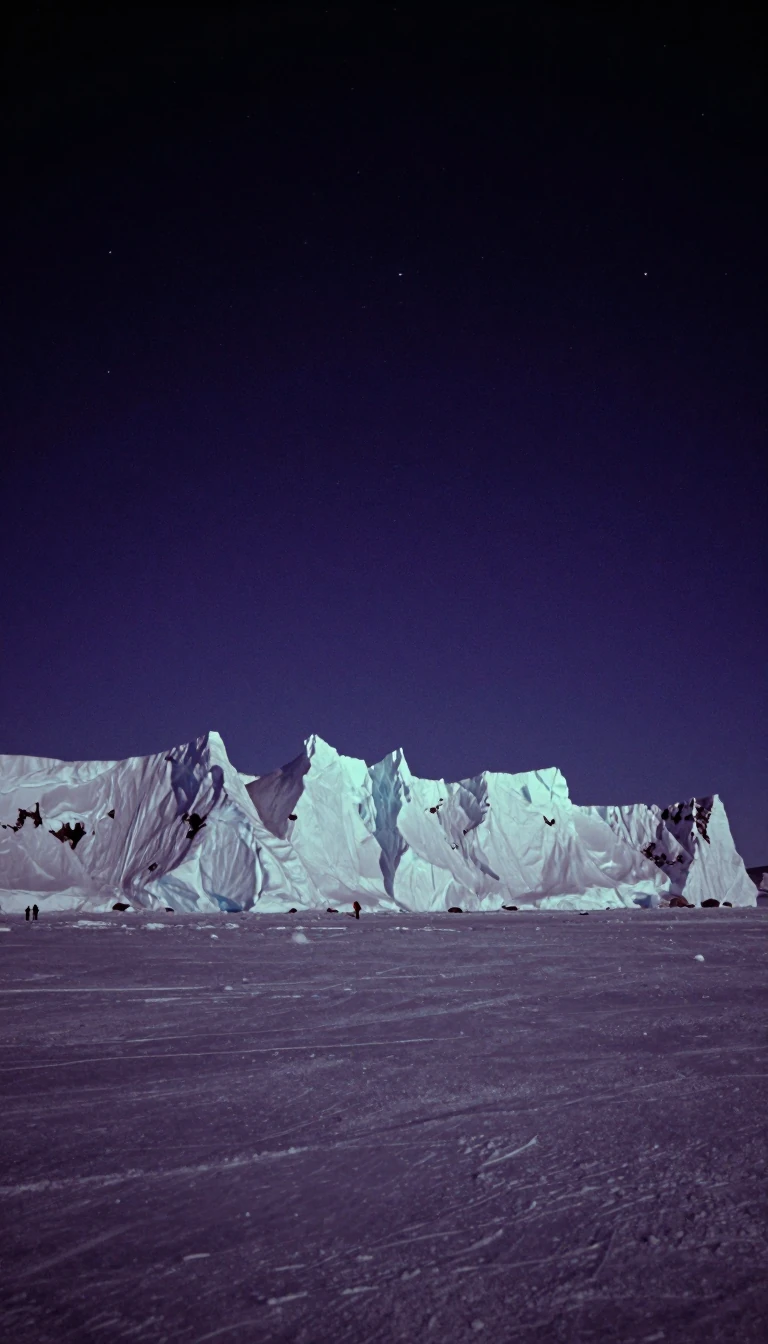 Are Earth's orbital wobbles the true architects of our planet's long-term climate history?For decades, scientists have debated whether subtle shifts in Earth's orbit—eccentricity, axial tilt, and precession—dictate our glacial cycles. While these Milankovitch cycles ex…
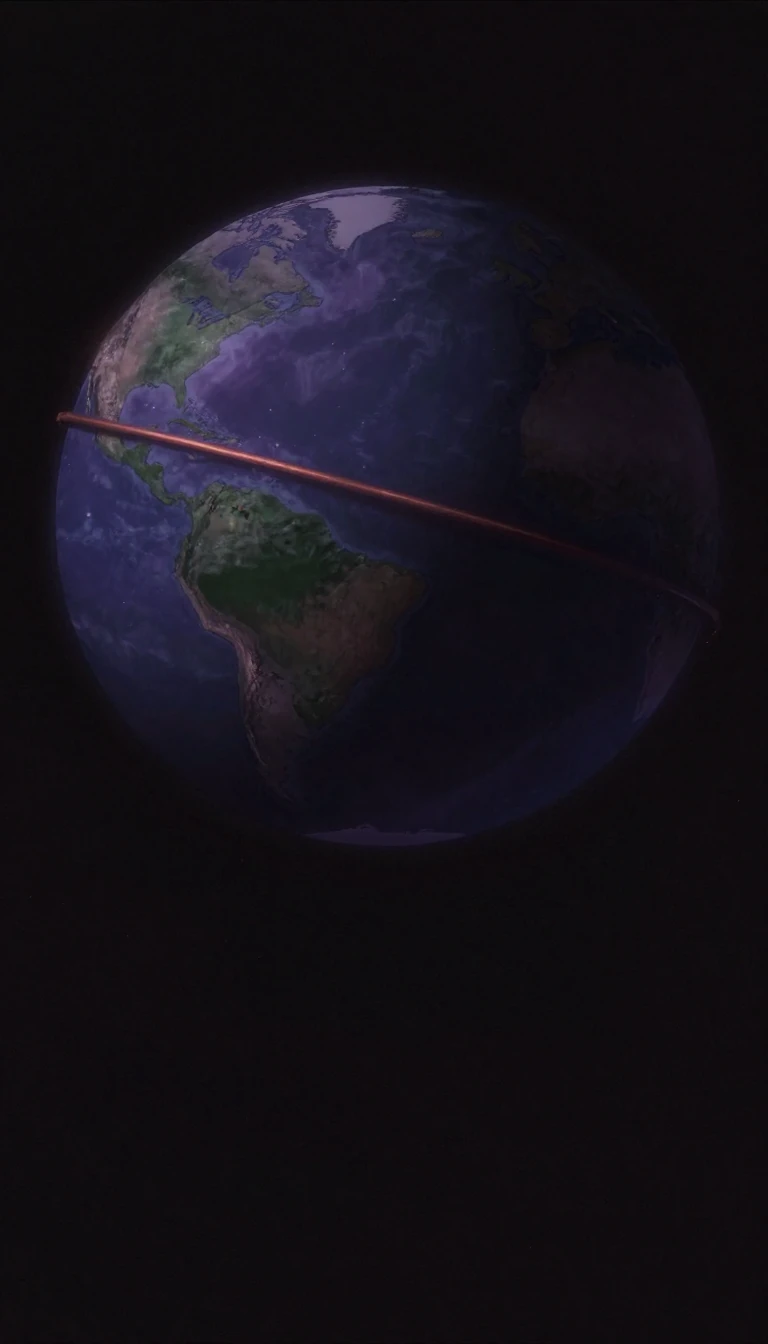 The world's oldest UN agency began by standardizing telegraphy in the nineteenth century.Founded in 1865, the International Telecommunication Union is a global powerhouse that predates the United Nations by decades. While it started by harmonizing telegraph networks, …
 How inertial navigation tracks movement without ever looking at the outside worldInertial navigation systems track position and velocity using only internal sensors, making them immune to jamming. By measuring acceleration and rotation, these devices calculate…
 How a Cold War GPS Update Sparked a Global Treasure HuntGeocaching began in 2000, immediately after the US government disabled selective availability on GPS signals. This sudden boost in civilian satellite accuracy allowed users to pin…
 How a humble brig-sloop became the most famous scientific vessel in historyLaunched in 1820 as a standard Royal Navy gun-brig, HMS Beagle was transformed into a sophisticated survey ship. Beyond its role in Darwin’s evolutionary discoveries, the vessel p…
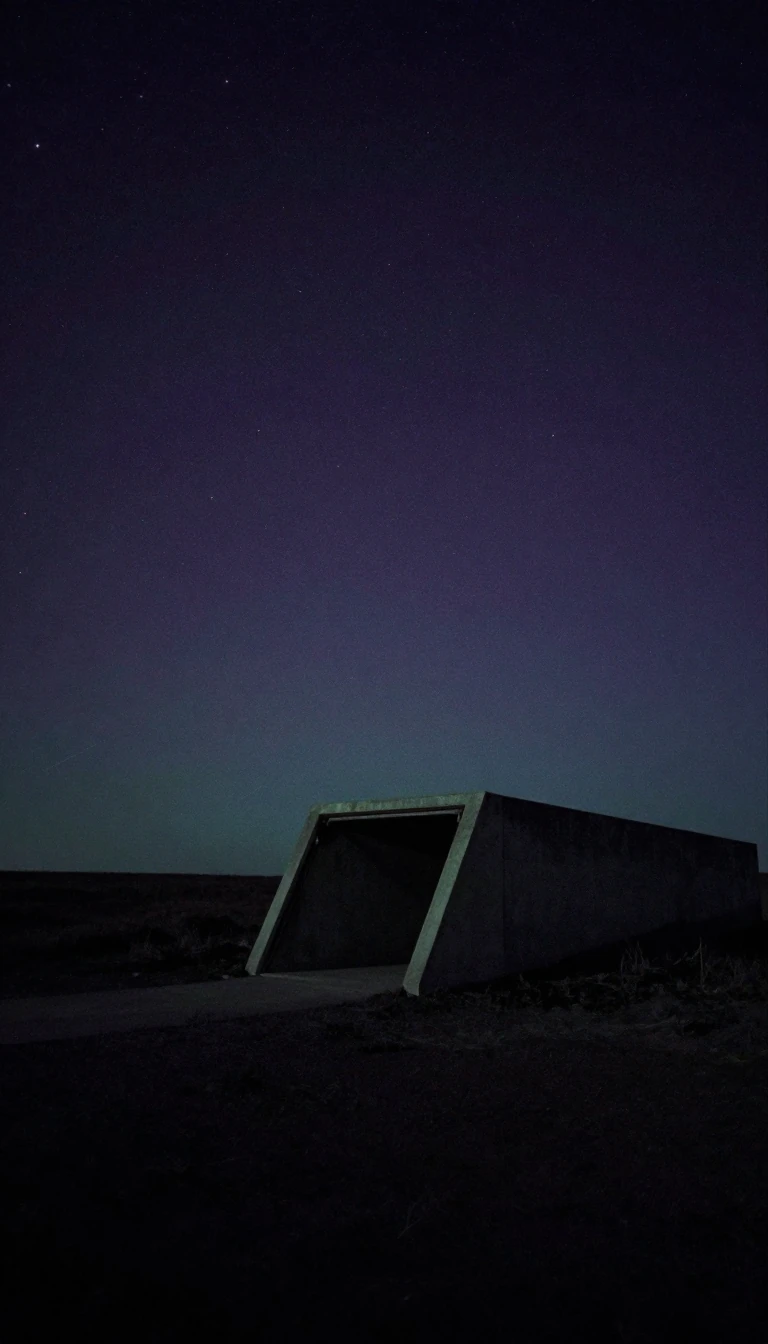 From Nazi rockets to global deterrents: the evolution of the intercontinental ballistic missileIntercontinental ballistic missiles are defined by a range exceeding 5,500 kilometers, designed primarily for nuclear delivery. Born from the V-2 rocket program of the 1940s, thes…
 Why your calendar might be wrong by a week when January beginsThe ISO week date system, a standard for business and government, often deviates from the Gregorian calendar. By defining years through 52 or 53 full weeks, it ensures that every …
 Why the French Revolution tried to replace the week with a ten-day cycleDuring the French Revolution, the government attempted to overhaul time itself. By introducing a decimal calendar with ten-day weeks and ten-hour days, they sought to erase religi…
 How a Colorado city balances rapid growth with strict environmental and aesthetic preservation lawsBoulder, Colorado, is a unique case study in urban planning. Nestled against the Rocky Mountains, the city has spent decades implementing aggressive policies to curb sprawl, prote…
 Can a single butterfly really trigger a tornado on the other side of the world?The butterfly effect suggests that tiny, initial changes in complex systems can cascade into massive, unpredictable outcomes. While often used to describe weather, the concept rev…
- Why humanity has never agreed on the year, let alone the starting date.Timekeeping is rarely a neutral act of counting. From ancient Assyrian officials to the Maya Long Count, civilizations have anchored their calendars to monarchs, religious epics, …
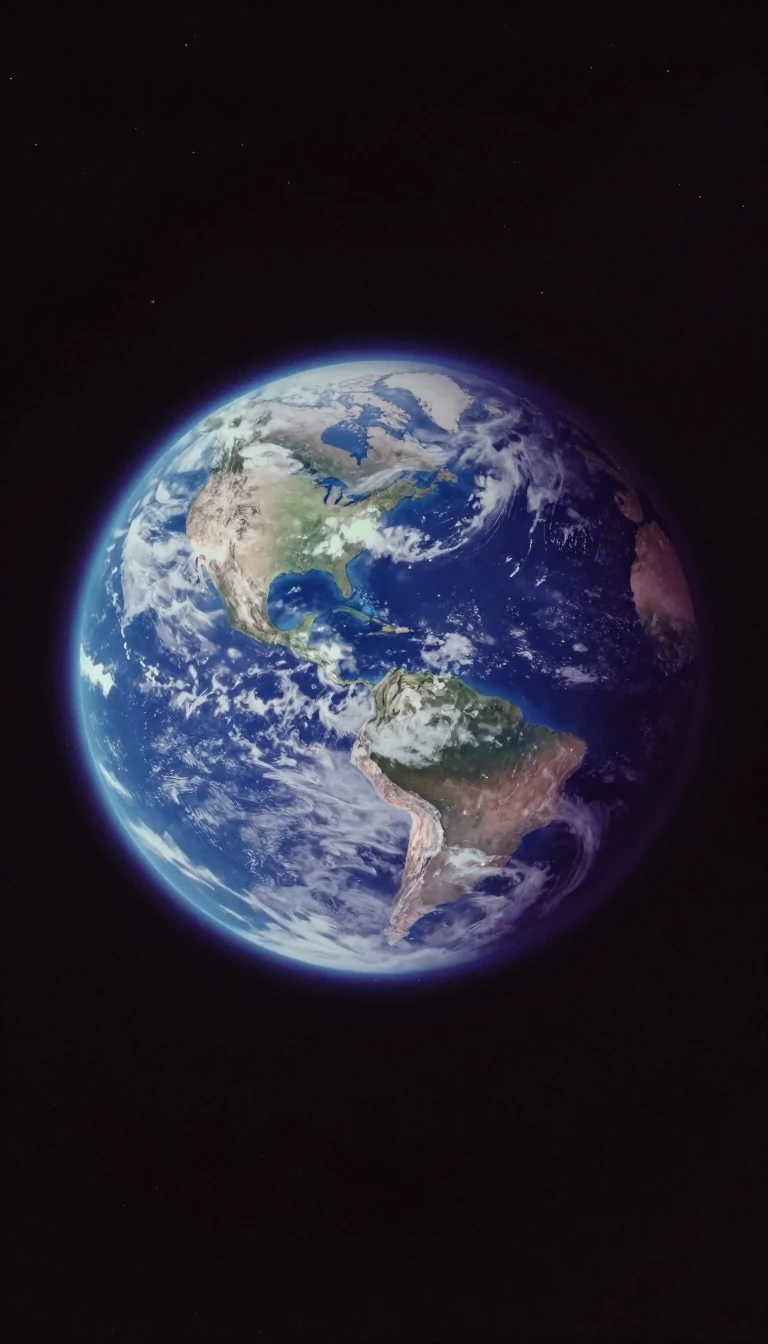 Earth's future is a slow-motion collision course with solar expansion and geological decayOur planet faces a predictable but dramatic timeline. While human activity currently reshapes the surface, long-term natural processes—from the inevitable drift of continents to t…
 Why nothing can travel faster than light, despite what you see in the sky.Physics dictates that nothing with mass can reach the speed of light, as it would require infinite energy. While phenomena like cosmic expansion or laser spots appear to break thi…
 Why the North Star is a temporary title in our shifting celestial danceEarth’s axis does not point to a fixed spot in the heavens. Instead, it wobbles like a spinning top over a 26,000-year cycle. This slow shift, known as axial precession, means our…
- How do we know the universe is exactly 13.8 billion years old?For centuries, scientists assumed the universe was eternal and unchanging. Today, we know it has a finite age, calculated by running the clock of cosmic expansion backward. By com…
 Most watches now tick quartz; luxury still winds springsA watch is a personal timepiece built to keep steady time while you move—on a wrist strap or otherwise. From the sixteenth century, mechanical watches wound mainsprings and counte…
 Navigation means monitoring craft from here to thereNavigation studies how to track and steer vehicles between places. Marine practice keeps ships safe with charts and position fixes; the English word arrives in the 1530s from Lati…
 The past is everything before a chosen nowDefine a moment, and the past is all events earlier than it—contrasted with present and future along a linear timeline. English past began as a spelling of passed, the participle …
 Huygens turned swinging weights into the clock standardA pendulum hangs a mass from a pivot so it can swing; displaced, gravity restores it through regular arcs. Christiaan Huygens invented the pendulum clock in 1656, and for about 27…
 Radar times radio echoes to map distance and speedRadar systems transmit radio or microwave pulses and read returning echoes to find range, angles, and radial velocity. A transmitter, antennas, and receiver—often sharing one dish…
 GNSS turns orbiting clocks into a global gridSatellite navigation uses spacecraft to fix positions on Earth. A GNSS offers worldwide coverage; regional augmentation systems such as Japan's QZSS, India's GAGAN, and Europe's E…
 Hadley's double-reflection sextant fixed altitude sightsA sextant measures angular distance between two visible objects—usually a star or Sun and the horizon—to plot a position line. John Hadley and Thomas Godfrey implemented the doubl…
 Leonardo listened underwater with a tube in 1490Sonar—sound navigation and ranging—uses underwater sound to navigate, range, and detect objects. Passive modes only listen; active modes ping and hear echoes. Leonardo da Vinci re…
 A stick in sand is already a crude sundialSundials tell daytime from the Sun's apparent path when light is direct. In the narrow sense a gnomon casts a shadow on marked hours; broadly any device using solar altitude or az…
- Time zones follow borders more than neat meridiansA time zone is a region sharing one legal standard time for commerce and daily life. Offsets from UTC stretch from −12:00 to +14:00, usually whole hours, with a few half- or quart…
 Caesar's calendar year of confusion lasted 445 daysJulius Caesar fixed Rome's drifting seasons with a 365-day solar year and a leap day every four years. The scheme ruled the West for sixteen centuries before its small yearly erro…
 Leap years exist because Earth refuses neat arithmeticA year is not exactly 365 days, so calendars insert extra days—or months—to stop seasons from sliding. The Gregorian rule skipping three century leap years in every four centuries…
 Germany turned clocks forward in 1916 to save coalShifting summer clocks by one hour is meant to stretch daylight into the evening. Yet the idea took decades to catch on, farmers often hated it, and energy savings remain disputed…
- Dead reckoning is not short for deduced reckoningBefore GPS, navigators tracked position from a last known fix, speed, heading, and elapsed time. Errors compound over distance, yet the method still powers inertial systems in air…
 At near-light speed, one year could mean ten on EarthThe future is not one shared timeline but a contested idea—shaped by physics, philosophy, religion, and grammar. Special relativity even suggests fast travellers could age less th…
 Ten days vanished when Europe switched calendars in 1582Pope Gregory XIII did not invent a new calendar from scratch. He trimmed the Julian drift with a clever leap-year rule and deleted ten days overnight so Easter would stay tied to …
 Foucault watched the Earth turn through a spinning wheelA gyroscope's spinning rotor resists tilting because angular momentum wants to hold its axis steady. That stubbornness powers ship compasses, camera stabilizers, spacecraft attitu…
 Islam's lunar calendar drifts eleven days every solar yearThe Hijri calendar counts twelve moon-based months, so Ramadan and Hajj rotate through every season over a thirty-three-year cycle. Its epoch marks the Prophet's 622 CE migration …
- The second is defined by caesium atoms ticking 9.19 billion timesAtomic clocks keep time by watching atoms' resonant frequencies. The SI second fixes the caesium-133 ground-state hyperfine transition at exactly 9,192,631,770 hertz. Ensembles of…
- Calendar comes from Romans calling out the new moonA calendar names days, weeks, months and years so people can agree on dates. Most track the sun, the moon or both. The English word comes from Latin kalendae, the first day of the…
- Sailors fix position by timing angles to the skyCelestial navigation, or astronavigation, finds location using stars, sun, moon, or planets. Navigators take sights—timed angular measures between a body and the horizon—then redu…
 China recorded one hundred two official calendars across historyThe traditional Chinese calendar is lunisolar: twelve moon-linked months plus leap months when needed to track the solar year. Historians count 102 officially recorded calendar sy…
- Modern clocks are harmonic oscillators in a boxA clock measures and shows time, one of humanity's oldest inventions for dividing the day into smaller pieces. Sundials and water clocks came first. The word itself means bell: ho…
- UTC replaced everyday GMT starting in the 1960sCoordinated Universal Time is the world's main civil time standard, successor to Greenwich Mean Time in common use. It rides on International Atomic Time—a weighted average of hun…