 Intellect Plus
19th-century wars
644 cards. Each one is a 40-second story with a five-minute read behind it. Page 6 of 11.
 How a rugged central Indian landscape became a crucible for centuries of shifting powerBundelkhand, a region defined by steep hills and deep ravines, served as a natural fortress for generations of warriors. From the rise of the Chandela dynasty to the eventual arri…
 When a Senator’s brutal beating in the chamber signaled the end of reasoned political discourse.On May 22, 1856, Representative Preston Brooks walked into the U.S. Senate and beat Senator Charles Sumner with a gold-headed cane until it shattered. The assault, fueled by deep-…
 Captain Hook: From J. M. Barrie’s Literary Villain to a Global Pop Culture IconCaptain Hook began as a minor addition to J. M. Barrie’s 1904 play, Peter Pan. Originally a placeholder for scene changes, the pirate captain evolved into a complex, upper-class a…
 Was Captain Nemo originally a Polish rebel fighting against the Russian Empire?Jules Verne’s iconic submarine commander was not always the Indian prince we know today. His creator originally envisioned him as a Polish nobleman seeking vengeance for his famil…
 Why a fictional pirate captain once successfully sued two major British newspapers for libelCaptain Horatio Pugwash is a beloved, cowardly pirate who sails the Black Pig. Despite his fame, he became the center of a bizarre legal battle in 1991. Newspapers claimed his sho…
 Why the world's most iconic rifles are actually just shortened, lighter carbinesOriginally designed for cavalrymen struggling to reload on horseback, the carbine has evolved from a niche tool into the standard-issue weapon for modern infantry. By trading long…
 How a simple spelling error named a city after a fallen soldierCasper, Wyoming, is a hub of oil and energy history, but its name is a mistake. Originally established near a military outpost named for Lieutenant Caspar Collins, the city was of…
 Was the Swedish King Charles XIII a mere puppet of his own advisors?Charles XIII spent his life as a pawn in the games of others, from his brother Gustav III to his own regents. Often described as easily influenced and lacking energy, he reigned d…
 The Chilean peso’s journey from hyperinflationary collapse to modern, resilient currencyBorn from the ashes of 1970s hyperinflation, the Chilean peso has survived political upheaval, economic crises, and the digital age. From its origins as a replacement for the fail…
 Why the rank of commander is a title for both ships and police squadsThe term commander is a versatile label in the United States, functioning as both a specific military rank and a functional position title. While it denotes a senior officer in th…
 How the Confederacy built a massive army despite a severe lack of resourcesWhen the American Civil War erupted, the Confederacy faced a staggering disparity in population and industrial capacity compared to the Union. To bridge this gap, they pivoted fro…
 Why Spain’s Congress of Deputies is a Parliament of Groups, Not IndividualsIn the Spanish Congress of Deputies, individual MPs are essentially cogs in a larger machine. Bound by strict party discipline, members must act as part of a parliamentary group, …
 Why Napoleon bypassed tradition to crown himself emperor inside Notre-Dame Cathedral in 1804Napoleon Bonaparte’s coronation was a masterclass in political theater. By rejecting the traditional Reims venue and forcing the Pope to travel to Paris, he sought to legitimize h…
 How Cuba transformed a Soviet-backed military juggernaut into a lean, defensive force.Once the most powerful military in Latin America, Cuba’s armed forces have undergone a radical evolution. From Cold War power projection in Africa to the internal purges of the 19…
 How a Cuban airline became a pioneer of transatlantic flight and Soviet-era aviationFounded in 1929, Cubana de Aviación evolved from a small flying school into a global aviation trailblazer. It was the first Latin American carrier to launch scheduled flights to M…
- Why did soldiers keep wearing heavy steel breastplates long after the invention of gunpowder?The cuirassier was a relic of a bygone era, yet these armored cavalrymen remained a fixture on European battlefields until 1914. While modern muskets rendered their steel breastpl…
 How the Dakota people were pushed from their ancestral lands by 18th-century warfareThe Dakota people, once masters of the Great Lakes region, were forced westward by Ojibwe expansion and later by broken U.S. treaties. This displacement culminated in the 1862 Dak…
- Why Cuba is currently facing the oldest median age in the entire AmericasCuba’s demographic landscape has shifted dramatically over the last century. Once defined by steady growth and waves of immigration, the island now contends with a shrinking popul…
 How Portugal’s population hit 11 million by rewriting the rules of counting peoplePortugal recently crossed the 11 million inhabitant milestone, a figure reached not just through migration, but through a fundamental shift in statistical methodology. By adopting…
 Denmark's uneasy wartime compromise: How a small nation navigated Nazi occupationWhen Germany invaded Denmark in 1940, the country surrendered in just six hours. Rather than total collapse, Denmark entered an uneasy coalition with the Nazis, maintaining its go…
 Why Nazi Germany systematically erased Warsaw from the map in late 1944Following the 1944 Warsaw Uprising, Nazi forces executed a deliberate, unprecedented plan to raze Poland's capital to the ground. This was not merely a byproduct of combat, but a …
 How Cuba’s economy shifted from sugar-fueled prosperity to a state-controlled command systemOnce a high-income leader in Latin America, Cuba transformed its economic landscape after the 1959 revolution. By nationalizing industries and pivoting away from U.S. trade, the n…
 In the Ethiopian Empire, your title could be a military rank or a royal birthright.Ethiopian nobility was split between hereditary princes and appointed officers. While hereditary nobles held regional influence, appointed officials often wielded the true power a…
 Did the Fifteenth Amendment actually guarantee the right to vote for all citizens?Ratified in 1870, the Fifteenth Amendment was intended to secure voting rights for African American men following the Civil War. Yet, for nearly a century, this constitutional pro…
 Why the Qing Dynasty’s Imperial Dragon Flag Was Born From a Diplomatic CrisisFor centuries, the Qing dynasty ruled without an official national flag. It took a series of naval misunderstandings and international pressure to finally adopt the iconic Yellow …
 The Force Publique: How a Colonial Army Enforced Brutality in the Belgian CongoThe Force Publique served as the military arm of the Belgian Congo, tasked with maintaining order and enforcing colonial mandates. Known for its severe methods, the organization p…
 The Danish King who traded absolute power for a constitution and a commoner brideFrederick VII ended centuries of absolute rule in Denmark, transforming the monarchy into a constitutional system. Yet, his legacy is defined as much by his unconventional persona…
 When Napoleon captured Moscow, he found a hollow victory in a ghost town.In September 1812, Napoleon’s Grande Armée marched into Moscow expecting a grand surrender. Instead, they found a nearly empty city, abandoned by hundreds of thousands of resident…
 Gaeta: The ancient fortress that once served as the final stand for a kingdom.Perched on a strategic promontory between Rome and Naples, Gaeta has spent millennia as a coveted prize. From Roman elite retreats to the final, desperate stronghold of the Kingdo…
 Why the General who defeated Robert E. Lee at Gettysburg felt doomed by his promotion.George Meade was a career engineer who never sought the top command of the Union Army. When he was abruptly appointed to lead the Army of the Potomac just days before the Battle o…
 How a fraternal society of Civil War veterans became America's most powerful political lobby.The Grand Army of the Republic began as a simple social club for Union veterans, but it evolved into a political titan. By leveraging a massive voting bloc and demanding federal p…
 How a Napoleonic alliance transformed a fragmented landgraviate into a modern grand duchyIn 1806, Louis X of Hesse-Darmstadt made a desperate gamble, switching from Prussian protection to Napoleon’s Confederation of the Rhine. This pivot not only saved his state but f…
 How a religious scholar became a state-appointed official in the Ottoman EmpireThe Grand Mufti is a title for a leading Islamic jurist, yet the office is often a product of state bureaucracy rather than purely religious hierarchy. Originating in the Ottoman …
 Why did France hold a quiet, obscure Chinese port for nearly fifty years?Leased in 1898 during the scramble for concessions, Guangzhouwan served as a strategic French outpost in China. Though commercially modest, the territory became a hub for smuggler…
 Why did a Swedish King lose his throne and end up dying in exile?Gustav IV Adolf ascended the Swedish throne as a teenager, only to be deposed by his own army officers after a disastrous war with Russia. His reign, marked by an intense hatred o…
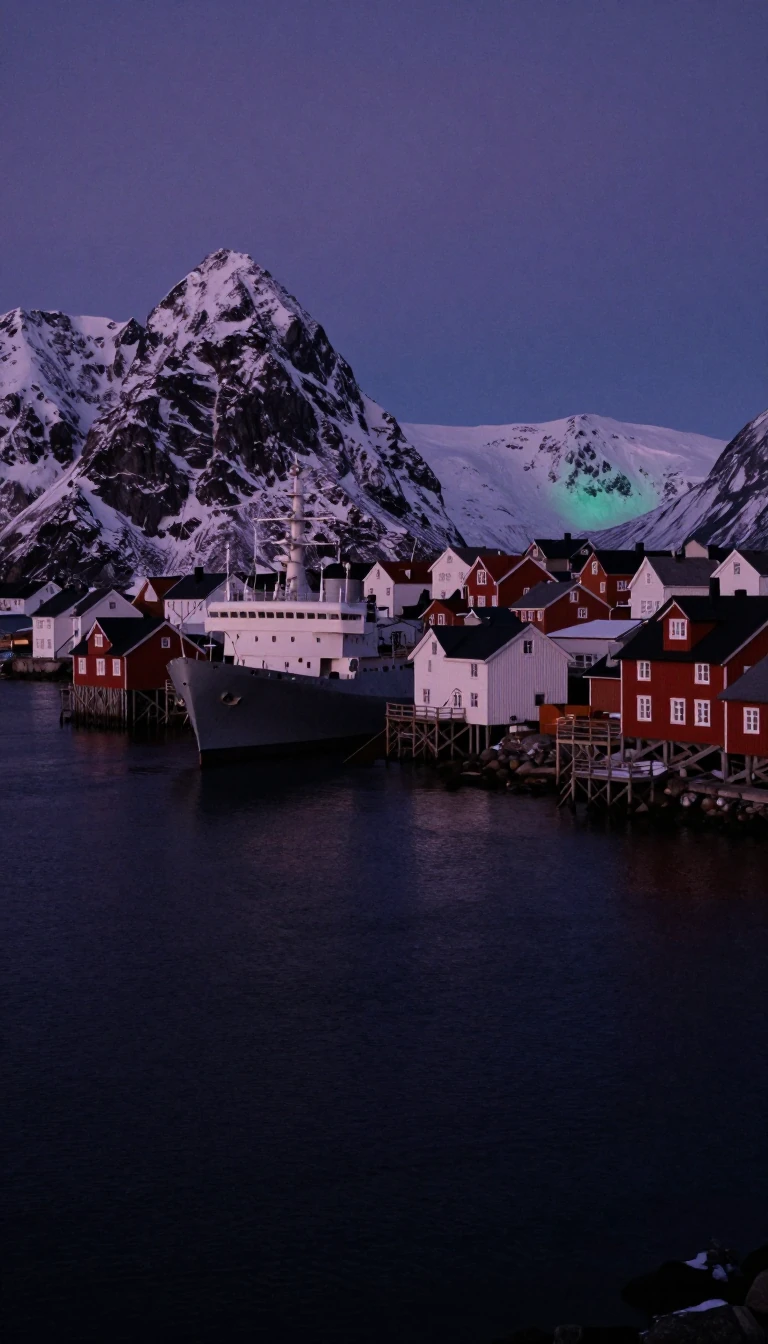 How a tiny Norwegian fishing town became a strategic prize for global empiresHammerfest has survived centuries of conflict, from the Napoleonic Wars to the total destruction of World War II. Once a quiet Arctic outpost, this northern settlement transformed…
- How a Maine attorney helped prevent war and became Lincoln's first vice presidentHannibal Hamlin was a pivotal figure in 19th-century American politics, transitioning from a staunch Democrat to a Republican leader. Beyond his role as Abraham Lincoln's first vi…
 Why this indestructible cracker became the ultimate survival food for soldiers and sailorsHardtack is a dense, flour-and-water biscuit engineered to survive years of storage. From ancient Roman ships to modern Alaskan bush planes, this humble ration has sustained explo…
 How a remote Afghan province became the center of a century-long power struggleHelmand Province is Afghanistan's largest region, a desert landscape that has evolved from an ancient cradle of civilization into a modern geopolitical flashpoint. Once known as t…
- How a failed French expedition paved the way for decades of British Egyptian ruleNapoleon Bonaparte invaded Egypt in 1798 to cripple British trade and threaten India. While his military campaign ultimately collapsed, the occupation shattered the local Mamluk p…
 How a British trade imbalance turned China into a nation of opium addictsIn the 18th century, Britain faced a desperate trade deficit: they craved Chinese tea and silk but had nothing the Chinese wanted to buy. The solution was a state-sponsored drug t…
 The 1862 Homestead Act promised free land but failed to create a farming utopia.Signed into law during the Civil War, the Homestead Act offered 160 acres to anyone who had not fought against the Union. While designed to empower small farmers, the reality was …
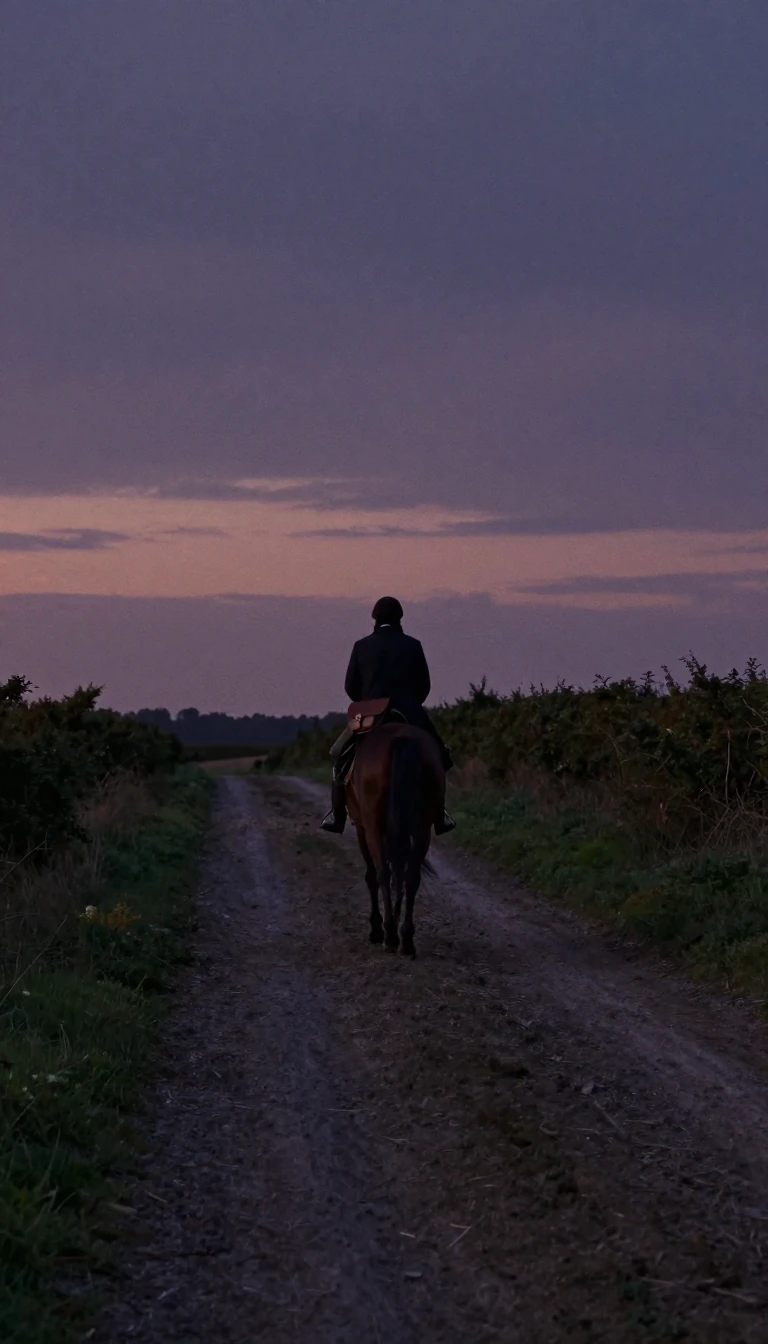 From Balkan brigands to elite cavalry: the surprising evolution of the legendary hussarOriginally light horsemen from the Kingdom of Hungary, hussars evolved from irregular bands of Serb warriors into the most iconic cavalry in European history. Known for their elab…
 Napoleon's Imperial Guard: The Elite Force That Defined French Military Might and MythNapoleon Bonaparte’s Imperial Guard was more than a bodyguard; it was an elite tactical reserve and a symbol of French military prestige. Divided into Old, Middle, and Young tiers…
 Born from guerrilla resistance, Indonesia's military evolved through decades of political and structural transformation.The Indonesian National Armed Forces, or TNI, emerged from the crucible of the 1945–1949 National Revolution. Originally a loose collection of militias and security agencies, it h…
 How a shipping company’s coaling station became Italy’s industrial crown jewel in AfricaItalian Eritrea began as a commercial venture by a private shipping firm in 1869, yet it evolved into a centerpiece of Fascist imperial ambition. By the late 1930s, Asmara had bee…
 How a failed diplomatic agreement triggered an undeclared invasion of French Indochina in 1940In September 1940, Japan and Vichy France signed a pact to allow limited Japanese troop movements through Indochina. Yet, despite the ink being dry, rogue Japanese commanders laun…
 Why a top Confederate general spent the Civil War fighting his own presidentJoseph E. Johnston was the highest-ranking U.S. officer to join the Confederacy, yet his career was defined by constant friction with Jefferson Davis. From disputes over seniority…
- The botanist who shaped evolutionary theory and defined the Victorian scientific ageSir Joseph Dalton Hooker was not merely a plant collector; he was the primary confidant for Charles Darwin’s most radical ideas. While Darwin famously sailed the Beagle, Hooker’s …
 How a college professor became the most legendary bayonet-wielding hero of the Civil WarJoshua Chamberlain was an academic who taught rhetoric and languages before volunteering for the Union Army. He rose to fame at Gettysburg, where his desperate bayonet charge save…
 The Confederate General Who Scared Abraham Lincoln and Invented the Lost CauseJubal Early was a contrarian lawyer turned Confederate general who nearly reached Washington, D.C. during the Civil War. Known as the Bad Old Man for his abrasive temper, he later…
- Judah P. Benjamin: The Confederate Cabinet Member Who Escaped to Become a British BarristerBorn in the Caribbean to Sephardic parents, Judah P. Benjamin rose from a Louisiana law clerk to a powerful U.S. Senator and Confederate Secretary of State. After the Civil War, h…
 The French artillery officer who became a key leader in Japan's last samurai rebellionJules Brunet was a French military advisor sent to modernize the Shogunate's army in 1867. When his government ordered him home, he refused, resigning his commission to fight alon…
- How a school dropout became the kingmaker of modern Indian democracyK. Kamaraj, a man with little formal education, rose from a humble cloth shop worker to become the Chief Minister of Madras and a national political titan. Known as the Kingmaker,…
 Did a plan for a transcontinental railroad accidentally trigger the American Civil War?In 1854, Senator Stephen A. Douglas sought to organize the Nebraska Territory to facilitate a transcontinental railroad. To secure Southern support, he introduced the Kansas-Nebra…
 How a family-run steel foundry became the world's most formidable arms manufacturerFor nearly two centuries, the Krupp industrial empire shaped the course of global conflict. From a small cast-steel workshop in 1811 to a sprawling conglomerate that fueled two wo…
 The Laz people: A resilient culture caught between empires and shifting identitiesNative to the rugged Black Sea coast, the Laz are a Kartvelian ethnic group with a history stretching back to antiquity. Once masters of the Kingdom of Lazica, they have endured c…
 The French King of Holland who accidentally called himself a rabbit to his subjectsLouis Bonaparte was Napoleon's younger brother, installed as a puppet king to control the Netherlands. Instead, he defied his brother, learned the local language, and earned the t…
 The French Prince who voted for his cousin's execution and died by the guillotineLouis Philippe II, Duke of Orléans, was one of the wealthiest men in France and a cousin to King Louis XVI. Despite his royal blood, he became a fervent revolutionary, adopting th…
- The tragic, short life of the boy king who never ruled FranceLouis XVII was born a prince, became a king in exile, and died a prisoner at age ten. His life was defined by the French Revolution's brutality, yet his legacy survived in a most …