 Intellect Plus
Business and economics
547 cards. Each one is a 40-second story with a five-minute read behind it. Page 9 of 10.
 Pompeii shoppers followed a weekly market timetable scratched on a wallOutside a large shop in Pompeii, someone scrawled the local market calendar. On Saturn's day, traders set up in Pompeii and Nuceria; on the Sun's day they moved to Nola and Atella…
 McDonald's got fast by firing its carhops and throwing out the platesIn 1948 Richard and Maurice McDonald gutted their San Bernardino drive-in. They let all 20 carhops go, swapped dishes and cutlery for paper wrappers and cups so no dishwasher was …
 Paying by card makes spending hurt less, and debt grows easierHand over banknotes and you feel the loss; tap a credit card and you barely notice. Economists call this the pain of paying, and the further a payment gets from cash, the weaker t…
 Falling prices can be bad news for an economyCheaper goods sound like a gift, but economists worry when prices across a whole economy fall. If you expect things to cost less next month, you wait to buy. Sales drop, factories…
- Thales of Miletus may have struck history's first derivative deal, on olivesAristotle tells how the philosopher Thales profited from a contract on olives, an arrangement some now see as the earliest known derivative, although Aristotle himself called it a…
 Tens of millions of people work in other people's homes, often uncountedIn 2015 the International Labour Organization counted about 67.1 million domestic workers worldwide, cooking, cleaning and caring for children and elderly relatives in private hom…
 Econometrics borrowed a tool astronomers built to track the heavensThe least squares method was devised in the early nineteenth century to pin down the motions of planets and the shape of the Earth. Economists later adopted it to measure things l…
 For most of history, economic gains were swallowed by population growthBefore industrialisation, every advance in farming or technology mostly produced more people, not richer ones, as food supplies capped living standards. Economists call it the Mal…
- Thomas Carlyle mocked economics as the dismal science in 1849Economists have argued for centuries over what their own subject actually is. Adam Smith called it an inquiry into the wealth of nations, Alfred Marshall a study of ordinary life,…
- The idea of the economy as one thing is surprisingly recentPeople have made, swapped and shared goods for as long as there have been societies, but the word economy meaning a country's whole system of production only emerged around the 16…
 In 1820 China's economy was six times the size of Britain'sAs Britain's Industrial Revolution was getting under way in 1820, China produced about a third of the world's output, six times Britain's and nearly twenty times that of the young…
 A debit card spends your own money, not the bank'sUnlike a credit card, a debit card usually just sends a message to your bank to take money straight from your account. In many countries these cards have overtaken cheques entirel…
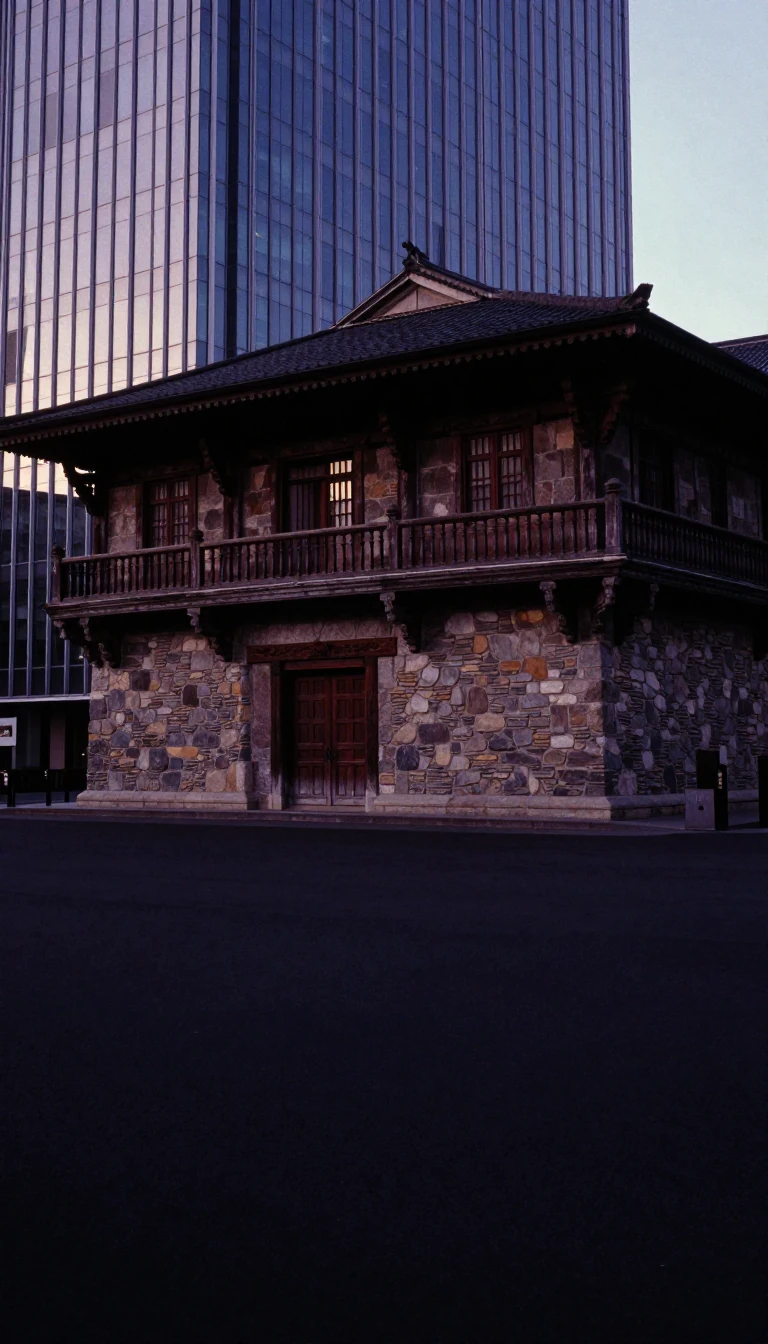 A Swedish copper mine may be the oldest commercial corporation on EarthIn 1347 King Magnus Eriksson chartered the Stora Kopparberg mining community at Falun, often called the world's oldest commercial corporation. The idea behind it is older still: R…
- Bank of America launched the modern credit card by mailing a whole cityNobody wants a card few shops accept, and shops will not bother with a card few people carry. In 1958 Bank of America broke that stalemate in Fresno, California, where 45 percent …
 Sweden adopted paper money because its copper coins weighed kilogramsMoney began as receipts for grain stored in Sumerian and Egyptian temples. Paper notes emerged in China between the Tang and Song dynasties, but Europe's first regular paper curre…
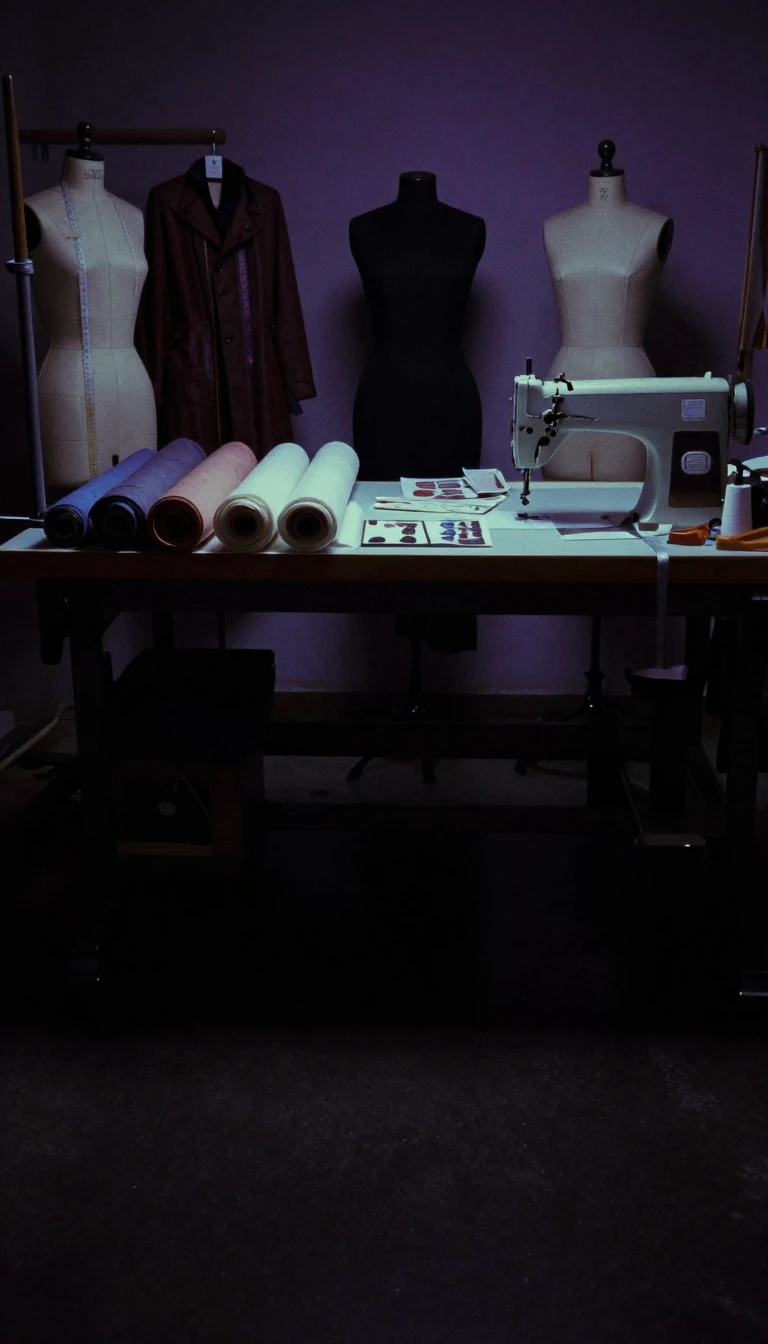 Garment work has leaned on women's low-paid labour for over six centuriesHistorian Judith Bennett found that in both 1381 and 1700, about a third of English working women made textiles or clothes. Six centuries later, most garment workers are still wom…
- The first coins were too valuable to buy a loaf of breadSome of the earliest coins, struck in western Anatolia in the late 600s BC, were made of electrum, a natural blend of gold and silver. Even the smallest might have equalled a day'…
- Ancient Egypt traded little because the Nile Valley was too uniformLong-distance exchange of goods may reach back about 150,000 years, judging by ornaments and weapons found far from home. Yet one of the first literate civilisations did surprisin…
- A company was once someone you shared bread withThe word company traces back to a Late Latin term for the person who eats bread beside you. Centuries later, English judges declared the corporation an invisible, soulless and imm…
- Perfect competition means every firm ends up earning zero economic profitEconomists' ideal market has countless tiny sellers offering identical goods to perfectly informed buyers. It is almost never seen in reality, and its logical endpoint is striking…
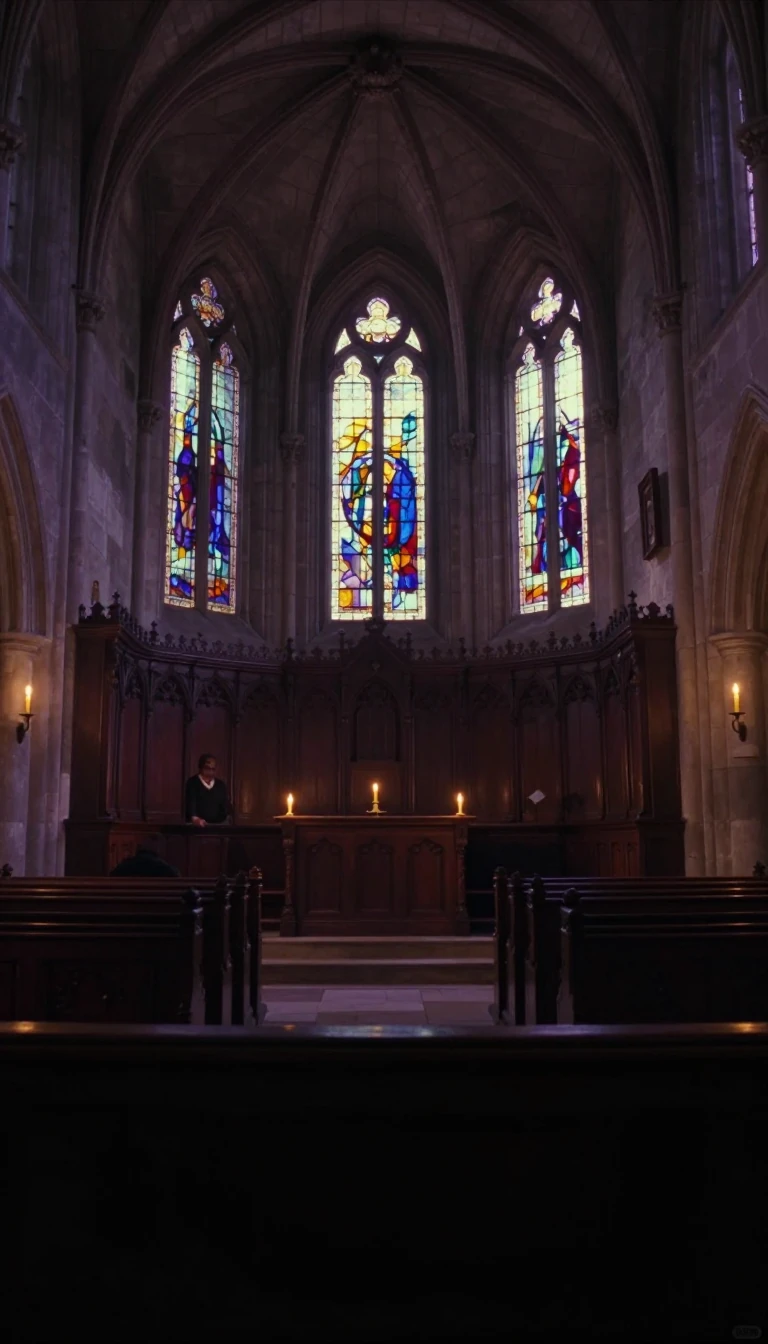 Building things now absorbs about 13 percent of the world economyGlobal spending on construction nearly tripled in a decade, from about 4 trillion dollars in 2012 to more than 11 trillion in 2022, and forecasts point toward 14.8 trillion by 203…
- The word cheque may trace back through chess to the Persian word for kingDictionaries link the banking sense of check to guarding against forgery, a use of check meaning control. That meaning comes from chess, where check reached English through French…
- When a bank grants a loan, it creates brand-new moneyA bank does not simply pass along savers' cash to borrowers. When it makes a loan, it credits the borrower with a fresh deposit, and new money comes into existence. Regulators req…
 Philip II of Spain declared bankruptcy four times in forty yearsThe king who ruled much of the sixteenth-century world could not keep up with his bills. Philip II of Spain declared state bankruptcies in 1557, 1560, 1575 and 1596. He had plenty…
 In parts of the United States, raw milk trades on the black marketBlack markets are not only about drugs and smuggled weapons. Several US states require milk to be pasteurised, and the ban has spawned underground trade in raw milk and young raw-…
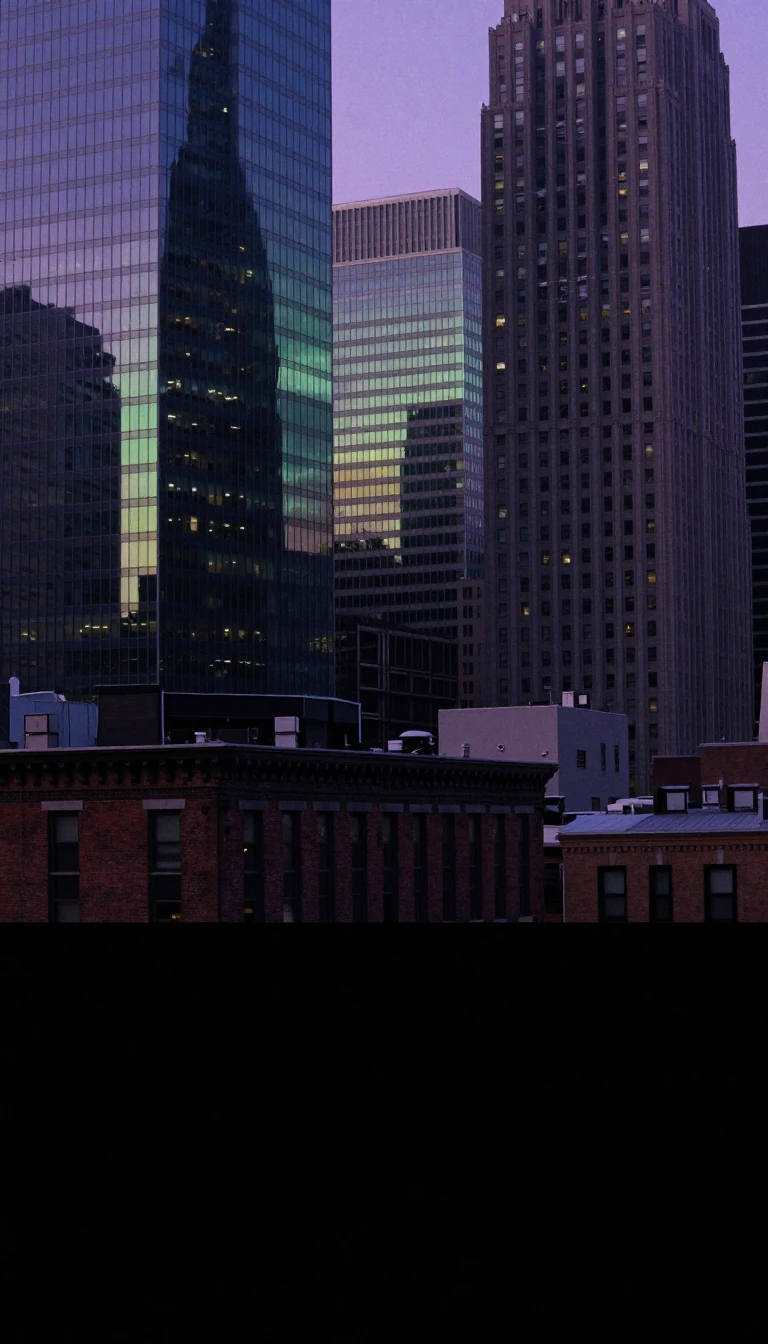 To an economist, capital means machines and buildings, not moneyAsk an economist about capital and you may hear about lathes, oil rigs and data centres rather than bank balances. In economics, capital goods are durable things people have made …
 The French Revolution cost Nicolas Leblanc his prize for making sodaDeforestation was making wood ash too expensive to supply the alkali needed for glass, soap and textiles, so the French Academy of Sciences offered 2,400 livres for a way to make …
 Tiny farms grow a third of the world's food on a sliver of landFive of every six farms on Earth cover less than two hectares, yet together they occupy only about 12 percent of farmland. Meanwhile the biggest one percent of farms control more …
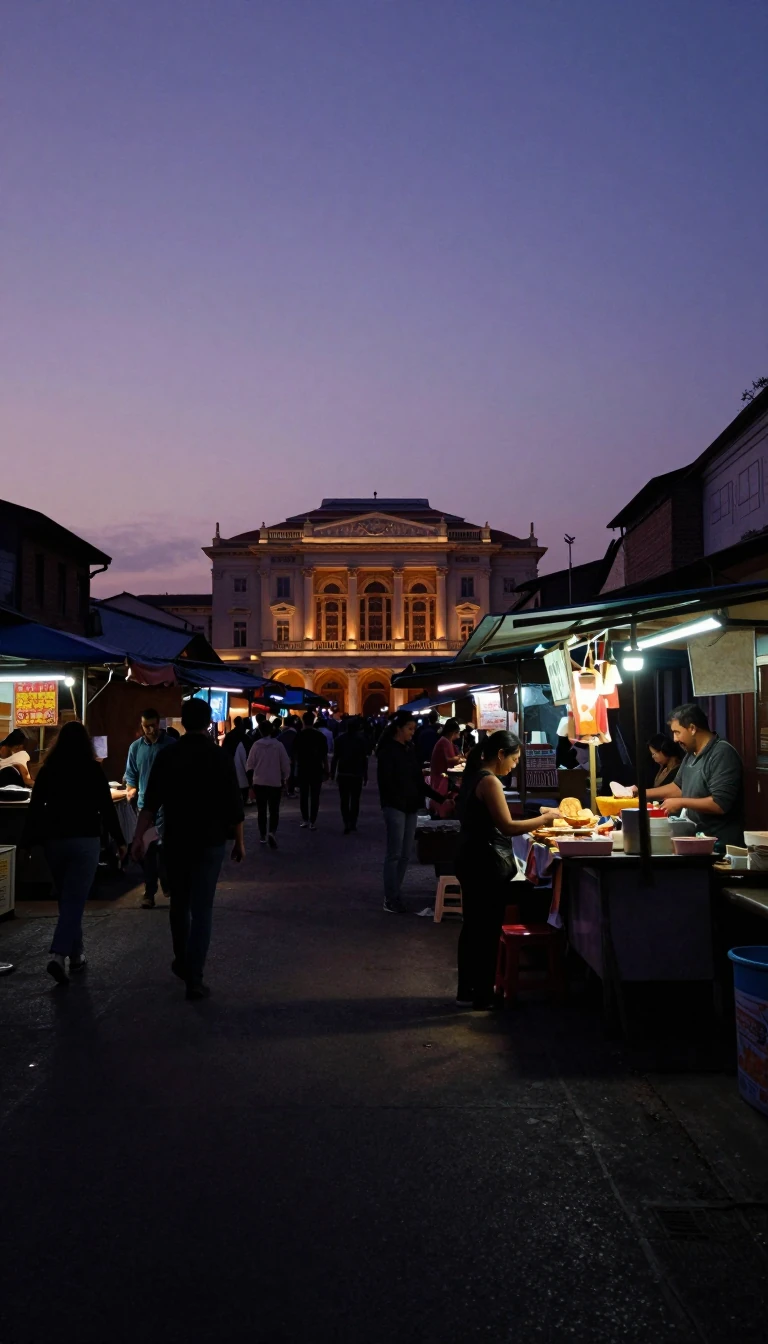 Alibaba began in a Hangzhou apartment and became history's biggest stock debutIn June 1999 Jack Ma and 17 friends and students launched a business-to-business trading website from his apartment in Hangzhou. Fifteen years later its New York share sale raised…
 Today's AT&T is really a Baby Bell that bought its old parentFor most of the 20th century one company, nicknamed Ma Bell, ran nearly all American telephones. Regulators split it into seven regional firms in 1984. The smallest of those offsp…
 Why so much of the economy happens inside firms, not marketsWe picture the economy as one giant marketplace, prices shuffling goods from seller to buyer. Yet in the United States, the value added by transactions inside companies roughly eq…
- A Franciscan friar wrote the first published guide to double-entry bookkeepingThe accounting system behind every modern balance sheet first appeared in print in 1494, in a mathematics book by Luca Pacioli, an Italian friar now nicknamed the father of accoun…
 The oldest known printed ad sold needles in Song dynasty ChinaA copper printing plate from Song dynasty China turned out square posters for Liu's needle shop in Jinan, complete with a rabbit logo and a promise of fine steel needles ready for…
 To manage once meant to hold a horse's reinsBefore it meant spreadsheets and meetings, managing was horsemanship. The 15th-century French verb behind the English word described keeping the reins of a horse in hand, and Ital…
 The yen is named for round coins, and spelled with a lost YYen means round, a name that traces back to Spanish and Mexican silver coins the Chinese called silver rounds. Japanese people actually say en. The English spelling comes from a p…
- Economists don't count everyone without a job as unemployedA retiree, a full-time student and a stay-at-home parent may all lack paid work, yet none counts as unemployed. To labour economists, you are unemployed only if you are actively h…
 Layoff once meant a temporary break, until corporate euphemism changed itBeing laid off originally meant a pause in work, with the expectation of returning. Over time the word came to mean losing the job for good, so now people must say temporary layof…
- Why unsecured loans nearly always cost more than secured onesWhen a borrower pledges a house or car, the lender has something to seize if payments stop. Without that pledge, a lender who goes unpaid must sue, win a judgment and chase whatev…
- Logistics started as the job of finding soldiers somewhere to sleepThe word logistics comes from the French for lodgings. Napoleonic-era staff officers included a marshal of lodgings, responsible for billeting troops on the march. A Swiss militar…
- London's stockbrokers were once banned from the exchange for bad mannersIn the 17th century, London's stockbrokers were considered too rude to trade inside the Royal Exchange. So they set up in coffee houses nearby, and at one of them a broker began p…
- Macroeconomics looks at whole economies across three very different timescalesAsk why unemployment jumped this year and you get one kind of answer; ask why some countries grew rich over half a century and you need a completely different one. Macroeconomists…
 Humans were hunting long before there were humans like usThe oldest undisputed evidence of hunting dates to roughly 1.7 million years ago, around when Homo erectus appeared and spread. Hunting is older than our own species, and chimpanz…
 Before computers, IBM's ancestor companies sold scales, time clocks and cheese slicersIn 1911 a financier named Charles Flint merged four businesses making computing scales, dial recorders, tabulating machines and workplace time clocks. The new firm, based in Endic…
 Britain once burned its income tax records to celebrate the tax's repealWhen Britain scrapped its wartime income tax in 1816, a year after Waterloo, opponents wanted every trace of it gone. The Chancellor of the Exchequer duly burned the tax papers in…
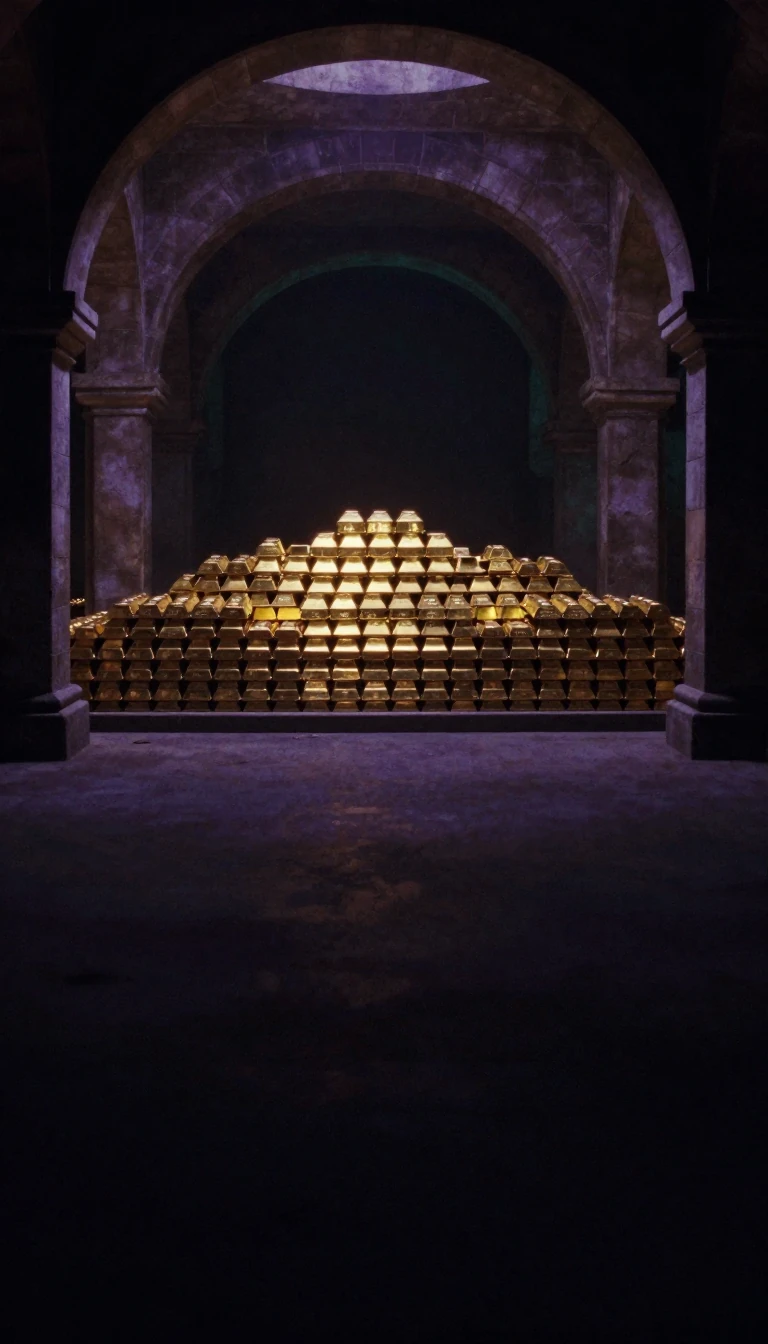 One king's pilgrimage flooded Cairo with gold and sank its price for yearsIn 1324 Mansa Musa, king of Mali, passed through Cairo on his way to Mecca with a vast caravan and spent or gave away so much gold that its value in Egypt slumped. A historian wri…
- Lloyd's of London, the famous insurance market, began in a coffee houseToward the end of the 1680s, Edward Lloyd started serving coffee in London, and his premises became the place where shipowners and merchants met people willing to cover their carg…
- A puzzle about compound interest led Jacob Bernoulli to the number ePut one dollar in an account paying 100 percent a year and you end with two. Add half the interest at mid-year and you get 2.25. Jacob Bernoulli wondered what happens if interest …
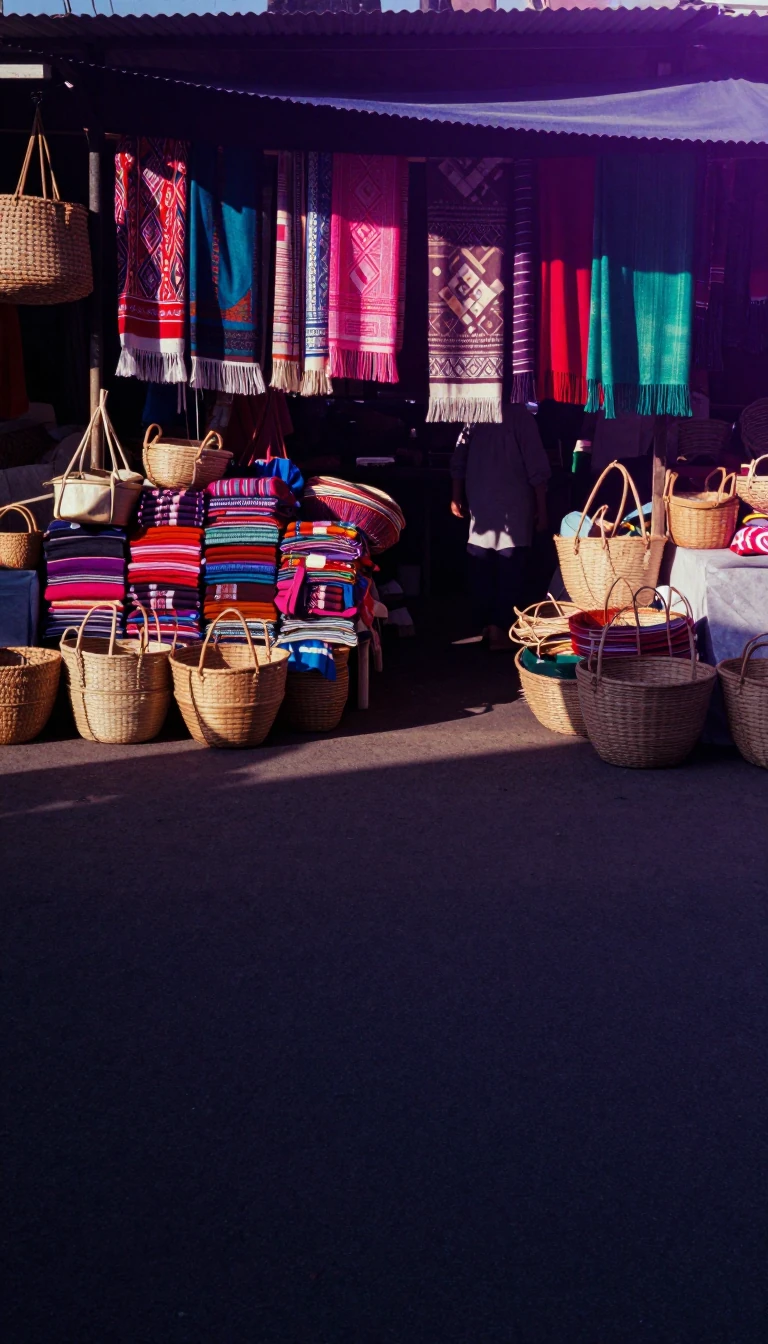 Buying foreign goods can be a way of importing foreign labourWorkers move across borders far less freely than products do. So countries often trade the goods that contain those inputs instead. When the United States buys labour-intensive pr…
 The world's first public company also founded the first stock exchangeIn 1602 the Dutch East India Company, the VOC, became the first company to offer shares to the public, and trading in them created the Amsterdam Stock Exchange. It grew so large t…
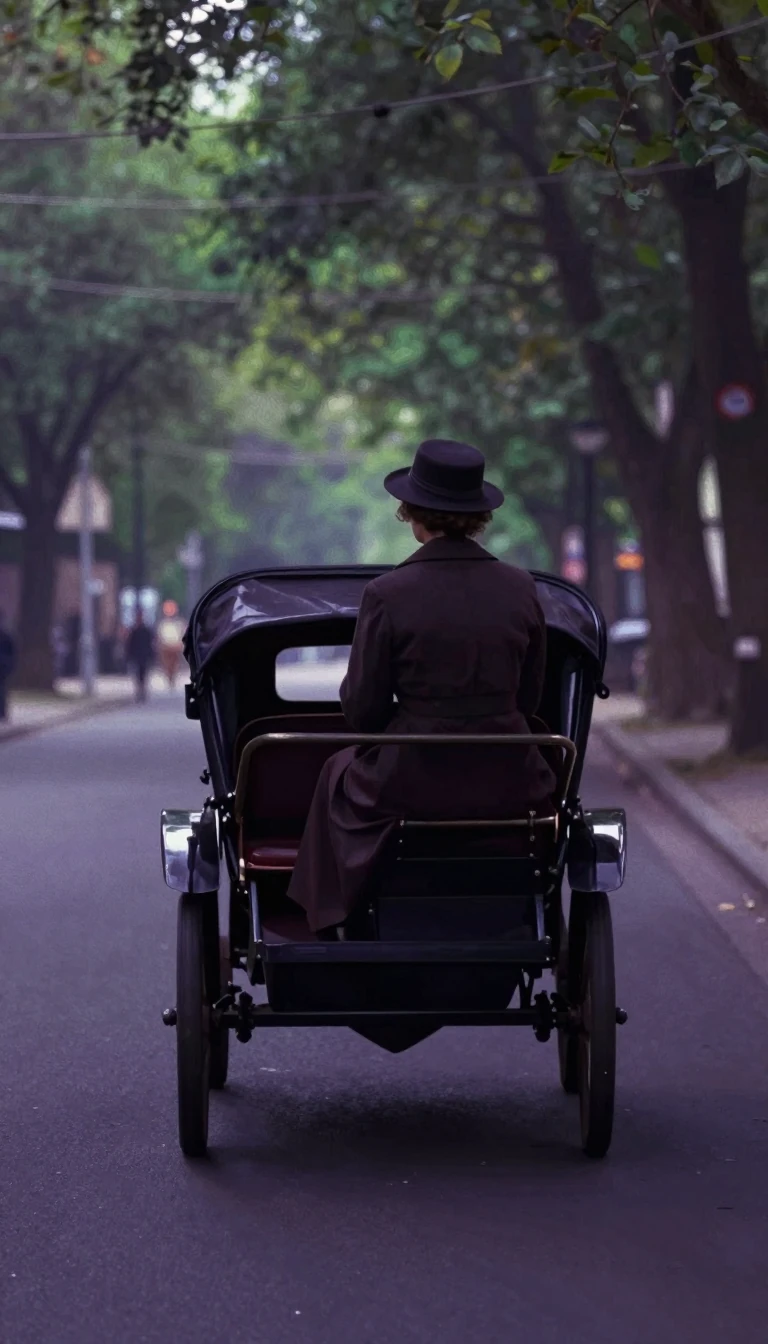 Henry Ford's first car company became Cadillac after he walked outHenry Ford's first carmaker, founded in 1901, was renamed the Cadillac Motor Company after he left and took the rights to his own name with him. So when he launched Ford Motor Com…
 Foresters judge hungry deer by checking a small woodland flowerDeer nibbling young saplings can change which trees a forest grows into, so foresters need to know how hard they are browsing. One study proposed a clever gauge: the large white t…
- Russia had little gold or silver, so it paid its way in soft goldIn the sixteenth and seventeenth centuries Russia wanted Western European goods but had no gold or silver mines to pay for them. What it did have was fur. Sable and marten pelts b…
- General Electric grew from Edison's companies and ended as three separate firmsGeneral Electric was born in 1892 when J. P. Morgan's bank merged Thomas Edison's electric business with a rival. For more than a century it made nearly everything, from fridges t…
 GM's founder was a horse-carriage king who once tried to buy FordBy 1900 William Durant ran America's biggest maker of horse-drawn carriages and was not keen on cars. He took over Buick anyway, built General Motors around it in 1908, and a year…
- When you pay to have rubbish taken away, it has a negative priceUsually money flows one way and the product flows the other. With household rubbish, both the cash and the bin bags travel toward the collector. Economists call such unwanted thin…
- Google's founders opposed advertising, which now brings in nearly three-quarters of revenueLarry Page and Sergey Brin started out against putting advertising on their search engine. As years passed without profit they relented, but on strict terms: every ad had to match…
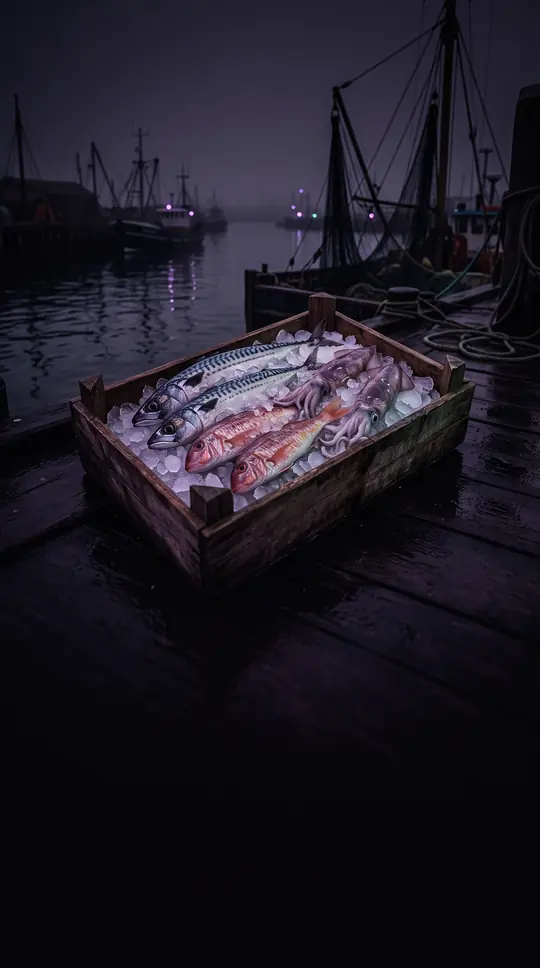 When fish run short, countries have sent warships over cod and halibutIn March 1995 Canadian officials boarded and seized a Spanish trawler in international waters off Newfoundland, and Spain sent navy patrol ships to guard its fishing boats. The st…
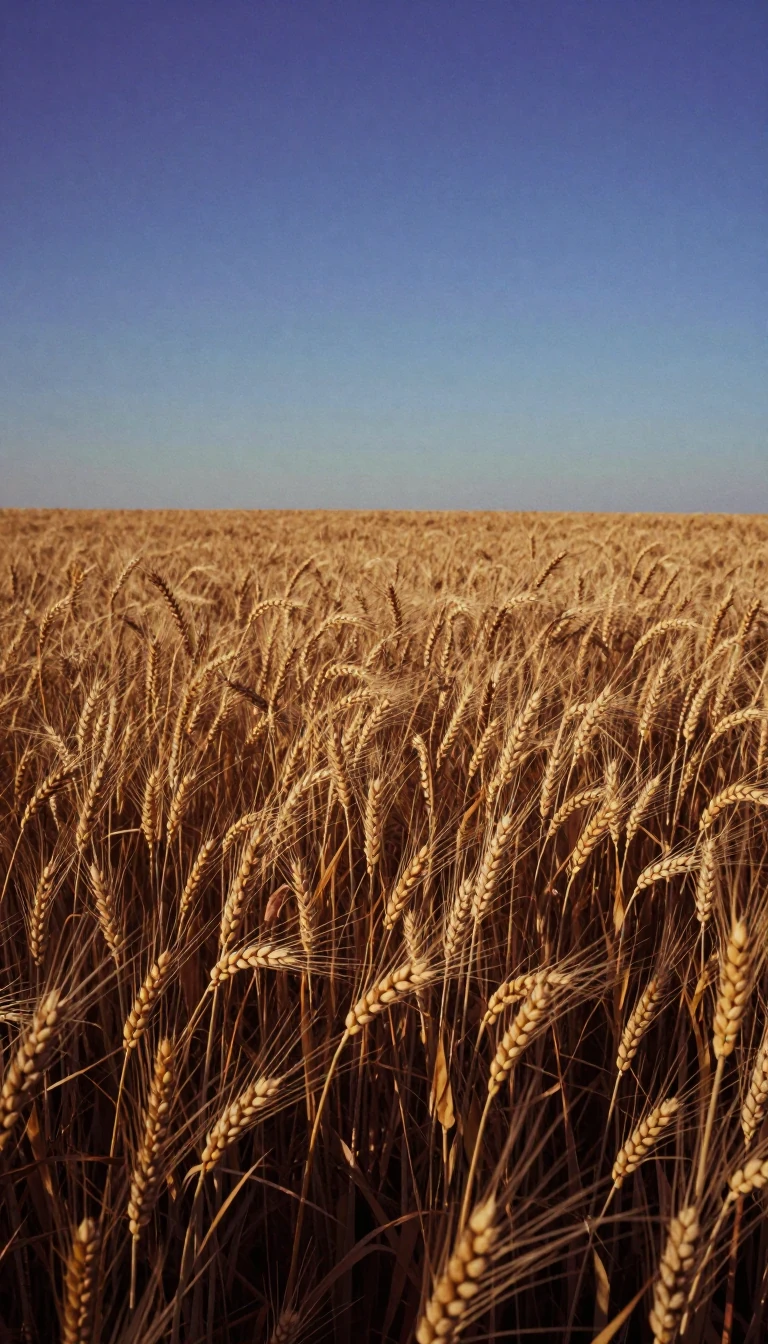 Almost everyone alive eats from the food industry, and a third work in farmingUnless you grow everything you eat or live by hunting and gathering, you depend on the food industry. That web reaches from seed makers and tractor factories to lorries, warehouse…
 A unit of energy saved is worth almost exactly as much as one producedThe energy business stretches from oil rigs and coal pits to wind farms and the firewood gathered for cooking in poorer countries. Yet some of its most valuable output is energy n…
- For three years the euro existed only as an accounting unitThe euro launched on 1 January 1999, but nobody could hold one. For three years it lived only in bank ledgers and financial markets, replacing an older accounting unit one for one…