Why late Victorian rebels insisted that art should be useless and beautiful
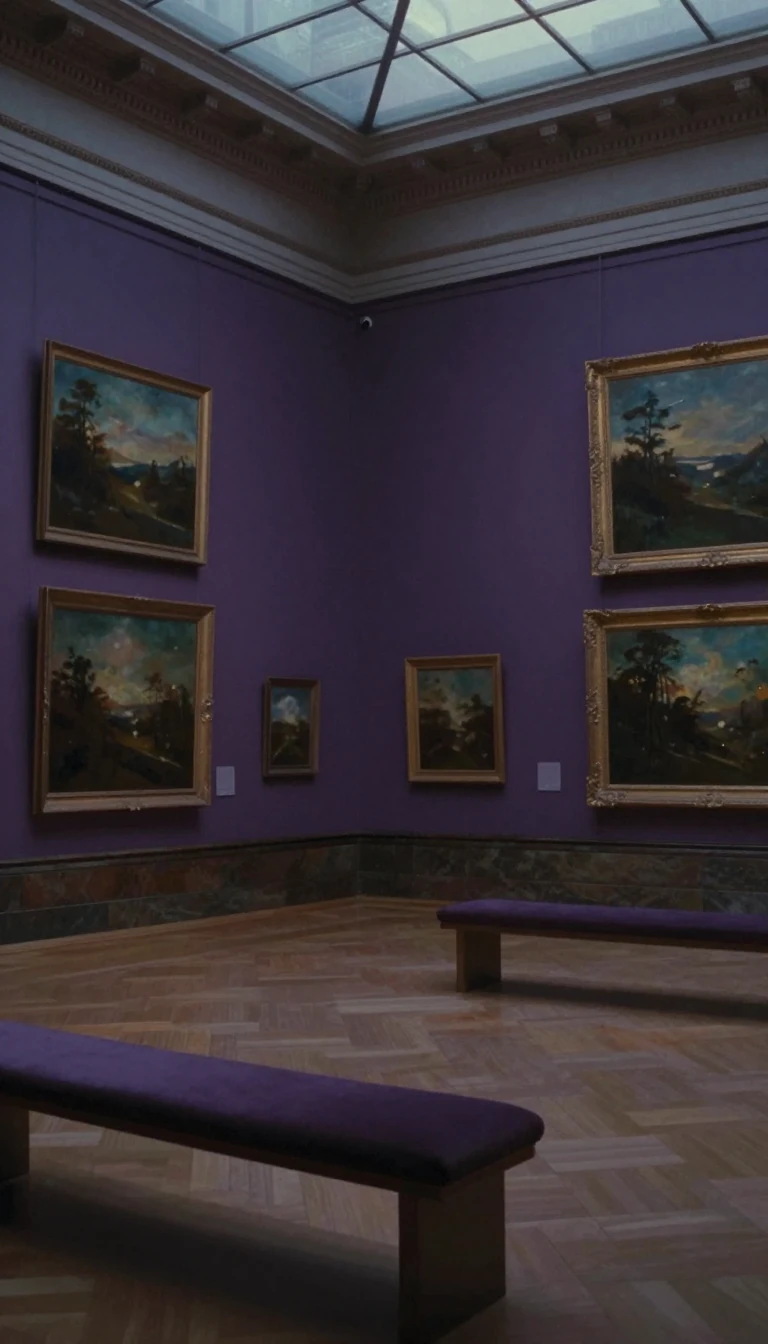
In short: In the late 19th century, a radical movement rejected the Victorian obsession with moral instruction and social utility. Aesthetes championed the slogan art for art's sake, arguing that beauty was the only legitimate purpose of creation. They sought to liberate art from the heavy burden of teaching lessons or improving society.
The Aesthetic movement emerged in Britain during the 1860s and 1870s as a direct rebellion against the era's prevailing utilitarian values. While mainstream Victorian culture viewed literature and art as essential tools for ethical development and moral guidance, Aesthetes like Oscar Wilde and Walter Pater insisted that art should remain autonomous. They believed that by forcing art to serve political or didactic ends, society had stripped it of its true, intrinsic power. Instead, they cultivated a refined sensibility, prioritizing sensuous pleasure, symbolism, and the formal beauty of a work over any external message.
Philosophical roots for this shift were laid long before the movement gained popularity in the 1880s. Immanuel Kant had argued for the autonomy of aesthetic standards in the 18th century, and Friedrich Schiller later championed the concept of art as play. These ideas were brought to the English-speaking world by Thomas Carlyle, but it was Walter Pater’s 1873 book, The Renaissance, that provided the movement with its most influential manifesto. Pater encouraged his readers to live intensely in the present moment, valuing the immediate experience of beauty over the lingering, often dull, impressions of moral reflection.
The movement’s influence extended beyond literature into the visual arts, where figures like James McNeill Whistler pushed the ideal of refined sensibility to its peak. The style was characterized by a focus on suggestion, synesthetic effects, and a rejection of nature as crude compared to the deliberate design of art. By the 1890s, the movement began to overlap with the concept of decadence, before eventually losing momentum following the trials of Oscar Wilde in 1895. Despite its relatively short lifespan, Aestheticism cleared the path for the emergence of Modernism, leaving behind a legacy that permanently altered how we perceive the relationship between art and life.
Opens the Intellect+ feed with this card first. Swipe up for the next one.
Sources
- Summary by Intellect · source: Aestheticism | British Literature Wiki
- Also: Aestheticism | Oscar Wilde, Decadence & Symbolism | Britannica
- Also: Aestheticism
To cite this card, link to https://intellectplus.co.uk/app/art-aestheticism.
How we source, check and correct cards: Editorial standards.
General information, not professional advice. Spotted an error? Flag the card or see corrections and complaints.
Intellect Plus is a visual educational discovery platform for exploring fascinating facts and ideas. Brain Food, Not Brain Rot. What is Intellect Plus?
Related
More in Visual arts · More in Art · Latest · A–Z · All topics
