Can art exist without a purpose, or is that just a beautiful lie?
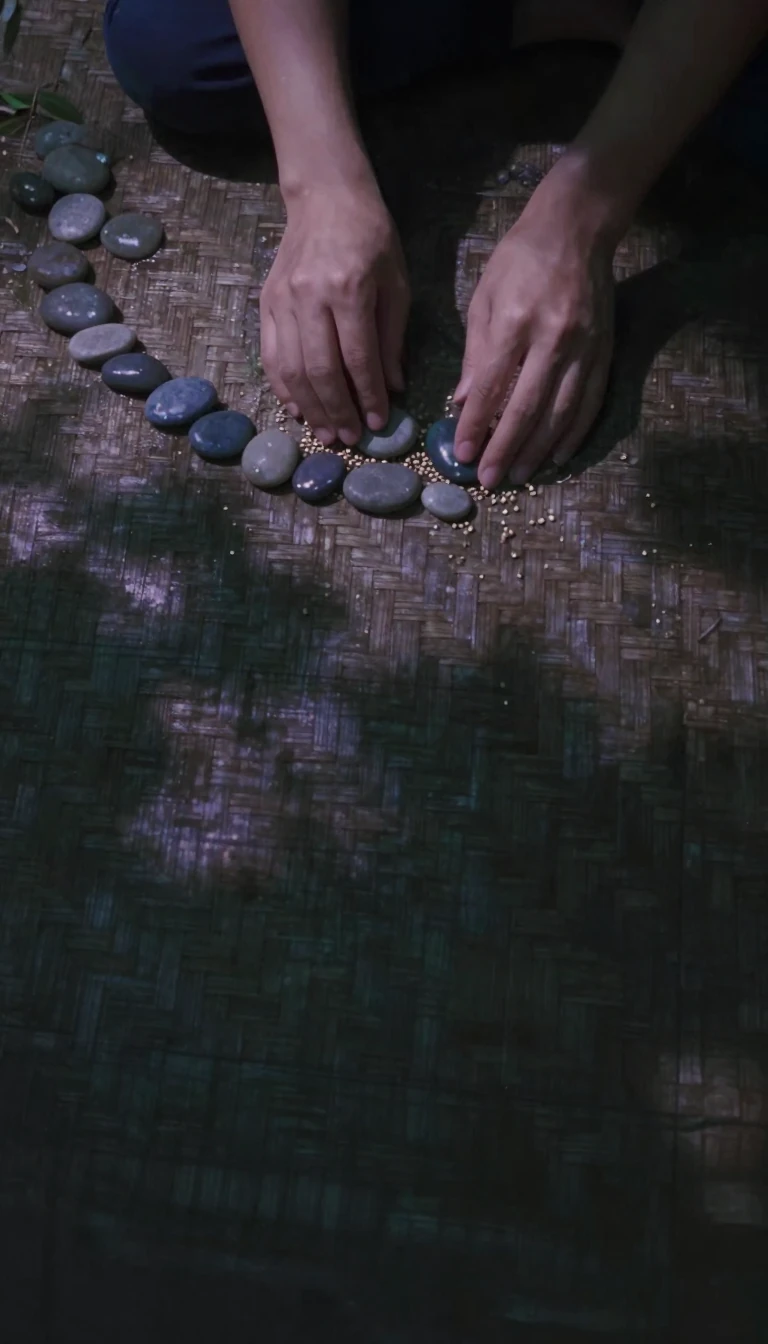
In short: The 19th-century slogan 'art for art's sake' proposed a radical idea: that true creativity is entirely independent of morality, politics, or social utility. But while some saw this as ultimate freedom, others viewed it as a dangerous detachment from the human experience.
The philosophy of l'art pour l'art—the French rendering of 'art for art's sake'—emerged in the 19th century as a rebellion against the idea that art must serve a didactic or moral function. While Parisian intellectuals used the phrase since the early 1800s, the French writer Théophile Gautier is credited with articulating its metaphysical weight in his 1832 poetry volume, Albertus, and his 1835 novel, Mademoiselle de Maupin. This 'autotelic' view suggests art is complete in itself, needing no external justification.
The movement gained significant traction in England through the Aesthetic Movement, led by figures like Walter Pater and Algernon Charles Swinburne. Artists like James McNeill Whistler championed this independence, rejecting the idea that art should serve the state or religion, as had been common since the 16th-century Counter-Reformation. Even Edgar Allan Poe defended the concept in 1850, arguing that a poem written solely for itself possesses a supreme, inherent dignity.
However, the doctrine faced fierce opposition from across the political and social spectrum. Friedrich Nietzsche argued that art can never be purposeless, as it inherently expresses and strengthens human values. From a political lens, Marxists and leaders like Mao Zedong viewed art as a 'cog' in the revolutionary machine, while the Mexican painter Diego Rivera feared 'pure art' would become a mere currency for the wealthy. Even more scathing were the critiques from African intellectuals like Chinua Achebe and Léopold Sédarr Senghor, who argued that the 'art for art's sake' framework was a limited, Eurocentric view that ignored the functional, communal nature of African aesthetics.
Opens the Intellect+ feed with this card first. Swipe up for the next one.
Sources
- Summary by Intellect · source: Art for art's sake
To cite this card, link to https://intellectplus.co.uk/app/art-art-for-art-s-sake.
How we source, check and correct cards: Editorial standards.
General information, not professional advice. Spotted an error? Flag the card or see corrections and complaints.
Intellect Plus is a visual educational discovery platform for exploring fascinating facts and ideas. Brain Food, Not Brain Rot. What is Intellect Plus?
Related
More in Visual arts · More in Art · Latest · A–Z · All topics
