Why 19th-century artists rejected nature to worship the artificial and the perverse
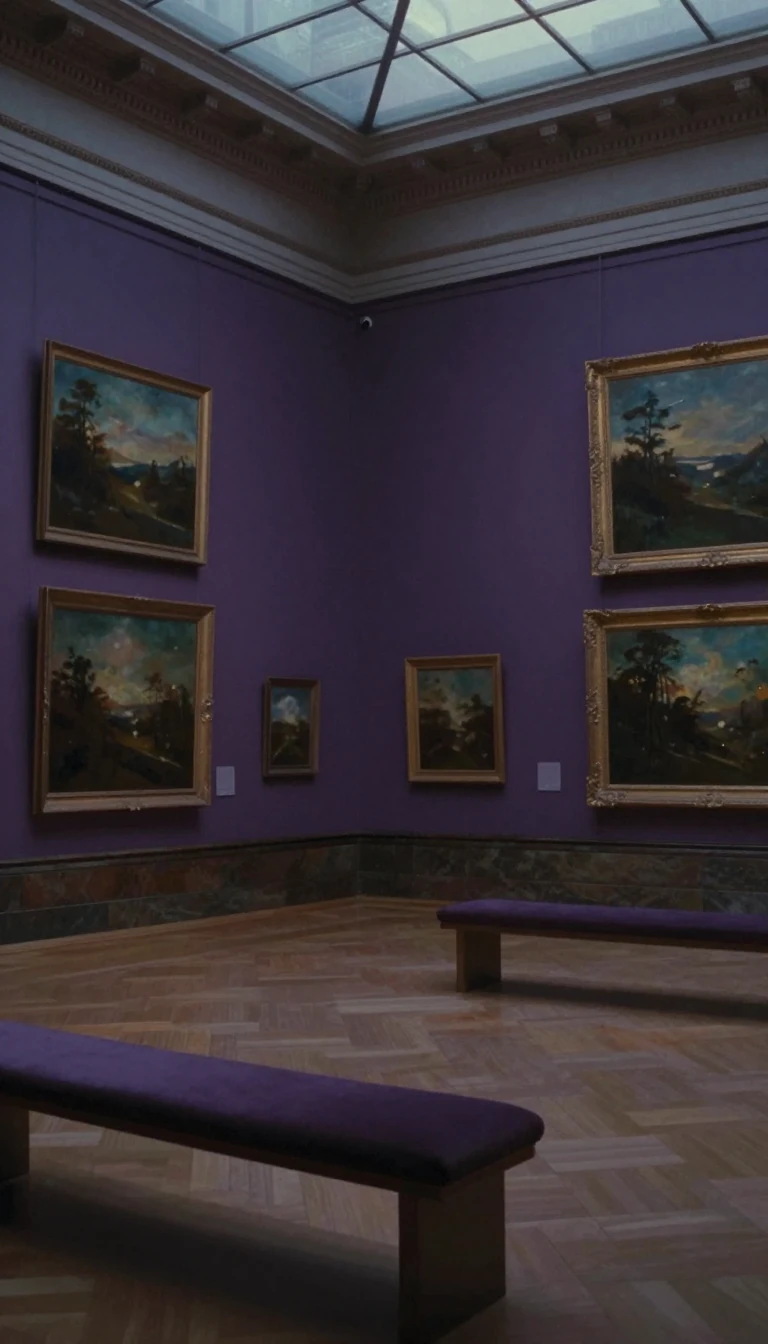
In short: The Decadent movement was a late 19th-century rebellion against the banal progress of industrial society. By prioritizing human fantasy, material excess, and aesthetic hedonism over the natural world, these artists sought to shock the public and create valid new worlds through artifice, rather than merely imitating reality.
Originating in France, the Decadent movement drew its name from the 18th-century concept of cultural decline, famously associated with the decay of the Roman Empire. Writers like Théophile Gautier and Charles Baudelaire reclaimed the term 'decadent' as a badge of honor, using it to reject conventional rules and celebrate exoticism. For these figures, art was not a mirror of nature but a superior, artificial creation. As Joris-Karl Huysmans wrote in his 1884 novel Against Nature, the time had come to replace the 'driveling, old woman' of nature with the deliberate craft of human genius.
The movement reached a formal peak with Anatole Baju’s magazine Le Décadent, founded in 1886. While often confused with Symbolism, the two movements diverged sharply in their goals. Symbolists used imagery to evoke transcendent, esoteric truths, whereas Decadents rejected the existence of such mystical secrets. Instead, they focused on the immediate, sensual experience of the moment, often exploring morbid themes, perverse sexuality, and material luxury. Figures like Félicien Rops illustrated this worldview with gruesome, satanic imagery, while British counterparts like Oscar Wilde and Aubrey Beardsley integrated these ideals into the aesthetic of the 1890s.
By the end of the 1880s, the movement began to fracture. Many key figures, including Paul Verlaine and Stéphane Mallarmé, drifted toward Symbolism, while others abandoned the aesthetic entirely. Baju himself eventually turned toward anarchy, viewing his earlier project as too timid. Despite its relatively short lifespan, the movement left a lasting mark on the fin de siècle era, serving as a dynamic, pessimistic transition between the emotional intensity of Romanticism and the radical shifts of Modernism.
Opens the Intellect+ feed with this card first. Swipe up for the next one.
Sources
- Summary by Intellect · source: Decadent movement
- Also: Art Institute of Chicago — Movement · CC0 (data); description CC BY 4.0
- Also: www.britannica.com — Decadent | Romanticism, Symbolism, Aestheticism | Britannica
To cite this card, link to https://intellectplus.co.uk/app/art-decadent-movement.
How we source, check and correct cards: Editorial standards.
General information, not professional advice. Spotted an error? Flag the card or see corrections and complaints.
Intellect Plus is a visual educational discovery platform for exploring fascinating facts and ideas. Brain Food, Not Brain Rot. What is Intellect Plus?
Related
More in Visual arts · More in Art · Latest · A–Z · All topics
