Why the Bunkers of Queens redefined the American nuclear family on television
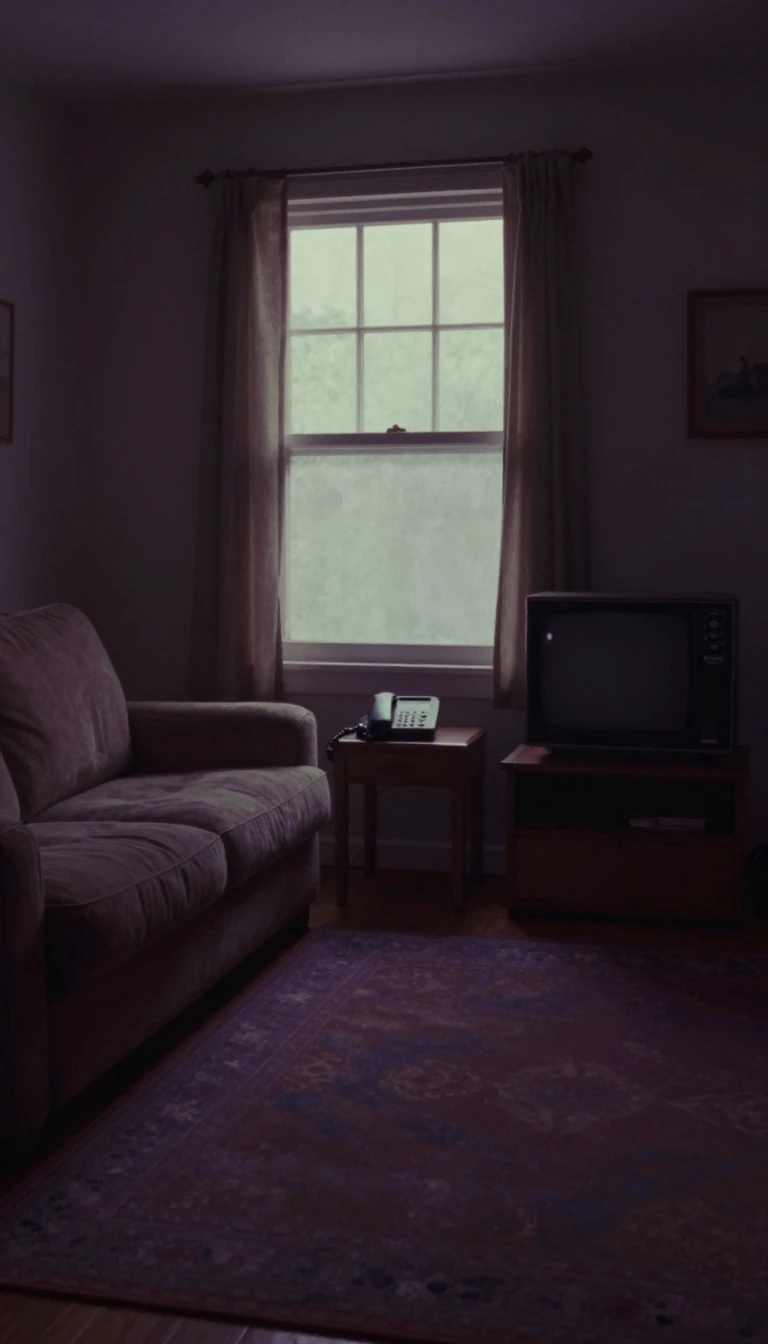
In short: All in the Family transformed the sitcom by injecting realistic, topical conflicts into the domestic life of a working-class household. By pitting the stubborn, prejudiced Archie Bunker against his progressive son-in-law, the show captured the clash between the Greatest Generation and Baby Boomers, becoming a cultural touchstone of the 1970s.
Aired on CBS from 1971 to 1979, All in the Family centered on the Bunkers, a lower-middle-class family in Queens, New York. The series, produced by Norman Lear and Bud Yorkin, broke the mold of traditional sitcoms by tackling social tensions through the lens of a nuclear family. This unit, traditionally defined as a pair of adults and their children, serves as the primary social organization in Western societies. However, anthropological research suggests that the nuclear family is just one variation of a broader 'nuclear family complex,' where roles like parent or sibling are often fulfilled by individuals outside of strict biological definitions.
Within the show, the Bunkers represent the conjugal family, a structure knit together by marriage and emphasized in mobile, industrialized societies. Archie Bunker, a World War II veteran, often struggled to adapt to a changing world, frequently clashing with his daughter Gloria and her husband, Michael Stivic. Their domestic friction was not merely comedic; it mirrored the real-life ideological divide between generations. While Archie was often portrayed as an outspoken bigot, the show explored his character as a man struggling with his own ignorance rather than one driven by pure malice, a nuance that helped the series top Nielsen ratings for five consecutive years.
The show's success relied on its ability to ground high-stakes cultural debates within the intimate, often claustrophobic setting of the family home at 704 Hauser Street. By featuring supporting characters like the Jeffersons, the series also reflected the shifting demographics of urban neighborhoods. Though the Bunkers' domestic life was a fictional construction, it functioned much like the comic paintings of 17th-century Dutch artists such as Jan Steen, who believed that comedy should mirror the everyday realities of life. By forcing viewers to confront uncomfortable truths through the lens of a familiar, if dysfunctional, family unit, All in the Family remains one of the most influential programs in television history.
Opens the Intellect+ feed with this card first. Swipe up for the next one.
Sources
- Summary by Intellect · source: All in the Family | Description, Cast, Characters, & Facts | Britannica
- Also: All in the Family
- Also: The Family Concert
To cite this card, link to https://intellectplus.co.uk/app/art-all-in-the-family.
How we source, check and correct cards: Editorial standards.
General information, not professional advice. Spotted an error? Flag the card or see corrections and complaints.
Intellect Plus is a visual educational discovery platform for exploring fascinating facts and ideas. Brain Food, Not Brain Rot. What is Intellect Plus?
Related
More in Film and television · More in Art · Latest · A–Z · All topics
