How a whimsical Parisian waitress became a global cultural phenomenon and scientific namesake
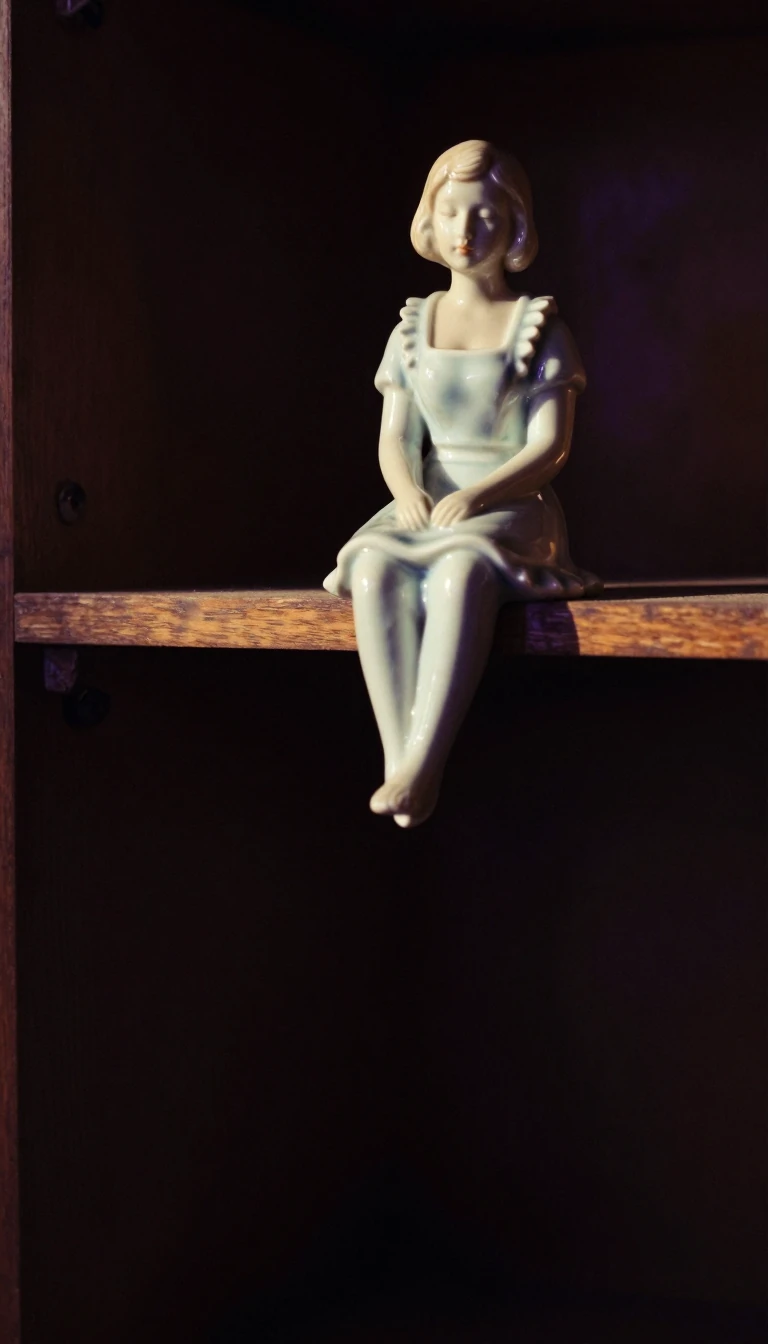
In short: Amélie is more than a romantic comedy; it is a cinematic landmark that redefined contemporary French identity. From its humble Montmartre origins to its influence on television shows like Pushing Daisies and even the naming of a new frog species, the film’s whimsical spirit continues to resonate decades later.
Directed by Jean-Pierre Jeunet and released in 2001, Amélie follows the life of a shy, imaginative waitress who orchestrates small, life-changing miracles for those around her. The film was originally written for English actress Emily Watson, but after she became unavailable, Jeunet rewrote the screenplay for Audrey Tautou. Filmed primarily in Paris, including at the real-life Café des 2 Moulins, the production utilized digital intermediate techniques and computer-generated imagery to create its distinct, vibrant aesthetic.
Despite being snubbed by the Cannes Film Festival—where selector Gilles Jacob famously dismissed it as uninteresting—the film achieved massive commercial success, grossing $174.2 million worldwide against a $10 million budget. It became the highest-grossing French-language film in North American history. Critics praised its cinematography and musical score by Yann Tiersen, though some, like Serge Kaganski, criticized its idealized, non-diverse depiction of Paris. Jeunet countered this by noting the film's diverse cast and photographic details.
The film's legacy is vast. It has inspired a Broadway musical, a painting game called Été, and even the naming of a glass frog species, Cochranella amelie. Its influence extends to television, with the show Pushing Daisies explicitly seeking to capture its specific brand of whimsy and kindness. Today, the film remains a fixture on lists of the greatest movies of the 21st century, cementing its status as a defining piece of modern world cinema.
Opens the Intellect+ feed with this card first. Swipe up for the next one.
Sources
- Summary by Intellect · source: Amélie
- Also: Art Institute of Chicago — Amélie Laurent Dieterlé · CC0 (data); description CC BY 4.0
To cite this card, link to https://intellectplus.co.uk/app/art-am-lie.
How we source, check and correct cards: Editorial standards.
General information, not professional advice. Spotted an error? Flag the card or see corrections and complaints.
Intellect Plus is a visual educational discovery platform for exploring fascinating facts and ideas. Brain Food, Not Brain Rot. What is Intellect Plus?
Related
More in Film and television · More in Art · Latest · A–Z · All topics
