Amapiano: The South African sound that conquered the world through digital rhythm
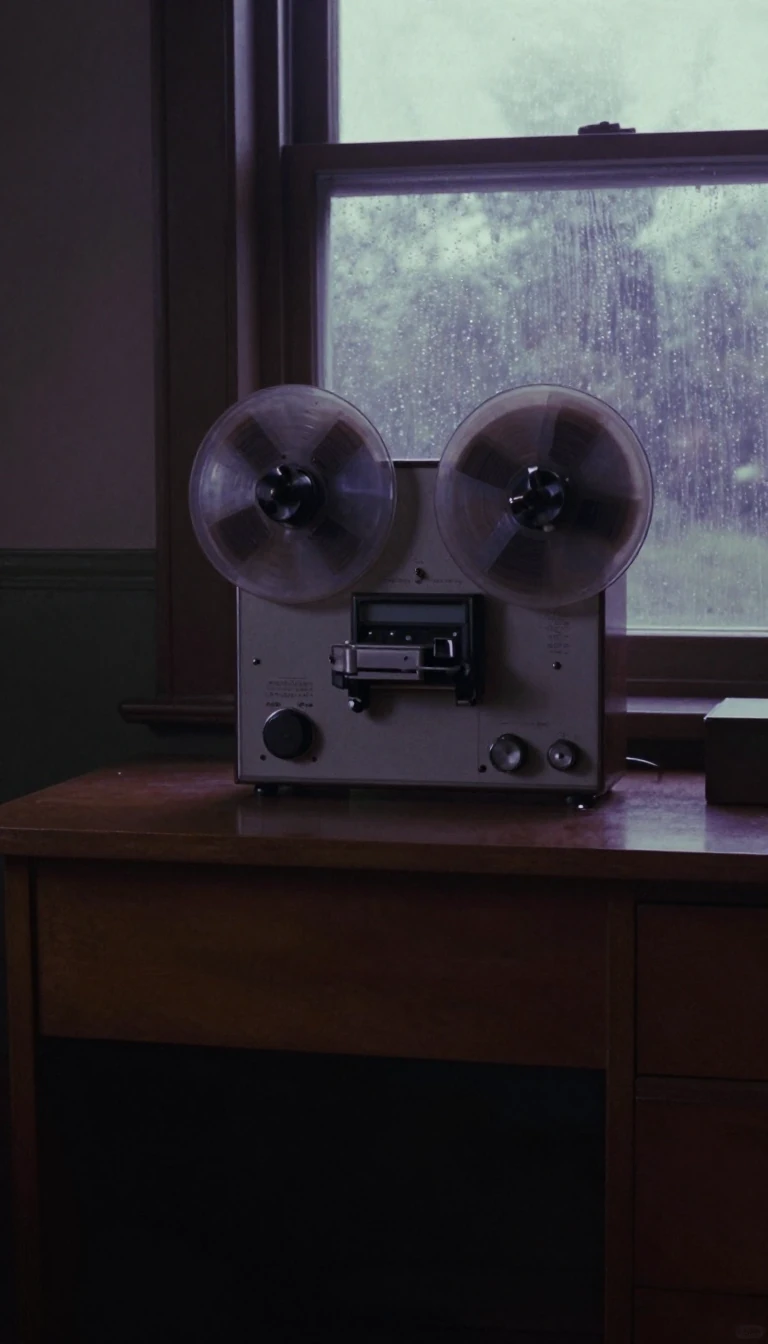
In short: Amapiano is a vibrant musical hybrid born in Johannesburg townships, defined by its signature log drum basslines and piano melodies. Rising from local roots to global charts, this genre has evolved into a diverse ecosystem of fusions, proving that a sound without a single founder can define a generation.
Amapiano emerged from the Johannesburg music scene as a complex blend of kwaito, deep house, gqom, jazz, soul, and lounge. Its name, derived from the IsiZulu word for pianos, hints at its melodic core, though its most recognizable feature is the log drum. This wide, percussive bassline—an electronic evolution of traditional West African instruments—was popularized by producers like Mdu Masilela and Kabza De Small. Because the genre grew organically across various townships, there is no single creator, leading to ongoing debates about its precise origin and its potential links to Pretoria's bacardi house scene.
The genre is remarkably multilingual, with lyrics spanning eleven of South Africa's twelve official languages. This linguistic diversity has mirrored its rapid international expansion. By 2019, the sound was gaining traction across the continent, and by 2022, it secured a dedicated presence on the music platform Beatport. Its influence has since crossed oceans, with artists from South Korea, China, and Egypt incorporating its rhythmic DNA into their own work. The 2023 success of Tyla’s track 'Water' marked a historic moment, as it became the first song by a South African solo artist to reach the U.S. Billboard Hot 100 in over five decades.
Amapiano has also become a fertile ground for subgenres and fusions. 'Private school piano,' championed by Kelvin Momo, leans into soulful, progressive chords and live instrumentation like the saxophone and violin. Other variants include 'bongopiano' in Tanzania, 'ojapiano' in Nigeria, and 'new age bacardi,' which slows down traditional tempos. Whether through the experimental 'quantum sound' or the pop-infused 'popiano,' the genre remains defined by its constant state of flux. This adaptability, fueled by social media dance culture and a community of producers eager to experiment with new plug-ins, ensures that amapiano remains a living, breathing musical movement rather than a static style.
Opens the Intellect+ feed with this card first. Swipe up for the next one.
Sources
- Summary by Intellect · source: Amapiano
To cite this card, link to https://intellectplus.co.uk/app/art-amapiano.
How we source, check and correct cards: Editorial standards.
General information, not professional advice. Spotted an error? Flag the card or see corrections and complaints.
Intellect Plus is a visual educational discovery platform for exploring fascinating facts and ideas. Brain Food, Not Brain Rot. What is Intellect Plus?
Related
More in Visual artists · More in Art · Latest · A–Z · All topics
