Why Allan Kaprow Abandoned Traditional Painting to Build Art Out of Jelly and Ice
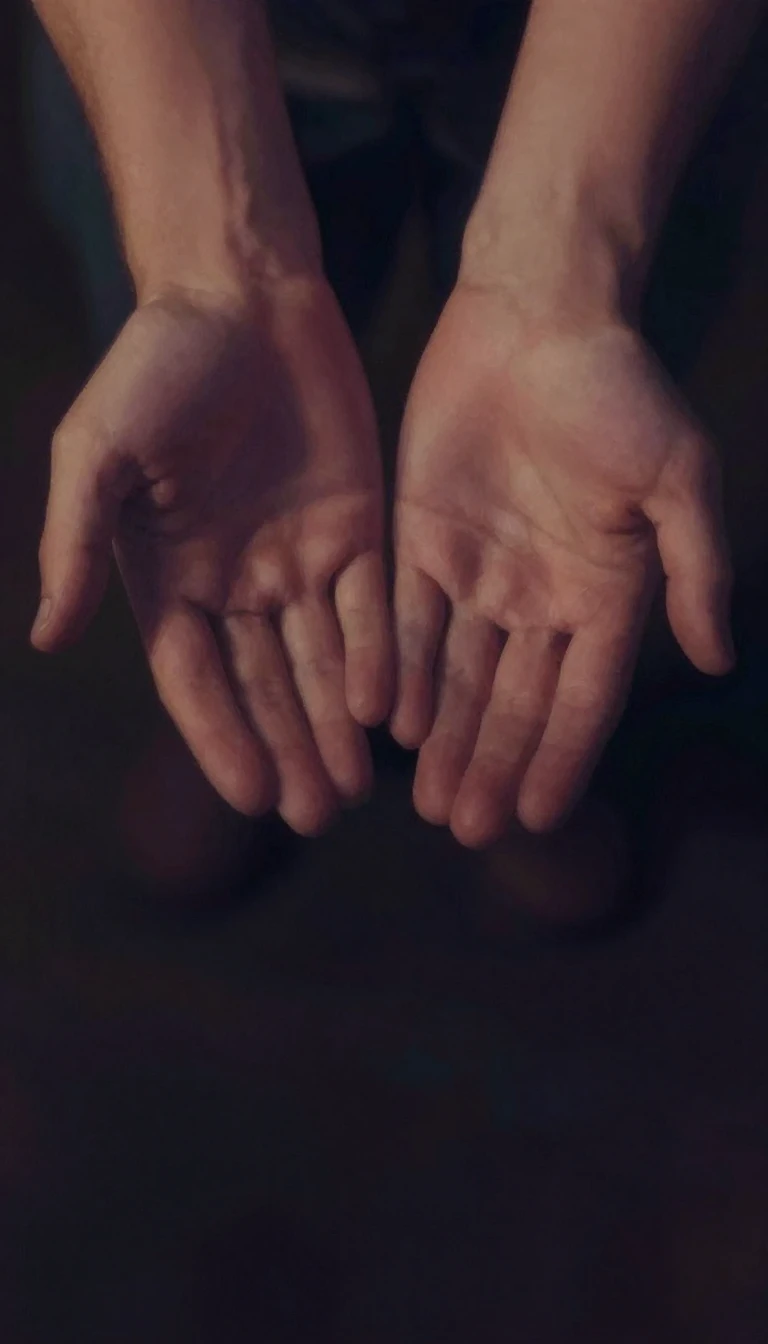
In short: Allan Kaprow transformed the art world by rejecting the passive gallery experience. He invented the Happening, a genre where scripted performance and audience participation blurred the lines between creator and observer. By using perishable materials like food and ice, he forced spectators to engage with art as a fleeting, living event.
Born in 1927, Allan Kaprow began his career as an abstract painter influenced by Jackson Pollock. However, his time studying composition under John Cage at the New School for Social Research in the late 1950s shifted his focus from the final product to the process of action. Kaprow eventually abandoned traditional media, arguing that art should embrace everyday materials—such as neon lights, water, and old socks—rather than prioritizing permanence or craftsmanship.
This philosophy birthed the Happening, a term Kaprow coined to describe events that were intended to occur naturally. While his early works were highly scripted, they aimed to dismantle the traditional barrier between the artist and the audience. In his Environments, Kaprow manipulated spaces to overwhelm the senses, turning spectators into active participants. Notable examples include a wall constructed of bread and jelly near the Berlin Wall and a collection of ice houses in southern California that eventually melted away.
Kaprow’s influence extended deep into academia and the broader art landscape. He co-founded influential venues like the Reuben Gallery and held teaching positions at institutions including Rutgers University, the State University of New York at Stony Brook, and the University of California, San Diego. Despite his fame, Kaprow later expressed regret that the term Happening became associated with spontaneous incidents, as he viewed his own work as a deliberate, theatrical extension of life itself. His legacy remains defined by his efforts to dissolve the boundaries between creative expression and ordinary human activity, as explored in his 1993 book, Essays on the Blurring of Art and Life.
Opens the Intellect+ feed with this card first. Swipe up for the next one.
Sources
- Summary by Intellect · source: Allan Kaprow | American Performance Artist & Happenings Pioneer | Britannica
- Also: Allan Kaprow
To cite this card, link to https://intellectplus.co.uk/app/art-allan-kaprow.
How we source, check and correct cards: Editorial standards.
General information, not professional advice. Spotted an error? Flag the card or see corrections and complaints.
Intellect Plus is a visual educational discovery platform for exploring fascinating facts and ideas. Brain Food, Not Brain Rot. What is Intellect Plus?
Related
More in Visual artists · More in Art · Latest · A–Z · All topics
