Why Ancient Egyptian Art Had No Word for Art and Remained Unchanged for Millennia
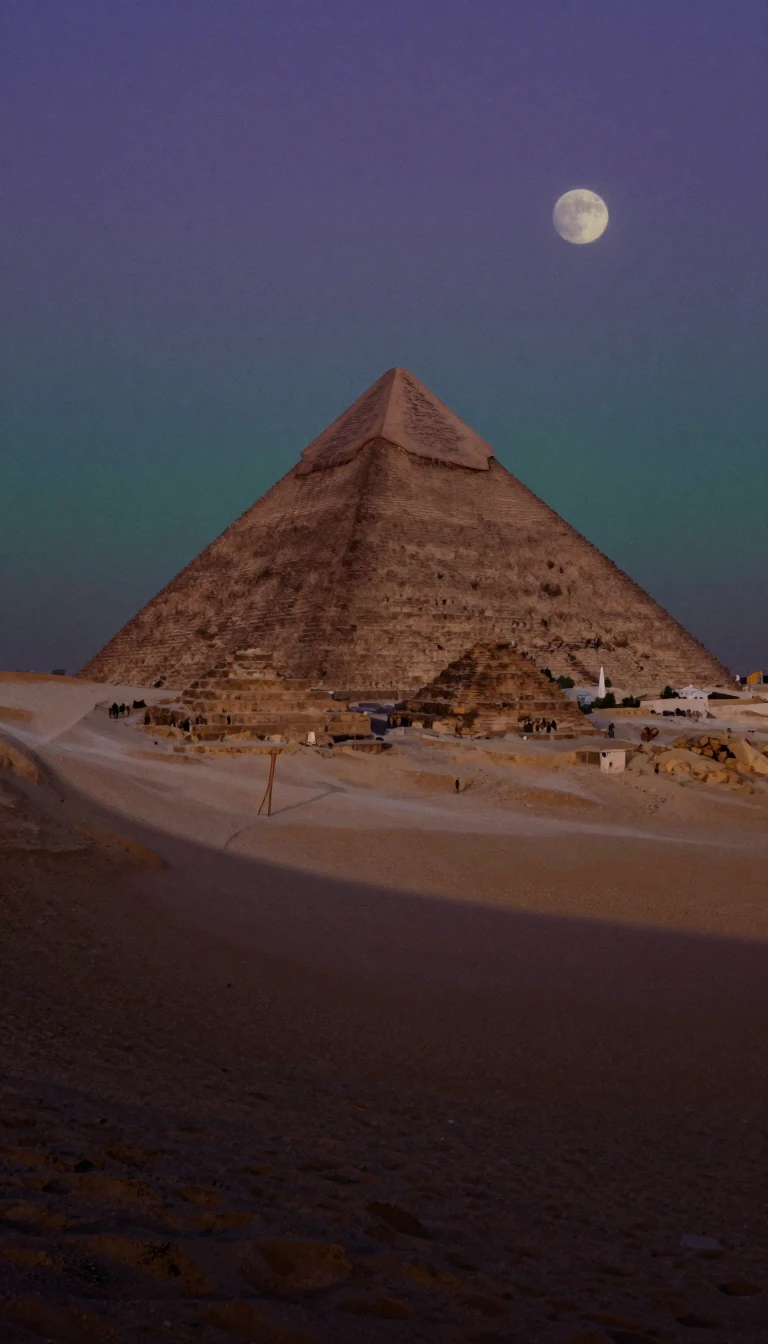
In short: In ancient Egypt, art was not a form of individual expression but a functional tool for maintaining cosmic order. Spanning from the 6th millennium BC to the 4th century AD, this conservative tradition prioritized permanence over realism, ensuring that everything depicted in stone or paint would endure for eternity.
The ancient Egyptian language lacked a specific term for art, reflecting a reality where creative output served strictly religious and ideological ends. Rather than showcasing the personal style of an individual creator, works were designed to uphold Ma'at, the cosmic order. By rendering a subject in sculpture, painting, or papyrus, the artist granted it a form of permanence that transcended the mortal realm. Consequently, the art produced was intentionally idealized rather than realistic, presenting a stable, unchanging vision of the world that persisted with remarkable consistency for thousands of years.
Much of what survives today originates from tombs and monuments, providing a unique window into the civilization's deep preoccupation with the afterlife. These artifacts, ranging from intricate jewelry and ivories to monumental architecture and faience, were never intended to be mere aesthetic objects. Instead, they were essential components of funerary practices, deeply intertwined with the preservation of the body and the soul. The conservative nature of this tradition meant that stylistic shifts were minimal, allowing the culture to maintain a cohesive visual identity across vast stretches of time.
This approach stands in stark contrast to other ancient traditions, such as the Roman practice of using coinage to document the shifting political landscape. While Roman coins evolved to feature the portraits of living rulers like Julius Caesar starting in 44 BCE, Egyptian art remained anchored to its foundational religious purpose. By focusing on the eternal rather than the ephemeral, Egyptian creators successfully built a visual language that resisted the pressures of change. This commitment to continuity ensured that their artistic legacy remained recognizable and distinct from the prehistoric period through the eventual Christianization of Roman Egypt in the 4th century AD.
Opens the Intellect+ feed with this card first. Swipe up for the next one.
Sources
- Summary by Intellect · source: Art of ancient Egypt
- Also: Aureus (Coin) Portraying Emperor Hadrian
- Also: Art Institute of Chicago — Landscape in the Style of Ancient Masters: after Gao Kegong · CC0 (data); description CC BY 4.0
To cite this card, link to https://intellectplus.co.uk/app/art-art-of-ancient-egypt.
How we source, check and correct cards: Editorial standards.
General information, not professional advice. Spotted an error? Flag the card or see corrections and complaints.
Intellect Plus is a visual educational discovery platform for exploring fascinating facts and ideas. Brain Food, Not Brain Rot. What is Intellect Plus?
Related
More in Visual arts · More in Art · Latest · A–Z · All topics
