What remains of the ancient world when the physical record finally fades away?
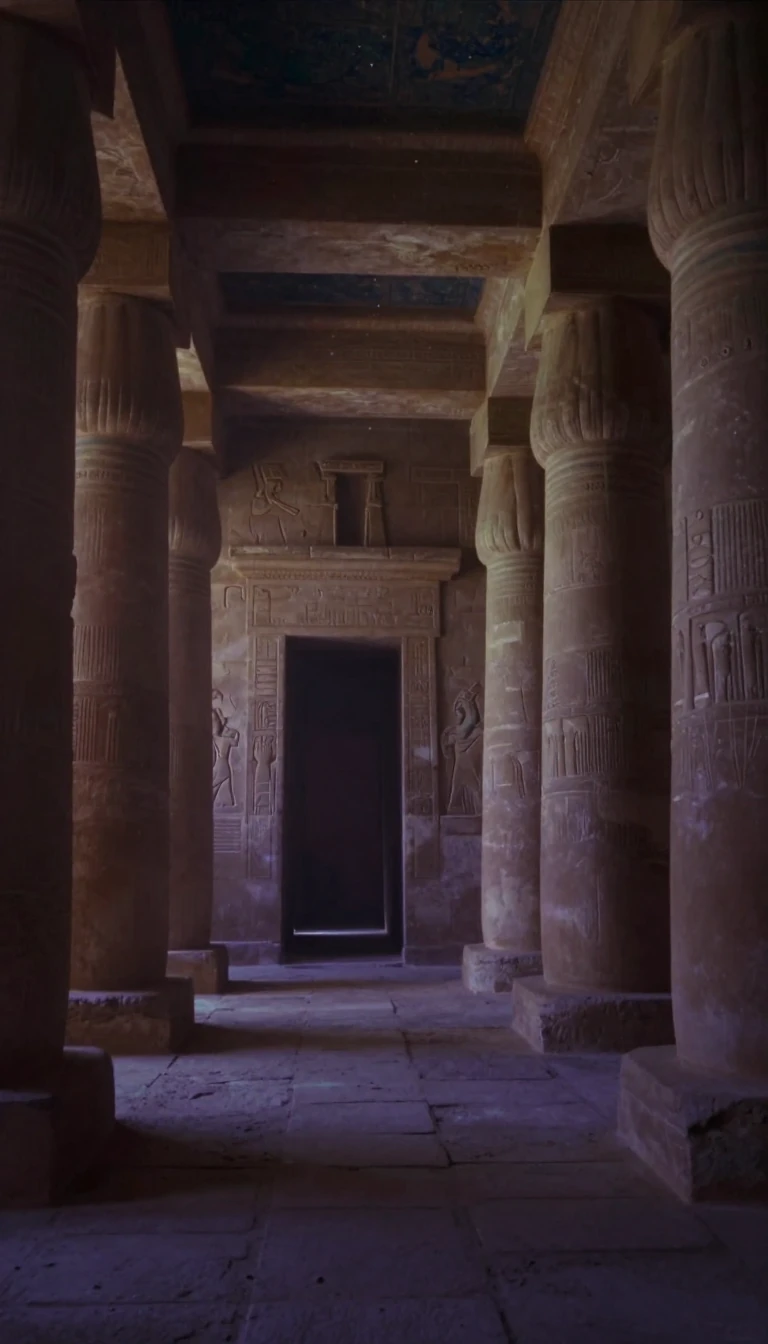
In short: Ancient literature encompasses a vast array of human expression, from religious texts and scientific treatises to royal decrees and poetic verses. While these works were once etched into stone, clay, or papyrus, the vast majority of our ancestral heritage has been claimed by the relentless passage of time.
The corpus of ancient literature is defined by its diversity of form and medium. Beyond the familiar scrolls of papyrus, early writers utilized palm leaves, metal plates, and heavy stone monuments to preserve their thoughts. These documents served as the primary vessels for everything from administrative royal edicts to the creative output of poets and playwrights. Because these materials were often fragile or subject to environmental decay, the physical survival of any given text was never guaranteed.
A significant portion of our understanding of the ancient world is filtered through the lens of what managed to endure. Before the widespread adoption of writing systems, literature existed primarily in oral traditions. While oral storytelling was a vital cultural practice, it was inherently precarious; without a permanent physical anchor, these narratives often vanished entirely. Even after the invention of writing, the survival rate of documents remained remarkably low. Countless works, perhaps representing the majority of human intellectual output from these eras, have been lost to the ravages of time.
This loss creates a profound gap in our historical perspective. We are left with a fragmented mosaic, where the surviving texts provide only a partial glimpse into the complex societies that produced them. The study of ancient literature is therefore as much about acknowledging the silence of the lost as it is about analyzing the words that remain. Every recovered fragment is a rare victory against oblivion, offering a fleeting connection to the minds and voices of people who lived thousands of years ago.
Opens the Intellect+ feed with this card first. Swipe up for the next one.
Sources
- Summary by Intellect · source: Ancient literature
To cite this card, link to https://intellectplus.co.uk/app/art-ancient-literature.
How we source, check and correct cards: Editorial standards.
General information, not professional advice. Spotted an error? Flag the card or see corrections and complaints.
Intellect Plus is a visual educational discovery platform for exploring fascinating facts and ideas. Brain Food, Not Brain Rot. What is Intellect Plus?
Related
More in Literature · More in Art · Latest · A–Z · All topics
