Ancient Egypt pioneered the written word, creating the very first forms of recorded literature.
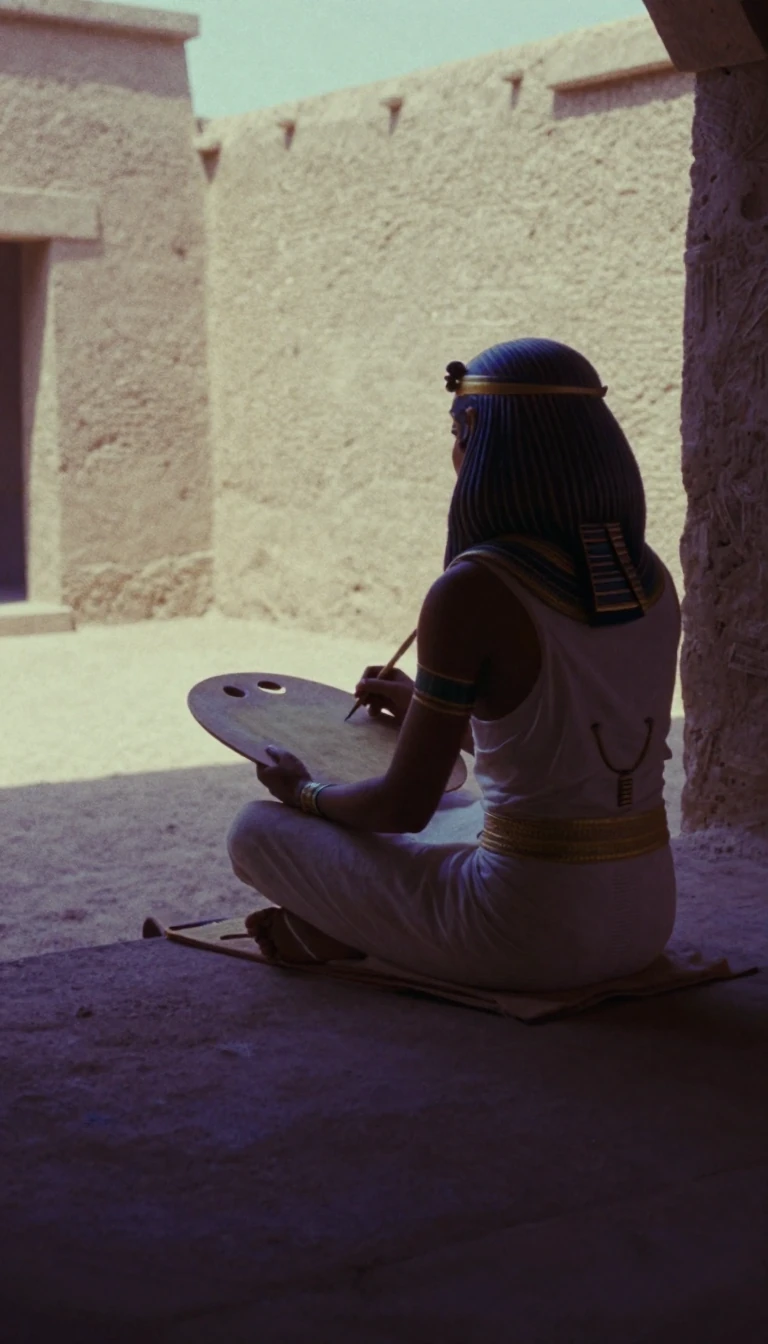
In short: Long before the modern book existed, ancient Egyptians were already documenting their culture through intricate inscriptions and papyrus collections. This early innovation laid the groundwork for a literary tradition that persists today, with Egypt currently producing thousands of original works annually, cementing its status as a historic powerhouse of global storytelling.
The origins of Egyptian literature are rooted in the dawn of civilization, marking it as one of the earliest known literary traditions in human history. Ancient Egyptians were pioneers in developing written expression, moving beyond mere record-keeping to create complex narratives and texts. These early works were preserved through two primary mediums: stone inscriptions and collections of papyrus, which served as the essential precursors to the contemporary book format.
This deep-seated cultural legacy remains vibrant in the modern era. According to data from the General Egyptian Book Organization, the nation maintains a prolific output of new literary material. Current estimates suggest that Egypt’s cultural sector generates approximately 18,000 new titles every year. Of this substantial total, roughly 10,000 are identified as original works authored by Egyptian writers, highlighting a sustained commitment to creative production that spans millennia.
The evolution of Egyptian artistry is not limited to the written word alone. Objects such as the gold and green jasper ring featuring a scarab bezel, dating back to the Second Intermediate Period between 1650 and 1550 BCE, demonstrate the sophisticated craftsmanship that accompanied this culture. While literature provided the intellectual framework for Egyptian society, these physical artifacts reflect the aesthetic values and technical mastery that defined the era. Together, these elements illustrate a civilization that valued both the permanence of the written record and the beauty of tangible design.
Understanding the trajectory of Egyptian literature requires looking at both the ancient innovations and the contemporary statistics. By bridging the gap between early papyrus scrolls and today's massive annual output, one gains a clearer perspective on how a society sustains its intellectual identity over thousands of years. This continuity is a testament to the enduring power of the written word in shaping the cultural landscape of Egypt from the ancient world to the present day.
Opens the Intellect+ feed with this card first. Swipe up for the next one.
Sources
- Summary by Intellect · source: Egyptian literature
- Also: Art Institute of Chicago — Ring with a Scarab Bezel · CC0 (data); description CC BY 4.0
To cite this card, link to https://intellectplus.co.uk/app/art-egyptian-literature.
How we source, check and correct cards: Editorial standards.
General information, not professional advice. Spotted an error? Flag the card or see corrections and complaints.
Intellect Plus is a visual educational discovery platform for exploring fascinating facts and ideas. Brain Food, Not Brain Rot. What is Intellect Plus?
Related
More in Literature · More in Art · Latest · A–Z · All topics
