Why this French sculptor rejected the emotional intensity of his famous contemporary, Auguste Rodin.
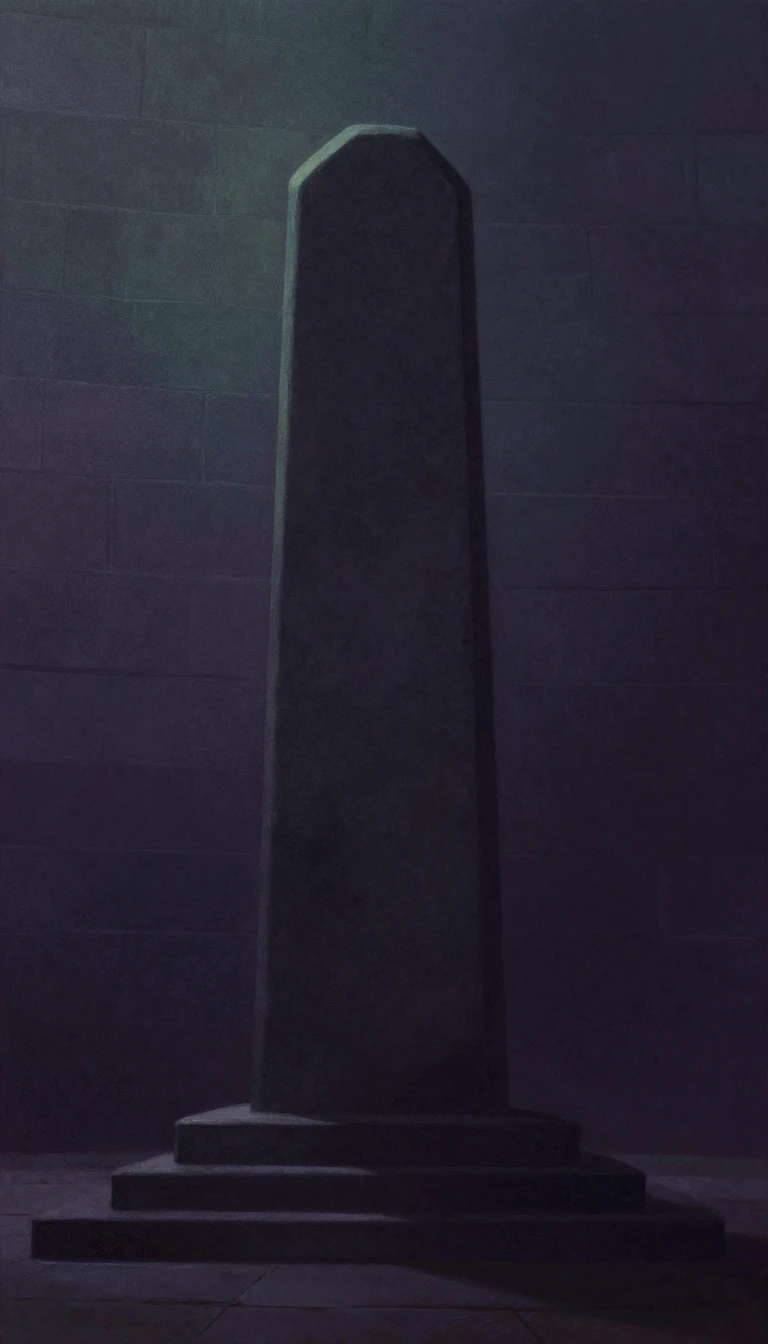
In short: Aristide Maillol turned away from the exaggerated dynamism of late 19th-century art to embrace a serene, classical stability. By focusing on the essential form of the female body, he created a monumental style that profoundly influenced modern masters like Henry Moore and paved the way for mid-century minimalism.
Born in 1861 in Banyuls-sur-Mer, Aristide Maillol began his artistic career as a painter and tapestry designer. It was not until his early 40s that he shifted his primary focus to sculpture. His early work was deeply influenced by contemporaries like Paul Gauguin, who encouraged his interest in decorative arts. However, Maillol eventually abandoned tapestry to pursue the sculptural form, producing his first major work, A Seated Woman, in 1902. This piece, later renamed La Méditerranée, marked the beginning of his signature style: a return to classical simplicity that rejected the emotional, often turbulent, aesthetic popularized by Auguste Rodin.
Maillol’s mature work is defined by a restrained, monumental treatment of the female figure. He believed that art should not merely copy nature, but rather capture a sense of permanent, renewed novelty through reason and form. This approach resonated with artists like Henry Moore, who credited Maillol with teaching him the value of calm, balance, and volume. Similarly, Dadaist Hans Arp found inspiration in Maillol’s organic, elemental shapes, viewing them as expressions of timeless universality. Critics like Hilton Kramer have noted that Maillol’s work possesses an 'elemental calm' that stands in sharp contrast to the Romantic intensity of his peers.
The legacy of Maillol’s work extends far beyond his death in a 1944 automobile accident. His sculptures were heavily targeted by Nazi looting organizations during World War II, with dozens of pieces seized from collectors. Today, his influence remains a subject of active re-evaluation. Contemporary artists like Oliver Aoun have engaged with his figures to critique traditional Western gazes and patriarchal structures, while institutions like the Musée Maillol continue to host dialogues between his classicism and modern abstraction. From his woodcut illustrations for Vergil to his monumental bronzes, Maillol’s pursuit of essential harmony continues to shape how we perceive the human body in art.
Opens the Intellect+ feed with this card first. Swipe up for the next one.
Sources
- Summary by Intellect · source: Aristide Maillol
To cite this card, link to https://intellectplus.co.uk/app/art-aristide-maillol.
How we source, check and correct cards: Editorial standards.
General information, not professional advice. Spotted an error? Flag the card or see corrections and complaints.
Intellect Plus is a visual educational discovery platform for exploring fascinating facts and ideas. Brain Food, Not Brain Rot. What is Intellect Plus?
Related
More in Visual artists · More in Art · Latest · A–Z · All topics
