Why did the most influential painter of the 19th century become a forgotten ghost?
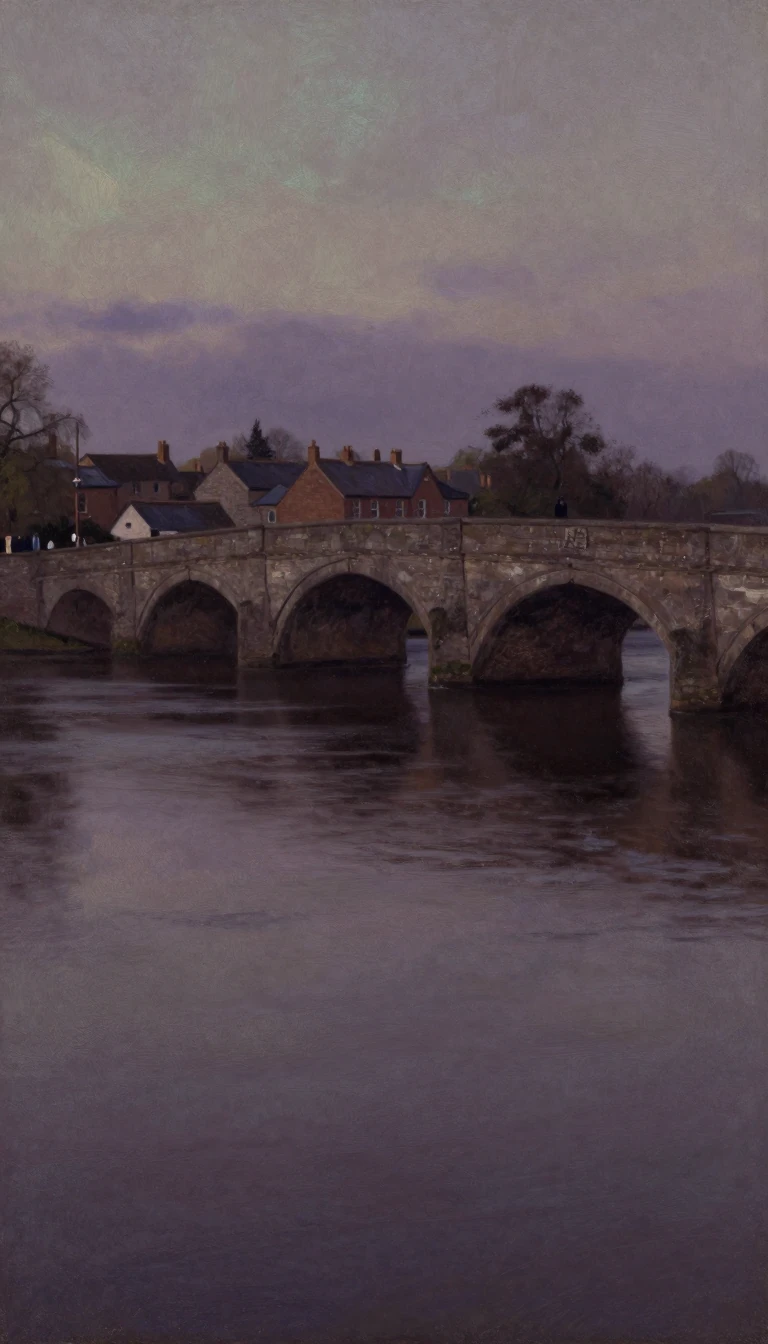
In short: Arnold Böcklin was once a titan of European art, inspiring composers like Rachmaninoff and Surrealists like Dalí with his haunting, mythological dreamscapes. Yet, by the mid-20th century, his reputation had collapsed into obscurity. Discover the strange, shock-inducing power of a master who defined an era before being dismissed as old-fashioned.
Born in Basel in 1827, Arnold Böcklin was a Swiss Symbolist painter whose career spanned the late 19th century. Trained at the Düsseldorf academy, he spent years absorbing the techniques of Flemish and Dutch masters before finding his true voice in Rome. It was there that he began to infuse his work with allegorical and mythological figures, creating a distinct aesthetic that often blended classical architecture with themes of death and mortality. His most famous creation, the Isle of the Dead, was painted in five versions between 1880 and 1886, inspired in part by the English Cemetery in Florence where his own daughter was buried.
Böcklin’s influence was vast and varied. His work resonated deeply with late-Romantic composers, sparking symphonic poems and tone poems from artists like Sergei Rachmaninoff, Max Reger, and Hans Huber. In the art world, he was a pivotal figure for the Surrealists; Giorgio de Chirico famously claimed that every one of Böcklin’s works was a shock. Even Marcel Duchamp, the father of conceptual art, controversially cited Böcklin as a major influence on his own practice. Despite this, his standing suffered a rapid decline after his death in 1901, as the rise of modernism rendered his literary, symbolic style unfashionable. By 1947, critic Clement Greenberg dismissed his work as the embodiment of everything disliked about the late 19th century.
The artist’s life was marked by both professional success and profound personal tragedy. He fathered fourteen children, eight of whom predeceased him, and he nearly died of typhoid in 1859. These experiences with mortality permeate his work, which often features lone, mysterious figures in unsettling, naturalistic settings. While his popularity waned for decades, a revival of interest in his work began in the 1960s. Today, his legacy persists not only in museums like the Kunstmuseum Basel but also in the cultural imagination, having inspired everything from H.R. Giger’s art to an Art Nouveau typeface that still bears his name.
Opens the Intellect+ feed with this card first. Swipe up for the next one.
Sources
- Summary by Intellect · source: Arnold Böcklin
- Also: Art Institute of Chicago — In the Sea · CC0 (data); description CC BY 4.0
To cite this card, link to https://intellectplus.co.uk/app/art-arnold-b-cklin.
How we source, check and correct cards: Editorial standards.
General information, not professional advice. Spotted an error? Flag the card or see corrections and complaints.
Intellect Plus is a visual educational discovery platform for exploring fascinating facts and ideas. Brain Food, Not Brain Rot. What is Intellect Plus?
Related
More in Visual artists · More in Art · Latest · A–Z · All topics
