Asemic writing is a wordless art form that invites you to read without words.
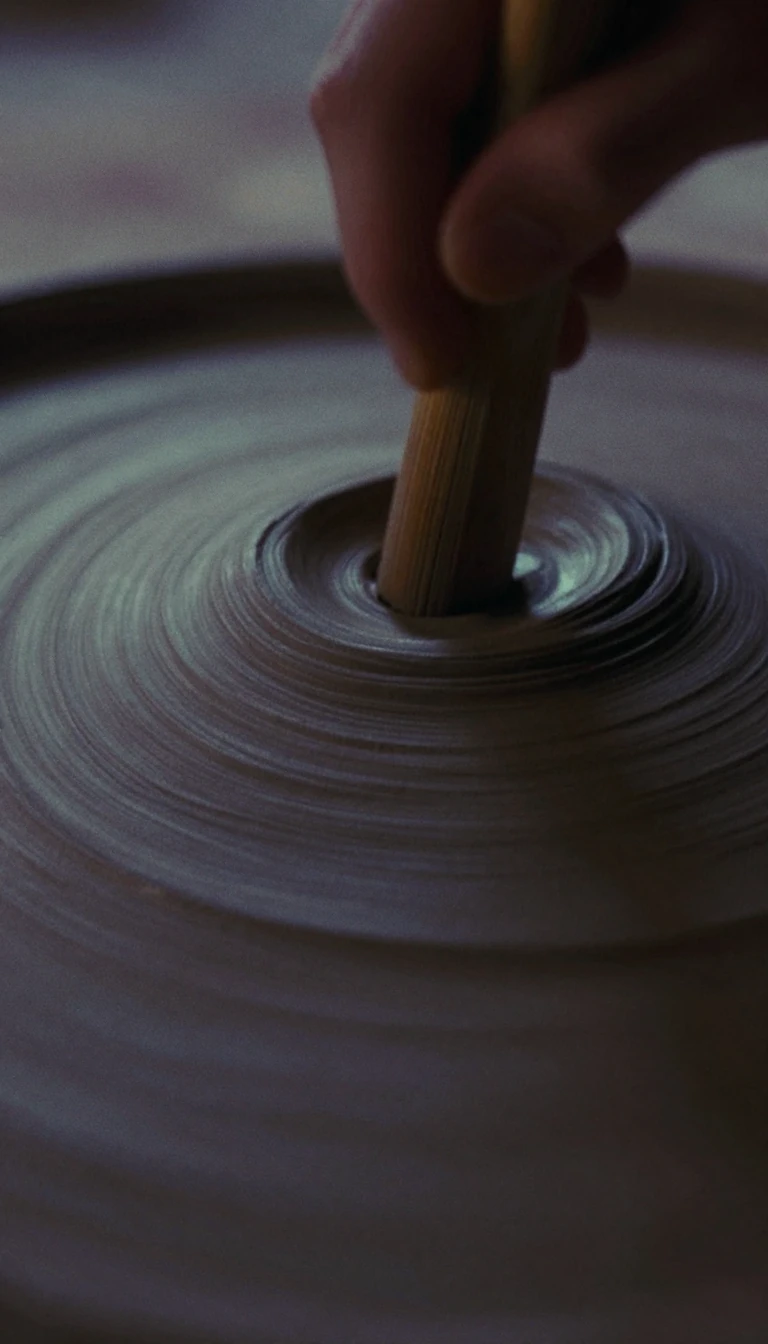
In short: Asemic writing is a form of expression that mimics the structure of language while intentionally avoiding specific meaning. By fusing text and image, it creates a universal, abstract experience that transcends linguistic barriers, allowing viewers to interpret the work through intuition rather than traditional literacy or vocabulary.
Asemic writing is defined as a wordless, open semantic form. The term itself signifies a lack of specific meaning or the absence of the smallest unit of significance. While it often resembles traditional calligraphy or scribbles, it functions as a shadow of conventional writing. True asemic works occur when the creator cannot read their own output, placing the viewer in a state between reading and looking.
The movement has deep historical roots, tracing back to Tang dynasty calligraphers like Zhang Xu and the monk Huaisu, who were famous for their illegible, wild cursive styles. In the 20th century, artists such as Man Ray, Henri Michaux, and Wassily Kandinsky experimented with wordless mark-making. By the 1950s, figures like Cy Twombly and the Lettrisme movement further expanded these concepts, laying the groundwork for the modern global movement that blossomed in the late 1990s.
Today, asemic writing is considered a post-literate style that draws inspiration from diverse sources, including alien languages in science fiction, graffiti, and primal scripts like children's drawings. Artists like Luigi Serafini, with his 1981 Codex Seraphinianus, and Xu Bing, with his 1980s work A Book from the Sky, have pushed the boundaries of what constitutes a text. While some critics, such as Travis Jeppesen, find the term problematic because it implies a total absence of meaning, proponents argue that these works serve as a universal language, putting people of all literacy levels on equal footing.
The practice is not merely an aesthetic choice but a tool for creative stimulation, meditation, and privacy. As technology advances, the frontier of the field continues to expand, with some speculating about the future of generative asemic writing or nanoasemic works inscribed by artificial intelligence. Ultimately, asemic art remains a bridge between the unconscious mind and the visual world, proving that even without words, a work can still communicate.
Opens the Intellect+ feed with this card first. Swipe up for the next one.
Sources
- Summary by Intellect · source: Asemic writing
To cite this card, link to https://intellectplus.co.uk/app/art-asemic-writing.
How we source, check and correct cards: Editorial standards.
General information, not professional advice. Spotted an error? Flag the card or see corrections and complaints.
Intellect Plus is a visual educational discovery platform for exploring fascinating facts and ideas. Brain Food, Not Brain Rot. What is Intellect Plus?
Related
More in Visual artists · More in Art · Latest · A–Z · All topics
