The art gallery is a modern invention that transformed art from ritual to investment.
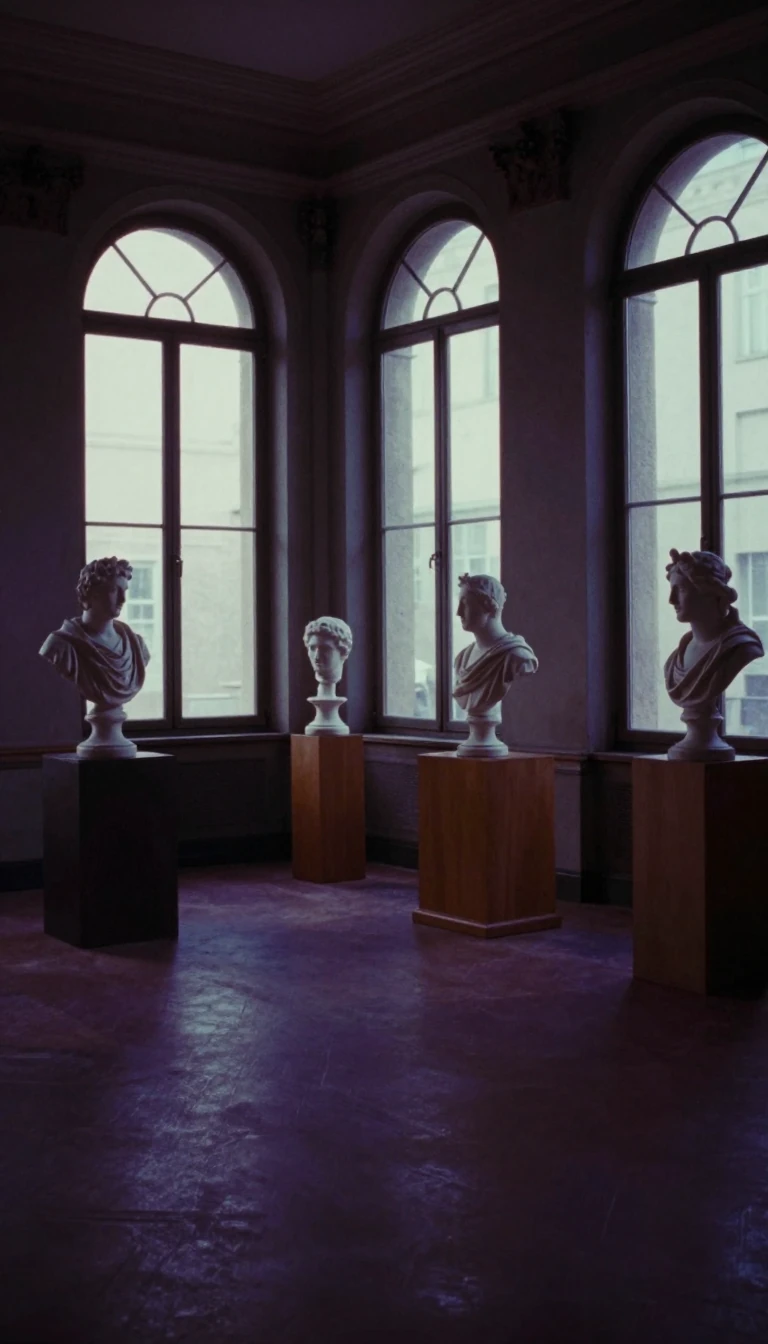
In short: While we associate galleries with quiet contemplation, they are actually high-stakes engines of the art market. From their origins as aristocratic status symbols to today's globalized commercial networks, these spaces define the value of fine art by bridging the gap between creative production and the demands of collectors.
The concept of the art gallery evolved from the long, narrow passages of 16th-century European palaces, where aristocracy displayed art to signal wealth and status. By the early modern period, between 1500 and 1800 CE, these spaces began to shift toward commercial exhibition. This transition required artists to overcome a cultural bias that viewed the sale of art as beneath the dignity of those pursuing intellectual crafts like music or poetry. By the Victorian era, commercial galleries were firmly established, catering to a growing public interest in owning aesthetic objects.
Today, the art gallery serves as the primary nexus connecting artists, collectors, and experts. Commercial galleries, often managed by a 'gallerist,' operate in the middle tier of the market, handling most transactions. Unlike auction houses that focus on celebrity artists, these galleries often work on consignment, splitting proceeds with the artist. The model popularized by Leo Castelli in the 20th century redefined the gallerist's role: rather than acting as a mere broker, the dealer became an active developer of an artist's career, often demanding exclusivity in exchange for promotion and market management.
The geography of these spaces is equally strategic. Historically, galleries clustered in marginal, low-rent neighborhoods—such as SoHo in New York City—where artists could afford to live and work. As these areas gentrified, galleries often moved, a cycle now frequently mimicked by local governments creating intentional arts districts to revitalize urban centers. Whether through permanent institutions, temporary 'popup' spaces, or global art fairs like Art Basel, the gallery remains the essential mechanism for maintaining the distinction between high culture and the broader market, ensuring that art remains both a cultural asset and a unique, monopolized commodity.
Opens the Intellect+ feed with this card first. Swipe up for the next one.
Sources
- Summary by Intellect · source: Art gallery
- Also: Art Institute of Chicago — New Maribor Art Gallery Site Model · CC0 (data); description CC BY 4.0
- Also: Art Institute of Chicago — F. H. Bresler Art Gallery, Milwaukee, Wisconsin, Interior Perspective · CC0 (data); description CC BY 4.0
To cite this card, link to https://intellectplus.co.uk/app/art-art-gallery.
How we source, check and correct cards: Editorial standards.
General information, not professional advice. Spotted an error? Flag the card or see corrections and complaints.
Intellect Plus is a visual educational discovery platform for exploring fascinating facts and ideas. Brain Food, Not Brain Rot. What is Intellect Plus?
Related
More in Cultural venues · More in Art · Latest · A–Z · All topics
