From royal treasure to public gallery: how art museums evolved into modern cultural hubs
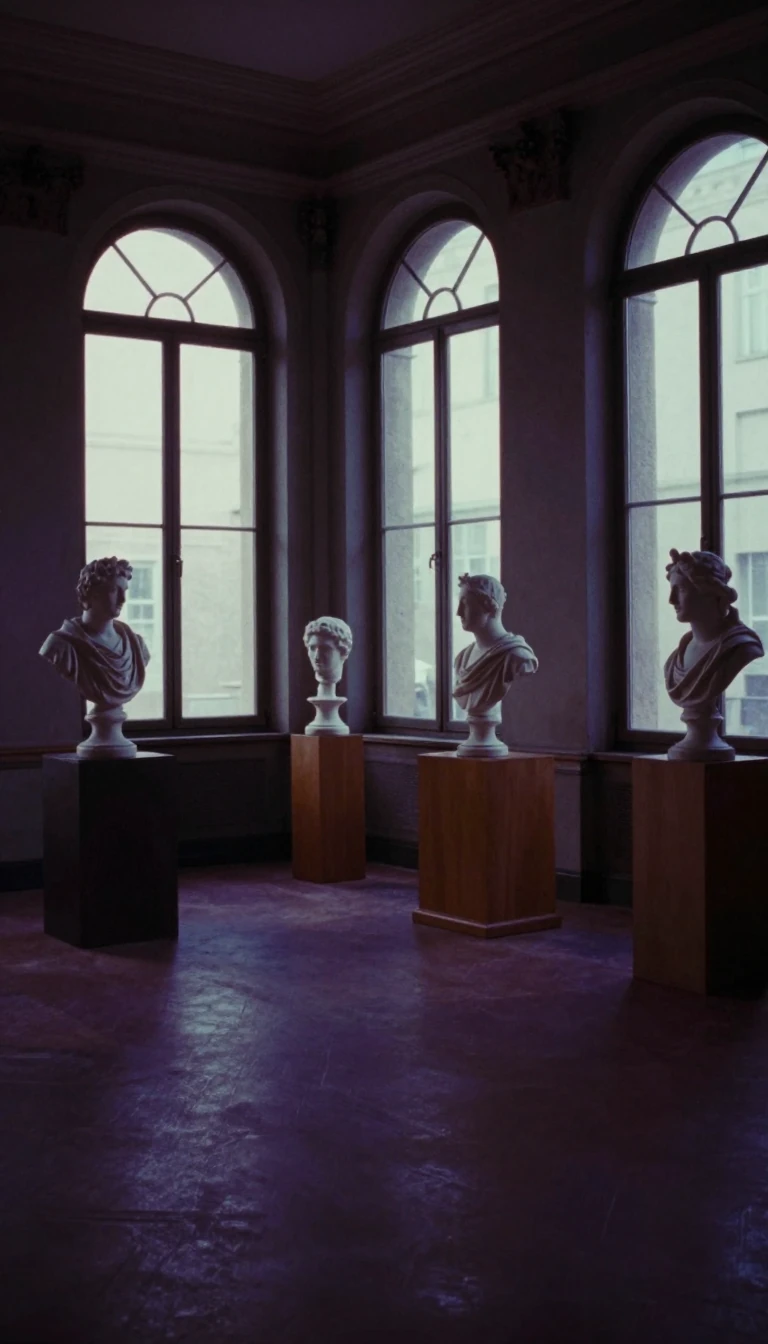
In short: Art museums were once exclusive domains for the elite, where access required specific social standing or even rented accessories. Today, these institutions serve as centers for research and public engagement, housing masterpieces that trace the history of human creativity while constantly evolving through new exhibitions and digital accessibility.
The evolution of the art museum reflects a shift from private ownership to public stewardship. Historically, art was commissioned by religious or political leaders and displayed in palaces or temples, often restricted to the social elite. In Europe, royal collections were sometimes made partially accessible, though entry often came with strict requirements, such as wearing specific apparel or carrying a sword. By the late 18th century, the landscape changed as royal collections were nationalized, and institutions like the Louvre in Paris opened to the public, marking a transition toward republican ownership.
Modern institutions like the Courtauld Gallery in London demonstrate the contemporary role of the museum as both a research center and a public venue. Located in the historic Somerset House, the Courtauld balances the preservation of iconic Impressionist masterpieces with dynamic, rotating displays. These range from solo exhibitions of contemporary painters like Salman Toor to focused studies on historical figures such as Winifred Gill or the workshop practices of Peter Paul Rubens. This blend of historical depth and modern curation ensures that museums remain active sites of discovery.
Beyond the physical walls, the concept of the museum is constantly being redefined. Artists like the Guerrilla Girls have challenged institutional ethics, while architects like Frank O. Gehry have reimagined the museum space itself, as seen in his 1990 concept sketch for the Frederick R. Weisman Art Museum. Today, digital tools like Bloomberg Connects further democratize access, allowing visitors to explore collections through mobile guides. Whether through the acquisition of new works or the re-examination of old ones, the art museum continues to function as a vital, shifting repository of culture.
Opens the Intellect+ feed with this card first. Swipe up for the next one.
Sources
- Summary by Intellect · source: Courtauld Gallery - Courtauld
- Also: Art museum
- Also: Art Institute of Chicago — Guerrilla Girls' Code of Ethics for Art Museums · CC0 (data); description CC BY 4.0
- Also: Frederick R. Weisman Art Museum, Minneapolis, Minnesota, Concept Sketch
To cite this card, link to https://intellectplus.co.uk/app/art-art-museum.
How we source, check and correct cards: Editorial standards.
General information, not professional advice. Spotted an error? Flag the card or see corrections and complaints.
Intellect Plus is a visual educational discovery platform for exploring fascinating facts and ideas. Brain Food, Not Brain Rot. What is Intellect Plus?
Related
More in Cultural venues · More in Art · Latest · A–Z · All topics
