Why your next audition is less of a test and more of a performance
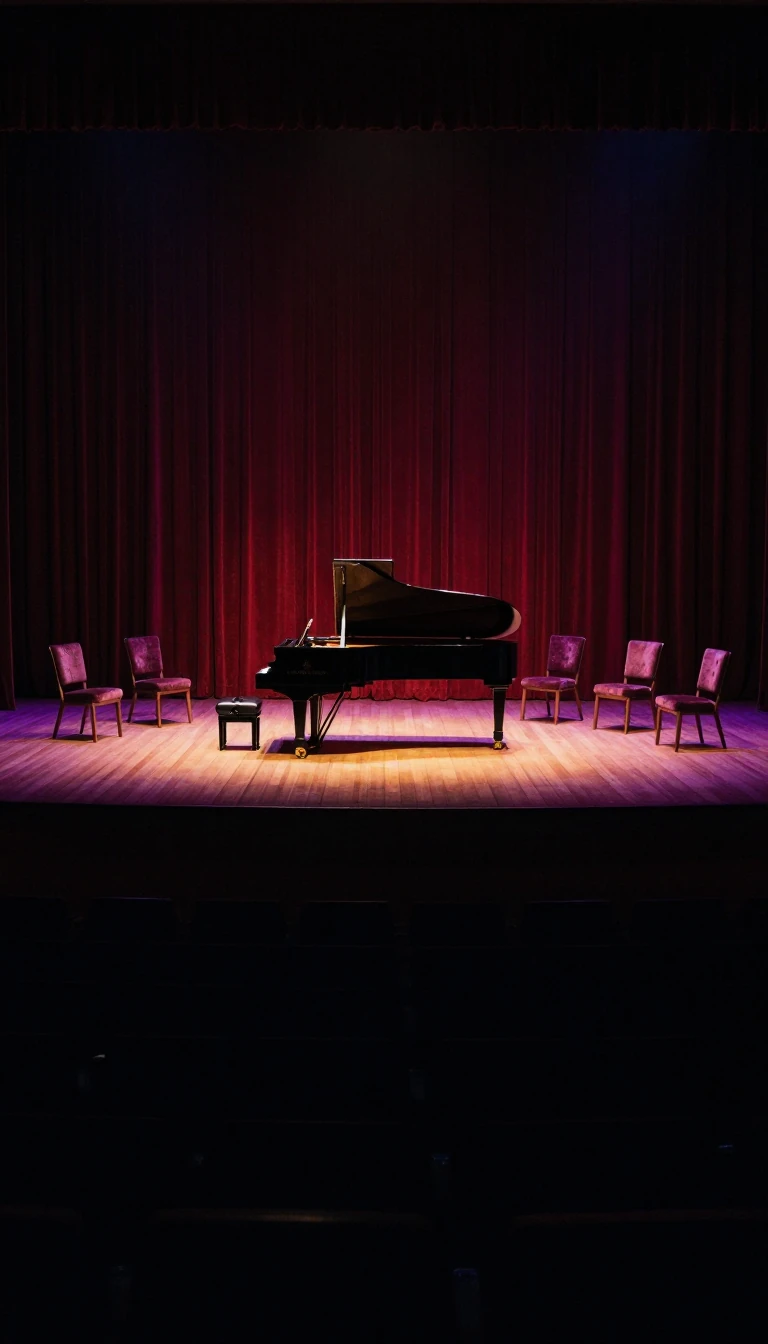
In short: An audition is a systematic process designed to reveal your potential, not just your current skill. Whether you are a musician or an actor, panels are looking for your unique voice and your ability to collaborate. Treat the room as a stage, stay flexible, and prepare to be yourself.
At elite institutions like the Royal Academy of Music, an audition serves as a gateway for both performance and academic assessment. The process is designed to be more than a technical check; it is an opportunity for the panel to understand what drives a candidate musically. While candidates often worry about the technical requirements of their repertoire, the panel is equally interested in the person behind the instrument. This is why many auditions include a discussion or an academic interview, allowing examiners to gauge a candidate's inspirations and musical tastes.
The logistics of a professional audition require significant preparation and adaptability. Candidates are often provided with a warm-up space and, in some cases, an accompanist to help them settle in. However, because rehearsal time is limited, complex or unfamiliar repertoire can present challenges. Panels generally consist of two or three examiners who aim to create a relaxed atmosphere, encouraging candidates to view the session as a performance rather than a sterile examination. In specialized fields like jazz, this might be followed by a written theory assessment, but for most, the focus remains on the interaction between the performer and the panel.
Beyond the immediate performance, auditions function as a high-stakes job interview. Industry professionals—including directors, producers, and casting agents—use these sessions to evaluate not just talent, but also 'type' and coachability. Whether it is a screen test for film or a live performance for an orchestra, the goal is to determine if a candidate can take direction and integrate into a professional environment. Success often hinges on the ability to remain composed under pressure, demonstrate professional skills, and show that you are someone who is easy to work with in a collaborative setting.
Ultimately, the audition is a tool for selection across the arts, from university programs to permanent roles in ensembles. While the format varies—ranging from in-person sessions to video submissions—the core objective remains constant: to assess potential. Candidates are encouraged to be prepared, hydrated, and ready for small disruptions, as the ability to stay flexible is often as important as the music or lines themselves.
Opens the Intellect+ feed with this card first. Swipe up for the next one.
Sources
- Summary by Intellect · source: Auditions | Royal Academy of Music
- Also: Audition
To cite this card, link to https://intellectplus.co.uk/app/art-audition.
How we source, check and correct cards: Editorial standards.
General information, not professional advice. Spotted an error? Flag the card or see corrections and complaints.
Intellect Plus is a visual educational discovery platform for exploring fascinating facts and ideas. Brain Food, Not Brain Rot. What is Intellect Plus?
Related
More in Theatre · More in Art · Latest · A–Z · All topics
