How Cantonese opera evolved from imperial prohibition to a modern subsidized art form
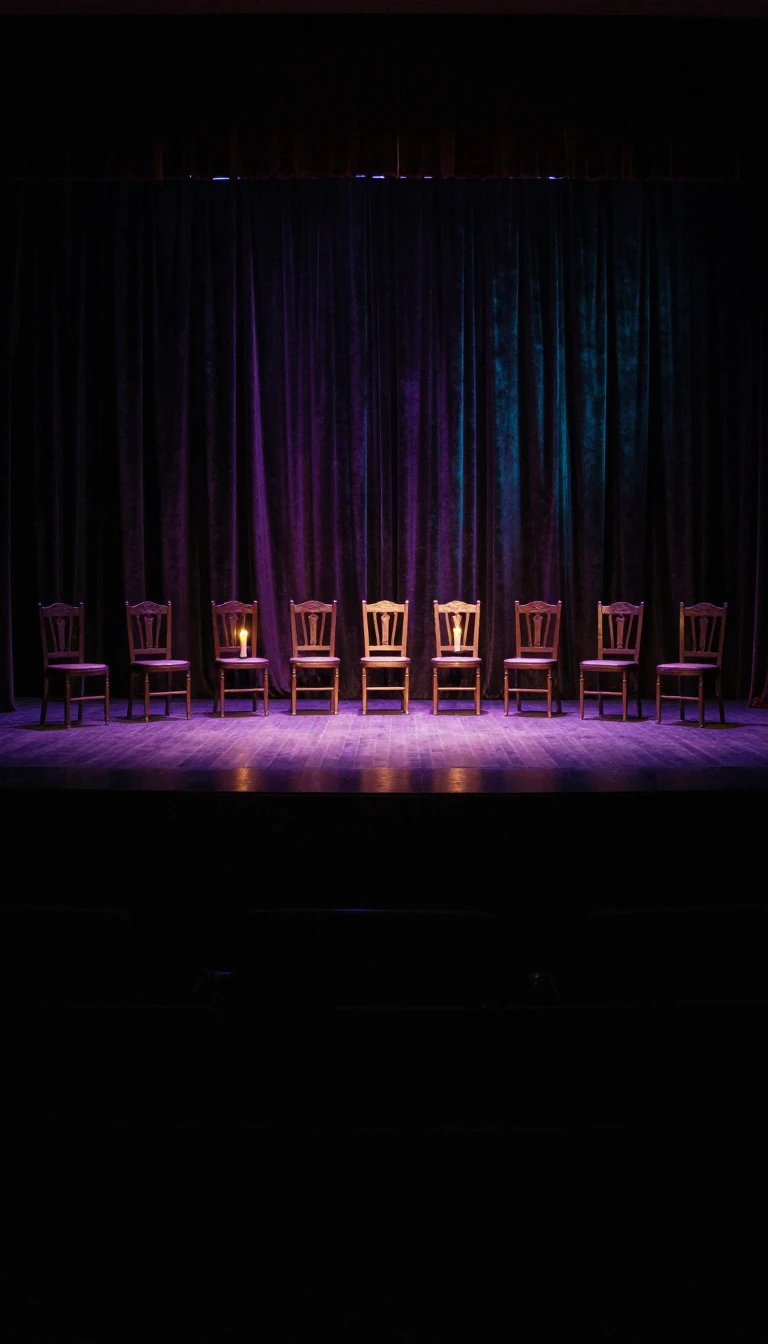
In short: Cantonese opera is a vibrant tradition of music, martial arts, and acrobatics that survived centuries of change. Once strictly all-male due to imperial law, the art form transformed through the rise of iconic female leads, shifting political landscapes, and the complex interplay between public funding and artistic legacy in Hong Kong.
Originating in the late 13th century as Southern Song dynasty performers fled the Mongol invasion, Cantonese opera became a cornerstone of cultural life in southern China. By the 18th century, the Qionghua Guild in Foshan anchored the art form, followed later by the Barwo Guild in Guangzhou. During the Ming and Qing dynasties, imperial laws mandated all-male troupes to preserve public morality, forcing men to master falsetto and feminine movements. This gender dynamic shifted dramatically in the 1920s and 1930s when actresses like Yam Kim-fai became superstars, popularizing the refined, romanticized aesthetic of female performers playing the civil-and-martial male lead role.
The 20th century brought further upheaval. In the 1950s, migration from Shanghai and government-backed promotional platforms in Hong Kong, such as Ta Kung Pao, helped solidify the genre as a staple of daily entertainment. However, the late 1960s saw a decline as television and cinema offered more convenient, affordable alternatives. As traditional venues like the Tai Ping and Ko Shing theatres were demolished, the art form faced a crisis of sustainability. In response, organizations like the Chinese Artists Association of Hong Kong and the Hong Kong Academy for Performing Arts began formalizing education, launching certificate and diploma courses by the late 1990s.
Today, the survival of Cantonese opera is deeply tied to public funding and the influence of veteran performers. While grants from the Hong Kong Arts Development Council and the Leisure and Cultural Services Department support new productions and youth education, the system is not without tension. Critics like Yuen Siu Fai have argued that readily available subsidies can foster financial irresponsibility, while others note that the industry remains heavily influenced by established figures who maintain control over the stage. Despite these internal debates, the genre continues to evolve, balancing the weight of historical tradition with the necessity of modern institutional support.
Opens the Intellect+ feed with this card first. Swipe up for the next one.
Sources
- Summary by Intellect · source: Cantonese opera
To cite this card, link to https://intellectplus.co.uk/app/art-cantonese-opera.
How we source, check and correct cards: Editorial standards.
General information, not professional advice. Spotted an error? Flag the card or see corrections and complaints.
Intellect Plus is a visual educational discovery platform for exploring fascinating facts and ideas. Brain Food, Not Brain Rot. What is Intellect Plus?
Related
More in Theatre · More in Art · Latest · A–Z · All topics
