 Intellect Plus
Theatre
34 cards. Each one is a 40-second story with a five-minute read behind it.
 The first time a human stood alone to play a characterBefore the first play was ever staged, performance was a collective ritual. It took a singular, revolutionary act in ancient Athens to birth the concept of the 'thespian'—the mome…
- How Christian devotion birthed a new cycle of Western dramaWhile Greek theatre grew from Dionysian worship, medieval performance emerged as an expression of the Christian religion. This shift created a distinct developmental cycle that wo…
- From Sanskrit Treatises to Modern Avant-Garde: The Evolution of Indian TheatreIndian theatre is not a monolith but a vast continuum spanning over two millennia. It evolved from rigid classical structures and ancient grammars into diverse folk forms, revolut…
- Why ancient Greek tragedies still resonate in the modern worldExplore the enduring power of Greek tragedy through a curated look at its defining characteristics. This film features academic experts and performance footage to explain why thes…
- A history defined by strikes, delays, and creative defianceThe National Theatre's legacy is not just one of artistic triumph, but of navigating significant logistical hurdles. This video explores how the institution handled major disrupti…
- The stock characters and masked traditions of Commedia dell'ArteExplore the foundational archetypes of Italian improvisational theatre. This film, created from a National Theatre workshop with Didi Hopkins, breaks down the physical shapes and …
- Can watching a play actually change the world outside of it?Most theatre asks you to sit back and observe a story. Augusto Boal’s Theatre of the Oppressed demands you step onto the stage. By turning spectators into performers, this radical…
- Theatre is an art of action, not just a literary exerciseWhile we often study plays as literature, theatre exists primarily in the moment of live performance. It is a precise orchestration of drama where the script serves as a foundatio…
 The Tony Awards: A Legacy of Broadway Excellence Named for a Forgotten PioneerEstablished in 1947, the Tony Awards celebrate the pinnacle of American theater. While the name is now synonymous with Broadway prestige, it honors Antoinette Perry, an actress an…
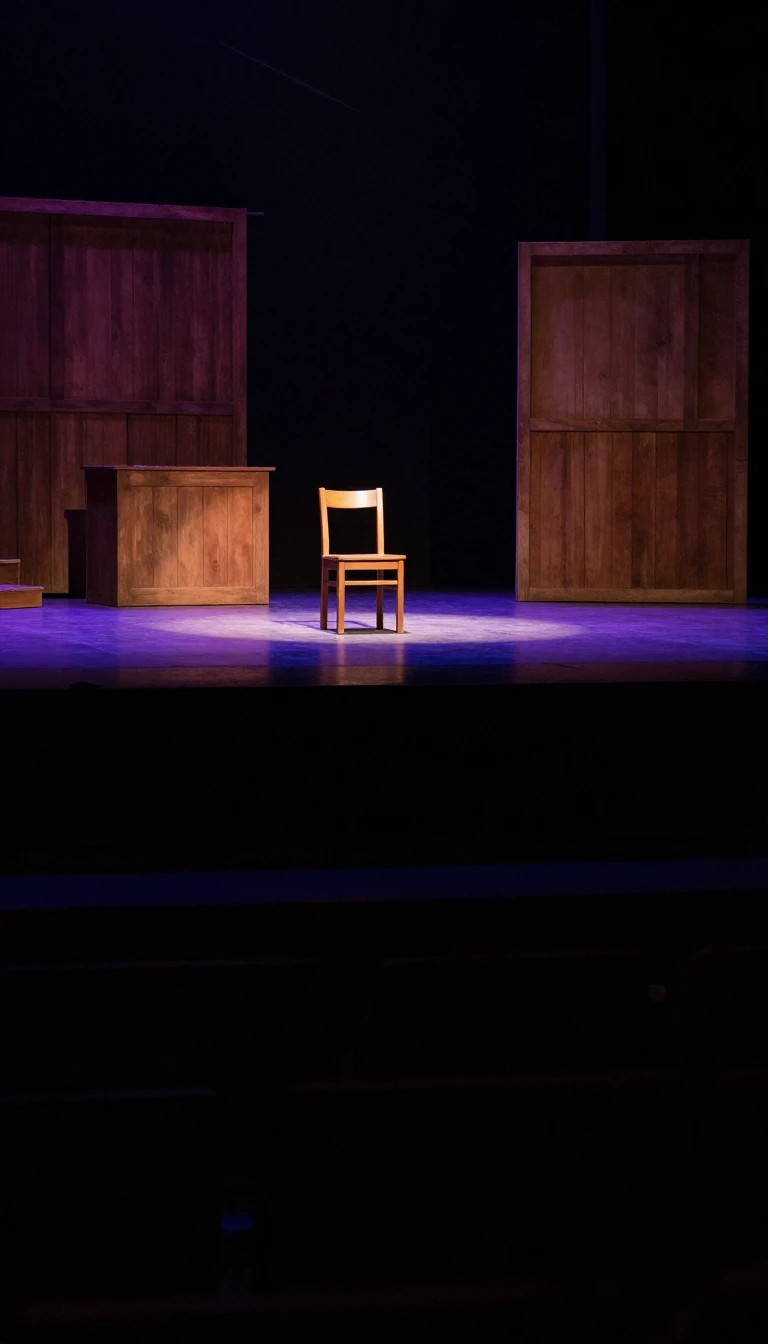 Beyond the amateur label: how community stages shape the future of professional actingAmateur theatre is often dismissed as a frivolous hobby, yet it serves as a vital training ground for the industry. Far from being merely a local pastime, these groups act as a sp…
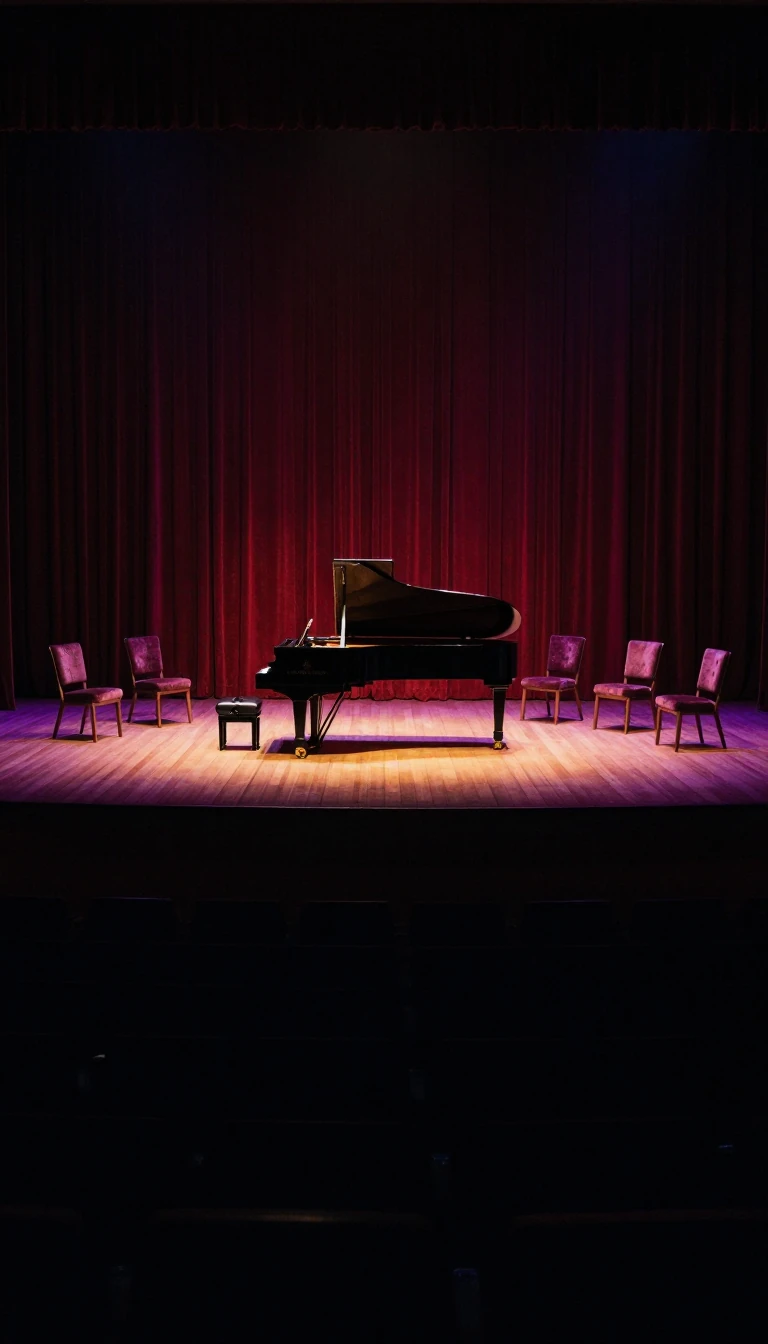 Why your next audition is less of a test and more of a performanceAn audition is a systematic process designed to reveal your potential, not just your current skill. Whether you are a musician or an actor, panels are looking for your unique voic…
- Butoh is a Japanese dance form that intentionally resists being defined or codified.Born in post-World War II Japan, butoh is a radical dance theatre movement that rejects traditional aesthetics in favor of the grotesque, the taboo, and the visceral. It is not a …
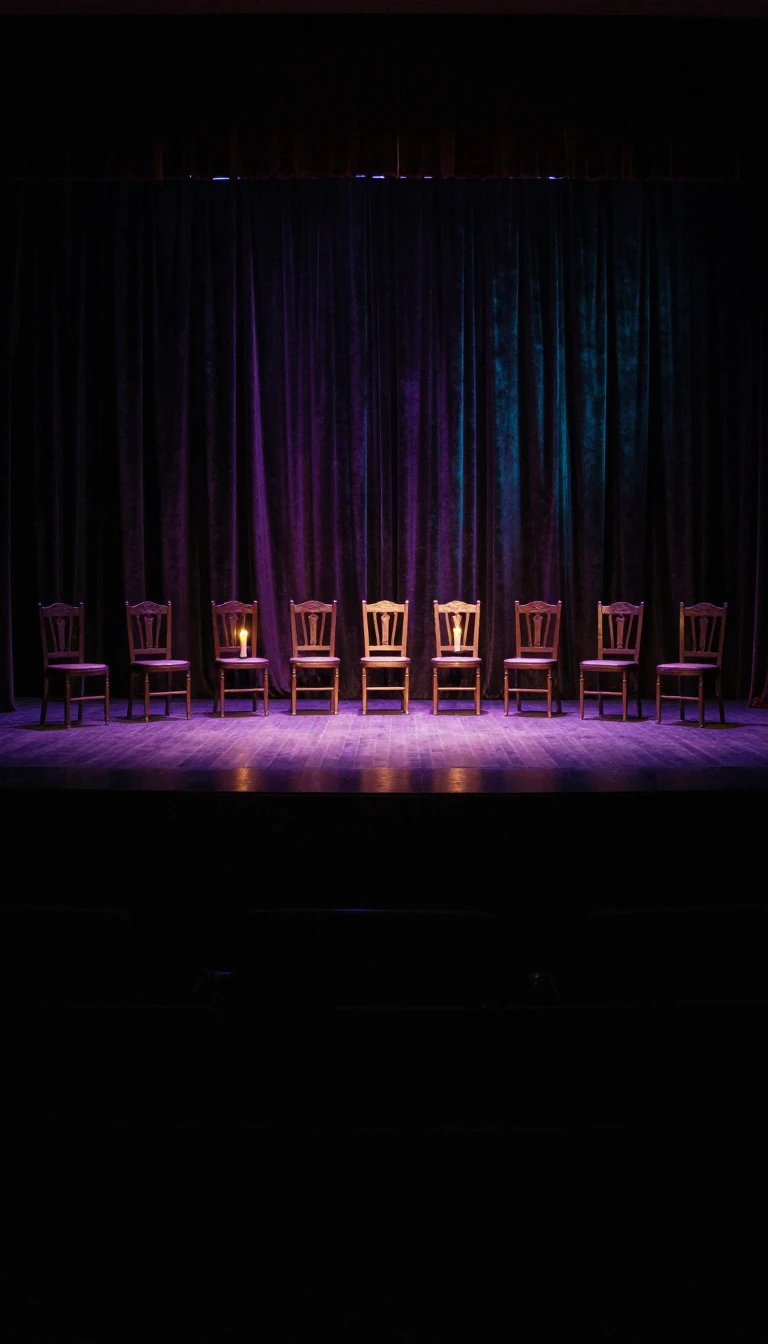 How Cantonese opera evolved from imperial prohibition to a modern subsidized art formCantonese opera is a vibrant tradition of music, martial arts, and acrobatics that survived centuries of change. Once strictly all-male due to imperial law, the art form transform…
 Beyond the mask: How Chinese opera evolved from ancient comic sketches to national identity.Chinese opera is not a single genre but a vast, millennium-old tapestry of musical theatre. From its humble origins as two-person comic sketches to the elaborate, face-painted spe…
- Are comedians wired differently? Science suggests a link between humor and specific personality traits.Comedy is an ancient craft, yet its practitioners remain a psychological enigma. A 2014 study suggests that the cognitive machinery required to generate humor shares surprising si…
 From ancient masks to 3D printing, how costume design shapes the theatrical worldCostume design is more than just clothing for performers; it is a vital visual language that defines status, personality, and historical context. From the ritualized masks of anci…
- A play is not just a script; it is a living, breathing, collaborative performance.We often mistake the text of a play for the theatre itself. But a script is merely raw material, like a musical score. True theatre emerges only when actors, directors, and design…
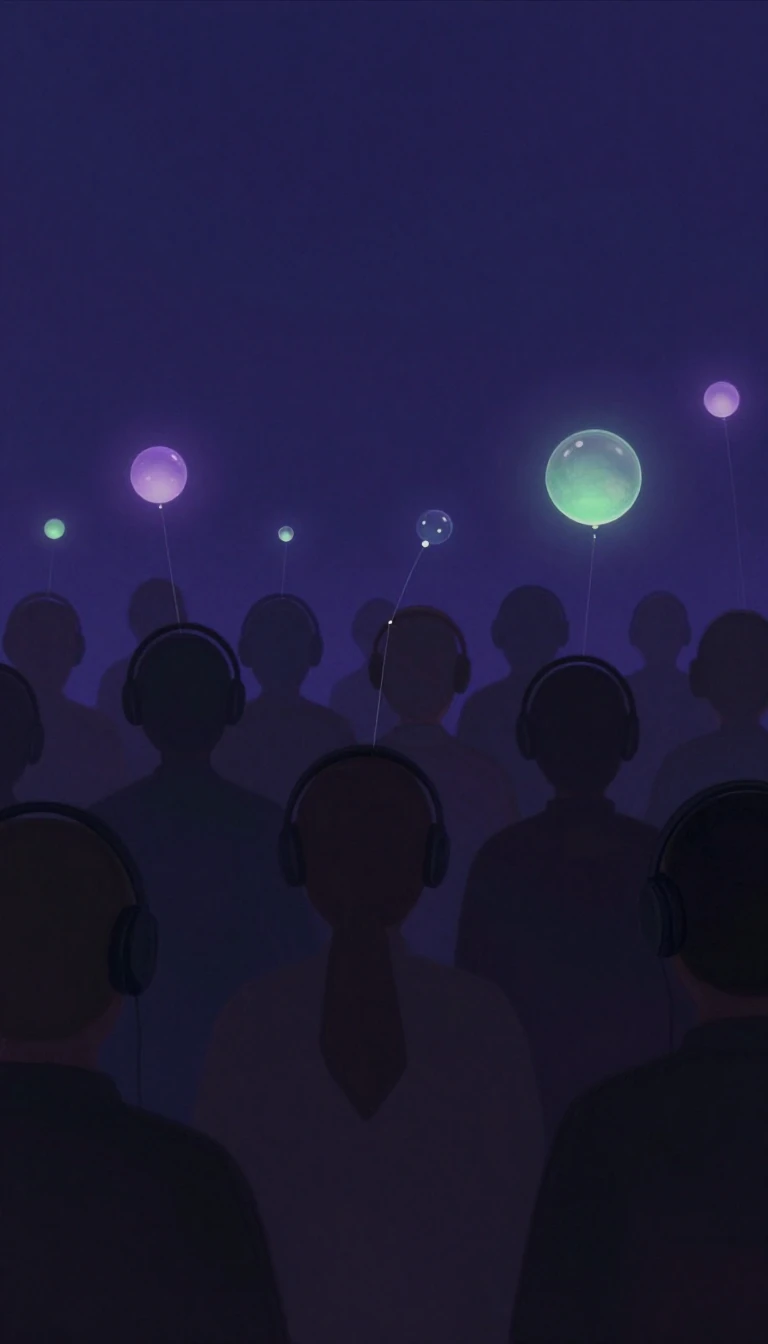 Why the modern impressionist relies on vocal fidelity rather than physical props or costumesThe art of the impressionist has evolved from the visual mimicry of the nineteenth century into a sophisticated display of vocal precision. While early performers relied on hats a…
- Why this ancient, water-polished opera is considered the ancestor of all Chinese theaterKunqu is a sophisticated blend of song, dance, and poetry that dominated Chinese stages for centuries. Known for its delicate, fluid melodies, this refined art form requires immen…
 The Renaissance masque was a high-stakes courtly spectacle designed to flatter the powerful.Originating from humble folk traditions of masked visitors, the masque evolved into an elaborate, state-sponsored performance. By the 17th century, these events combined mythologi…
 Why the most revealing stories are told by a single person on stageA monodrama is more than just a solo performance. Whether through the psychological depth of a dramatic monologue or the singular perspective of a character’s internal world, this…
 The monologue is not a derivative of dialogue; it is the ancestor of drama.We often think of the monologue as a character speaking to themselves, but its roots run much deeper. In the earliest days of Western theatre, the monologue was the default state …
 Operetta was the light, satirical, and melodic precursor to modern musical theatreBefore musicals dominated the stage, operetta offered a blend of spoken dialogue, dance, and song. Born in mid-19th-century France, this genre provided a lighter, more accessible …
 Why British pantomime is a chaotic, cross-dressing, audience-shouting, slapstick-filled Christmas traditionPantomime is a uniquely participatory British theatre form that blends fairy tales with slapstick, music, and gender-bending roles. Far from silent miming, it demands that audienc…
- How Eight Revolutionary Operas Became the Only Permitted Entertainment for Eight Hundred Million PeopleDuring China's Cultural Revolution, Jiang Qing engineered a radical theatrical transformation. By banning traditional Peking opera as bourgeois, she replaced it with eight model w…
 Scenic design is the art of building the world where a story unfolds.Scenic design is far more than just painting backdrops. It is a collaborative, technical, and artistic discipline that shapes the physical environment of a performance. From ancie…
 Scenography is not just set design; it is the art of crafting entire worlds.Forget simple backdrops. Scenography is a holistic practice that synthesizes light, sound, costume, and space to shape how an audience experiences a performance. It is an intellec…
- The noisy, wooden secret behind centuries of stage-bound physical comedySlapstick is more than just a pratfall; it is a centuries-old theatrical device designed to create maximum auditory chaos with minimal physical impact. By using a clever wooden pr…
- From candles to LEDs: How stage lighting shapes the drama of performanceStage lighting is far more than mere visibility. It is a precise craft that manipulates color, intensity, and direction to define the mood, time, and focus of a performance. From …
- The invisible architect of every performance is the stage manager, not the director.While directors craft the artistic vision, the stage manager is the absolute ruler of the production. From ancient Greek technicians to modern Broadway professionals, these expert…
- Why Roman theatre traded artistic depth for the roar of the crowdRoman theatre was less about high art and more about state-sponsored distraction. While Greek drama focused on serious inquiry, Roman authorities used festivals and spectacles to …
 From ancient spiritual rituals to 2.5D anime musicals, Japan’s theatre is a living evolution.Japanese theatre spans centuries, balancing the rigid, mask-heavy traditions of Noh with the explosive, modern energy of 2.5D musicals. While Tokyo now stands as a global theatric…
- Xiangsheng is the rapid-fire Chinese comedy tradition that mirrors the soul of societyOften called crosstalk, this traditional performing art relies on sharp banter, puns, and four core skills: speaking, imitating, teasing, and singing. While it evolved from street…
- How a humble rural folk art became China's second most popular opera genre.Born from the songs of farmers in 1906, Yue opera transformed from a mobile, rustic performance into a sophisticated, female-dominated art form. By blending regional ballads with …