How W. G. Sebald’s final novel blurs the line between historical fact and fiction
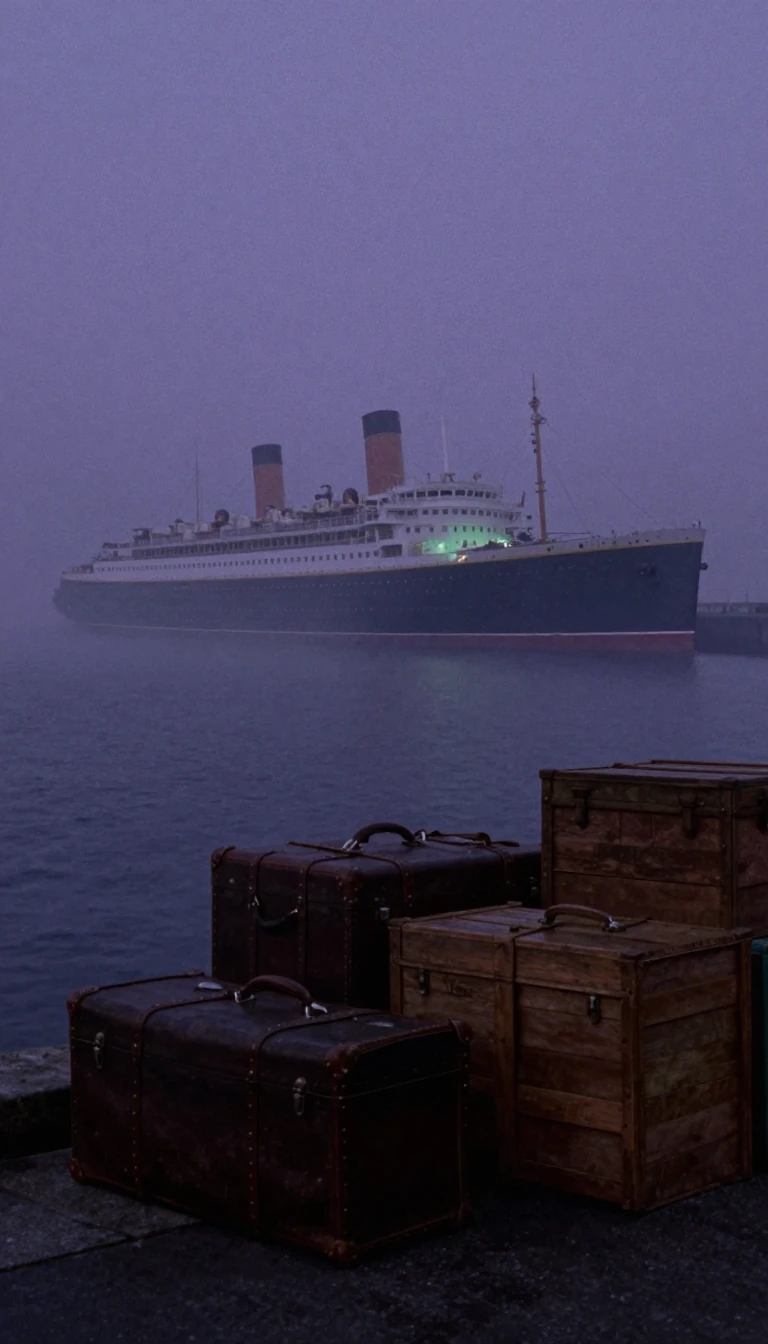
In short: In his 2001 masterpiece Austerlitz, W. G. Sebald weaves a haunting narrative about an architectural historian discovering his origins as a Kindertransport refugee. By blending real photographs with invented circumstances, the novel challenges how we perceive memory, history, and the way archives can both preserve and entomb our past.
The novel follows Jacques Austerlitz, who arrives in Britain as an infant in 1939. Raised by a Welsh preacher, he only begins to confront his identity after a nervous breakdown leads him to Prague. There, he uncovers the tragic fate of his mother, an actress deported to the Theresienstadt Ghetto, and embarks on a journey to reconcile his fragmented past with the physical remnants of European history.
Formally, the book is a radical departure from traditional fiction. It lacks paragraphing, utilizes digressive storytelling, and features exceptionally long, complex sentences—one of which spans seven and a half pages. Sebald further complicates the reader's experience by scattering real, evocative photographs throughout the text. While these images are authentic, the contexts Sebald provides for them are fictional, leading critic James Wood to describe them as "fictional twice over."
Sebald’s narrative is deeply concerned with the architecture of memory. He explores how locations like the Bibliothèque nationale de France or Liverpool Street Station serve as vessels for lost time. The novel’s structure mirrors this preoccupation, often drawing on real-world research, such as H. G. Adler’s 1995 study of Theresienstadt, to anchor its melancholy exploration of a vanished European civilization. By the end of the narrative, the reader is left questioning the nature of truth in literature.
The book has achieved significant critical acclaim, winning the 2001 National Book Critics Circle Award and the 2002 Independent Foreign Fiction Prize. It continues to be recognized as a landmark of contemporary literature, ranking highly on 21st-century best-of lists. Through its unique synthesis of history, photography, and prose, Austerlitz remains a profound meditation on the persistence of the past.
Opens the Intellect+ feed with this card first. Swipe up for the next one.
Sources
- Summary by Intellect · source: Austerlitz (novel)
To cite this card, link to https://intellectplus.co.uk/app/art-austerlitz-novel.
How we source, check and correct cards: Editorial standards.
General information, not professional advice. Spotted an error? Flag the card or see corrections and complaints.
Intellect Plus is a visual educational discovery platform for exploring fascinating facts and ideas. Brain Food, Not Brain Rot. What is Intellect Plus?
Related
More in Literature · More in Art · Latest · A–Z · All topics
