Why the portrait bust became the ultimate status symbol of the ancient world
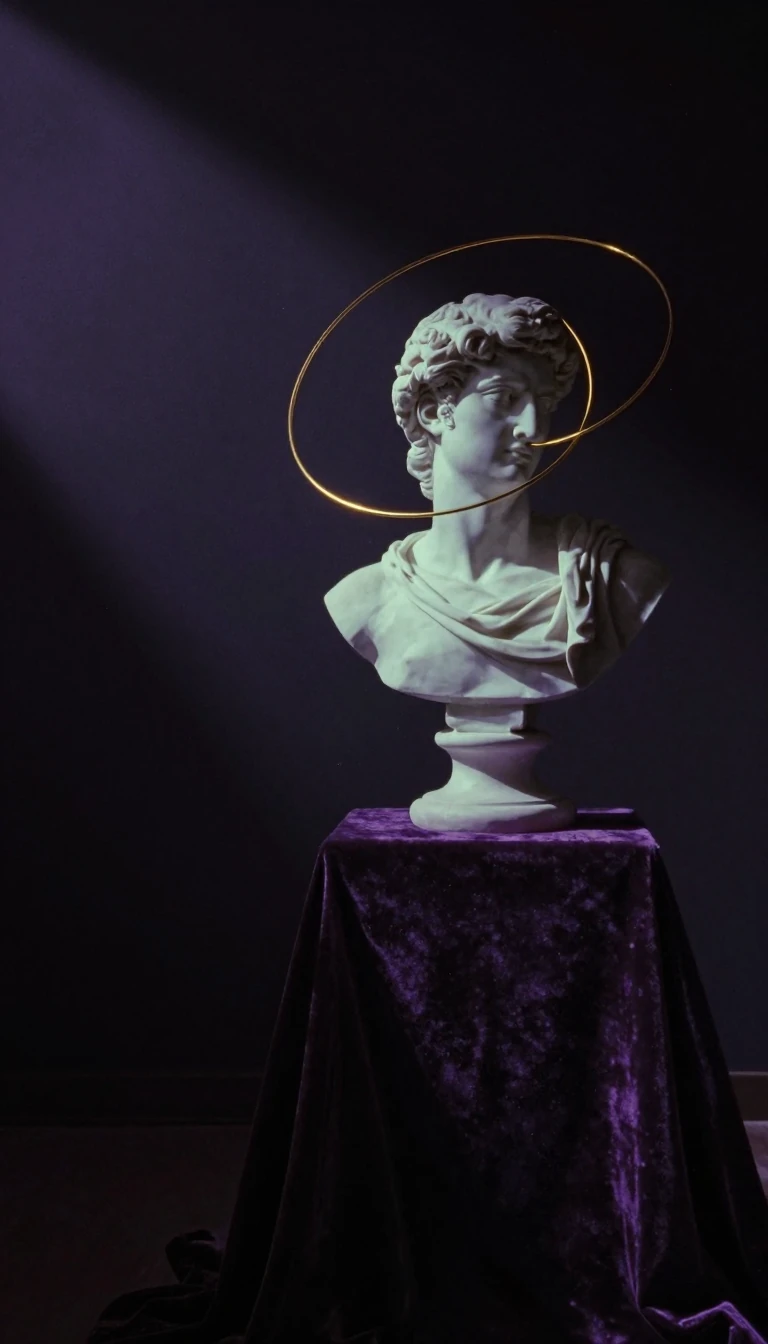
In short: A bust is more than just a head on a stand. By capturing the upper torso and face, this sculptural format offered a cost-effective, space-saving alternative to full-length statues. From Roman funeral masks to Baroque masterpieces, the bust has served as a powerful tool for recording identity and social prestige.
The portrait bust originated as a Hellenistic Greek innovation, though it reached its true cultural zenith in Rome. Roman patrician families famously maintained wax masks of their ancestors, which were worn by actors during funeral processions to honor the deceased. These ancestral portraits, known as imagines maiorum, were essential markers of status, eventually evolving from temporary wax effigies into permanent stone or bronze sculptures that defined the identity of the Equestrian order.
While the format is often associated with classical antiquity, it has been adapted for diverse purposes throughout history. In the medieval period, for instance, busts were occasionally repurposed as reliquaries, such as the gold-encased Bust of Charlemagne created around 1350. By the Baroque era, the style became a hallmark of elite portraiture. Sculptors like Gian Lorenzo Bernini revolutionized the form, often working from paintings rather than live subjects, as seen in his 1638 commission for King Charles I of England.
The bust also became a vehicle for complex social and political narratives. In the 19th century, artists like Charles Henri Joseph Cordier used the format to explore ethnographic themes, though often through the lens of contemporary racial theories and colonial aesthetics. His 1851 work, Bust of a Woman, illustrates how the medium could blend classical artistic conventions with the era's pseudoscientific preoccupations. Today, the scale of the medium varies wildly, from intimate desk-sized portraits to the massive 112-foot Adiyogi Shiva statue in India, which stands as the largest example of the form in the world.
Opens the Intellect+ feed with this card first. Swipe up for the next one.
Sources
- Summary by Intellect · source: Bust (sculpture)
- Also: Art Institute of Chicago — Bust of a Woman · CC0 (data); description CC BY 4.0
To cite this card, link to https://intellectplus.co.uk/app/art-bust-sculpture.
How we source, check and correct cards: Editorial standards.
General information, not professional advice. Spotted an error? Flag the card or see corrections and complaints.
Intellect Plus is a visual educational discovery platform for exploring fascinating facts and ideas. Brain Food, Not Brain Rot. What is Intellect Plus?
Related
More in Visual arts · More in Art · Latest · A–Z · All topics
