The Hindi novel that defined a nation's literary blockbuster culture
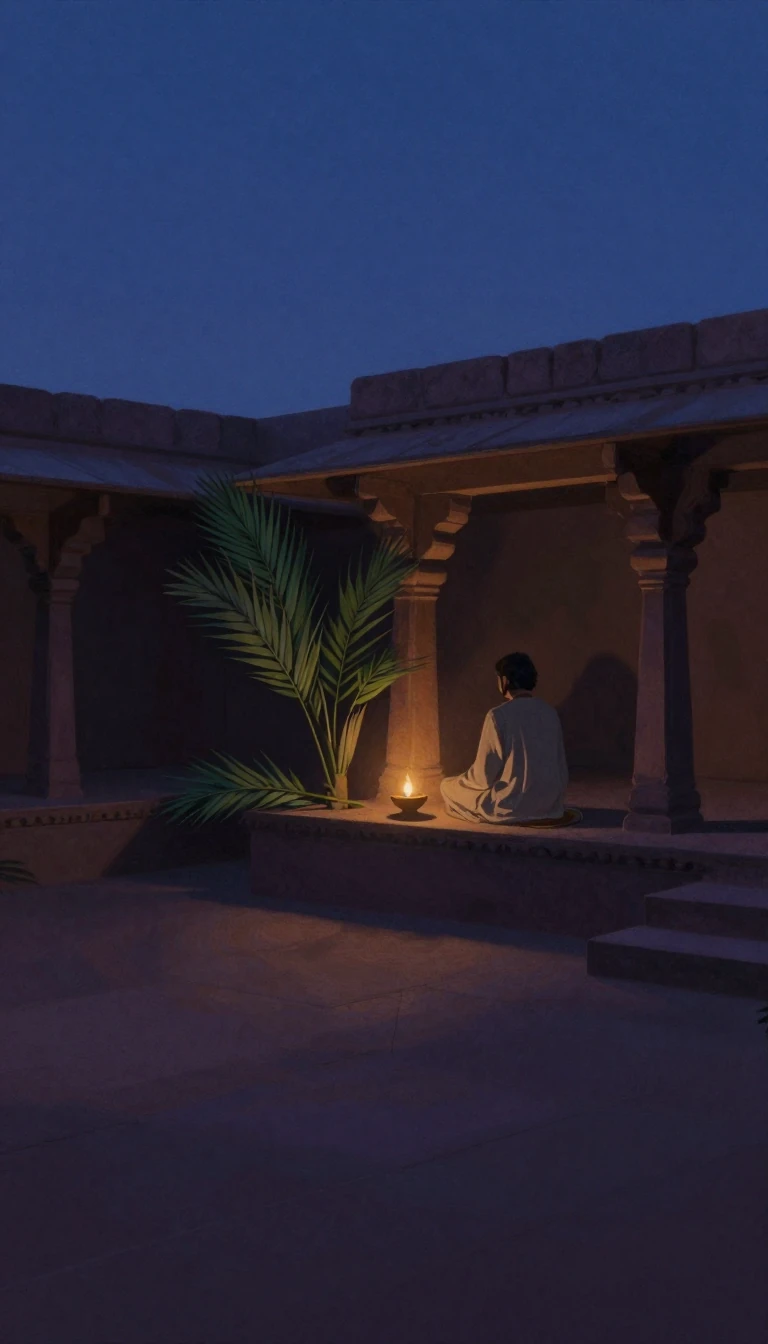
In short: Before the era of modern cinema, a single book sparked a cultural phenomenon in India. Published in 1888, Chandrakanta wasn't just a story; it was the first modern Hindi novel to achieve massive commercial success, establishing a blueprint for fantasy and romance that still dominates the screen today.
Published in 1888 by Devaki Nandan Khatri, Chandrakanta is recognized as the first modern Hindi novel. Its massive popularity contributed significantly to the growth and prestige of the Hindi language. The narrative is a romantic fantasy centered on the forbidden love between Princess Chandrakanta of Vijaygarh and Prince Virendra Singh of Naugarh. The plot is driven by the rivalry between these kingdoms and the villainous schemes of Krur Singh, a court member who seeks to seize the throne, and King Shivdutt of Chunargarh.
The novel is famous for its intricate world-building, specifically the concept of the 'tilism'—a magical labyrinth or enchantment. A major portion of the narrative focuses on the efforts of Prince Virendra Singh to break these tilisms to rescue the kidnapped princess. These adventures are often aided by 'ayyars,' a class of fictional spies or adventurers, with the character Umro Ayyar serving as a primary inspiration for the trope. The story's enduring appeal is evidenced by its sequels, most notably the seven-book Chandrakanta Santati series, which follows the adventures of the protagonists' children.
The cultural footprint of Chandrakanta extends far beyond the printed page. In the mid-1990s, Nirja Guleri produced a mega-budget television serial based on the book that became one of the biggest blockbusters in Indian television history. Despite numerous adaptations—including a planned but never-filmed movie titled Taalismaan starring Amitabh Bachchan and Abhishek Bachchan—the core elements of the novel continue to be reimagined. While many modern TV shows like 'Kahani Chandrakanta Ki' or the Colors TV series deviate significantly from Khatri's original text, the name remains a cornerstone of Indian popular fantasy.
The novel's status as a cultural landmark is cemented by its transition into the public domain in 1964. It serves as a primary example of how vernacular literature can evolve into a multi-media franchise. From its roots in the fort of Chunar, which inspired Khatri's writing, to its status as a bestseller, Chandrakanta represents the birth of a specific brand of Indian popular fiction that blends high-stakes romance with mystical, labyrinthine obstacles.
Opens the Intellect+ feed with this card first. Swipe up for the next one.
Sources
- Summary by Intellect · source: Chandrakanta (novel)
To cite this card, link to https://intellectplus.co.uk/app/art-chandrakanta-novel.
How we source, check and correct cards: Editorial standards.
General information, not professional advice. Spotted an error? Flag the card or see corrections and complaints.
Intellect Plus is a visual educational discovery platform for exploring fascinating facts and ideas. Brain Food, Not Brain Rot. What is Intellect Plus?
Related
More in Fantasy literature · More in Art · Latest · A–Z · All topics
