Why the world's most famous concert hall keeps a permanent layer of dust
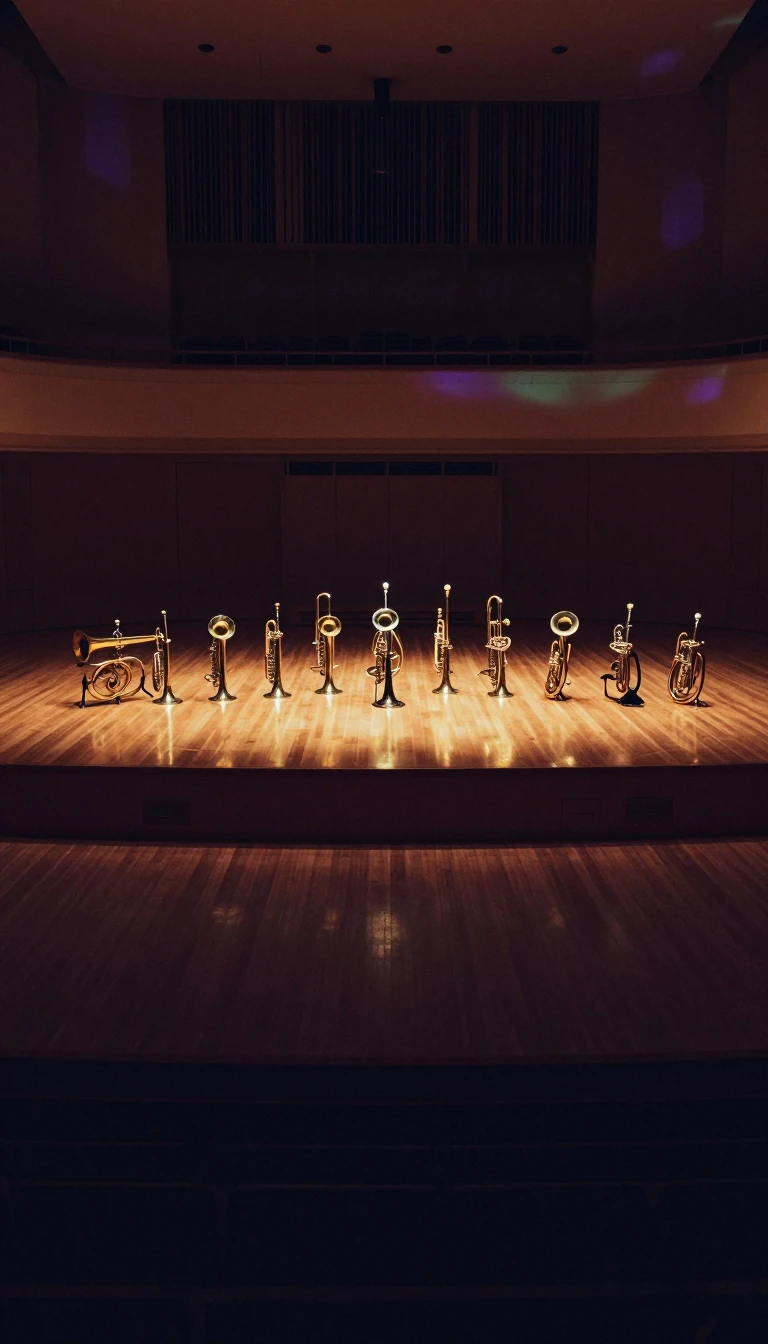
In short: The Royal Concertgebouw in Amsterdam is celebrated for acoustics so precise that even cleaning the dust from its walls could ruin the sound. Built on thousands of wooden piles in a former pasture, this architectural marvel has survived sinking foundations and shifting city borders to remain a global musical landmark.
Designed by Adolf Leonard van Gendt and inspired by Leipzig’s Gewandhaus, the Concertgebouw opened in 1888. Its Main Hall, with a reverberation time of 2.2 seconds when occupied, is considered ideal for late Romantic works like those of Mahler. This acoustic perfection is so delicate that the hall’s management intentionally leaves dust undisturbed in certain areas, fearing that cleaning could alter the sound profile that places it alongside Carnegie Hall and the Musikverein.
The building’s history is defined by its precarious relationship with the damp Amsterdam soil. By 1983, the structure was literally sinking, with cracks appearing in the walls. This necessitated a massive restoration project beginning in 1985, during which the original 2,186 rotting wooden piles were replaced with concrete pillars. Architect Pi de Bruijn also added a modern annex, providing a new entrance and expanded rehearsal spaces that the original 19th-century design lacked.
While the hall is now synonymous with classical music, its history is surprisingly varied. Despite its acoustics being largely unsuited for amplification, legendary rock acts including Led Zeppelin, Pink Floyd, and The Who performed there during the 1960s. Today, the venue hosts approximately 900 events annually for over 700,000 visitors. It remains a site of cultural significance, even navigating modern controversies, such as the 2025 rescheduling of a Hanukkah concert due to the involvement of an Israeli Defense Forces representative.
The building's prestige was formally recognized in 2013 when Queen Beatrix granted it the royal title 'Koninklijk' on its 125th anniversary. From its inaugural concert featuring 120 musicians and 500 singers to its role as the home of the Royal Concertgebouw Orchestra, the hall continues to serve as a cornerstone of the international musical landscape, balancing its rigid acoustic requirements with the demands of a modern, global audience.
Opens the Intellect+ feed with this card first. Swipe up for the next one.
Sources
- Summary by Intellect · source: Concertgebouw, Amsterdam
To cite this card, link to https://intellectplus.co.uk/app/art-concertgebouw-amsterdam.
How we source, check and correct cards: Editorial standards.
General information, not professional advice. Spotted an error? Flag the card or see corrections and complaints.
Intellect Plus is a visual educational discovery platform for exploring fascinating facts and ideas. Brain Food, Not Brain Rot. What is Intellect Plus?
Related
More in Cultural venues · More in Art · Latest · A–Z · All topics
