From intimate jazz basements to massive stadiums, architecture dictates how we experience live music.
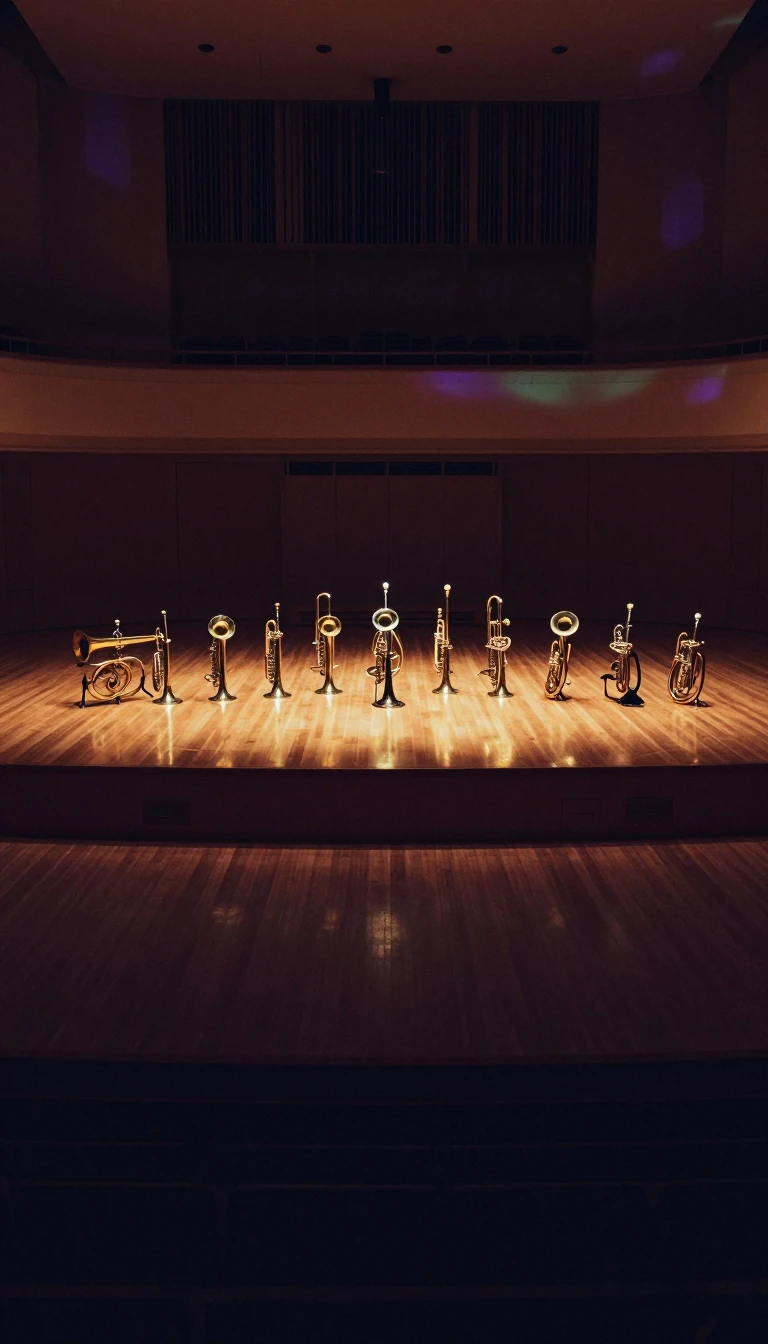
In short: A music venue is more than a stage; it is a carefully engineered environment designed to shape sound and social interaction. Whether it is a tiny, basement-level jazz club or a sprawling, pyrotechnic-filled stadium, the physical space defines the relationship between the performer and the audience in profound, often invisible ways.
The evolution of music venues reflects shifting cultural priorities and technological advancements. In the 18th and 19th centuries, opera houses were built as massive, U-shaped monuments to prestige, often seating thousands. These structures utilized specific architectural features like orchestra pits and tiered balconies to balance acoustics and social hierarchy. Even today, major opera houses like the Metropolitan Opera in New York or London's Royal Opera House employ highly mechanized stages that allow for rapid, complex set changes during live performances.
Conversely, the rise of stadium rock in the 1960s transformed the concert experience into a large-scale spectacle. Triggered by the 1965 Beatles performance at Shea Stadium, this shift was fueled by the development of powerful amplification systems that could fill vast, open-air spaces. This era introduced the staples of modern arena shows: sophisticated lighting, pyrotechnics, and massive crowds. While these venues prioritize scale, other spaces like jazz clubs have moved in the opposite direction. Once popular in large rooms for swing-era dancers, jazz clubs transitioned into smaller, intimate settings as the music evolved into a listening-focused art form.
Grassroots venues remain the foundation of the global music ecosystem, yet they face significant volatility. A recent assessment by a UK legislative body highlighted the fragility of this sector, noting that the UK lost over ten percent of its grassroots music spaces in a single year. These smaller locations—ranging from pubs to dedicated live houses—serve as essential incubators for new talent, proving that the most vital musical experiences often occur in the most modest, unadorned rooms.
Ultimately, the design of a venue dictates the performance. Whether it is the acoustic reflection of a bandshell, the intimate proximity of a black box theater, or the sheer capacity of a stadium, the architecture serves as an instrument itself. By controlling sightlines, sound reinforcement, and social atmosphere, these spaces dictate whether a performance is a communal dance, a focused recital, or a grand, sensory-heavy event.
Opens the Intellect+ feed with this card first. Swipe up for the next one.
Sources
- Summary by Intellect · source: Music venue
To cite this card, link to https://intellectplus.co.uk/app/art-music-venue.
How we source, check and correct cards: Editorial standards.
General information, not professional advice. Spotted an error? Flag the card or see corrections and complaints.
Intellect Plus is a visual educational discovery platform for exploring fascinating facts and ideas. Brain Food, Not Brain Rot. What is Intellect Plus?
Related
More in Cultural venues · More in Art · Latest · A–Z · All topics
