Can a modern author manufacture a genuine myth, or is it just clever artifice?
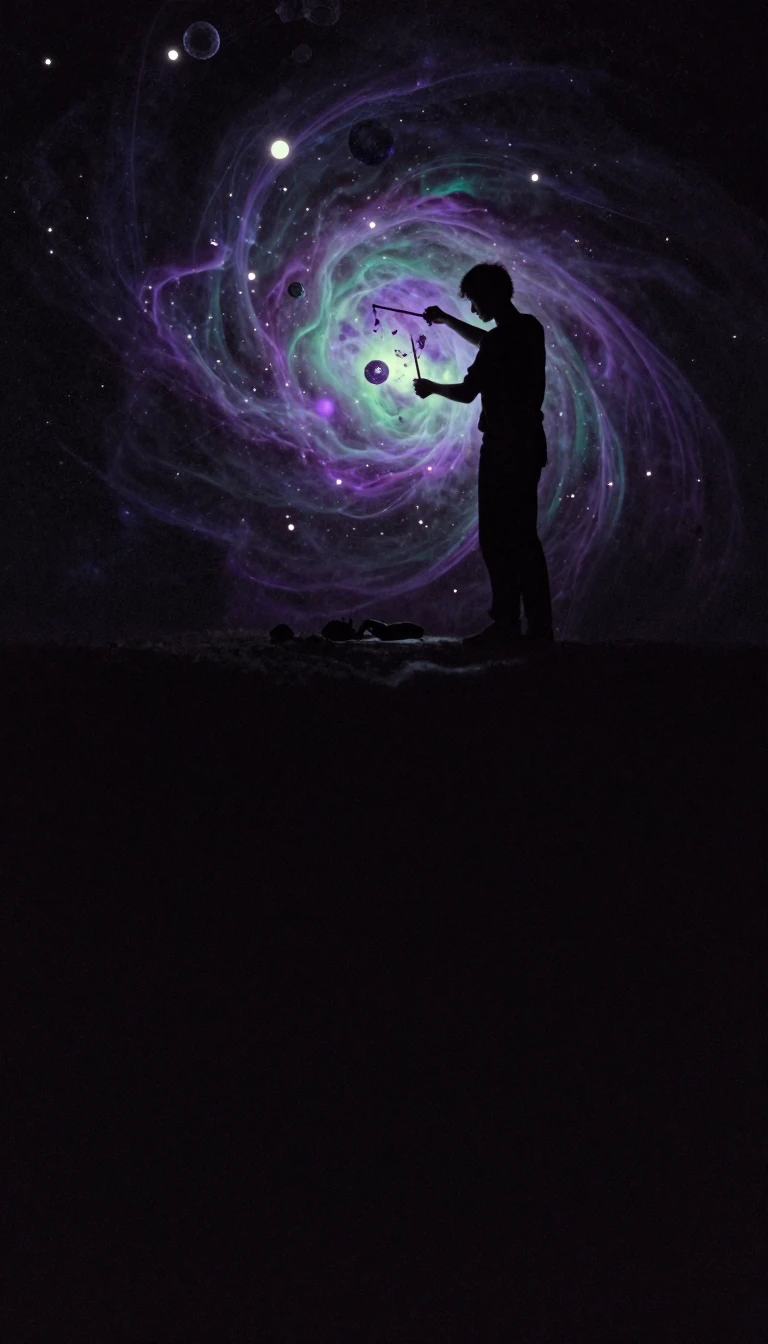
In short: Mythopoeia is the deliberate creation of an artificial mythology. While ancient myths evolved naturally through culture, modern writers like J.R.R. Tolkien and H.P. Lovecraft have engineered their own. Critics argue these are mere literary inventions, yet they fill a profound void for meaning in our increasingly rational, fragmented world.
The term mythopoeia, meaning 'myth-making,' was first recorded in 1846. While many stories contain mythic elements, the genre is defined by a dense, self-referential structure. J.R.R. Tolkien, who popularized the concept in the 1930s, viewed the author as a 'little maker' who wields a 'small golden sceptre' to rule a 'subcreation'—a secondary world built within God's primary reality. For Tolkien, this process was deeply tied to language, which he saw as the essential tool for channeling this creative power.
Modernist writers often utilized myth as a deliberate aesthetic strategy to impose order on a world defined by spiritual uncertainty and alienation. Figures like T.S. Eliot and James Joyce employed a 'Mythical Method' to bridge the gap between secular materialism and dogmatic religion. This approach is not limited to literature; filmmakers like George Lucas have consciously adopted classic mythological motifs to craft narratives that resonate with the collective imagination, effectively functioning as modern-day epic myth-making.
However, the legitimacy of these creations remains contested. Folklorist Alan Dundes argued that because these works do not evolve naturally from a culture's sacred tradition, they are merely 'artificial myths' or artifice. Conversely, proponents like Phillip Stambovsky suggest that mythopoeia provides vital relief from existential dread. Whether through the space operas of the band Magma, the 'Gizzverse' of King Gizzard & the Lizard Wizard, or the established legendarium of Middle-earth, these authors are attempting to provide a sense of independent worth and meaning in a rapidly changing society.
Ultimately, mythopoeia reflects a human desire to reclaim the power of the enchanter. By inventing new gods, languages, and geographies, writers and artists attempt to re-enchant the world. As Joseph Campbell noted, while culture may be changing too quickly for a single, unified mythological framework to emerge, the ongoing impulse to create these stories remains a fundamental aspect of the human experience.
Opens the Intellect+ feed with this card first. Swipe up for the next one.
Sources
- Summary by Intellect · source: Mythopoeia
To cite this card, link to https://intellectplus.co.uk/app/ideas-mythopoeia.
How we source, check and correct cards: Editorial standards.
General information, not professional advice. Spotted an error? Flag the card or see corrections and complaints.
Intellect Plus is a visual educational discovery platform for exploring fascinating facts and ideas. Brain Food, Not Brain Rot. What is Intellect Plus?
Related
More in Writers · More in Ideas & Philosophy · Latest · A–Z · All topics
