How Donato Bramante Used Optical Illusions to Build the High Renaissance
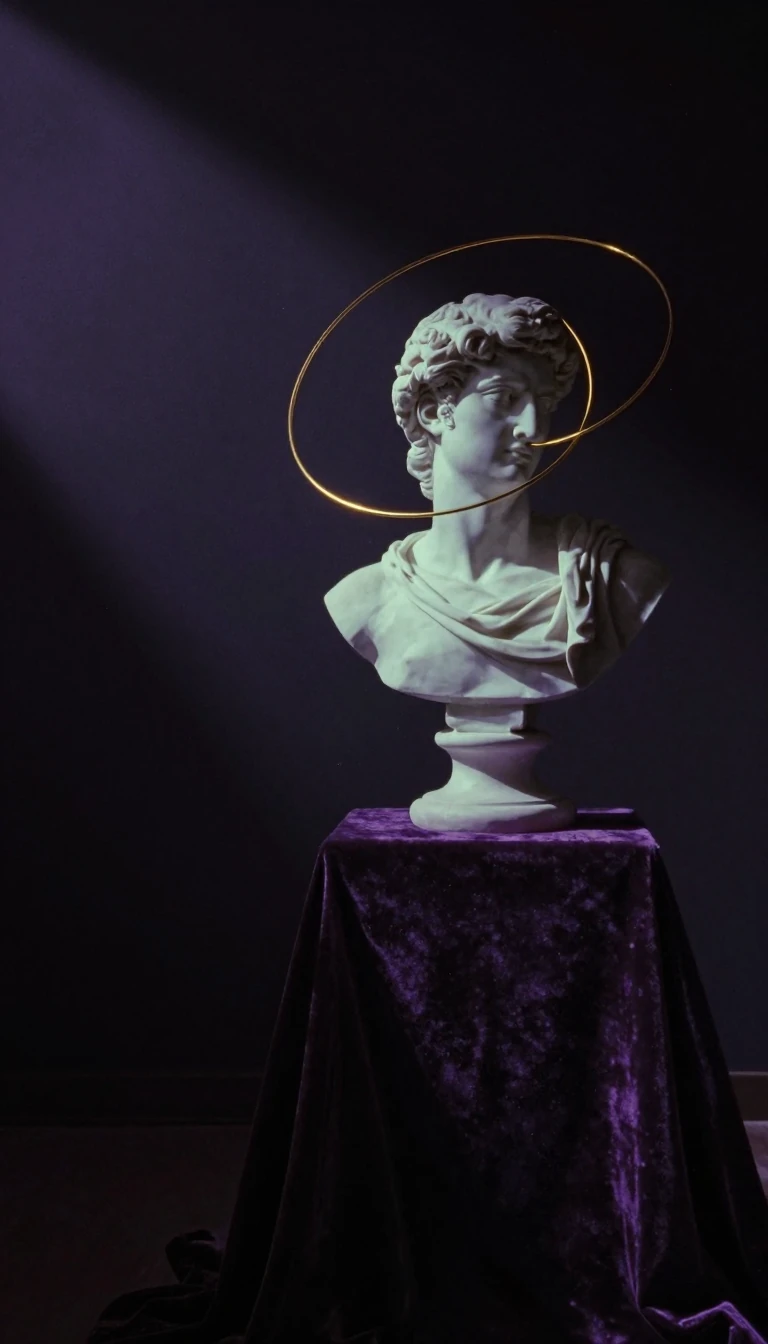
In short: Before he became the architect of St. Peter’s Basilica, Donato Bramante was a master of perspective. By blending painting and construction, he created architectural illusions that defied physical space, effectively tricking the eye to transform cramped Milanese churches into expansive, monumental cathedrals before moving to Rome to reshape history.
Born around 1444 near Urbino, Donato Bramante began his career as a painter, likely training under Piero della Francesca. His early work focused on illusionistic architectural perspectives, a skill he later applied to physical structures. By 1477, he had moved to Lombardy, where he encountered the diverse techniques of the Milanese cathedral workshops. His first major architectural triumph, the church of Santa Maria presso San Satiro in Milan, utilized a painted, bas-relief choir to create the illusion of a vast, deep space where only a shallow wall existed.
Bramante’s transition to Rome in 1499 marked the birth of the High Renaissance style. Under the patronage of Pope Julius II, he became the principal planner for the city’s reconstruction. His 1502 Tempietto at San Pietro in Montorio is considered a masterpiece of Classical proportion, featuring a circular, symmetrical design that influenced generations of architects. In 1503, he was commissioned to rebuild St. Peter’s Basilica, envisioning a grand, centralized Greek cross plan that symbolized perfection for his era.
His influence extended beyond stone and mortar. Bramante was deeply connected to the intellectual circles of his time, exchanging structural theories with Leonardo da Vinci and composing poetry. While his original vision for St. Peter’s was significantly altered by later extensions of the nave after his death on April 11, 1514, his legacy remains defined by his ability to merge the painterly arts with rigorous engineering. He proved that architecture was not just about building walls, but about manipulating space, light, and human perception to create a sense of the sublime.
Opens the Intellect+ feed with this card first. Swipe up for the next one.
Sources
- Summary by Intellect · source: Donato Bramante | Renaissance Architect & Designer | Britannica
- Also: Donato Bramante
To cite this card, link to https://intellectplus.co.uk/app/art-donato-bramante.
How we source, check and correct cards: Editorial standards.
General information, not professional advice. Spotted an error? Flag the card or see corrections and complaints.
Intellect Plus is a visual educational discovery platform for exploring fascinating facts and ideas. Brain Food, Not Brain Rot. What is Intellect Plus?
Related
More in Visual artists · More in Art · Latest · A–Z · All topics
