Drone music is the art of sustained sound, stripping away everything but the tone.
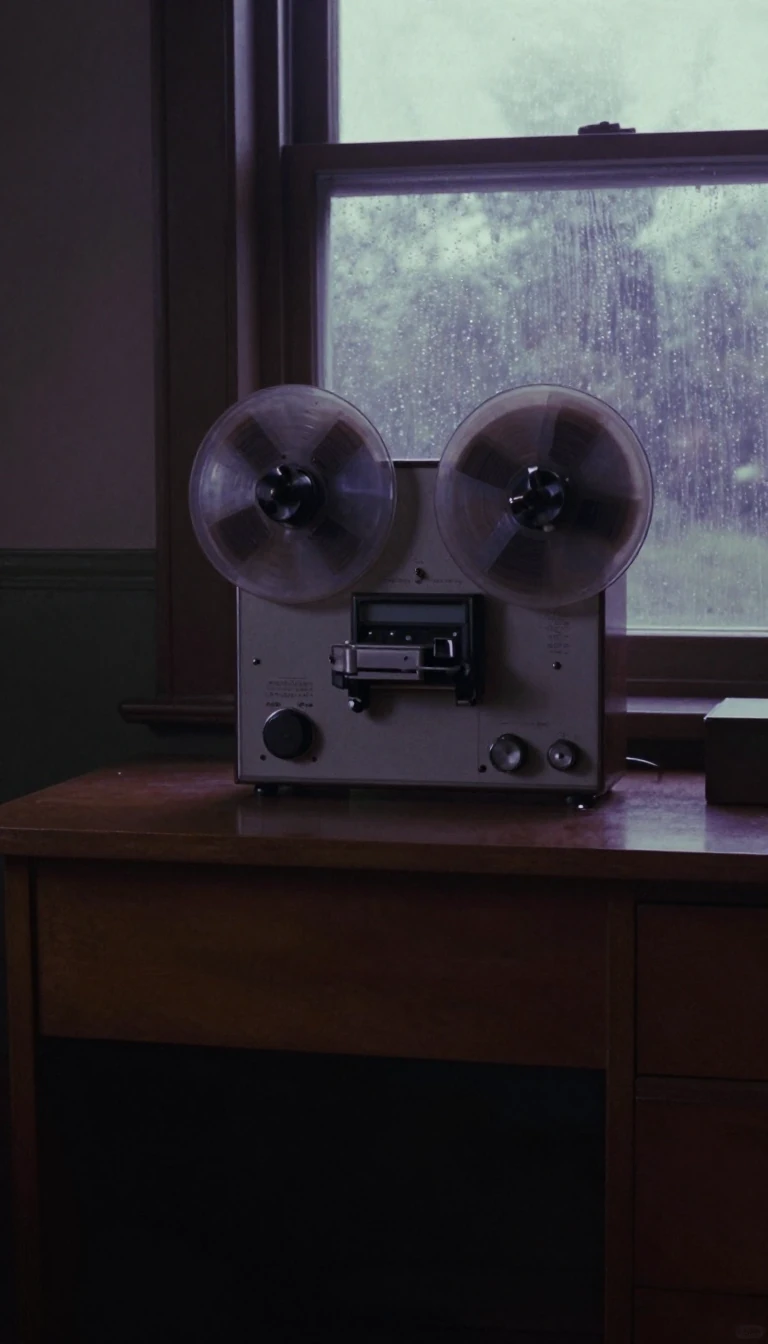
In short: Drone music is a minimalist genre defined by long, sustained tones and minimal harmonic change. While ancient traditions from bagpipes to the Indian tanpura have long utilized drones, the modern Western genre emerged in the 1960s, transforming sound into a meditative, immersive experience that discards traditional musical structure entirely.
At its core, drone music functions as a vanishing point for sound. Pioneers like La Monte Young, who described the genre as the sustained tone branch of minimalism, sought to strip away the elements that typically distinguish music from mere noise. By focusing on held tones—often reduced to a single instrument or a sine wave—the music eliminates silence and forces the listener to engage with the base-level interaction of pure tone clusters. This approach was heavily influenced by Young’s fascination with static sounds, such as the hum of electrical transformers and the sustained notes found in Japanese gagaku.
The 1960s and 1970s saw the rise of the Theatre of Eternal Music, a group that included figures like John Cale, Tony Conrad, and Marian Zazeela. Operating in New York lofts, they created performances of sensory inundation, governed by strict laws regarding harmonic sequences. Though the group released little during their active years, their influence rippled through the art world, impacting composers like Karlheinz Stockhausen and eventually bleeding into rock music. John Cale, for instance, brought these experimental techniques to the Velvet Underground, while later artists like Earth and Sunn O))) pushed the concept into the heavy, distorted realm of drone metal.
The genre’s evolution is a testament to the power of repetition and duration. From Yves Klein’s 1949 Monotone Symphony—a 40-minute piece featuring a single 20-minute chord—to the ambient explorations of Brian Eno, who famously called Young the daddy of us all, drone music has consistently challenged how we listen. Whether through the acoustic resonance of Tibetan singing bowls or the feedback-heavy electric guitars of Lou Reed’s 1975 Metal Machine Music, the genre remains a fertile area for those seeking to explore the hypnotic, meditative potential of sound that refuses to resolve.
Today, drone music persists as a vital experimental form, with contemporary artists like Tim Hecker and Godspeed You! Black Emperor continuing to weave sustained tones into their work. It remains a bridge between ancient spiritual traditions and modern avant-garde practice, proving that when you remove the complexity of melody and rhythm, the remaining sound can become a profound, expansive landscape.
Opens the Intellect+ feed with this card first. Swipe up for the next one.
Sources
- Summary by Intellect · source: Drone music
To cite this card, link to https://intellectplus.co.uk/app/art-drone-music.
How we source, check and correct cards: Editorial standards.
General information, not professional advice. Spotted an error? Flag the card or see corrections and complaints.
Intellect Plus is a visual educational discovery platform for exploring fascinating facts and ideas. Brain Food, Not Brain Rot. What is Intellect Plus?
Related
More in Visual artists · More in Art · Latest · A–Z · All topics
