Why this Spanish sculptor rejected the label of abstract to define his own reality
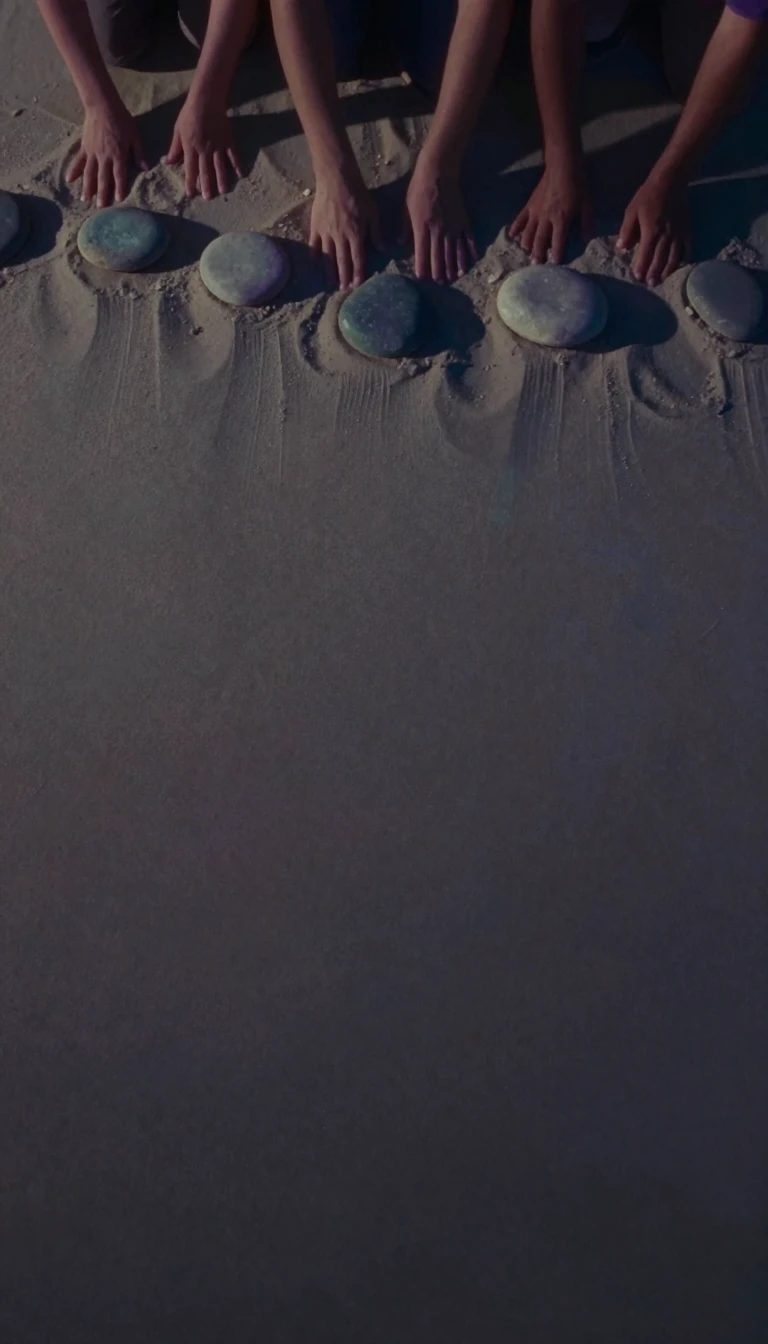
In short: Eduardo Chillida was not merely a sculptor; he was a craftsman who engaged in a lifelong dialogue with space and material. From forged iron to massive granite, his work sought to embody the relationship between solid masses and the void, challenging our perception of how we dwell within the world.
Born in San Sebastián in 1924, Eduardo Chillida initially pursued architecture and professional football before a severe knee injury redirected his path toward art. After a formative period in Paris working with clay and plaster, he returned to the Basque region in 1951. There, he abandoned traditional figurative methods, instead collaborating with local blacksmiths to master forged iron. This shift marked the beginning of an ascetic vision that prioritized direct contact with materials, reflecting a deep-seated respect for the traditions of Spanish metalworkers and stone-carvers.
Chillida’s philosophy was profoundly shaped by his interaction with the philosopher Martin Heidegger in the early 1960s. Both men explored the concept of space not as an empty container, but as a material medium of relational contact. Chillida’s sculptures, such as his monumental granite works or the 81-ton steel piece De Musica, were designed to create tension and movement. He famously rejected the term abstract, preferring to view himself as a realist sculptor who made the invisible forces of space and place tangible.
His career was marked by significant international acclaim, including the 1958 Venice Biennale sculpture prize and the 1991 Praemium Imperiale. Yet, his ambition often transcended the gallery. His final, unrealized vision for a 'Monument to Tolerance' inside Mount Tindaya on Fuerteventura—a massive cubic void carved into a mountain—sought to allow visitors to experience the sheer immensity of space. By treating sculpture as the embodiment of places, Chillida challenged the modern tendency toward uprooting, offering instead a way to recognize how we belong to the world.
Opens the Intellect+ feed with this card first. Swipe up for the next one.
Sources
- Summary by Intellect · source: Eduardo Chillida | Abstract sculpture, Basque art, Monumental works | Britannica
- Also: Eduardo Chillida
To cite this card, link to https://intellectplus.co.uk/app/art-eduardo-chillida.
How we source, check and correct cards: Editorial standards.
General information, not professional advice. Spotted an error? Flag the card or see corrections and complaints.
Intellect Plus is a visual educational discovery platform for exploring fascinating facts and ideas. Brain Food, Not Brain Rot. What is Intellect Plus?
Related
More in Visual artists · More in Art · Latest · A–Z · All topics
