Edward Steichen: The man who turned photography from a technical craft into fine art
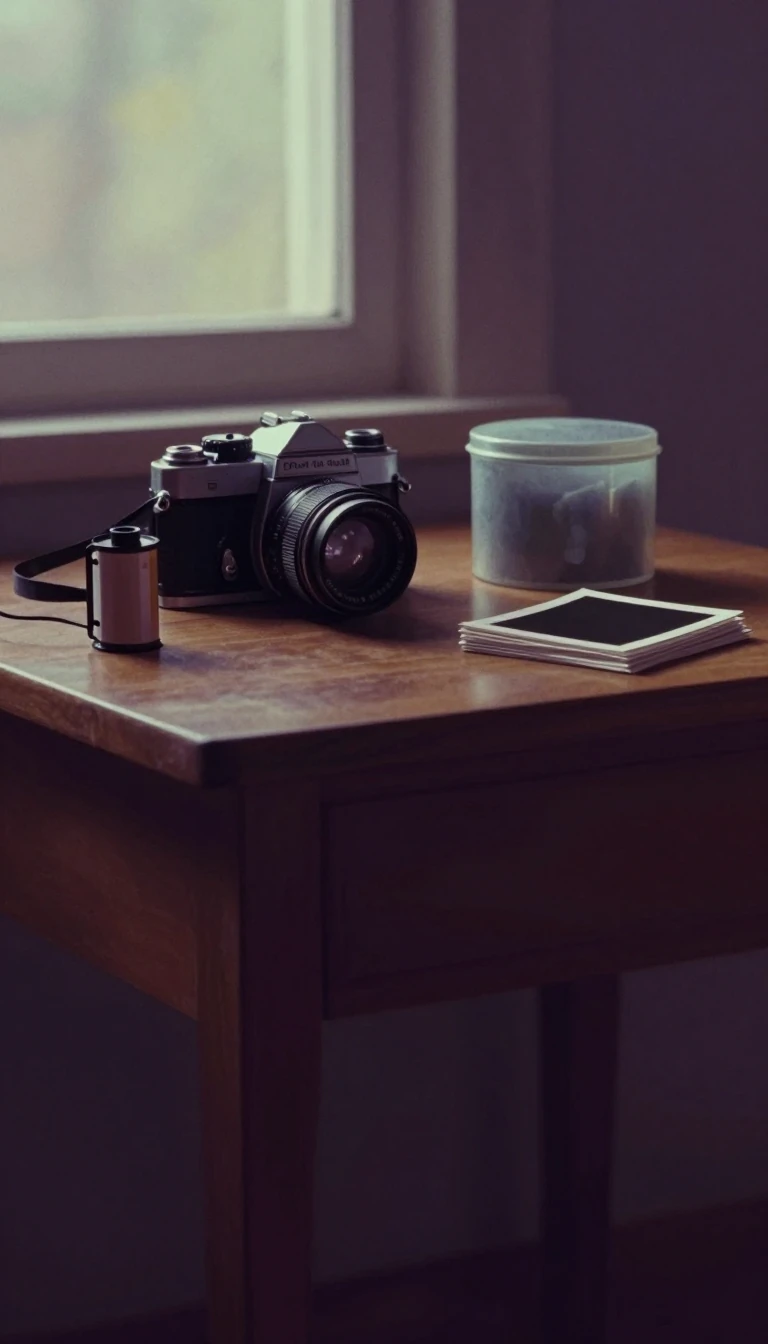
In short: Long before he became the world's highest-paid photographer, Edward Steichen was a young painter obsessed with proving that a camera could capture more than just reality. By blending traditional artistic techniques with light-sensitive emulsions, he helped force the world to recognize photography as a legitimate, hand-crafted form of fine art.
Born in Luxembourg in 1879, Steichen immigrated to the United States as a toddler, eventually settling in Milwaukee. By his teenage years, he was apprenticed to a lithographic firm, where he began to master the intersection of commercial and fine art. His early career was defined by Pictorialism, a movement that sought to elevate photography by mimicking the mood and texture of traditional paintings. Using complex processes like gum-bichromate, he created images that felt more like mezzotints or wash drawings than mechanical snapshots.
In 1900, a pivotal meeting with Alfred Stieglitz launched a 15-year partnership that would reshape the American art scene. Together, they founded the Photo-Secession and opened the legendary '291' gallery in New York. Steichen served as the gallery's European scout, introducing Americans to the works of Rodin, Matisse, and Cézanne. During this era, Steichen was the most featured photographer in the influential journal Camera Work, where he famously argued against the myth of 'objective' photography, insisting that every print is a deliberate manipulation of reality.
The relationship with Stieglitz eventually fractured, but Steichen’s influence only grew. He transitioned into a powerhouse commercial career, becoming the chief photographer for Vogue and Vanity Fair in the 1920s and 30s. Later, as director of the Department of Photography at the Museum of Modern Art, he curated the monumental 'Family of Man' exhibition. By the time of his death in 1973, Steichen had successfully navigated the worlds of high fashion, war documentation, and museum curation, leaving behind a legacy that permanently blurred the lines between the camera and the canvas.
Opens the Intellect+ feed with this card first. Swipe up for the next one.
Sources
- Summary by Intellect · source: Edward Steichen | American Photographer, Pictorialist, Painter | Britannica
- Also: Edward Steichen
- Also: Self-Portrait with Brush and Palette
To cite this card, link to https://intellectplus.co.uk/app/art-edward-steichen.
How we source, check and correct cards: Editorial standards.
General information, not professional advice. Spotted an error? Flag the card or see corrections and complaints.
Intellect Plus is a visual educational discovery platform for exploring fascinating facts and ideas. Brain Food, Not Brain Rot. What is Intellect Plus?
Related
More in Visual artists · More in Art · Latest · A–Z · All topics
